Studies confirm that indoor plants are now found in roughly 66% of American homes — and that number keeps climbing every season. Finding the right decorative indoor plants for home spaces is one of the smartest investments most plant lovers make: air quality improves, rooms gain warmth, and stress levels genuinely drop. Our team covers the full spectrum of plant care through our plants, herbs, and farming guides, and this post is the indoor plant resource our team wishes had existed when we started. Wikipedia's overview of houseplants confirms what plant enthusiasts already know — many common indoor species actively filter formaldehyde, benzene, and carbon monoxide from indoor air.
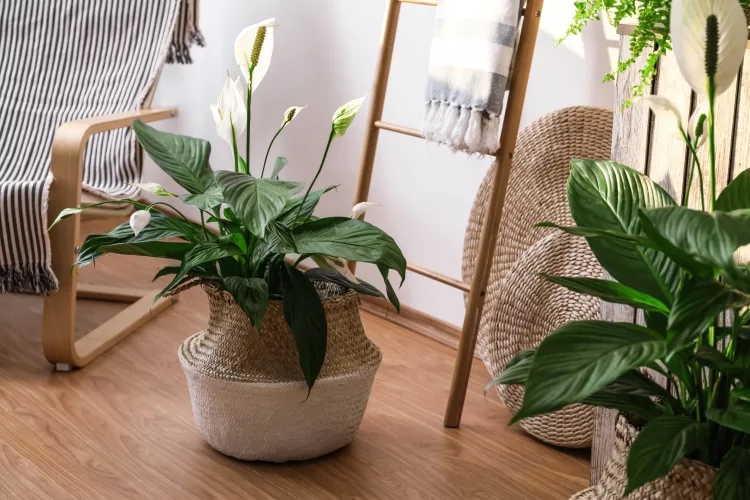
Indoor plants have shifted from weekend hobby to a genuine lifestyle commitment backed by science. The species most people reach for first — pothos, snake plants, monsteras — are popular for real reasons: they're resilient, beautiful, and surprisingly forgiving. But there's a far richer world of decorative indoor plants beyond those first few classics, and our team wants anyone building a collection to understand the full range of options.
This guide walks through everything: smart care secrets, myths our team has personally had to unlearn, the tools that actually matter, our favorite room-by-room picks, a long-term collection strategy, and a troubleshooting quick-reference for the most common plant emergencies. Every recommendation comes from genuine hands-on experience.
Contents
Most people pick indoor plants based on appearance alone — and that's exactly where collections start to fail. Our team's first rule is simple: match the plant to the environment, not the other way around. A moisture-loving fern will never thrive in a dry, sunny living room, no matter how much attention it receives. Getting this decision right from the start saves money, frustration, and genuine heartbreak.
Light is the single most important factor determining indoor plant success. Our team organizes every plant into one of three lighting categories before placement:
Our team also rotates pots a quarter-turn every two weeks. Even indirect light isn't uniform, and plants lean naturally toward the source. Consistent rotation keeps growth even and shapes plants beautifully over time — a small habit with a big visual payoff.
Fixed watering schedules are one of the most common traps new plant owners fall into. Plants respond to conditions — temperature, humidity, light, soil type — not calendars. Our team's preferred method:
Most tropical varieties prefer consistently moist (but never soggy) soil. Succulents and cacti want the soil to dry completely between waterings — drought tolerance is built into their biology and overriding it is a fast path to root failure.
Our team has spent years correcting plant myths spread by well-meaning but incorrect online advice. Believing these myths directly leads to dead plants and disappointed gardeners. Here are the two that cause the most damage.
"All plants need lots of sunlight" is the most persistent piece of bad indoor plant advice our team encounters. It sends shade-loving species onto sunny south-facing windowsills where they promptly scorch, bleach, and collapse. The reality is far more nuanced:
More water does not equal a healthier plant. Overwatering is the single biggest killer of decorative indoor plants, bar none. Our team encounters this mistake constantly — roots sitting in wet, airless soil develop fungal rot within days, and the plant collapses before the problem becomes visible above the soil line.
Our team has made plenty of plant mistakes over the years — this section exists so anyone reading this doesn't repeat them. These are the errors that consistently cost people their plants, their money, and their enthusiasm for indoor gardening.
Root rot — a fungal condition triggered by waterlogged, oxygen-deprived soil — is nearly always fatal unless caught early. Our team's prevention checklist:
Garden soil fails in containers — it compacts, drains poorly, and suffocates roots within weeks. The right growing medium is one of the most impactful improvements most indoor gardeners never make. Our team's approach by plant type:
One detail our team always confirms before adding a new plant to any collection: toxicity. Several very common houseplants are toxic to pets and children — including pothos, peace lily, and snake plant — and that's a fact most people discover far too late.
Good tools don't replace good care habits — but they make those habits sustainable over months and years. Our team keeps a deliberately short list of essentials that genuinely earn their place in the routine, and nothing on this list is expensive or hard to find.
Not every home has ideal natural light, and that's where grow lights designed for indoor plants make a genuine difference. Our team recommends full-spectrum LED panels — they replicate the wavelength range plants actually use for photosynthesis and run cool enough for safe indoor placement. A basic plug-in timer ($10–$20) automates the daily light cycle completely.
For humidity control, a small ultrasonic humidifier near a plant cluster raises ambient moisture levels efficiently. Our team runs one in a living room plant corner during dry winter months and sees measurable improvement in leaf quality for moisture-sensitive species like calatheas and ferns.
| Plant Name | Light Needs | Watering Frequency | Air Purifying | Pet Safe |
|---|---|---|---|---|
| Pothos | Low to medium indirect | Weekly | Yes | No |
| Snake Plant | Low to bright indirect | Every 2–4 weeks | Yes | No |
| Peace Lily | Low to medium indirect | Weekly | Yes | No |
| Spider Plant | Medium indirect | Weekly | Yes | Yes |
| Monstera | Bright indirect | Weekly | Yes | No |
| ZZ Plant | Low to medium | Every 2–3 weeks | Mild | No |
| Aloe Vera | Bright indirect to direct | Every 2–3 weeks | Yes | No (toxic to cats/dogs) |
Every room presents different light conditions and different visual opportunities. Our team has tested these picks across multiple environments — these are proven performers, not guesses based on nursery tags.
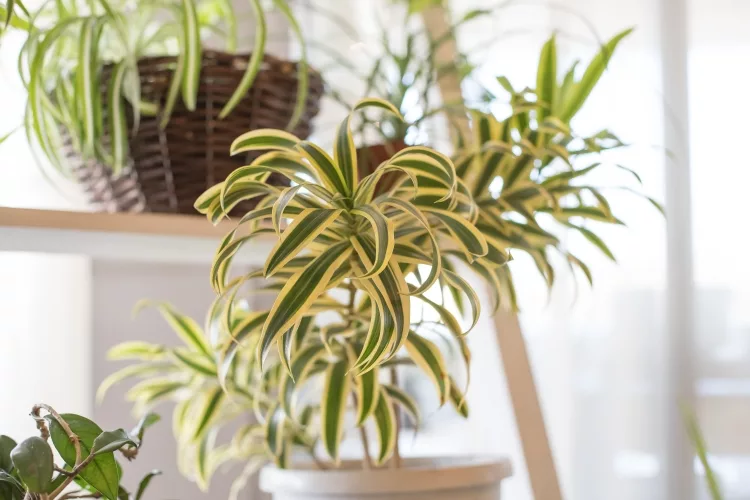
Pro tip from our team: Group decorative indoor plants in odd numbers — threes and fives — for displays that look intentional and curated rather than random or cluttered.
Bedrooms often receive less natural light and benefit most from calming, air-purifying species that don't demand constant attention. Our top picks for bedroom environments:
Our team also strongly recommends exploring growing hibiscus indoors for bright-windowed spaces — it's a flowering option that brings dramatic, tropical color to any sun-drenched interior.
A thriving indoor plant collection is built over time — not assembled in a single shopping trip. Our team has grown and refined plant setups across multiple spaces, and the approach that consistently works is patient, deliberate, and rooted in real care instincts rather than impulse buying.
Starting with three to five hardy species gives home gardeners the space to build genuine care instincts before taking on more demanding plants. The sequence our team recommends:
Our team has watched enthusiastic beginners lose expensive, rare specimens simply because they skipped the foundation steps. Patience in the early stages pays off dramatically over the long term.
Indoor plants still respond to seasonal shifts in light quality, temperature, and day length — even in climate-controlled homes. Our team adjusts care routines with every season change:
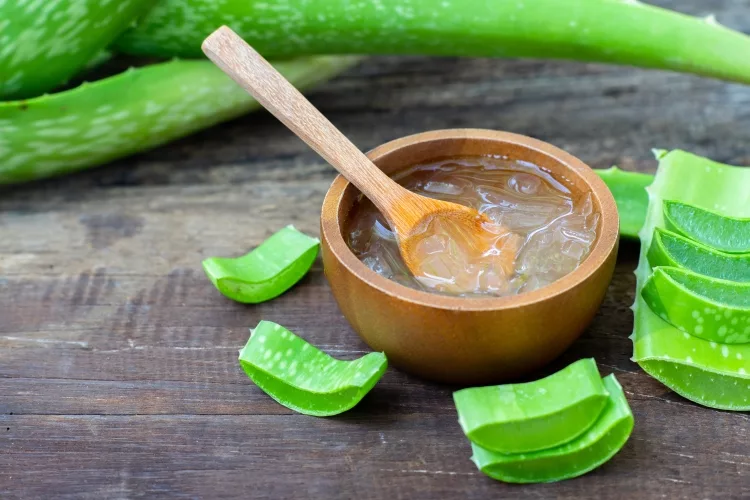
Aloe vera is a perfect long-term specimen for any collection — architecturally striking, genuinely low-maintenance, and practically useful in daily life. Our team keeps one in nearly every space we manage, and it rarely asks for anything beyond good light and infrequent, thorough watering.
Even with careful attention, indoor plants run into problems. Our team has diagnosed and nursed hundreds of struggling plants back to health. Here's the quick-reference breakdown most home gardeners actually need when a plant starts looking wrong.
Yellow leaves are the most common distress signal our team encounters — and the cause isn't always immediately obvious. These are the most frequent culprits and how to distinguish between them:
Indoor pests are a fact of plant life — not a sign of failure. Our team conducts a monthly visual inspection of every plant, focusing on the undersides of leaves where most pests hide and reproduce. The most common culprits and their fastest fixes:
Our team applies a strict two-week quarantine to every new plant before introducing it to an established collection. This single habit prevents the vast majority of pest outbreaks that originate from unknown nursery sources.
Decorative indoor plants for home spaces reward consistent attention, honest self-assessment, and the willingness to start simple and build with confidence over time. Our team's best advice is this: pick up one low-maintenance species — a pothos or a snake plant — get genuinely comfortable with its needs, and let that foundation grow naturally into a fuller, more ambitious collection. Browse our complete plant guides for species deep-dives, care schedules, and growing inspiration covering everything from windowsill herbs to full indoor plant displays.
 |
 |
 |
 |

About Truman Perkins
Truman Perkins is a Detroit-based SEO consultant who's been in the business for over a decade. He got his start helping friends and clients get their websites off the ground, and he continues to do so today. In his free time, Truman enjoys learning and writing about gardening - something he believes is a natural stress reliever. He lives with his wife, Jenny, and their twins in Detroit.


Get new FREE Gifts. Or latest free growing e-books from our latest works.
Disable Ad block to reveal all the links. Once done, hit a button below
|
|
|
|
 rinjal