Have you ever wondered why certain vegetables at the grocery store seem to cost more than a restaurant meal? The truth is, many of those expensive vegetables to grow at home are surprisingly easy to cultivate in your own backyard or even in containers on a balcony. By growing premium produce yourself, you skip the retail markup and harvest flavors that store-bought versions simply cannot match. Whether you are an experienced gardener or just getting started with your first plants, herbs, and farming projects, this guide walks you through ten high-value vegetables that pay for themselves within a single growing season.

Growing your own food is one of the most rewarding things you can do, but the financial angle often gets overlooked. When you compare seed costs against what you would pay per pound at the store, several common vegetables deliver an extraordinary return on investment. The ten vegetables below consistently rank among the priciest at supermarkets, yet they thrive in home gardens with the right care and attention.
Before you grab your trowel, it helps to understand what makes these particular crops expensive in retail settings, how much effort each one actually demands, and which ones match your current gardening skill level. Let's break it all down so you can start planning your most cost-effective garden yet.
Contents
The retail price of a vegetable depends on several factors that have nothing to do with how difficult it is to grow in your own garden. Understanding these drivers helps you appreciate just how much money you stand to save by producing these crops at home.
Vegetables like Brussels sprouts and leeks require significant hand labor during harvesting, which drives up their price at every stage of the supply chain. Unlike crops that machines can harvest efficiently, many premium vegetables need careful individual picking, washing, and sorting. According to the USDA Economic Research Service, labor accounts for a growing share of vegetable production costs in commercial farming operations. When you grow these vegetables yourself, you eliminate every middleman between seed and plate.
Several expensive vegetables have very short shelf lives or narrow harvest windows, which means retailers must charge more to offset spoilage losses. Here is what you should know:
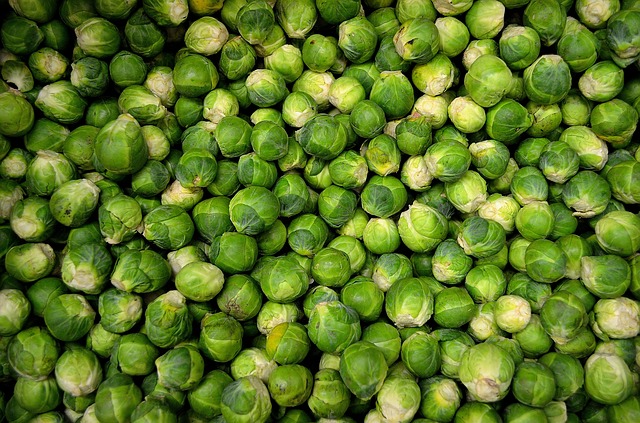
Brussels sprouts regularly cost $4–$6 per pound at the store, yet a single plant in your garden produces 50 to 100 sprouts over its growing season. They prefer cool weather and need about 80–100 days to mature, so you should plan your planting around your region's first frost date. Give each plant 24 inches of spacing, consistent moisture, and full sun for the best results.
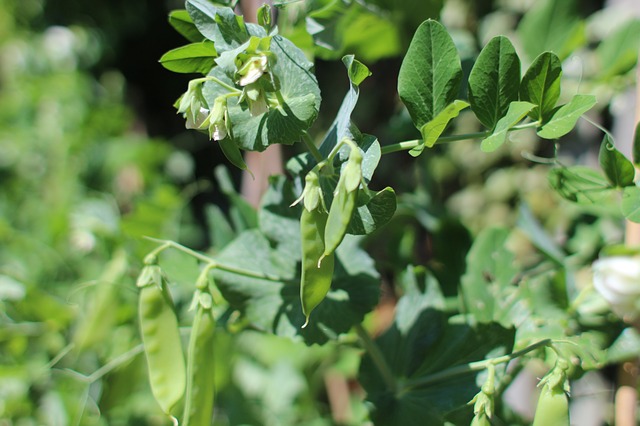
Fresh green peas from the store can run $3–$5 per pound, and they never taste as sweet as ones picked straight from the vine. Peas fix their own nitrogen, which means they actually improve your soil while growing. They are ideal for succession planting — sow new rows every two weeks for a continuous harvest throughout the cool season. If you are also growing fruit in containers, peas make excellent companion plants alongside the easiest fruits to grow in pots.
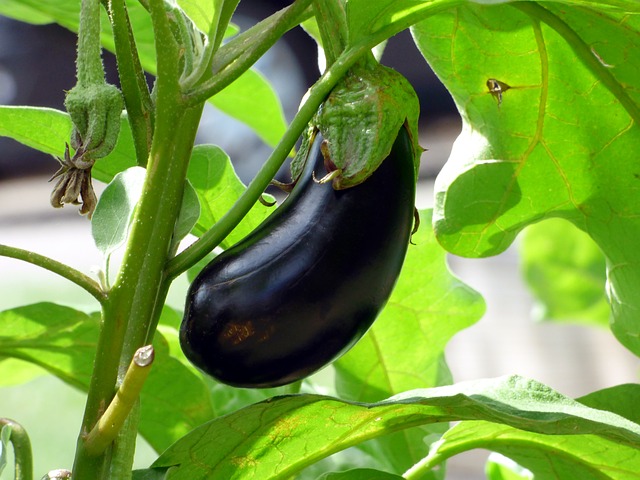
Eggplant thrives in warm conditions and rewards you with prolific harvests when given full sun and well-drained soil. A single healthy plant yields 5–12 fruits, and specialty varieties like Japanese or Italian types are even pricier at the market. Start seeds indoors six to eight weeks before your last frost date, then transplant once nighttime temperatures stay consistently above 60°F.
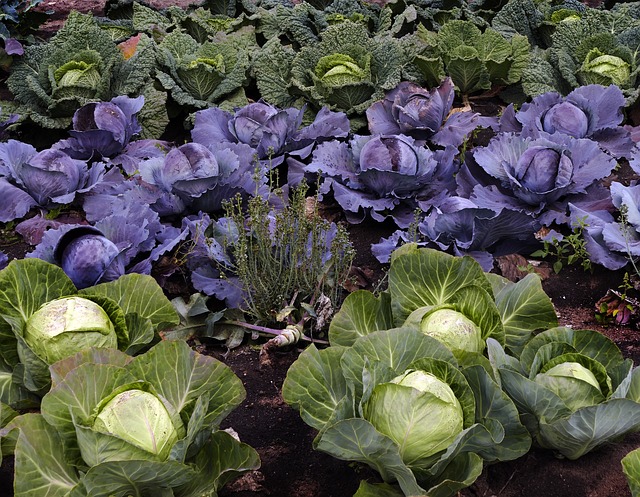
Cauliflower is notoriously one of the most demanding brassicas, but its store price of $3–$5 per head makes it worth the effort. The key is consistent cool temperatures between 60–70°F and rich, well-composted soil. Blanching the head by tying outer leaves over the curd keeps it white and tender. Understanding your different types of soil is essential before attempting cauliflower.
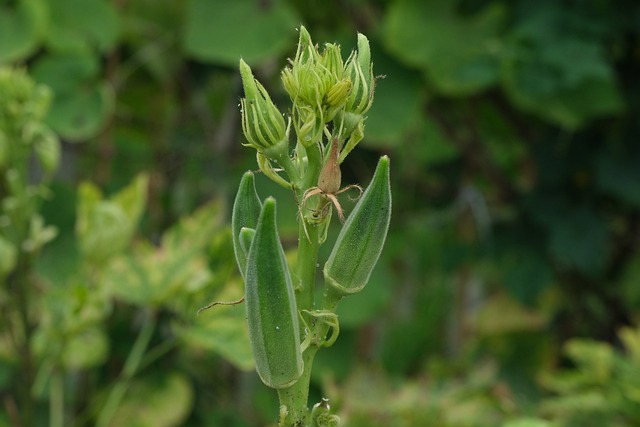
Okra loves heat and produces abundantly once it gets going, with each plant offering pods every two to three days during peak season. Pick pods when they are 2–3 inches long for the best texture and flavor, since larger pods turn tough and fibrous very quickly. Okra is also drought-tolerant once established, making it a low-maintenance choice for hot climates.
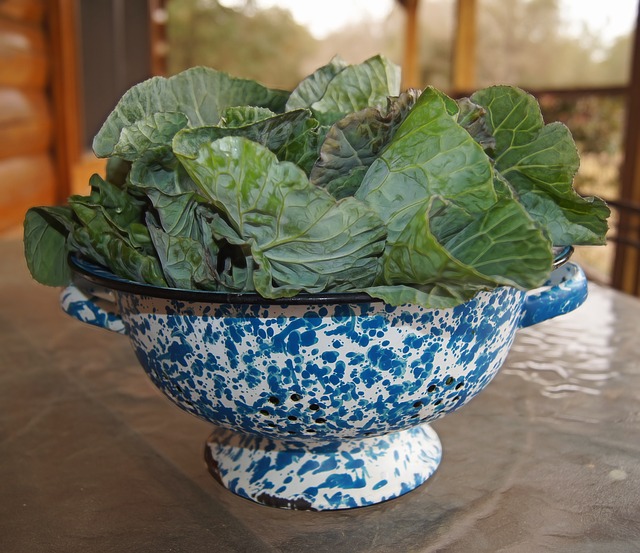
Collard greens are nutritional powerhouses that fetch premium prices in most grocery stores, especially organic varieties. They tolerate both heat and light frost, which gives you one of the longest harvesting windows of any leafy green. Harvest the lower leaves first and let the plant keep producing from the center for months of continuous greens.
Pro Tip: Collard greens actually taste sweeter after a light frost, so do not rush to pull your plants when temperatures start dropping in autumn.
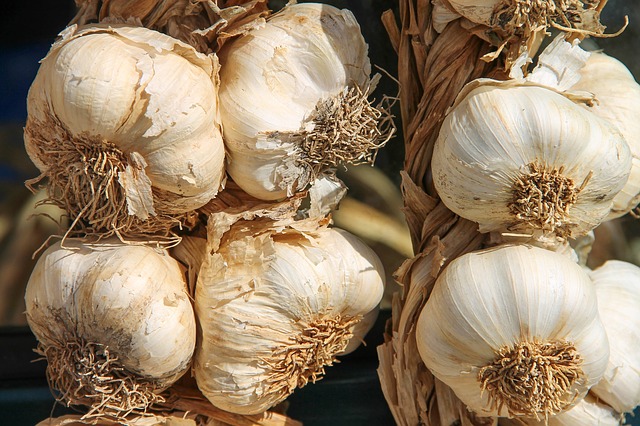
Leeks are the refined cousin of onions and regularly sell for $2–$4 per bunch at the store, yet they grow with minimal fuss in the garden. Plant them in trenches and hill soil around the stems as they grow to produce those long, blanched white shanks that chefs prize. They take patience — about 120 days to maturity — but the flavor payoff in soups, stews, and gratins is exceptional.
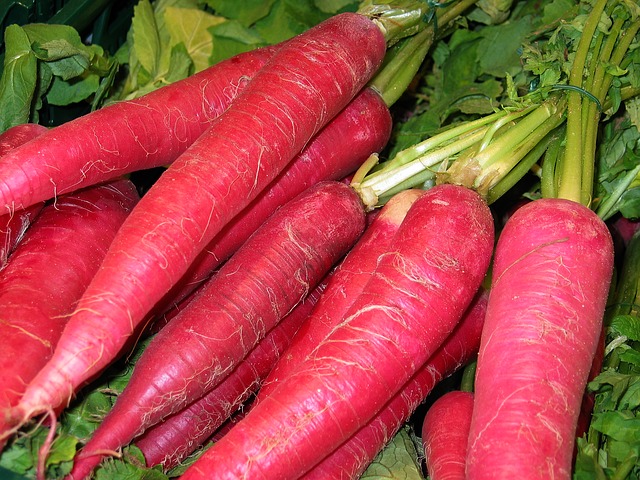
While common red radishes are affordable, specialty varieties like watermelon radishes, black radishes, and daikon command serious prices at farmers' markets and specialty grocers. These gourmet types grow just as easily as their standard cousins, maturing in 25–60 days depending on the variety. Radishes also make excellent companion plants and can be tucked into gaps between slower-growing crops.
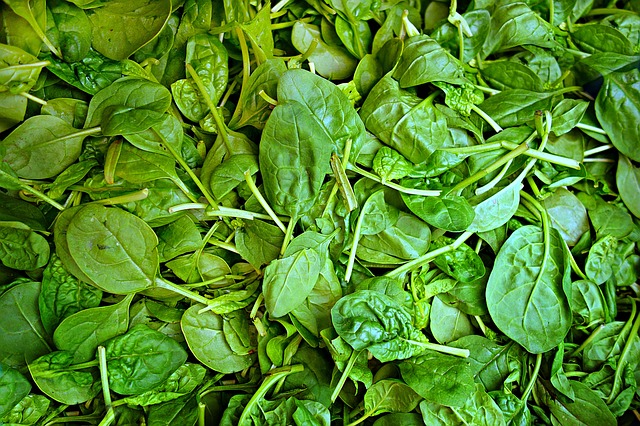
Organic spinach can cost upward of $6 per pound, making it one of the most expensive vegetables to grow at home that delivers real savings. Spinach prefers cool weather and bolts quickly in heat, so you should plant it in early spring or late summer for the best results. Using quality growing media like coco peat helps maintain the consistent moisture levels spinach craves.
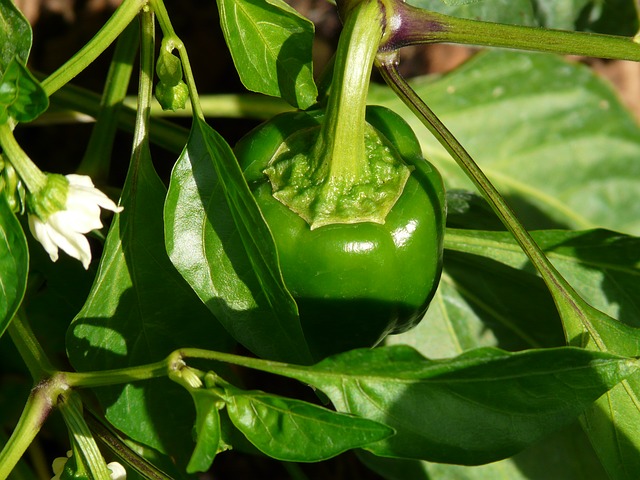
Red, yellow, and orange bell peppers consistently rank among the priciest vegetables in any supermarket, often reaching $2–$4 per single pepper. The color premium exists because these peppers need to stay on the plant much longer than green ones to fully ripen, and that extra time means higher risk for commercial growers. In your own garden, you simply leave them on the vine until they reach that vibrant color at no extra cost.
Most of these premium vegetables share a common need for consistent, deep watering rather than frequent shallow sprinkles. Here is a quick-reference care approach for the majority of these crops:
Brassicas like Brussels sprouts, cauliflower, and collards attract cabbage worms and aphids, so you should inspect plants weekly and use row covers during peak moth activity. Eggplant and peppers are susceptible to flea beetles, which you can deter with companion planting and neem oil applications. Rotating your crops each season is the single most effective disease prevention strategy available to home gardeners.
Not every expensive vegetable demands the same level of gardening expertise, and knowing where each one falls on the difficulty spectrum helps you avoid frustration early on. Use the table below to plan your garden according to your current confidence level.
| Vegetable | Difficulty | Days to Harvest | Store Price/lb | Best For |
|---|---|---|---|---|
| Radishes | Beginner | 25–35 | $3–$5 | Quick wins, first-time growers |
| Spinach | Beginner | 40–50 | $5–$7 | Cool-season planting |
| Collard Greens | Beginner | 55–75 | $3–$5 | Long harvests, heat tolerance |
| Green Peas | Beginner | 60–70 | $3–$5 | Succession planting |
| Okra | Intermediate | 50–65 | $4–$6 | Hot climates |
| Sweet Peppers | Intermediate | 70–90 | $4–$8 | Color variety, long season |
| Eggplant | Intermediate | 65–80 | $3–$5 | Warm-weather gardens |
| Leeks | Intermediate | 100–120 | $3–$5 | Patient gardeners, soups |
| Brussels Sprouts | Advanced | 80–100 | $4–$6 | Cool-climate fall gardens |
| Cauliflower | Advanced | 70–100 | $3–$5 | Experienced growers seeking a challenge |
If you are just starting out, begin with radishes and spinach to build your confidence before tackling the more temperamental crops like cauliflower. Intermediate growers should explore sweet peppers and eggplant, which reward good technique with generous harvests throughout summer. You can also experiment with growing beans as a low-risk way to learn plant spacing and trellising, similar to the approach used in classroom bean-growing experiments.
The financial math favors the home grower in almost every scenario, especially when you factor in organic pricing at the store. Even accounting for your time, water, and soil amendments, growing these ten vegetables at home delivers a strong return that improves each season as you refine your technique and reuse infrastructure.
Sweet peppers and spinach offer the highest return per square foot because they produce multiple harvests from a single planting, and their store prices remain consistently high throughout the year. A 4×4 raised bed of spinach alone can save you over $50 per season compared to buying organic.
Yes, many of these vegetables thrive in containers, including eggplant, sweet peppers, spinach, radishes, and okra. Use pots that are at least 12 inches deep with quality drainage, and feed container plants more frequently since nutrients leach out faster than in ground beds.
Most home gardeners save between $200 and $600 per season by growing their own high-value vegetables, depending on garden size and the crops they choose. The savings increase substantially if you focus on organic varieties that command premium prices at grocery stores and farmers' markets.
 |
 |
 |
 |

About Truman Perkins
Truman Perkins is a Detroit-based SEO consultant who's been in the business for over a decade. He got his start helping friends and clients get their websites off the ground, and he continues to do so today. In his free time, Truman enjoys learning and writing about gardening - something he believes is a natural stress reliever. He lives with his wife, Jenny, and their twins in Detroit.


Get new FREE Gifts. Or latest free growing e-books from our latest works.
Disable Ad block to reveal all the links. Once done, hit a button below
|
|
|
|
 rinjal