Last spring, a batch of mint cuttings went into a container filled with potting mix pulled from a sealed bag that had spent winter in an unheated shed. Within two weeks, the cuttings were yellowing and the soil had turned into a dense, wet slab that repelled water instead of absorbing it. The question that follows any episode like that — does potting soil go bad — deserves a direct answer: yes, it does, and the consequences for plants are real. Understanding the shelf life of potting soil, the warning signs of degradation, and the right storage practices are skills every serious gardener needs. For vetted soil and amendment product picks, the gardening reviews section is a reliable starting point.

Potting soil is not just dirt scooped from the ground. It is a precision-engineered blend of organic matter, drainage materials, and often slow-release nutrients — each component operating on its own degradation timeline. Peat moss breaks down under repeated wet-dry cycles. Compost-based nutrients exhaust within a single season. Bark fines compact over two to three years, collapsing the air pockets roots depend on. The result is a medium that looks usable but performs poorly.
The good news is that degradation is manageable. With the right storage habits, amendment strategies, and an eye for early warning signs, gardeners can extend the usable life of potting mix significantly — and know exactly when to cut their losses and start fresh.
Contents
Most gardeners discover the problem after plants are already struggling. Catching the warning signs earlier — during storage inspection or before repotting — prevents the damage entirely. The signals come in three categories: sensory, biological, and plant-based.
Fresh potting mix has a clean, rich, earthy scent and a loose, crumbly texture that holds its shape lightly when squeezed. When it degrades, those properties shift in noticeable ways:
If stored potting soil smells like a swamp or stale laundry, it has gone anaerobic — do not use it on seedlings or sensitive plants without full sterilization and amendment first.
Visible biological activity on or in the soil is a reliable degradation indicator. The presence of certain organisms signals that decomposition is advanced:
Sometimes the soil passes a visual inspection but the plants themselves signal the problem. These symptoms, when no other cause is evident, point to degraded growing medium:
Understanding different types of soil for gardening puts these symptoms in context — each growing medium has its own failure mode, and potting mix fails differently than garden soil or loam-based composts.
The science behind potting soil degradation is straightforward: organic materials decompose, and the rate of that decomposition depends on moisture, temperature, microbial activity, and time. Does potting soil go bad on a predictable schedule? Roughly yes — most mixes have a functional lifespan of one to two years under normal conditions, but storage habits can compress that timeline dramatically.
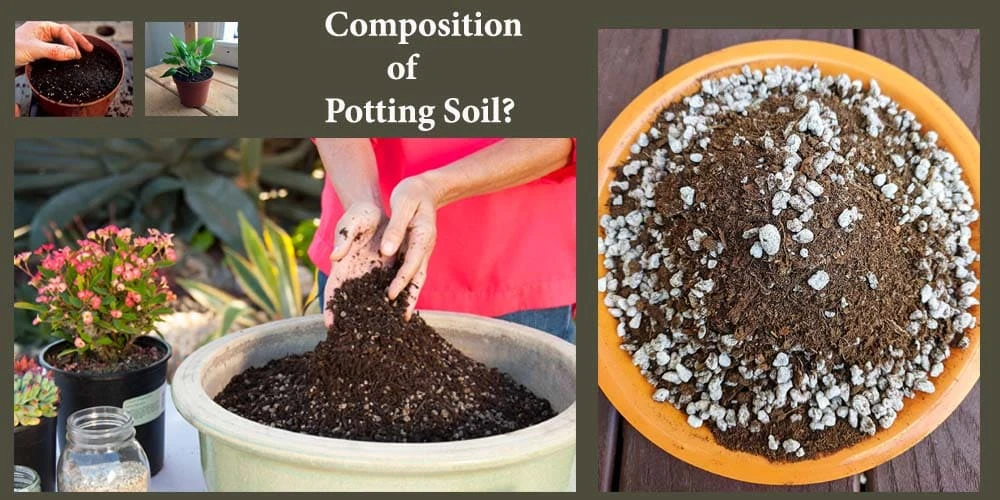
Commercial potting mixes contain one or more organic base materials, each with a different degradation rate. Knowing what is in the bag clarifies how long it will stay viable:
According to Wikipedia's overview of potting soil, the composition of commercial mixes varies significantly by intended use — seed-starting mixes degrade faster than coarse bark-heavy mixes for orchids, for example — and this variation directly affects the practical lifespan of any given product.
Not every ingredient in potting mix degrades. Mineral amendments are chemically stable, but they shift position and proportion as organics break down around them:
Perlite floating in a dense layer on top of a container is one of the clearest visual signals that the organic material below has significantly compressed — the mix needs refreshing even if it still looks intact on the surface.
Potting soil degrades on its own schedule, but poor handling habits can reduce a two-year lifespan to two months. These are the errors that show up most often among home gardeners.
The physical structure of potting mix — its capacity to hold air pockets between particles — is as important as its nutrient content. Storage errors destroy that structure before any plant roots ever touch the soil.
With deliberate storage habits, an unopened bag of quality potting mix stays usable for one to two years. An opened bag, handled correctly, can remain effective through an entire growing season and into the next.

The target environment is cool, dry, dark, and protected from pests:
Gardeners who buy in bulk or stock up at end-of-season sales benefit from a more structured approach:
The differences between functional and degraded potting mix span physical structure, chemistry, and biology. This side-by-side breakdown makes it straightforward to categorize any bag of potting soil on hand.
| Property | Fresh Potting Soil | Old / Degraded Potting Soil |
|---|---|---|
| Texture | Loose, crumbly, lightweight | Dense, clumpy, compacted |
| Smell | Clean, rich, earthy | Sour, musty, or ammonia-like |
| Color | Rich dark brown throughout | Pale, grayish, or salt-crusted surface |
| Water absorption | Absorbs water evenly within seconds | Repels water; pools and runs off |
| Drainage speed | Water passes through in 30–60 seconds | Slow or blocked; waterlogging risk |
| Nutrient level | Starter nutrients present and active | Depleted; possible salt toxicity buildup |
| Microbial profile | Beneficial bacteria and fungi active | Pathogens may dominate; anaerobic bacteria present |
| Perlite distribution | Evenly distributed through the mix | Concentrated near the surface |
| Root performance | Fast establishment and lateral spread | Stunted growth or rotting roots |
| Best use | All plants including seedlings and seeds | Amended use only; not for seeds or seedlings |
The differences between fresh and degraded mix are not marginal — they affect germination rates, root architecture, nutrient uptake, and disease resistance simultaneously. This is why the answer to does potting soil go bad matters in practice, not just in theory.
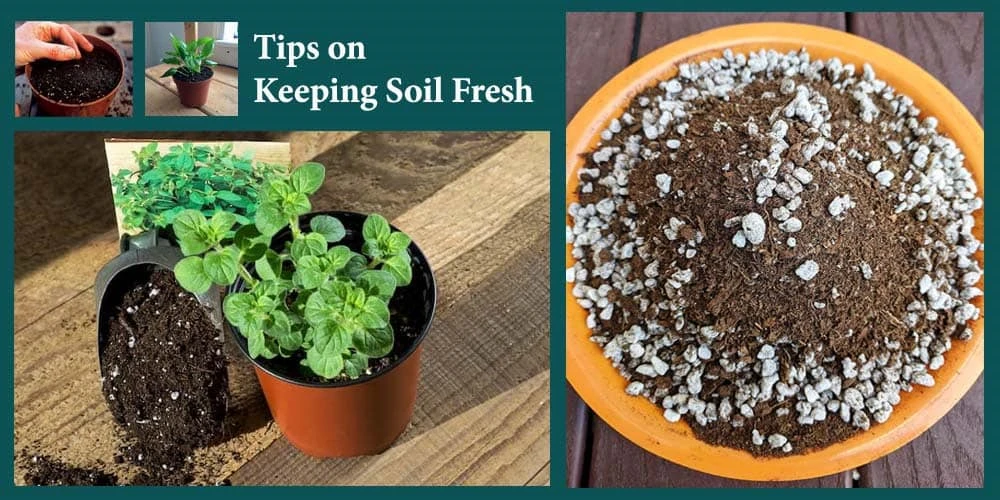
Not all degraded soil belongs in the compost bin immediately. With the right amendments and a clear-eyed assessment of the damage, moderately degraded mix can be rehabilitated for another season — particularly for established perennials and low-demand ornamentals.
The approach depends on what the soil has lost and what problem needs correcting:
A reliable standard revival formula for moderately degraded mix: 50% old potting soil + 30% compost + 20% fresh perlite. This blend restores structure, nutrient content, and drainage while preserving the usable portion of the existing mix.
Rehabilitated potting mix works well for established plants and perennials — but always start seeds in entirely fresh, sterile medium. The germination rate difference is significant, and seedlings lack the root mass to overcome a problematic growing medium.
Some soil is past saving, and attempting to amend it introduces more risk than reward. Compost the following rather than replanting into them:
Old potting soil added to an outdoor compost pile breaks down fully within one season and returns to the garden as finished compost. The same biological principles that govern composting tea bags and other organic matter apply here — given enough time, aeration, and moisture, most organic material converts to usable humus.
An unopened bag of potting mix is not immune to degradation, but it degrades much more slowly than opened soil. Most manufacturers rate unopened bags at one to two years before significant quality loss. The organic components — peat, coir, compost — continue their slow decomposition even in sealed packaging. Bags stored in cool, dry, dark conditions hold their quality toward the upper end of that range. Bags left in hot sheds or outdoor sun degrade faster due to heat and UV exposure even through the plastic.
An opened bag stored correctly — sealed tightly, elevated off concrete, kept cool and dry — typically remains fully functional for six to twelve months. In poor storage conditions, the usable life drops to as little as one to three months. Once potting soil has been used in a container for a full growing season, it is effectively spent and requires substantial amendment or replacement before reuse. The fertilizer component is usually the first to deplete, often within the first three months of active planting.
Yes. Degraded potting soil can harbor fungal pathogens — particularly Pythium, Fusarium, and Phytophthora species — that cause root rot and damping off in seedlings and young transplants. Anaerobic conditions created by waterlogged, compacted mix also produce compounds toxic to roots. Plants potted into heavily contaminated soil may decline rapidly even with correct watering and light. This risk is why disease-affected soil should be composted rather than reused, even after apparent recovery.
Degraded potting soil typically smells sour, swampy, or sulfurous — the result of anaerobic bacterial activity producing hydrogen sulfide and other byproducts of decomposition. An ammonia-like odor indicates nitrogen breakdown under bacterial overgrowth conditions, usually from prolonged waterlogging. Fresh potting soil smells clean and mildly earthy, like forest floor after rain. Any sharp, unpleasant, or chemical odor is a reliable signal that the microbial balance has shifted in a harmful direction.
Moderately degraded potting soil can be used for vegetables after proper amendment — adding fresh compost, perlite, and balanced fertilizer restores the basic requirements for food crops. However, any mix from containers that previously showed disease symptoms should not be used for edibles without sterilization first. For root vegetables and seedlings specifically, only fresh or fully remediated mix produces reliable results. Established vegetable plants with large root systems are more tolerant of imperfect medium than young transplants or seeds.
Three simple tests cover the basics. First, the squeeze test: grab a handful of lightly moistened soil and squeeze — fresh mix holds shape briefly then breaks apart cleanly; degraded mix either stays in a dense clump or falls apart into dust. Second, the water test: pour water slowly onto the surface and observe — fresh mix absorbs within thirty seconds; degraded mix lets water pool or run off. Third, the smell test: fresh soil smells earthy; any sour, musty, or chemical odor signals a problem. A germination test using fast-sprouting seeds like radish confirms biological viability within one week.
Fertilizer addresses only the nutrient depletion aspect of degraded mix — it does nothing to restore the physical structure, drainage capacity, or microbial balance. A plant in compacted, hydrophobic soil cannot take up nutrients effectively regardless of how much fertilizer is present. Salt buildup from repeated fertilization in degraded mix also creates toxicity problems over time. Fertilizer is one part of a complete amendment strategy, not a standalone fix for old potting soil.
A single freeze-thaw cycle does minimal damage to potting soil that is stored dry. The problem arises from repeated freezing and thawing — each cycle expands ice crystals within the peat or coir structure, rupturing cell walls and accelerating breakdown. Potting mix left outdoors in a climate with multiple hard frosts will be noticeably more compact and hydrophobic by spring compared to mix stored in an unheated but frost-free space. If outdoor winter storage is unavoidable, keeping the mix in a sealed, hard-sided container reduces moisture absorption and limits freeze damage.
 |
 |
 |
 |

About Truman Perkins
Truman Perkins is a Detroit-based SEO consultant who's been in the business for over a decade. He got his start helping friends and clients get their websites off the ground, and he continues to do so today. In his free time, Truman enjoys learning and writing about gardening - something he believes is a natural stress reliever. He lives with his wife, Jenny, and their twins in Detroit.


Get new FREE Gifts. Or latest free growing e-books from our latest works.
Disable Ad block to reveal all the links. Once done, hit a button below
|
|
|
|
 rinjal