Last monsoon, a neighbor waved me over to her garden and pointed at tall, leafy stems crowned with clusters of pure white blooms. The fragrance reached me before I even got close — sweet, tropical, and completely unforgettable. That was my first real introduction to the Sontakka flower. If you've been researching how to care for white ginger lily, you're about to discover this plant is far more rewarding — and far more forgiving — than most gardeners expect. Explore our full range of plants, herbs, and farming guides to find more tropical beauties that pair beautifully with it in the garden.
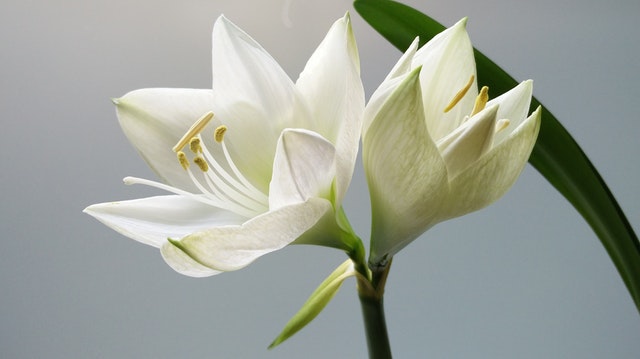
The white ginger lily (Hedychium coronarium) grows from thick underground rhizomes and sends up broad, lance-shaped leaves on upright canes that reach 1.5–2 meters tall. Flowers emerge in late summer and continue into early autumn — pure white, butterfly-shaped, and intensely fragrant. According to Wikipedia, it is the national flower of Cuba and carries cultural significance across tropical Asia. For Indian gardeners, it's a natural fit: it loves heat, handles partial shade, and bounces back from seasonal neglect with impressive resilience.
This guide covers real-world growing scenarios, clears up the most persistent myths, and gives you a practical long-term care plan — whether you're planting in an open bed, large pots, or a terrace garden setup. By the end, you'll know exactly what this plant needs and — just as importantly — what it doesn't.
Contents
White ginger lily follows a clear, predictable seasonal rhythm. In spring, new shoots push up through the soil as temperatures climb. By midsummer, the canes are fully leafed out and imposing — some clumps look almost architectural when mature. Flowers arrive in late summer through early autumn, and the fragrance during peak bloom fills the surrounding area in a way few ornamentals can match.
After flowering, the plant slows down and the foliage yellows as temperatures drop. This is not decline — it's the plant directing energy back into the rhizomes for the following season. The cycle repeats without any intervention from you. That self-sufficiency is one of the most underrated qualities of this plant.
Most first-year failures come from one of two extremes: too much water or too little sun. White ginger lily needs consistently moist but well-drained soil. Standing water around the rhizomes causes rot quickly — sometimes within a week of continuous waterlogging. But dry soil during peak growth stunts flowering just as badly; plants that dry out regularly may grow plenty of leaves but never produce a single bloom.
The other common mistake is planting in full shade. White ginger lily needs at least 4–6 hours of indirect or morning sun daily. Dense shade cuts flowering significantly, even in plants that are otherwise healthy and well-fed. Position it where it receives morning light with afternoon protection from harsh western sun, particularly during the hottest part of summer.
Pro tip: If your white ginger lily grew tall canes but produced no flowers, insufficient light is almost always the cause — move the clump to a brighter position before the next growing season begins.
Gardeners often confuse white ginger lily with tuberose, bird of paradise, or common culinary ginger (Zingiber officinale). They share some visual similarities, but they differ significantly in care requirements and garden behavior. The table below captures the most important distinctions so you can make an informed decision about what belongs in your space.
| Plant | Light Requirement | Soil Preference | Fragrance | Bloom Season | Cold Tolerance |
|---|---|---|---|---|---|
| White Ginger Lily | Partial sun (4–6 hrs) | Moist, well-drained loam | Strong, sweet | Late summer–autumn | Moderate (rhizomes survive mild frost) |
| Tuberose (Polianthes tuberosa) | Full sun (6+ hrs) | Well-drained sandy loam | Very strong, floral | Mid-summer | Low (lift bulbs before frost) |
| Bird of Paradise | Full sun | Sandy, fast-draining | None | Spring–summer | Low |
| Common Culinary Ginger | Partial shade | Rich, moist, loamy | Mild root scent only | Rarely flowers | Low–moderate |
If you have a partially shaded garden border, a boundary wall with dappled light, or a covered terrace section, white ginger lily outperforms all of the above options. It handles lower light levels than tuberose or bird of paradise, produces flowers reliably across Indian conditions, and its fragrance is genuinely exceptional — richer and longer-lasting than anything common ginger ever achieves.
For small containers, tuberose is more space-efficient. But for large pots, raised beds, or open garden borders, white ginger lily delivers more visual and sensory impact per square foot than almost any comparable ornamental. If you're already thinking about mulching your beds, note that white ginger lily responds especially well — mulch keeps rhizomes cool and locks in the moisture these plants need through summer. Read our detailed guide on mulching your garden for material comparisons and practical application methods.
White ginger lily is vigorous, but it is not invasive in the way mint or running bamboo can be. The rhizomes spread slowly outward from the original clump — typically 20–30 cm per season under ideal conditions. You can control this completely by dividing the clump every 2–3 seasons and replanting only the sections you want.
In containers, spread is naturally limited by pot size. In garden beds, a simple physical border keeps the clump contained without any chemical intervention. Dividing your clump regularly actually improves flowering — overcrowded rhizomes compete for water and nutrients, and the result is more foliage but fewer and smaller blooms over time. Division is maintenance, not a drastic measure.
This plant is far less demanding than its dramatic appearance suggests. Once established — typically after the first full growing season — it handles moderate dry spells, recovers from missed feedings, and bounces back reliably after hard seasonal cutbacks. Here's what it genuinely needs versus what it merely tolerates:
The plant sends you clear signals before real damage sets in. Yellowing lower leaves mid-season usually means overwatering, not drought. Brown leaf tips usually indicate low humidity or salt build-up from synthetic fertilizers. Read the signals and respond to them — you don't need to hover.
Warning: Root rot is the one thing white ginger lily will not recover from easily — always plant in raised beds or containers with proper drainage holes, and never allow the root zone to stay waterlogged.

Start with the right foundation. White ginger lily performs best in rich, loamy soil with good organic matter content and reliable drainage. If you're working with compacted clay or sandy garden soil, amend it thoroughly before planting. Our guide on how to prepare potting soil at home in India walks through the amendment principles in detail — they apply directly to in-ground beds with minor adjustments for scale.
Watering comes down to one simple rule: keep the soil consistently moist but never soggy during active growth. A finger check at 5 cm depth tells you everything — if it's dry, water deeply; if still moist, wait another day. During dormancy, reduce watering to just enough to prevent rhizomes from desiccating completely, roughly once every two to three weeks.
For feeding, follow this schedule to maximize bloom output:
Avoid high-nitrogen fertilizers during the flowering phase. Excess nitrogen drives lush leafy growth at the direct expense of blooms — a common reason plants look impressive but never flower well.
Divide rhizomes every 2–3 seasons in late winter or very early spring, just before new shoots emerge. Dig up the entire clump, separate healthy sections with a clean, sharp knife, and replant pieces with at least one visible growth node. Discard any soft, discolored, or mushy sections immediately — rot spreads from damaged rhizomes to healthy ones quickly.
Mulching is one of the highest-return habits in white ginger lily care. A 5–7 cm layer of organic mulch — composted bark, dry leaves, or coconut coir — over the root zone retains moisture through summer heat, suppresses competing weeds, and moderates soil temperature through both seasonal extremes. Apply it after planting and refresh it each season. The combination of good drainage and consistent mulching dramatically reduces your active watering needs during the driest months.
When dormancy arrives and foliage collapses, cut the canes back to about 10 cm above ground. Leave the rhizomes undisturbed unless you're dividing. In areas where temperatures drop below 5°C, a generous mulch layer over the root zone provides sufficient insulation for rhizome survival through winter without lifting or storing them.
Plant white ginger lily rhizomes in spring — after the last cold snap and once soil temperatures are consistently above 18°C. This gives the rhizomes the maximum warm growing period before the following season's flowers arrive. Autumn planting is possible but produces slower establishment and increases rot risk in cold, wet soils.
For pruning, the correct time is after the flowering stems have fully finished and foliage begins to yellow naturally. Cutting green canes early removes the energy pathways the plant uses to recharge its rhizomes for next season. Wait until at least 70–80% of the foliage has yellowed before cutting back. During the bloom period, deadheading spent flower clusters — removing just the flower head without cutting the cane — is fine and keeps the plant looking tidy without disrupting the energy cycle.
White ginger lily is also an excellent pollinator plant during bloom season. Its heavy nectar load and intense fragrance draw bees and butterflies consistently through late summer. If you're actively working to attract bees and pollinators to your garden, placing a mature white ginger lily clump near vegetable beds creates a reliable and fragrant pollinator magnet exactly when summer crops need it most.
More attention is not always better. These are the clearest signals that you're pushing too hard:
The best long-term approach is observation over intervention. Watch the plant's signals — leaf color, growth rate, flowering output — and respond to what you actually see rather than following a rigid schedule regardless of conditions.
Also watch for occasional pest pressure. Spider mites and aphids appear during dry, hot spells. A strong blast of water dislodges both effectively. For persistent outbreaks that are spreading through the broader garden, our guide on common plant diseases and organic treatments covers several pest management protocols that apply directly to ornamentals like white ginger lily — without reaching for synthetic chemicals first.
During active growth, water deeply whenever the top 5 cm of soil feels dry — typically every 2–3 days in hot weather and once a week during cooler periods. During dormancy, reduce watering to once every 2–3 weeks, just enough to prevent the rhizomes from drying out completely. Never let water pool around the root zone for more than 48 hours.
Yes, it grows well in large containers — use a minimum pot size of 40 cm diameter and 35 cm deep with drainage holes. Choose a rich, well-draining potting mix and expect to water and feed more frequently than in-ground plants. Repot and divide every 2 seasons to prevent rhizomes from overcrowding the container, which will reduce flowering.
The three most common causes are insufficient light, excess nitrogen fertilizer, and overcrowded rhizomes. Move the plant to a position with 4–6 hours of morning sun, switch to a phosphorus-heavy fertilizer during the growing season, and divide the clump if it hasn't been divided in more than 3 seasons. Address all three before concluding the plant has a more unusual problem.
White ginger lily is generally considered non-toxic to humans. However, the rhizomes and plant parts can cause mild gastrointestinal irritation in pets — particularly dogs and cats — if ingested in significant quantities. As a precaution, keep young children and pets away from the rhizomes during planting or division, and wash hands thoroughly after handling them.
 |
 |
 |
 |

About Truman Perkins
Truman Perkins is a Detroit-based SEO consultant who's been in the business for over a decade. He got his start helping friends and clients get their websites off the ground, and he continues to do so today. In his free time, Truman enjoys learning and writing about gardening - something he believes is a natural stress reliever. He lives with his wife, Jenny, and their twins in Detroit.


Get new FREE Gifts. Or latest free growing e-books from our latest works.
Disable Ad block to reveal all the links. Once done, hit a button below
|
|
|
|
 rinjal