A neighbor of mine planted 50 teak saplings on a modest plot near Nagpur about a decade ago. He watered them occasionally, kept weeds back, and mostly left them alone. Today, those trees are worth more than his house. If you've been wondering which are the most profitable trees to grow in India, this guide covers exactly that — real species, real returns, and a practical plan to get started. Browse more growing resources at our plants, herbs and farming section.
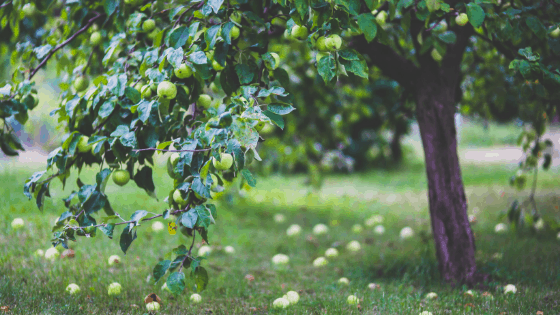
Tree farming in India has quietly become one of the most reliable forms of passive agricultural income. Unlike seasonal crops that demand constant attention, timber and fruit trees need relatively low maintenance once established. You plant, you tend, you wait — and the compounding value does the rest.
The challenge is knowing which trees are worth your land, your water, and your patience. Not every species marketed as "high-value" performs well in every region or soil type. That's exactly what this guide breaks down for you.
Contents
India imports significant volumes of timber every year, which means domestic tree farmers face less market competition than most people expect. According to Wikipedia's overview of agroforestry, integrating trees with agricultural crops can improve soil health, reduce erosion, and create multiple income streams from the same piece of land.
Key benefits of growing trees for profit in India:

India's diverse climate means no single tree is profitable everywhere. Your region determines your best options:
Always check your district's agro-climatic zone before you invest in saplings. A wrong match between species and climate can cost you years of effort.
Many people assume tree farming requires several hectares. That's simply not true. Even a 0.25-acre plot can support 40–60 trees of a fast-growing variety like bamboo or moringa. Some farmers grow trees on the bunds (edges) of paddy fields, turning unused margins into productive land. Small plots can still generate meaningful income — you just need to pick your species strategically.
Pro tip: If space is limited, prioritize high-value species like sandalwood or moringa over bulk timber — you earn more return per square foot of land.
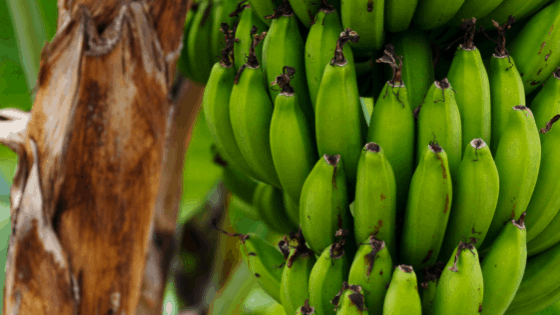
Teak and sandalwood get all the attention, but they're far from your only options. Fruit trees like guava and mango produce income within 3–5 years. Bamboo starts generating returns in just 3 years. Moringa can be harvested for leaves, pods, and seeds within the first year. Don't overlook what appear to be slower species either — trees that take longer to mature, much like the slowest growing plants in the world, often command the highest per-kilogram prices precisely because supply is limited.
Before you buy a single sapling, work through these questions honestly:
Good soil preparation before planting gives your saplings a significant head start, especially if you are working with degraded or nutrient-poor land.
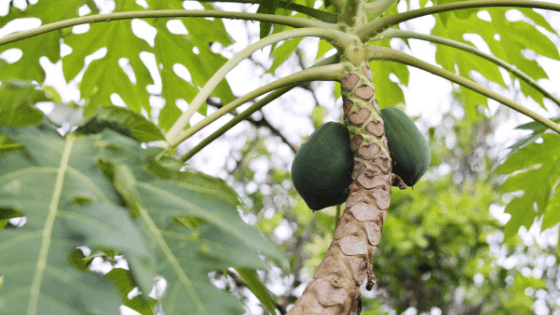
Here is a full breakdown of the best profitable trees to grow in India, organized by category. Each tree listed below has a proven domestic or export market and suits Indian growing conditions across one or more regions.
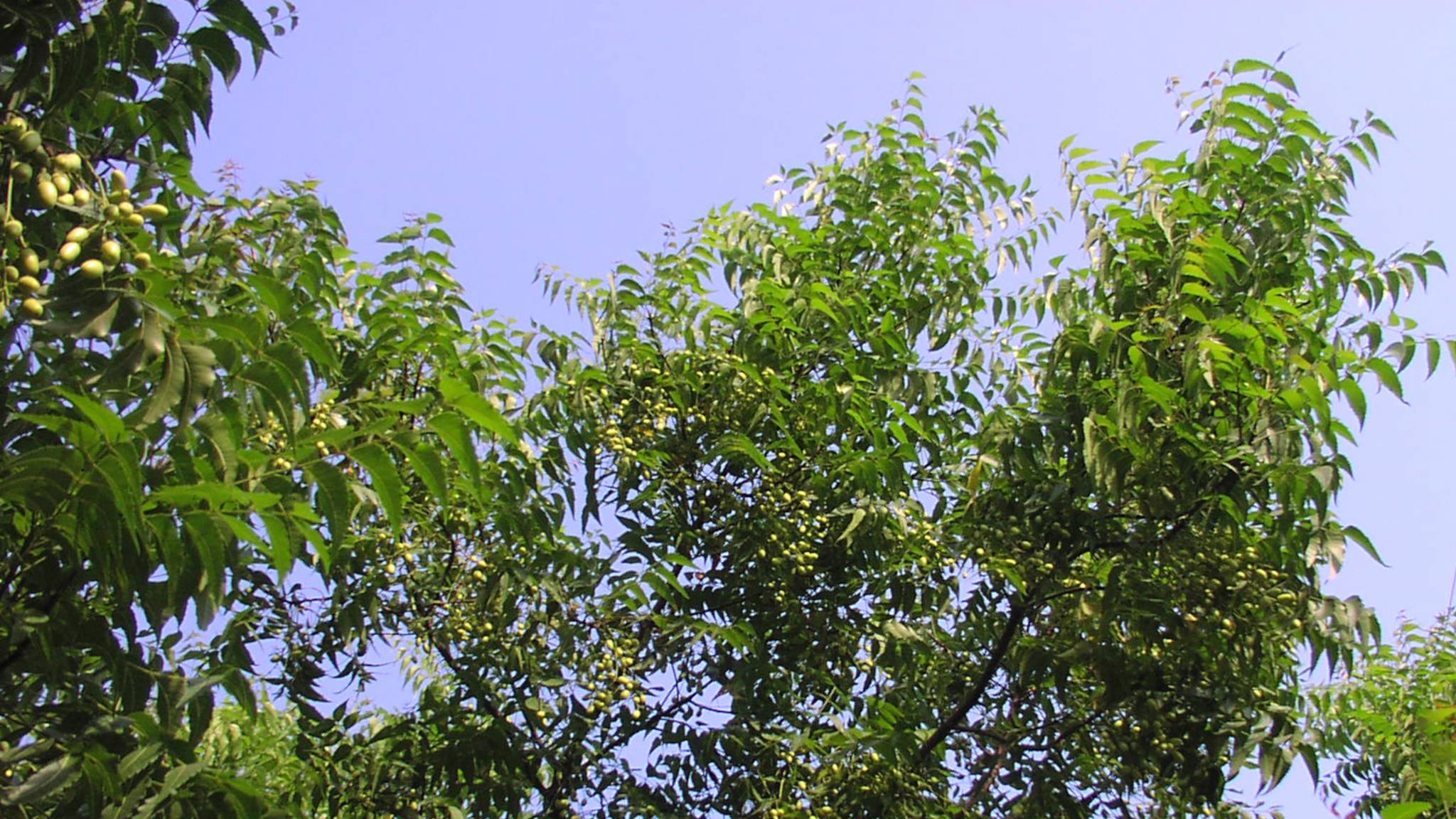
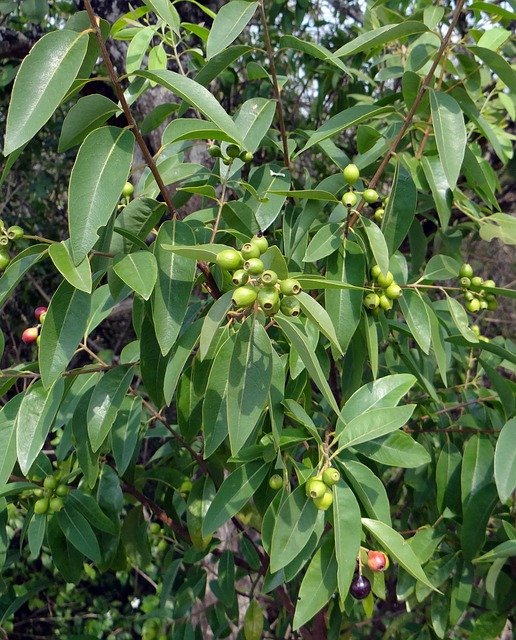
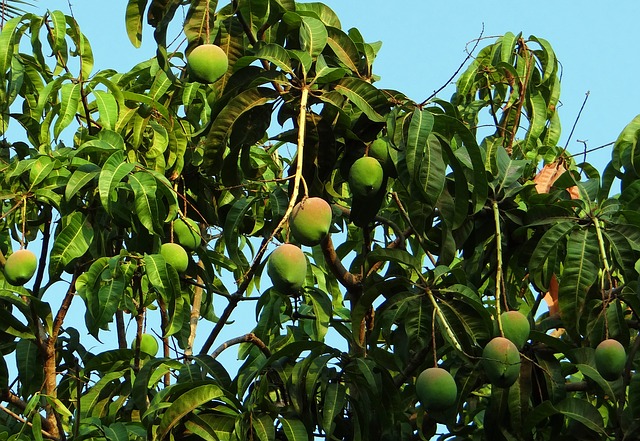
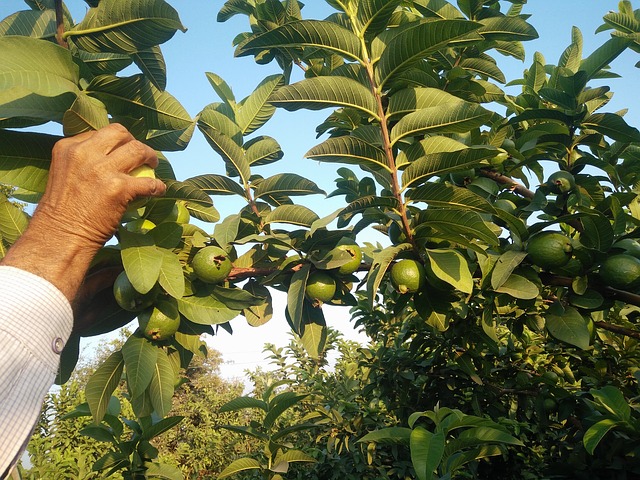
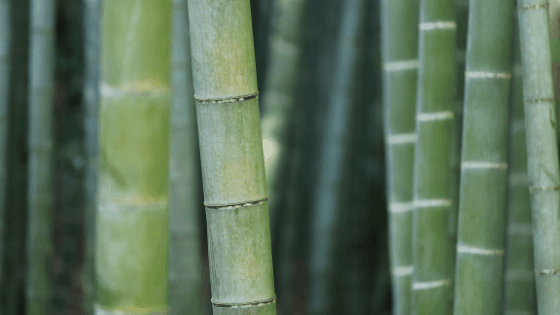
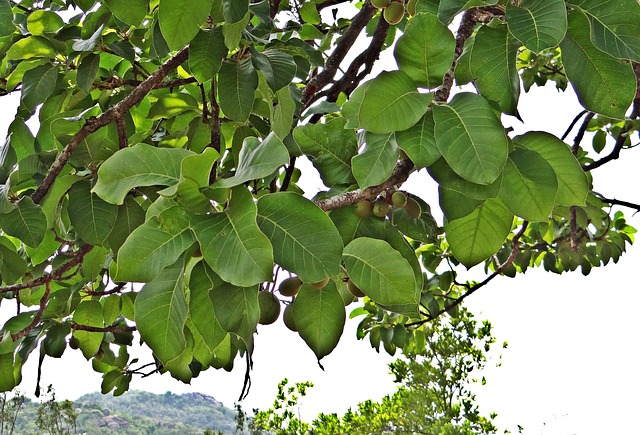
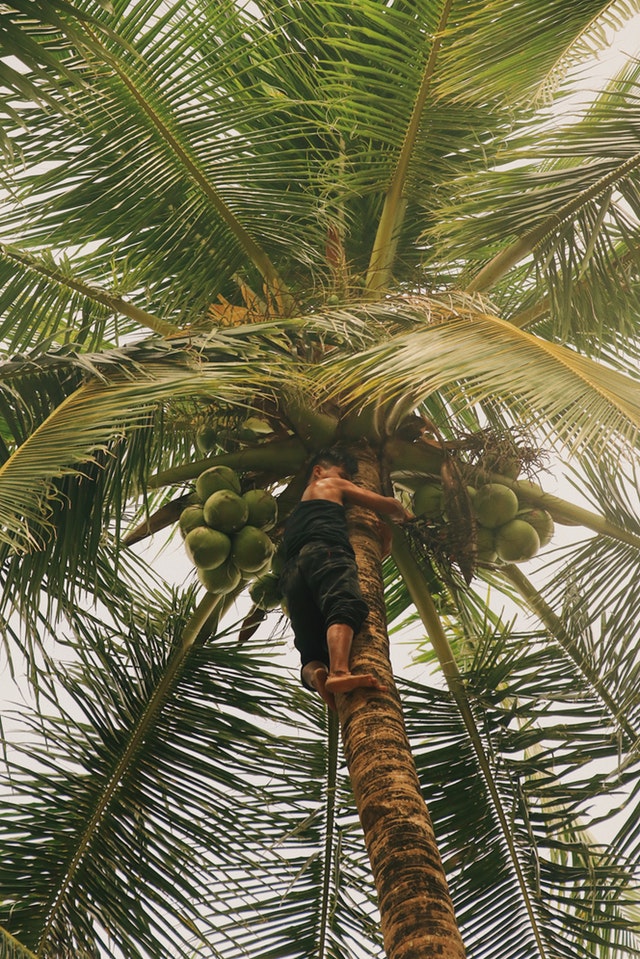
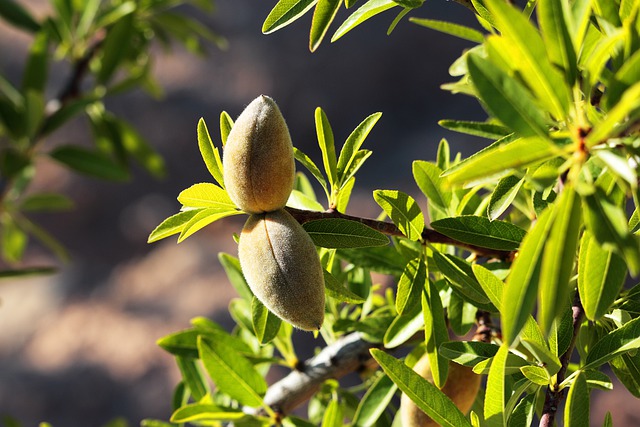
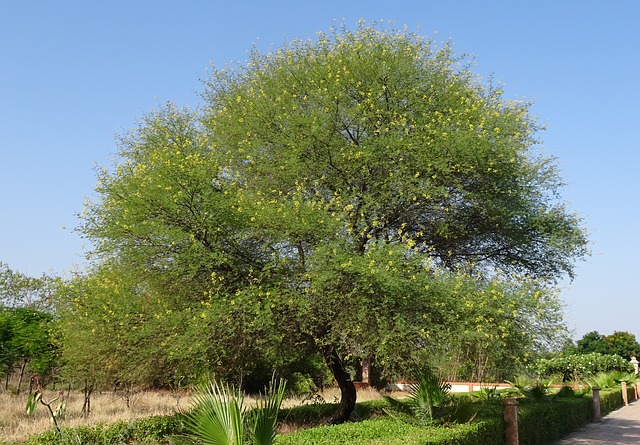
Use this quick-reference table to compare key specs across the most popular species:
| Tree | Years to First Income | Primary Market | Best Region | Maintenance Level |
|---|---|---|---|---|
| Teak | 15–20 | Furniture, construction timber | Central and South India | Low |
| Sandalwood | 15–20 | Perfume, Ayurveda, export | Karnataka, AP, Tamil Nadu | Medium |
| Bamboo | 3 | Construction, paper, biomass | All zones | Very Low |
| Mango | 3–5 | Fresh fruit, processing | UP, MP, Maharashtra | Low |
| Coconut | 5–7 | Oil, fiber, shell products | Kerala, coastal India | Low |
| Moringa | 0.5–1 | Leaf powder, pods, seeds | Dry and semi-arid zones | Very Low |
| Paulownia | 5–7 | Timber, plywood export | North and Central India | Low |
| Eucalyptus | 5–7 | Paper pulp, poles, fuel | High-rainfall zones | Very Low |
| Almond | 4–5 | Premium nut trade, export | Himachal Pradesh, J&K | Medium |
| Neem | 5 | Pesticide, pharma, cosmetics | All dry zones | Very Low |
You don't need expensive equipment to start. These are the practical essentials:
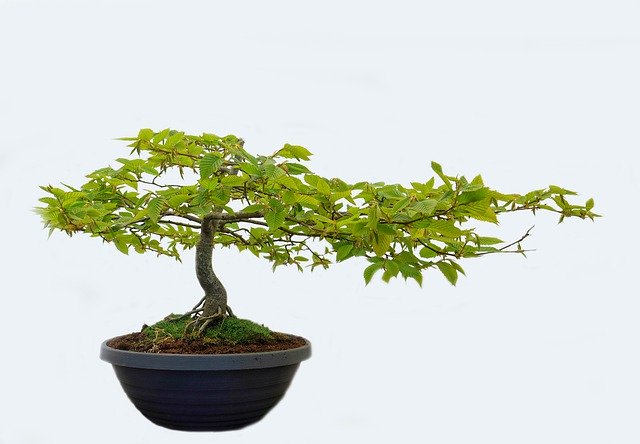
Even enthusiasts who practice ornamental tree growing — like bonsai — share one key insight with commercial farmers: a tree's root health determines its long-term canopy strength. Invest in root zone management from day one, and the tree will reward you for years.
Trees are more forgiving than annual crops, but smart inputs during the first few years dramatically improve both speed of growth and final timber or fruit quality:
The hardest part of tree farming is the waiting. You invest now and earn later. Intercropping solves this. Plant short-duration crops between young trees to keep cash flowing while timber matures.
Good intercrops for tree farms by canopy stage:
Growing the trees is only half the equation. Knowing where to sell is equally important:
Track market rates regularly. Timber values shift with construction cycles. Nut and fruit prices move with weather and seasonal demand. Building buyer relationships before your harvest is just as important as planting the right species.
Moringa delivers the fastest income — you can harvest leaves within 6–8 months of planting. Among timber trees, Paulownia and Eucalyptus are the fastest, reaching harvestable size in 5–7 years. Bamboo is also exceptionally fast, with the first culm harvest possible in 3 years.
Yes, you can grow sandalwood on private agricultural land in most states. However, regulations around felling and transporting sandalwood vary significantly by state. Karnataka and Andhra Pradesh have relatively relaxed rules for private growers, but always verify current state forest department regulations before you plant or plan to sell.
You can start with as little as 0.25 acres. A quarter-acre plot supports around 40–60 bamboo clumps or 25–30 teak trees at proper spacing. For sandalwood, even a small plot of a dozen trees can yield significant value after 15–20 years. Focus on species selection over land size when starting out.
Fruit trees are your best option for annual income. Mango, guava, coconut, amla, and jackfruit all produce regular annual harvests once mature. Moringa produces leaves and pods continuously. Bamboo yields annual culm harvests after the third year. Mixing these with timber trees gives you both steady cash flow and long-term wealth building.
Bamboo was reclassified as a grass — not a tree — under the Indian Forest Act, 2017 amendment. This means bamboo grown on non-forest private land can be felled and transported without a transit permit in most states. This makes it one of the most commercially accessible high-value crops for small landowners.
Neem, babul (Acacia nilotica), moringa, and prosopis are well-suited to dry and arid zones. Moringa in particular thrives in low-rainfall areas and can be irrigated minimally once established. Neem and babul require almost no irrigation once past the first year and still produce commercially valuable outputs including seeds, gum, and timber.
Estimates vary widely, but a well-managed teak plantation at standard density (400–500 trees per acre) can yield gross revenue of ₹40–₹80 lakhs per acre at harvest after 15–20 years, depending on timber quality and market conditions at the time of sale. This works out to roughly ₹2–₹4 lakhs per year on an annualized basis — without accounting for inflation in timber prices over time.
Yes. The National Agroforestry Policy and various state schemes offer subsidies, free saplings, and technical support for tree farming. The National Bank for Agriculture and Rural Development (NABARD) also provides financing for agroforestry projects. Check with your district agriculture office or state forest department for current schemes applicable to your region.
Tree farming is one of the few agricultural paths where patience genuinely pays off — and the good news is you don't need a large farm or a big budget to start. Pick two or three species that match your region, prepare your soil well, and plant this season. Visit our plants, herbs and farming section for more practical guides to help you build a productive and sustainable growing space, whether you're farming half an acre or a full field.
 |
 |
 |
 |

About Christina Lopez
Christina Lopez grew up in the scenic city of Mountain View, California. For eighteen ascetic years, she refrained from eating meat until she discovered the exquisite delicacy of chicken thighs. Christina is a city finalist competitive pingpong player, an ocean diver, and an ex-pat in England and Japan. Currently, she is a computer science doctoral student. Christina writes late at night; most of her daytime is spent enchanting her magical herb garden.


Get new FREE Gifts. Or latest free growing e-books from our latest works.
Disable Ad block to reveal all the links. Once done, hit a button below
|
|
|
|
 rinjal