reviewed by Christina Lopez
Mosquitoes are responsible for more than 700,000 human deaths every year — a figure that makes them the deadliest animals on Earth, according to the World Health Organization. Yet the solution doesn't always require synthetic sprays or chemical coils. Mosquito repellent indoor plants offer a practical, affordable line of defense that most households already have the space to grow. Our team at Trinjal has spent considerable time researching and testing which plants and natural remedies genuinely move the needle, and the findings are both practical and grounded in real plant chemistry. For anyone building a broader foundation in plant-based pest management, our plants, herbs, and farming guides are an excellent starting point.
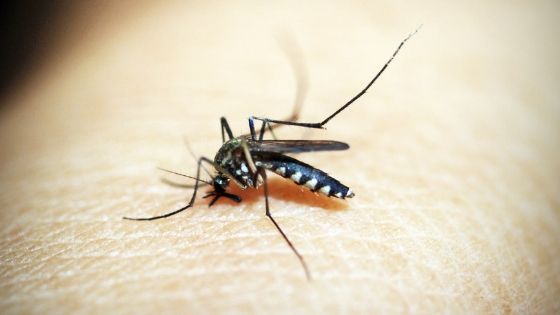
The chemistry here is real. Plants like citronella, catnip, and lemon balm produce volatile compounds — citronellal, nepetalactone, linalool — that interfere with mosquitoes' host-detection systems at close range. These aren't decorative side effects. They're the primary reason these species evolved these compounds in the first place, and peer-reviewed research consistently confirms their effectiveness when the plants are active and well-maintained. The challenge most home growers face isn't finding the plants — it's knowing how to deploy them indoors for maximum impact and how to pair them with complementary natural remedies.
This guide covers the best species for indoor growing, how to care for them properly, how to layer them with simple natural remedies, and how our team structures a defense system that holds up through peak mosquito season. Whether someone is starting with a single windowsill pot or setting up a dedicated indoor pest-control garden, there's a clear, actionable path forward here.
Contents
Mosquitoes locate hosts primarily through carbon dioxide, body heat, and skin-emitted chemicals. What many plants do is flood that sensory environment with volatile organic compounds that overwhelm or mask those attractant signals. Citronellal and geraniol — found in citronella grass and scented geraniums — are among the most studied. Catnip produces nepetalactone, a compound that some studies suggest is roughly ten times more effective than DEET at repelling mosquitoes in lab conditions. Linalool, found in lavender, works through a similar masking mechanism.
The key distinction our team emphasizes is that these compounds work best when the plant's oils are actively volatilizing. Crushing or brushing leaves releases far higher concentrations than simply having the plant sit in a corner. That's a critical piece of context that changes how most people should think about plant placement and use.
Laboratory research provides strong evidence for many of these compounds in controlled conditions. Field effectiveness depends heavily on concentration, ventilation, and proximity. A single potted plant in a large room won't clear the space — but a cluster of three to five plants near a window or entry point creates a meaningful olfactory barrier. Our team treats plants as one layer in a multi-part system rather than a standalone solution, and that framing produces much better real-world results.
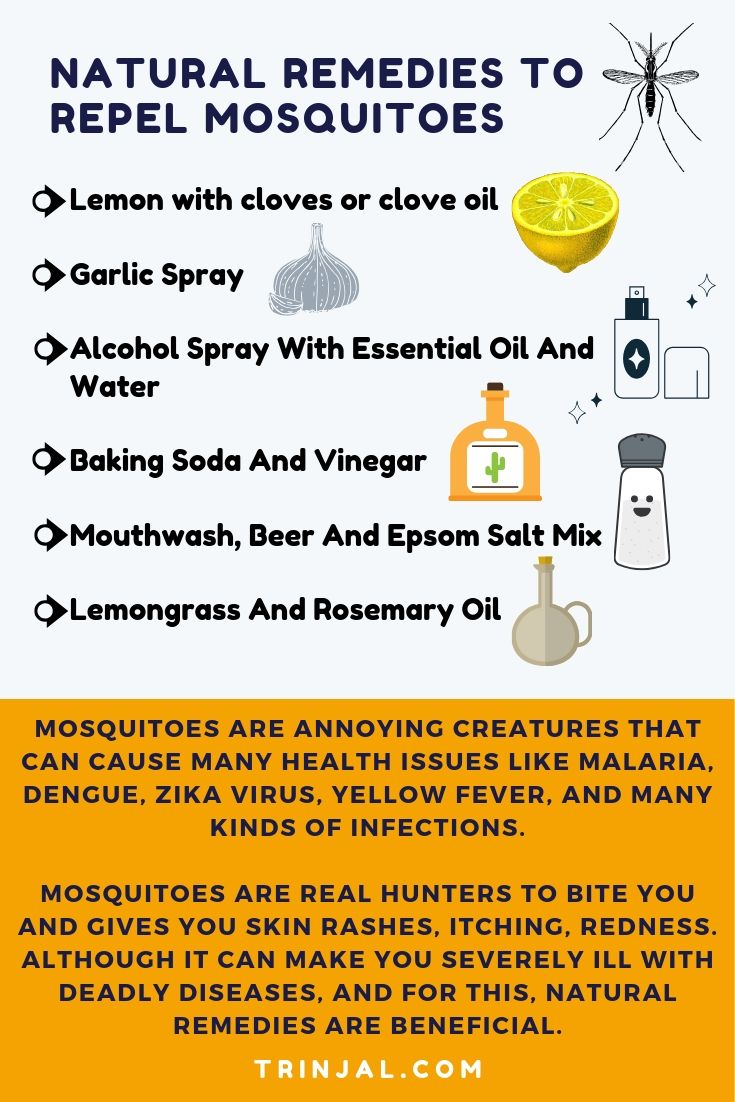
Not every repellent plant thrives indoors. Our team has narrowed the field to species that deliver genuine deterrent activity and adapt well to container growing in typical indoor light conditions.
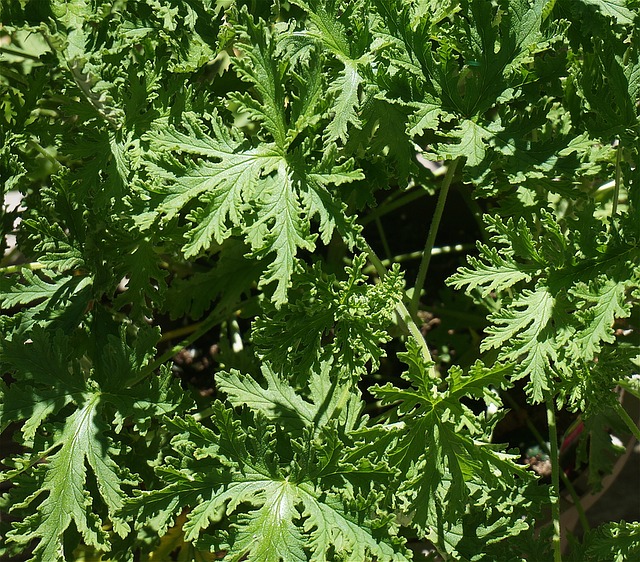
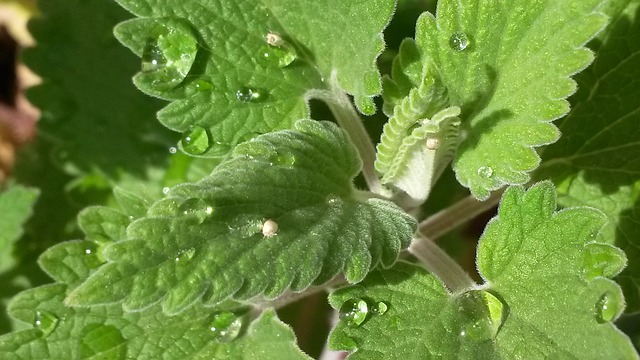
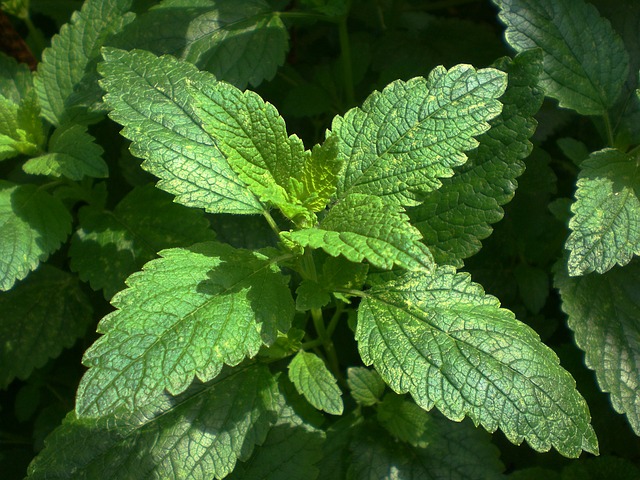
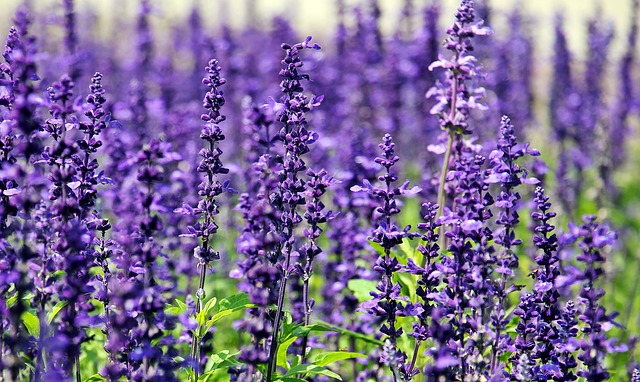
Citronella grass (Cymbopogon nardus) is the benchmark. It grows vigorously in large containers near bright windows and releases its signature scent consistently. Catnip (Nepeta cataria) is a close second — it's compact, fast-growing, and exceptionally potent. Lemon balm offers a gentler citrus scent but grows aggressively and benefits from regular cutting back to keep it contained. Lavender handles indoor growing with consistent bright light and rewards growers with sustained fragrance from its oils.
| Plant | Active Compound | Indoor Suitability | Light Requirement | Repellent Strength |
|---|---|---|---|---|
| Citronella Grass | Citronellal, Geraniol | Large container | Full sun / bright indirect | Very High |
| Catnip | Nepetalactone | Excellent | Bright indirect | Very High |
| Lemon Balm | Citronellal, Linalool | Excellent | Moderate to bright | High |
| Lavender | Linalool, Linalyl Acetate | Good (south window) | Full sun | High |
| Rosemary | Camphor, 1,8-Cineole | Good | Full sun | Moderate–High |
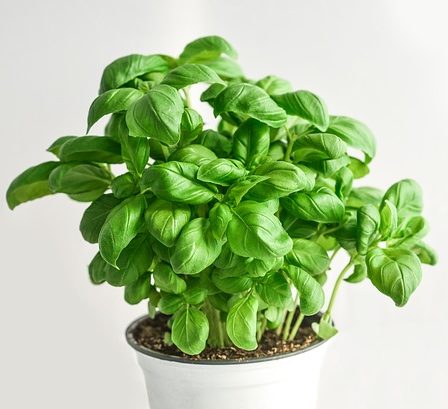
| Basil | Eugenol, Linalool | Excellent | Bright indirect to full sun | Moderate |
| Scented Geranium | Geraniol, Citronellol | Excellent | Bright indirect | Moderate–High |
| Marigold | Pyrethrin, Limonene | Good (windowsill) | Full sun | Moderate |
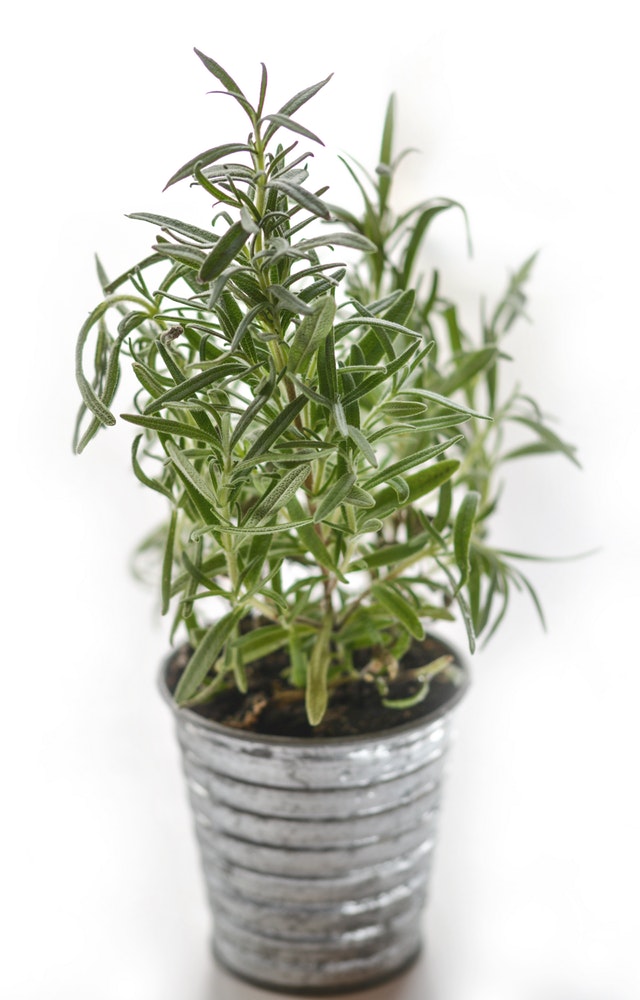
Several of the most effective species are also culinary staples. Rosemary, basil, and sage repel mosquitoes while providing fresh harvests for the kitchen. This dual function makes the investment considerably more worthwhile — and gives most people a practical reason to keep the plants healthy and actively growing year-round. Our guide on medicinal and herbal plants to grow at home covers a wider selection of species worth pairing with these pest-control choices.
A stressed, underwatered plant produces fewer volatile oils. That's the single most important thing to understand about maintaining repellent plants — potency is directly tied to plant health. Most of the species listed above prefer well-draining soil, consistent moisture without waterlogging, and as much bright light as an indoor space can offer. A south-facing window is the first choice. Supplemental grow lighting works well for homes that can't provide adequate natural light.
Soil quality matters more than most people realize. A lean, well-draining mix — something similar to a standard potting mix cut with perlite at a 3:1 ratio — prevents root rot while retaining enough moisture for steady growth. Our team avoids heavy, moisture-retentive mixes for these species. Overwatering is the most common mistake, and it's the fastest route to a plant that smells pleasant but delivers no real deterrent activity.
Pro tip: Gently crushing or brushing the leaves of citronella, catnip, or lemon balm releases a burst of volatile oils — far more effective than simply placing the pot nearby.
Regular harvesting isn't just about using the plant — it actively encourages bushier, more oil-rich growth. Harvesting before flowering captures the peak oil concentration in most herbs. For basil and lemon balm, pinching stem tips every week or two keeps the plant in a vegetative state and significantly extends its useful life indoors. Rosemary and sage can be trimmed back by up to a third at a time without stress. Anyone establishing a serious indoor herb setup will find our complete guide to starting an indoor herb garden useful for the broader framework.
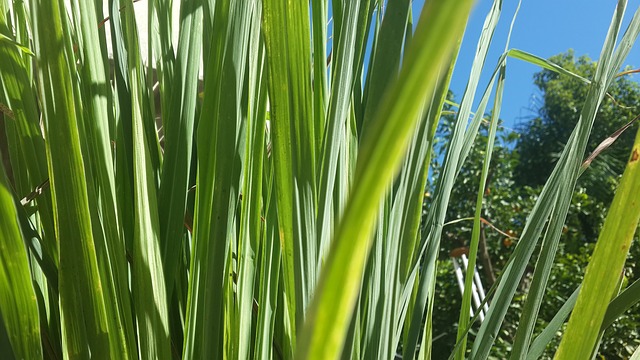
Placement determines how much work these plants actually do. Mosquitoes enter through windows and doors — so that's where the plants belong. Our team positions dense clusters of three to five pots at every primary entry point and near open windows. Grouping plants amplifies the combined volatile output considerably more than spacing them around a room. A bedroom windowsill with two pots of catnip and one of lemon balm provides a noticeably different sleeping environment compared to having no plants at all.
High-traffic areas like living rooms benefit from plants that are visually appealing as well as functional. Scented geraniums and bee balm fit this role well — they're attractive enough to work as decorative plants while still delivering real repellent activity at close range.
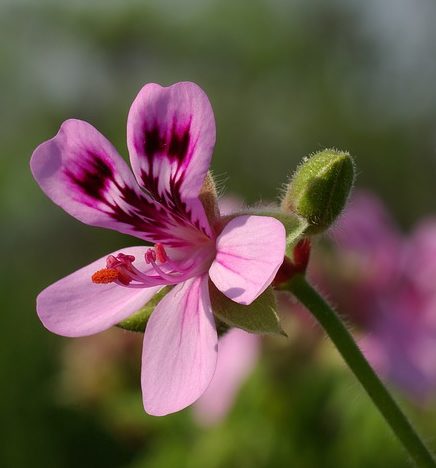
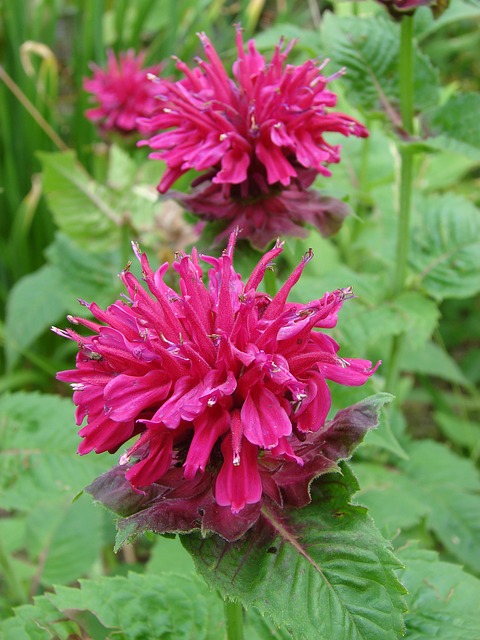
A basic homemade spray extends the reach of these plants beyond their immediate vicinity. The process is straightforward: steep a generous handful of fresh catnip, lemon balm, or citronella leaves in two cups of boiling water for 30 minutes, strain, and transfer the cooled liquid to a spray bottle. Applied to windowsills, curtains, and entry points, this concentrate delivers a dose of volatile compounds where plants can't physically sit.
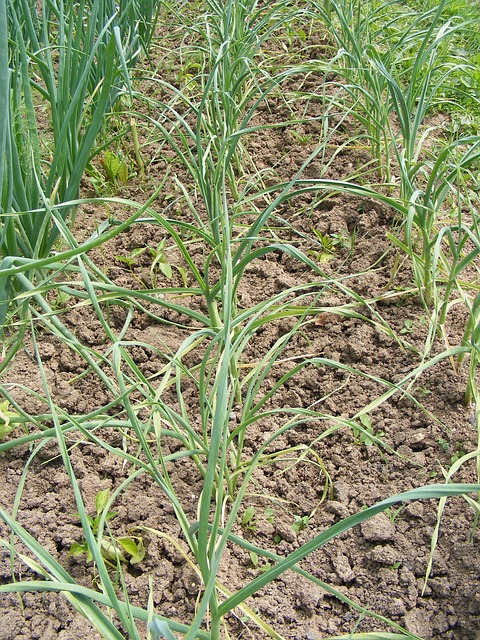
Allium species — ornamental onions and garlic — also contribute meaningfully to an integrated approach. Their sulfur compounds deter many insects including mosquitoes, and they're compact enough to grow on a windowsill with minimal attention.
Not everyone starts a mosquito-control strategy with a full indoor garden. Several natural remedies require nothing more than pantry staples. Coconut oil applied to skin creates a physical barrier and carries its own mild repellent properties — studies show lauric acid deters certain mosquito species. Apple cider vinegar diluted in water and sprayed around window frames alters the local scent environment in ways that mosquitoes find aversive. Neither remedy is a silver bullet, but both layer well with a plant-based approach.


Marigolds deserve a special mention here. They're exceptionally easy to grow, require full sun, and produce pyrethrin — the same compound used in commercial insecticides. Placing a tray of marigolds on a sunny patio or balcony adjacent to an indoor space contributes meaningfully to reducing the local mosquito population before they even reach the window.

Essential oils extracted or purchased from repellent plants take the chemistry to a higher concentration. Lemon eucalyptus oil — derived from Corymbia citriodora — is the only plant-based repellent with CDC-recommended status for protection against disease-carrying mosquitoes. Applied in a carrier oil like coconut or jojoba at a 10–15% dilution, it provides meaningful protection comparable to low-concentration DEET formulations.

Cinnamon oil spray is another advanced option. A 1% solution applied to standing water kills mosquito larvae effectively — a critical upstream intervention for anyone dealing with recurring indoor breeding in plant drip trays or decorative water features. Pennyroyal, while potent, requires careful handling and is not recommended where children or pets are present due to toxicity concerns at higher concentrations.


For those interested in moving beyond sprays into full herbal extracts and tinctures, our guide on making herbal extracts and tinctures covers the extraction techniques that apply equally well to pest-control herbs as to medicinal ones.

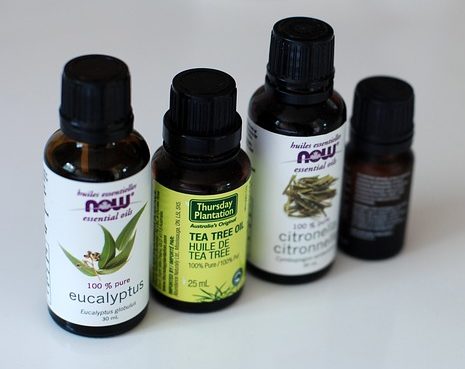
Our team's most effective indoor strategy combines three elements: living plants at entry points, a DIY plant-based spray applied every few days to window frames and curtains, and a citronella or lavender essential oil diffuser running in the evening hours when mosquito activity peaks. None of these elements alone is sufficient. Together, they create overlapping layers of deterrence that are genuinely difficult for mosquitoes to navigate.
Warning: Check plant drip trays weekly — standing water in saucers is one of the most common indoor mosquito breeding sites, and it completely undermines any plant-based defense strategy.
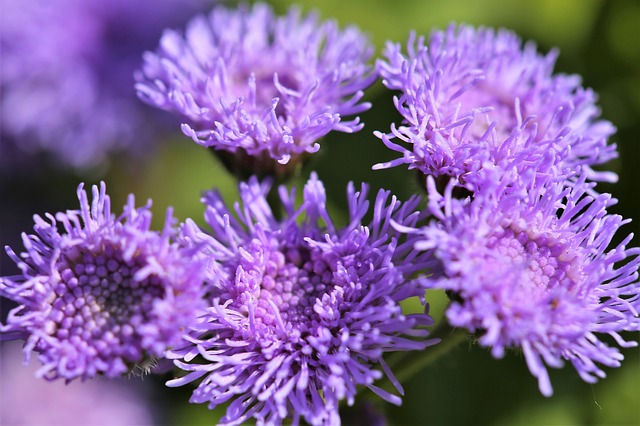
Floss flower (Ageratum houstonianum) is worth adding to this stack. It produces coumarin — a compound with demonstrated mosquito-deterrent properties — and it's compact enough to fit on any windowsill. It's less commonly discussed than citronella or catnip, but our team finds it a reliable addition to a windowsill cluster.
Consistency matters more than variety. Maintaining four healthy, well-positioned plants is more effective than occasionally tending a dozen neglected ones. The other lesson our team has learned is that seasonal rotation helps — rotating species throughout the year keeps the approach fresh and ensures at least some plants are always in peak growing condition. Catnip and lemon balm thrive in cooler months; citronella grass and basil perform best in warmer conditions with more light.
Anyone starting this process should also address the root of the problem: eliminating standing water around the home reduces the local mosquito population before the repellent layer even needs to work. It's the kind of upstream intervention that compounds all of these plant-based strategies significantly.
Catnip (Nepeta cataria) is our top recommendation for small spaces. It's compact, fast-growing, and produces nepetalactone at concentrations that studies suggest surpass DEET in laboratory settings. It performs well in a 6-inch pot on a bright windowsill with minimal care.
Crushing or brushing the leaves releases a significantly higher concentration of volatile oils than an undisturbed plant. Simply having the plant present offers some ambient deterrence, but gentle leaf contact — even from a light breeze through an open window — activates considerably more of the plant's repellent chemistry.
In most situations, plants work best as one layer of a broader strategy rather than a standalone replacement. In low-to-moderate mosquito pressure environments, a well-maintained cluster of five or more plants combined with a DIY spray can reduce indoor mosquito activity to near-zero. In high-pressure environments, pairing plants with lemon eucalyptus oil — the only plant-based option with CDC recognition — provides stronger coverage.
Our team's experience suggests a minimum of three to five pots clustered near entry points produces a measurable difference in a standard bedroom or living room. Spreading a single plant around a large open space produces little detectable effect. Density and placement near windows and doors are the critical factors.
Most species — citronella, lemon balm, rosemary, basil, lavender, and marigold — are safe in a home with pets and children. Pennyroyal is a firm exception: it carries genuine toxicity risks and our team does not recommend it for households with cats, dogs, or young children. Catnip is safe but will attract cats, which can complicate keeping the plant intact.
The volatile compounds in a water-based plant infusion break down relatively quickly, especially in warm or humid conditions. Our team finds that reapplying every two to three days to window frames, entry points, and curtains maintains consistent coverage. Essential oil-based sprays in a carrier oil last longer on surfaces — roughly five to seven days before potency drops noticeably.
 |
 |
 |
 |

About Christina Lopez
Christina Lopez grew up in the scenic city of Mountain View, California. For eighteen ascetic years, she refrained from eating meat until she discovered the exquisite delicacy of chicken thighs. Christina is a city finalist competitive pingpong player, an ocean diver, and an ex-pat in England and Japan. Currently, she is a computer science doctoral student. Christina writes late at night; most of her daytime is spent enchanting her magical herb garden.


Get new FREE Gifts. Or latest free growing e-books from our latest works.
Disable Ad block to reveal all the links. Once done, hit a button below
|
|
|
|
 rinjal