Last summer, I watched my neighbor dump three perfectly healthy tomato plants into the trash because they "burned up" on her west-facing ledge. Meanwhile, my east-facing balcony was bursting with green. That conversation got me thinking about how many people struggle simply because they don't pick the right plants for east facing balcony conditions. If your balcony catches the gentle morning sun and slips into shade by early afternoon, you have one of the best growing situations in container gardening — you just need to know what to put there. Whether you're growing herbs, vegetables, or ornamentals, the options are wider than most people realize.
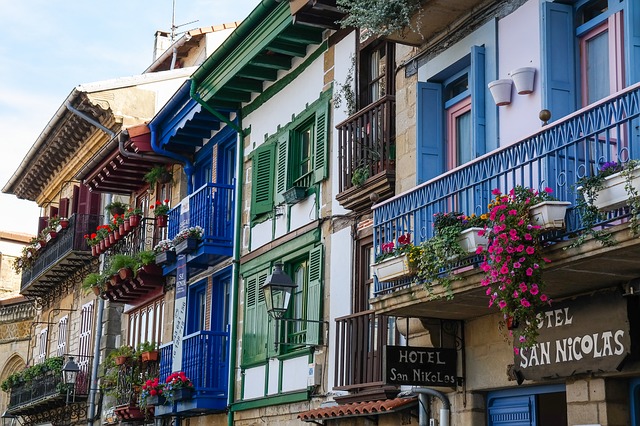
East-facing balconies typically receive four to six hours of direct sunlight before noon. That's enough to fuel flowering plants, leafy greens, and even some fruiting crops — without the scorching afternoon heat that dries out containers in hours. The trick is matching each plant's light appetite to what your balcony actually delivers. Get that right, and you spend less time watering, less money replacing dead plants, and more time enjoying the view.
Below, you'll find the 10 best picks along with real cost figures, care routines, and a few myths that need busting. Everything here comes from hands-on balcony growing, not textbook theory.
Contents
Morning sunlight is cooler and less intense than afternoon sun. Plants photosynthesize efficiently during these hours without the stress of extreme heat. Leaf surfaces stay dry faster after overnight dew or watering, which dramatically reduces fungal diseases like powdery mildew and leaf spot. If you've ever wondered about the difference between direct and indirect sunlight and how it affects growth, an east-facing balcony gives you the best of both — direct light in the morning and gentle indirect light for the rest of the day.
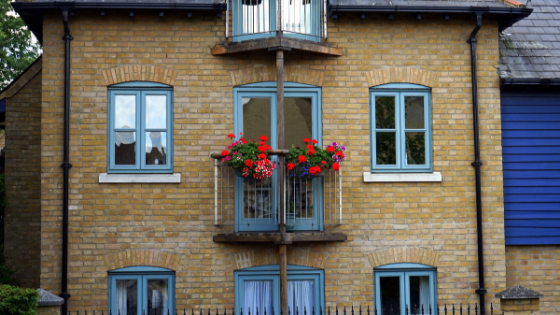
According to the USDA Agricultural Research Service, most vegetable and flowering plants need a minimum of four hours of direct sunlight to produce well. East-facing exposures typically deliver four to six hours, hitting that threshold comfortably. You also avoid the heat buildup that bakes soil in west-facing containers by mid-afternoon.
Apartment dwellers, renters who can't modify their space, and anyone new to gardening all gain the most from east-facing conditions. Your containers dry out slower, so you water less often. Plants that would wilt by 2 PM on a south-facing ledge stay perky all day here. It's forgiving, and forgiving setups build confidence.

Tomatoes are the first plant everyone asks about, and yes, they work on east-facing balconies. Choose compact varieties like cherry tomatoes or determinate bush types. They produce well with five to six hours of morning light, especially when you position them at the railing edge where nothing blocks the sunrise. Pair them with a deep container — at least 12 inches — and you'll get fruit all season. If you're curious about what else you can grow in pots, check out these best veggies for containers.

Spinach is almost foolproof in morning sun. It actually prefers cooler conditions and bolts (goes to seed) quickly under harsh afternoon light. An east-facing balcony gives spinach exactly what it craves: bright but gentle rays followed by protective shade. Sow seeds directly in a wide, shallow container and harvest outer leaves as they mature.

Spring onions are one of the fastest crops you can grow. They germinate in about a week, reach harvest size in three to four weeks, and fit into tiny containers. Tuck a pot of spring onions behind your larger plants where they'll catch a few hours of filtered light — that's all they need.

Green peas climb vertically, making them ideal for balconies where floor space is tight. Install a simple trellis or string net against the wall, and pea tendrils handle the rest. They thrive in the cooler morning light and produce tender pods over several weeks. Pick them regularly to keep the plant pushing out new flowers.

Garlic surprises most balcony growers. You don't need a garden bed. Plant individual cloves two inches deep in a pot, keep the soil lightly moist, and the morning sun does the work. Even if you don't harvest full bulbs, garlic greens are packed with flavor and grow fast.

Pansies are cold-tolerant, bloom in a huge range of colors, and handle partial shade without complaint. They're perfect for adding a splash of life to your balcony during cooler months when other plants slow down. Deadhead spent blooms once a week and they'll keep flowering for months. For more shade-friendly color ideas, here's a helpful list of colourful flowers that grow in shade.

Nemesia is underrated. These compact flowers produce clusters of blooms that look far more expensive than they are. They perform brilliantly in morning sun and cool afternoon shade, exactly the conditions your east-facing balcony provides. Look for trailing varieties to spill over railing planters.

Lilies bring dramatic height and fragrance. Asiatic lilies in particular do well with four to six hours of sun. Plant bulbs in deep pots, keep them in the sunniest corner of your balcony, and wait for the show. They die back after blooming but return reliably each season.

Ferns round out the list because they fill the shaded corners where nothing else wants to grow. Hang a Boston fern or bird's nest fern near the back wall of your balcony, and it thrives on the indirect light bouncing off nearby surfaces. They also improve air quality. If you're drawn to greenery indoors too, you might enjoy these top decorative indoor plants.


One of the biggest barriers to starting a balcony garden is the assumption that it's expensive. It doesn't have to be. Here's a realistic breakdown of what you'll spend per plant, including container and soil.
| Plant | Container Cost | Soil + Seed/Seedling | Total per Plant |
|---|---|---|---|
| Tomato (cherry) | ₹80–150 | ₹50–100 | ₹130–250 |
| Spinach | ₹60–100 | ₹30–50 | ₹90–150 |
| Spring Onions | ₹40–80 | ₹20–40 | ₹60–120 |
| Green Peas | ₹60–100 | ₹30–50 | ₹90–150 |
| Garlic | ₹50–80 | ₹20–40 | ₹70–120 |
| Pansy | ₹60–100 | ₹40–80 | ₹100–180 |
| Nemesia | ₹60–100 | ₹50–90 | ₹110–190 |
| Lily (Asiatic) | ₹100–200 | ₹80–150 | ₹180–350 |
| Fern (Boston) | ₹80–150 | ₹60–120 | ₹140–270 |
A full east-facing balcony garden with all ten plants costs roughly ₹1,000 to ₹2,000 if you start from seeds and reuse household containers. That's less than a single restaurant meal for a setup that produces food and flowers for months.
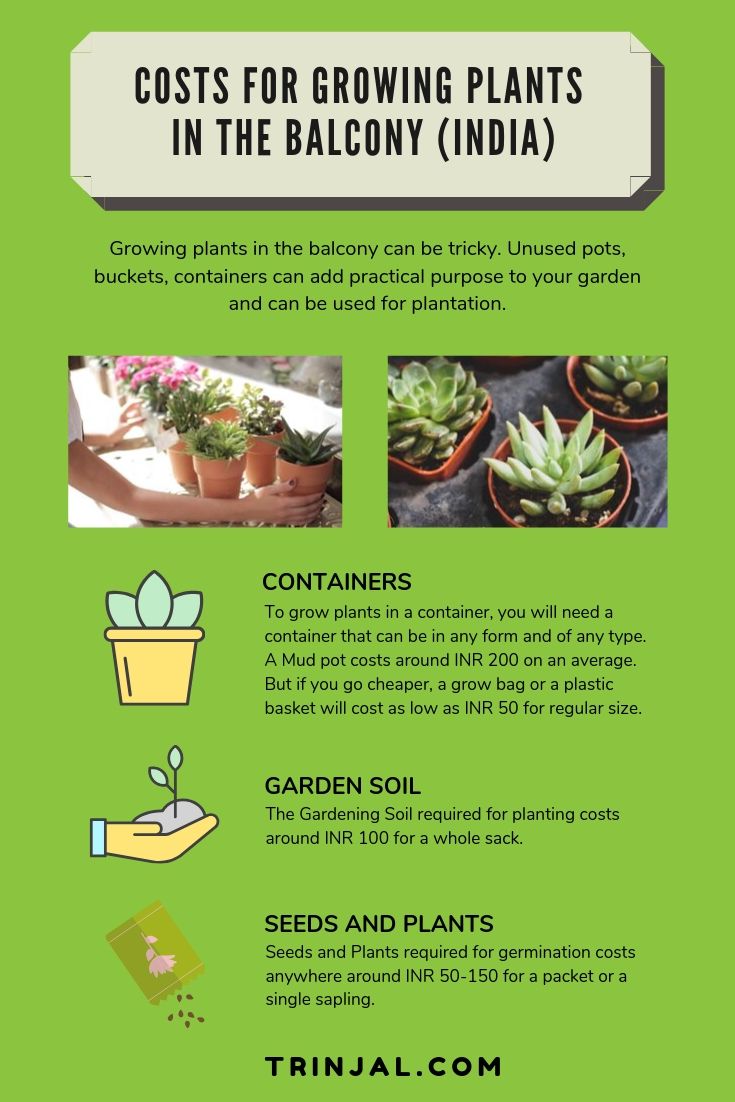
Old paint buckets, food-grade tins, and even thick plastic bags work as containers — just drill drainage holes. Buy potting mix in bulk rather than small bags. Compost from kitchen scraps cuts your soil costs by half and feeds plants better than most store-bought fertilizers. Save seeds from your first harvest of peas and spinach for the next round. The biggest expense is always the first season; everything after that costs a fraction.
Place your tallest plants — tomatoes, peas on a trellis, lilies — at the railing or outer edge of the balcony. They get the first and strongest light. Shorter plants like spinach and spring onions go behind or below them, where they still catch plenty of brightness without competing. Group plants with similar water needs together. Tomatoes and peas drink heavily. Ferns and garlic prefer drier conditions. Keeping them apart saves you from overwatering one group to satisfy another.
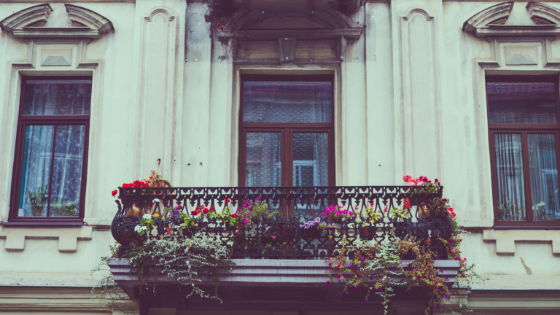
Water your plants first thing in the morning, before the sun hits them. This gives roots time to absorb moisture before the soil surface starts drying. On an east-facing balcony, containers dry out about 30 percent slower than on south- or west-facing ones. That means you often only need to water once a day, sometimes every other day during cooler weather. Stick your finger an inch into the soil — if it feels dry, water; if damp, wait. Understanding the right potting soil and its shelf life also helps you avoid drainage problems down the line.
You don't need to spend hours on maintenance. A quick five-minute check each morning covers everything. Look for yellowing leaves (usually overwatering or nutrient deficiency), check for pests on leaf undersides, and remove any dead or spent blooms. Feed your plants once every two weeks with a balanced liquid fertilizer diluted to half strength. That single habit — regular, diluted feeding — makes the biggest difference between a struggling balcony garden and a thriving one.
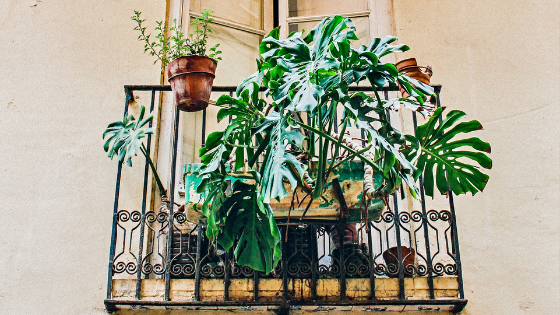
Your east-facing balcony isn't a one-season space. Rotate crops and flowers based on the weather. During cooler months, lean into spinach, peas, pansies, and garlic — they all prefer mild temperatures. When it warms up, shift to tomatoes, nemesia, and lilies. Ferns and spring onions work across all seasons, making them reliable anchors for your layout. Swap out tired soil every two to three cycles, or top-dress with fresh compost to keep nutrients available. Growing fruit is another possibility once you're comfortable — here are the easiest fruits to grow in pots if you want to expand.
This is the most common misconception. People assume that because an east-facing balcony gets shade in the afternoon, it's unsuitable for productive gardening. That's wrong. Four to six hours of morning sun is classified as partial sun — and dozens of edible and flowering plants thrive in exactly that range. You're not limited to shade plants. Tomatoes, peas, and herbs all produce well here. The key is picking varieties bred for compact growth and moderate light, not full-sun hybrids designed for open fields.
Another myth that stops people from even trying. Pansies, nemesia, and many lily varieties bloom generously with morning-only sun. In fact, some flowers last longer in partial sun because intense heat accelerates petal drop. Your blooms hold their color and shape for extra days when they're sheltered from harsh afternoon rays. The garden centers that sell you "full sun only" labels are speaking in broad strokes — your east-facing balcony tells a different story once you actually plant something and watch it grow.
Most east-facing balconies receive four to six hours of direct morning sunlight, depending on surrounding buildings and the time of year. This qualifies as partial sun, which is enough for a wide range of vegetables, herbs, and flowering plants.
Yes. Cherry tomatoes and determinate bush varieties do well with five to six hours of morning light. Place them at the outer edge of your balcony where they catch the earliest rays, and use a deep container of at least 12 inches for healthy root growth.
Use a well-draining potting mix — not garden soil, which compacts in containers and suffocates roots. A mix of cocopeat, compost, and perlite works well for most balcony plants. Replace or refresh your soil every two to three growing cycles to maintain nutrients and drainage.
Once a day in warm weather, every other day in cooler seasons. East-facing containers dry out slower than south- or west-facing ones because they avoid afternoon heat. Always check the top inch of soil before watering — if it feels moist, skip a day.
Avoid full-sun crops that demand eight or more hours of direct light, such as watermelons, large pumpkins, and sunflowers. These plants stretch toward light and produce poorly without sustained, intense sun exposure that an east-facing orientation cannot provide.
Your east-facing balcony already has everything your plants need — gentle morning sun, natural afternoon shade, and slower moisture loss — so stop overthinking and start planting.
 |
 |
 |
 |

About Christina Lopez
Christina Lopez grew up in the scenic city of Mountain View, California. For eighteen ascetic years, she refrained from eating meat until she discovered the exquisite delicacy of chicken thighs. Christina is a city finalist competitive pingpong player, an ocean diver, and an ex-pat in England and Japan. Currently, she is a computer science doctoral student. Christina writes late at night; most of her daytime is spent enchanting her magical herb garden.


Get new FREE Gifts. Or latest free growing e-books from our latest works.
Disable Ad block to reveal all the links. Once done, hit a button below
|
|
|
|
 rinjal