reviewed by Christina Lopez
Several plants that produce oxygen at night are well documented — and the most reliable include snake plant, aloe vera, tulsi, sacred fig, areca palm, and peace lily. These species use a specialized metabolic pathway that enables genuine oxygen release after dark, making them practical choices for bedroom air quality and enclosed living spaces. For anyone building a serious plants and herbs collection, night oxygen plants represent one of the highest-impact additions available.

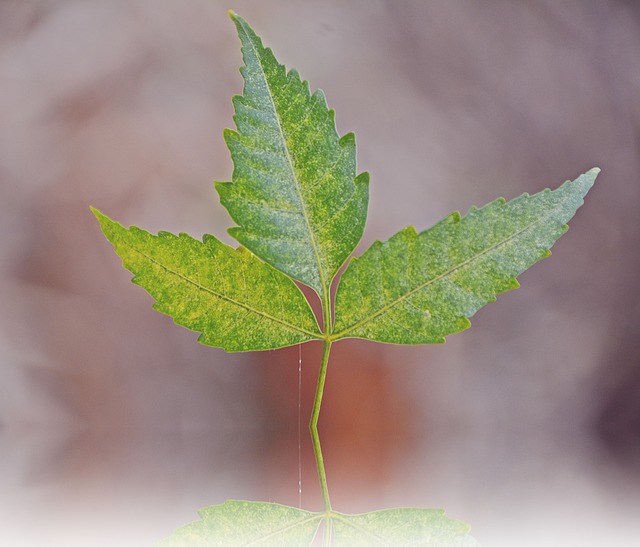
The mechanism behind this behavior is known as Crassulacean Acid Metabolism (CAM) photosynthesis. CAM plants open their stomata at night to absorb CO₂, storing it as malic acid, then use that stored solar energy to fix carbon during daylight. The oxygen released overnight is a direct byproduct of this nocturnal gas exchange. Not every species on this list is a strict CAM plant — neem and sacred fig, for example, are valued for their exceptional daytime photosynthetic rates and prolonged oxygen output that extends well into low-light evening hours.
Understanding which plants deliver measurable results — and which are simply well-marketed — matters before making purchases. The guide to 30 plants that absorb carbon dioxide and purify indoor air serves as an excellent companion reference for building a layered indoor air strategy. What follows covers how to set these plants up correctly, when they perform best, what undermines their output, and how to troubleshoot common problems.
Contents
Not all plants marketed as nighttime oxygen performers deliver equally. The most well-documented species — ranked by consistent performance — include aloe vera, snake plant (Sansevieria trifasciata), peace lily, areca palm, and orchids. Each performs CAM photosynthesis or maintains meaningful low-light gas exchange. The following comparison provides a reliable starting framework:
| Plant | Oxygen Mechanism | Light Requirement | Ideal Placement | Care Level |
|---|---|---|---|---|
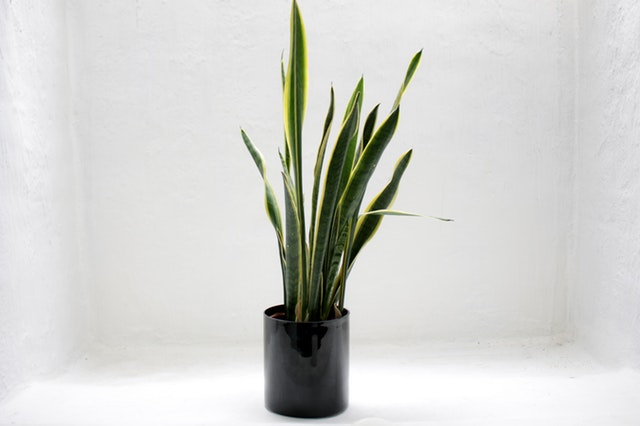
| Snake Plant | CAM — true nighttime | Low to bright indirect | Bedroom | Very easy |
| Aloe Vera | CAM — true nighttime | Bright indirect | Windowsill | Easy |
| Tulsi (Holy Basil) | Extended daytime + evening | Full sun | Outdoor / sunny window | Moderate |
| Sacred Fig (Peepal) | High-output, extended | Full sun | Outdoor | Easy (large) |
| Peace Lily | Low-light CAM-adjacent | Low to medium indirect | Bedroom / bathroom | Easy |
| Areca Palm | High daytime / evening | Bright indirect | Living room | Moderate |
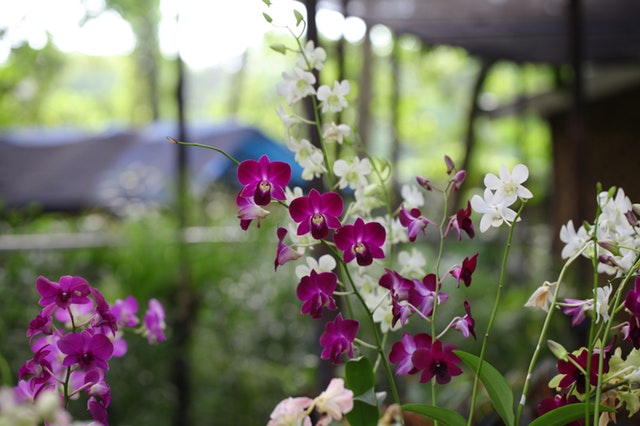
| Orchid | CAM — true nighttime | Bright indirect | Bedroom | Moderate |
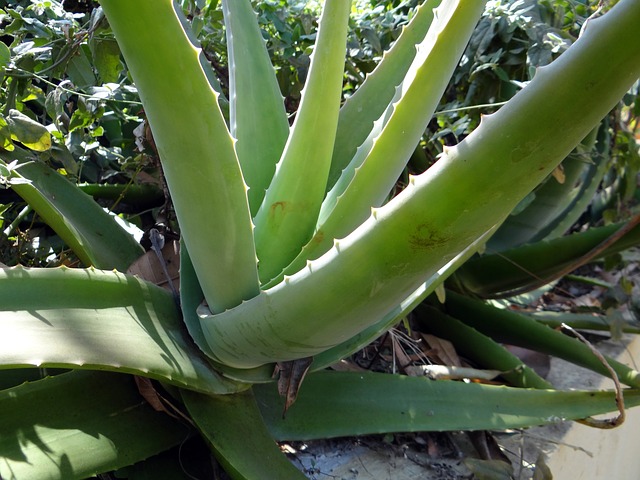

Placement directly determines how much each plant contributes to room atmosphere. Bedrooms benefit most from true CAM species — snake plant, aloe vera, and orchids are the clearest choices because they actively exchange gases through the night. For large living rooms, areca palms offer high transpiration rates and substantial oxygen output during extended photosynthesis periods. Sacred fig trees and neem belong outdoors or in very large, well-lit spaces; their oxygen contribution is significant, but their eventual size makes bedroom placement impractical.
For homes or apartments working with compact indoor gardens, the guide to tropical terrarium plants demonstrates how smaller oxygen-producing species can be grouped effectively in confined setups. Grouping three to five CAM plants in a single room creates a measurable improvement in CO₂ levels compared to a single specimen.


CAM plants produce the most oxygen at night when daytime light exposure has been adequate. A snake plant or aloe vera that spent the day in a dim corner will have far less stored energy for the nocturnal metabolic cycle. Strong indirect light during daylight hours is the single most important variable for overnight performance. For spaces with insufficient natural light, supplemental lighting during the day pays direct dividends in overnight oxygen output — the guide to the best grow lights for indoor plants and herbs covers the most effective options available. Temperature matters too: most CAM indoor plants operate optimally between 18–28°C (65–82°F), and night temperatures below 15°C slow stomatal opening noticeably.
The oxygen contribution of even a dozen indoor plants in a sealed room is small relative to human respiratory needs — this is an established physiological reality. Night oxygen plants improve air quality at the margins: they reduce CO₂ buildup slightly, absorb trace volatile organic compounds, and add humidity. They are not a substitute for ventilation. Large outdoor species like peepal and neem are frequently cited as 24-hour oxygen producers, but their contribution only registers meaningfully outdoors where canopy size can actually affect ambient air composition.
Pro insight: Three to five well-lit CAM plants in a 12 m² bedroom reduce overnight CO₂ levels at a measurable rate — but cracking a window achieves a similar effect immediately. Use plants for consistent background air quality improvement, not as a replacement for airflow.
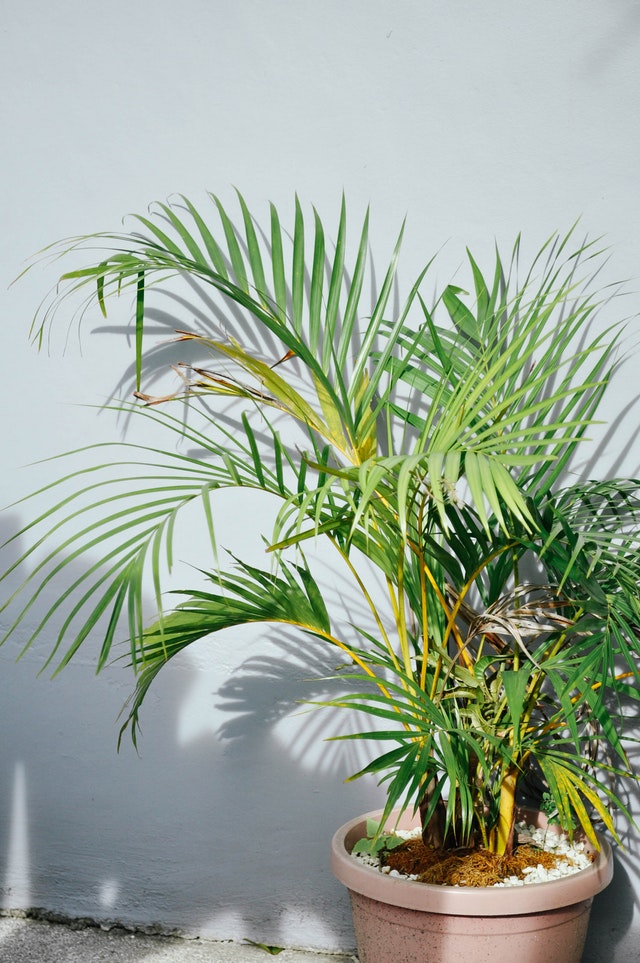
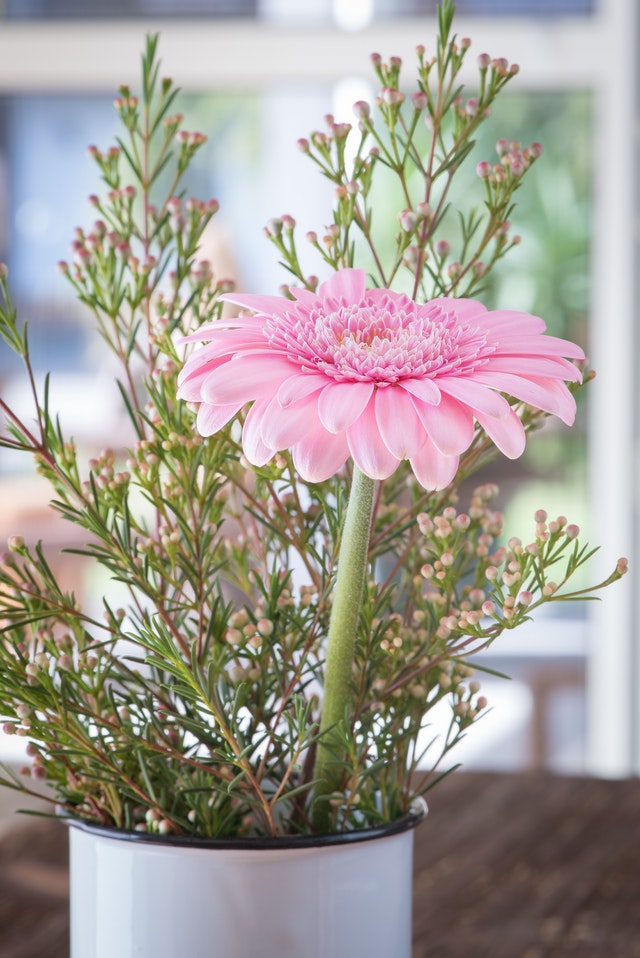
The most frequent error is placing night oxygen plants in low-light corners and expecting full nighttime performance. CAM plants store energy and carbon from daytime sunlight to power the nocturnal metabolic cycle. Reduce the light input and the cycle produces correspondingly less output. Gerbera daisies — often included on nighttime oxygen lists — are particularly light-hungry. They fail to deliver in dim conditions and decline rapidly without adequate sun exposure.
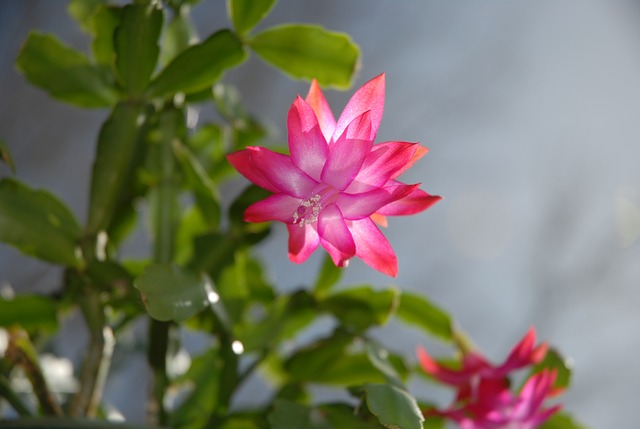
Overwatering is the leading cause of root rot in aloe vera, snake plant, and Christmas cactus — three of the most popular CAM night oxygen species. Waterlogged soil starves roots of oxygen, which paradoxically makes the plant a net oxygen consumer rather than a producer. Well-draining soil and infrequent, deep watering cycles are non-negotiable for these species. Anyone preparing their own growing medium will find the guide to preparing potting soil at home covers the correct mix for succulent and CAM plant types. Tulsi presents a different challenge: it requires consistently moist but never saturated soil and full sun, or it quickly reduces its extended photosynthetic window.
Warning: Never allow water to pool in the drainage saucer beneath aloe vera or snake plant — sustained root saturation destroys the metabolic systems responsible for nighttime oxygen production within weeks.
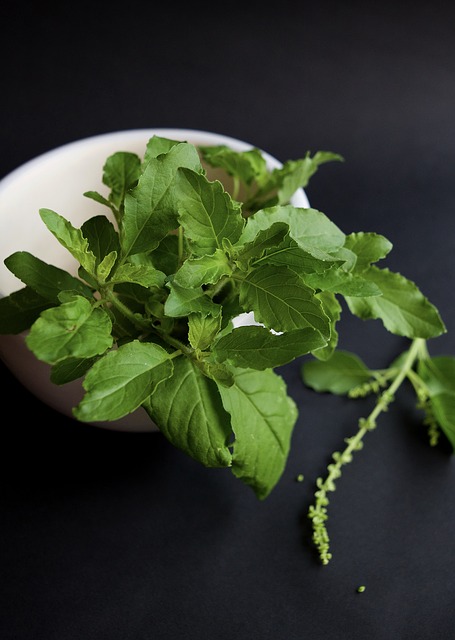
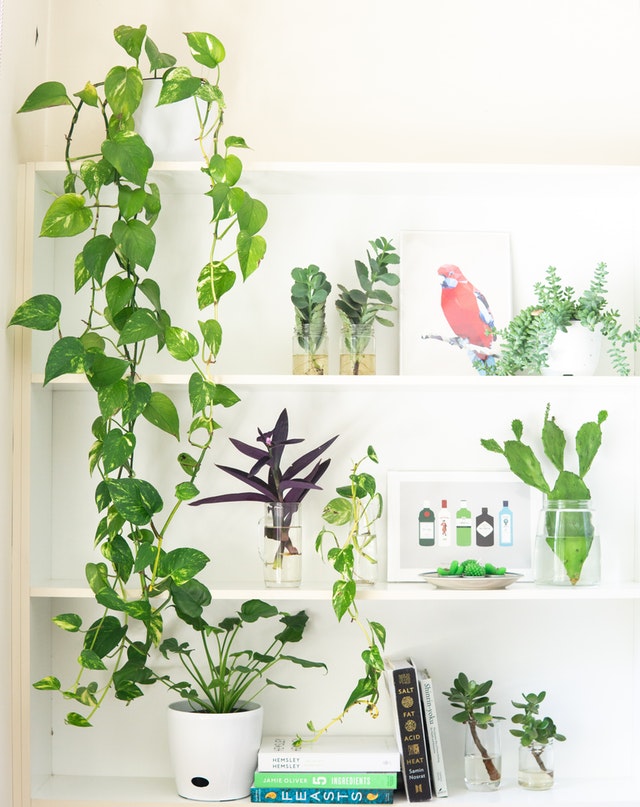
The air purification benefits of common CAM plants are not marketing fiction. NASA's Clean Air Study documented measurable VOC absorption in controlled conditions for species including peace lily, snake plant, and English ivy. These plants absorb formaldehyde, benzene, and trichloroethylene from indoor air while releasing oxygen. The additional benefit of humidity regulation — particularly from areca palms and peace lilies — makes them effective for dry indoor environments. Plants that also absorb harmful radiation from electronics provide a double benefit in home offices, where air quality and electromagnetic concerns frequently overlap.


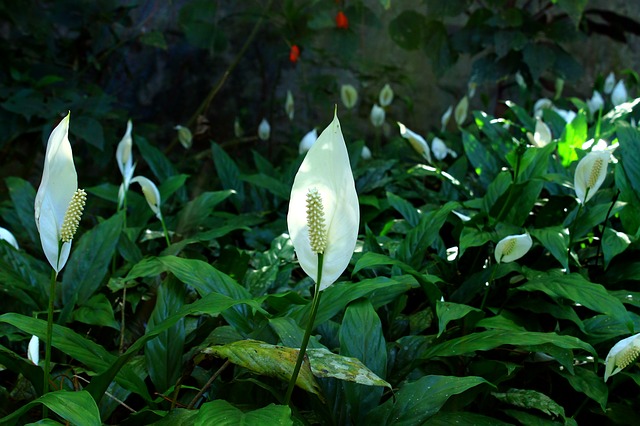

The honest limitation is volume. A single snake plant in a 15 m² room produces a negligible fraction of the oxygen required by one adult. The benefit is cumulative and ambient — gradual CO₂ reduction over hours of sleep, not a flood of fresh air. Large outdoor specimens like bamboo and sacred fig operate at an entirely different scale. Bamboo's high oxygen output per square meter has made it a popular agroforestry species, but potted bamboo indoors is primarily decorative. The guide to 30 seeds to sow in containers and grow bags identifies several high-yield plants that contribute both food production and ambient air improvement in compact container setups.



Most night oxygen plants are low-maintenance, but a few targeted tools make care measurably more effective. A moisture meter eliminates guesswork on watering frequency — critical for CAM succulents that are highly sensitive to overwatering. A humidity gauge helps monitor whether areca palms and peace lilies are contributing the ambient moisture they thrive in. A quality pair of pruning snips keeps snake plants and aloe vera trimmed to healthy growth, removing dead leaf tips that attract pests and signal metabolic stress.
For pest control — a persistent issue with indoor plants in humid environments — neem oil solution serves a dual purpose: extracted from the neem tree, one of the most potent natural pesticides available, it protects the very plants contributing to indoor air quality. Considering how some plants like snake repellent plants serve both pest-deterrent and environmental functions adds practical value for outdoor and patio arrangements.
CO₂ monitors — available for under $50 from most hardware retailers — provide real-time feedback on whether a plant arrangement is actually reducing carbon dioxide overnight. Placing one in a bedroom with four to six CAM plants provides concrete before-and-after data. This approach removes all guesswork and allows for intelligent plant selection based on measurable impact rather than rankings and lists alone. A basic digital thermometer-hygrometer combo also helps confirm that temperature and humidity remain within the range these plants need to operate at full capacity.



Yellow leaves on snake plant or aloe vera almost always signal overwatering or poor drainage — both of which shut down CAM activity at the root level. The fix is immediate: remove the plant from wet soil, allow roots to dry for 24–48 hours, repot in fast-draining cactus or succulent mix, and withhold water for 10–14 days. Yellowing combined with a mushy stem base signals root rot requiring surgical removal of affected tissue before repotting. For peace lily, yellowing typically indicates underwatering or low humidity rather than excess water — peace lily droops dramatically when thirsty, providing an unmistakable signal. Orchids that yellow and drop leaves are usually receiving too much direct sunlight or sitting in waterlogged bark medium.


Tip: When troubleshooting a struggling CAM plant, check root health before adjusting light or fertilizer — soil saturation and root rot account for the majority of underperformance cases across aloe vera, snake plant, and Christmas cactus.
Wilting in well-watered plants — particularly areca palm and peace lily — often signals root-bound conditions. A plant whose roots have filled the pot completely has nowhere to expand and begins declining even with adequate water and light. Repotting into a container one size larger with fresh, well-aerated medium resolves this quickly. Persistent earthy or sour odors from soil indicate anaerobic bacterial activity in compacted, overwatered growing medium — the solution is the same as for root rot: fresh, fast-draining soil and a significantly reduced watering schedule.
Chinese evergreen (Aglaonema) and elecampane are included in expanded nighttime oxygen plant lists for their documented air-filtering properties. Both respond well to moderate pruning and consistent indirect light. Valerian — valued for its aromatic sedative properties as an herbal supplement — is sometimes grouped alongside night air plants; its oxygen contribution is modest, but its calming scent makes it a logical bedroom companion regardless.


Research confirms that CAM plants reduce overnight CO₂ levels and absorb VOCs at measurable rates in controlled conditions. The improvement is real but incremental — three to six well-lit plants in a standard bedroom reduce carbon dioxide by a noticeable margin over the course of a night. The benefit is consistent and cumulative, not dramatic or immediate.
Snake plant (Sansevieria trifasciata) is consistently cited by researchers as the top indoor performer for nighttime oxygen production. It is a true CAM species, tolerates low light, requires minimal water, and releases oxygen reliably through dark hours — making it the default recommendation for bedroom placement above all other species.
Keeping multiple CAM plants in a closed bedroom overnight is both safe and beneficial. Unlike non-CAM plants, which consume oxygen and release CO₂ after dark, true CAM species do the reverse. The combined oxygen output of several plants in a sealed room remains far below any threshold that would cause problematic CO₂ buildup in a normal-sized space.
Most studies suggest three to six medium-to-large CAM plants in a 10–15 m² bedroom produce a detectable CO₂ reduction by morning. Smaller specimens require proportionally more plants to achieve the same effect. A dedicated CO₂ monitor is the most direct tool for verifying whether a specific arrangement is having the intended impact.
 |
 |
 |
 |

About Christina Lopez
Christina Lopez grew up in the scenic city of Mountain View, California. For eighteen ascetic years, she refrained from eating meat until she discovered the exquisite delicacy of chicken thighs. Christina is a city finalist competitive pingpong player, an ocean diver, and an ex-pat in England and Japan. Currently, she is a computer science doctoral student. Christina writes late at night; most of her daytime is spent enchanting her magical herb garden.


Get new FREE Gifts. Or latest free growing e-books from our latest works.
Disable Ad block to reveal all the links. Once done, hit a button below
|
|
|
|
 rinjal