reviewed by Christina Lopez
Can a handful of potted plants genuinely transform the air quality inside a home? The evidence says yes — and it is more substantial than most people realize. Plants that absorb carbon dioxide do so through photosynthesis, drawing CO2 from surrounding air and releasing oxygen in return. Our team has spent considerable time researching, growing, and observing the most effective species for indoor environments, and this guide consolidates those findings into a practical resource. Anyone ready to breathe cleaner air at home will find our full archive of plants, herbs, and farming guides a valuable companion to what follows.
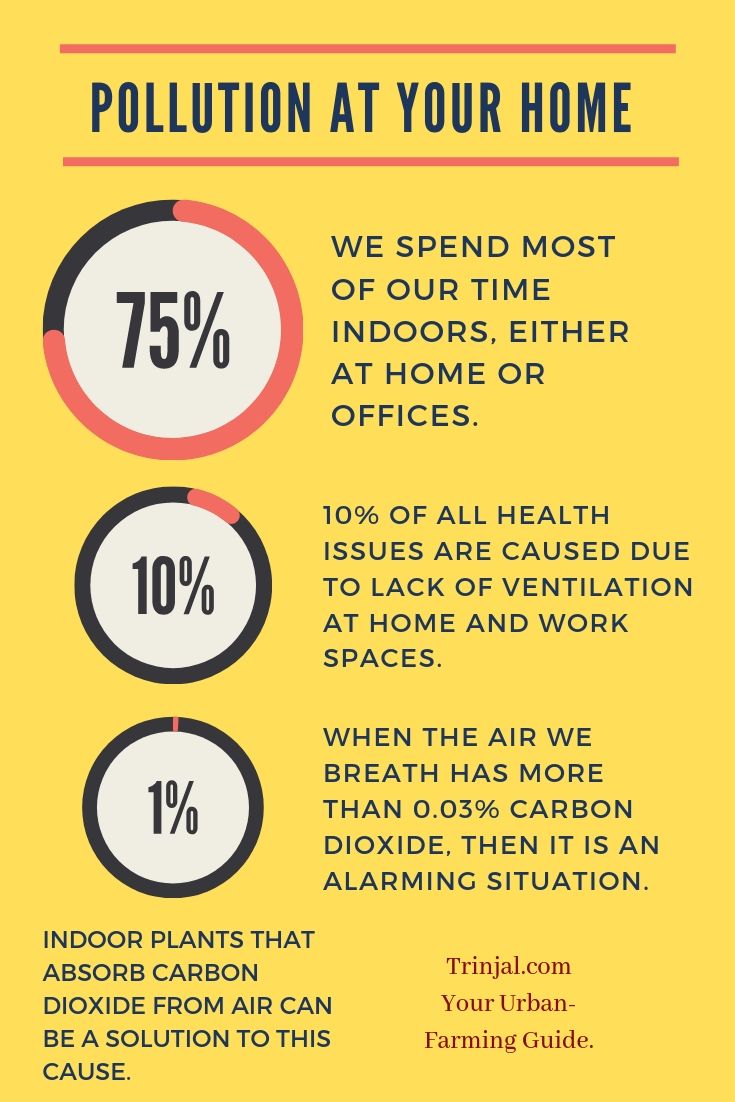
The case for indoor plants extends well beyond simple CO2 reduction. Research including the landmark NASA Clean Air Study found that certain houseplants actively strip volatile organic compounds — benzene, formaldehyde, and trichloroethylene — from enclosed spaces. Modern homes, with their improved insulation and reduced natural ventilation, trap these compounds at levels that affect health over time. A well-chosen plant collection tackles both CO2 buildup and chemical pollutant accumulation simultaneously, making the investment in greenery a genuinely practical one.

Our team has identified 30 plants — spanning tropical foliage varieties, flowering specimens, and outdoor trees — that deliver measurable results. From the humble Spider Plant thriving in a dim corner to the stately London Plane anchoring an outdoor landscape, each species earns its place through documented performance, not just visual appeal.
Contents
Indoor CO2 levels rise predictably whenever people occupy enclosed spaces. Breathing, cooking, and even burning candles all contribute to the buildup. In poorly ventilated rooms, concentrations climb to levels where occupants experience measurable fatigue and reduced cognitive function — a pattern documented in both residential and workplace studies. Plants that absorb carbon dioxide interrupt that cycle by consuming CO2 as raw material for growth, continuously processing the air around them without any mechanical assistance.
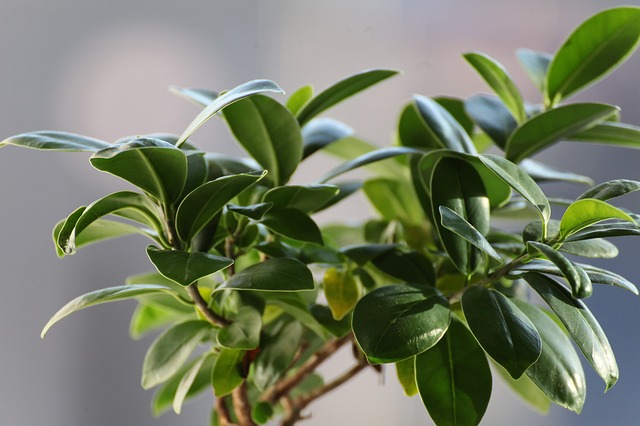
Photosynthesis operates most actively during daylight hours when leaves can harness light energy. Stomata — the microscopic pores covering leaf surfaces — open during the day to absorb CO2 and release oxygen as a byproduct. The density and size of those stomata, combined with total leaf surface area, determine how much CO2 a given plant can process. Large-leafed tropical species consistently outperform compact succulents in raw CO2 uptake, which shapes our team's approach to placement priorities in any indoor environment. Stomatal activity also responds to humidity, temperature, and light intensity, which means the same plant will perform differently depending on where it sits in a room.
Our experience consistently points to a clear top tier: Areca Palm, Peace Lily, Snake Plant, Golden Pothos, and Spider Plant. These species combine high photosynthetic rates with documented removal of airborne VOCs — making them genuinely productive beyond their ornamental role. For anyone building a collection that goes further than air purification, our guide to 15 plants that absorb harmful radiation covers complementary species worth incorporating alongside these reliable performers.
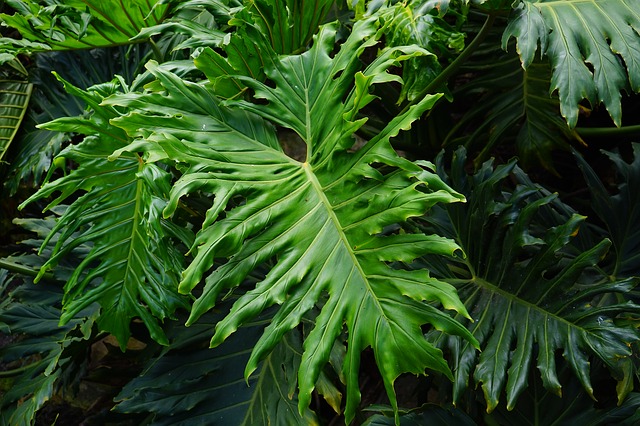
Tropical species dominate the performance rankings because they evolved in dense, competitive canopy environments where maximizing photosynthesis was a survival advantage. The Philodendron — in both its Heart Leaf and standard forms — grows quickly enough to process CO2 at a rate that slower-growing alternatives cannot match. It tolerates the lower indoor light levels common in most homes without a significant drop in air-purifying output, which makes it one of the most practical choices available.
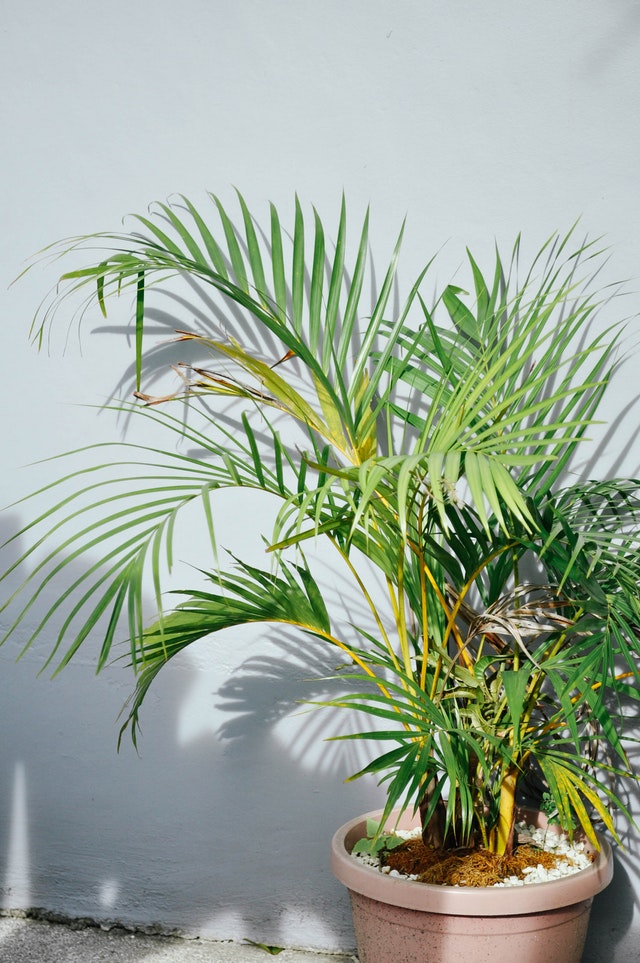
The Areca Palm stands out as one of our team's top recommendations for any room where air quality is a priority. A mature specimen actively transpires up to a liter of water per day, cycling air through its foliage continuously. Bamboo Palm delivers comparable performance in a narrower profile — ideal for corners or alongside furniture where a full-width palm would crowd the space. Warneck Dracaena, Rhapis Excelsa, and Chinese Evergreen round out the tropical foliage tier, each tolerating typical indoor conditions while requiring minimal maintenance. For anyone incorporating taller palms into compact spaces, our guide to vertical gardening tips covers arrangement strategies that work particularly well with upright-growing species.


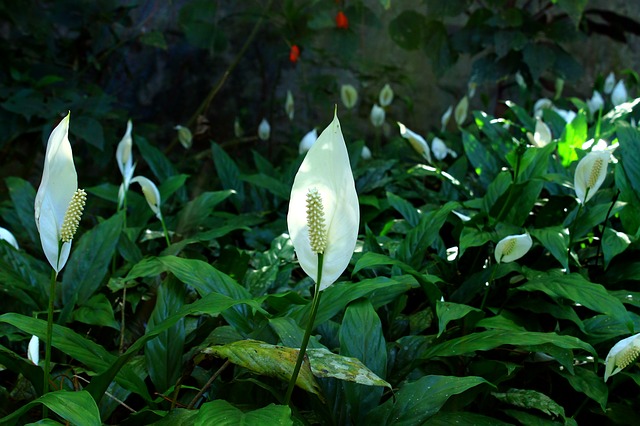
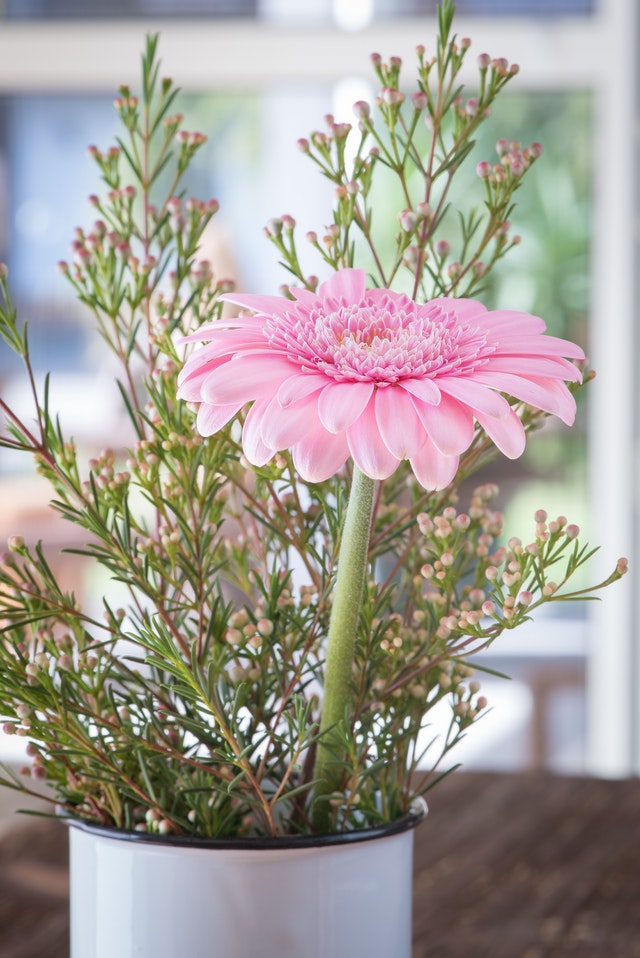
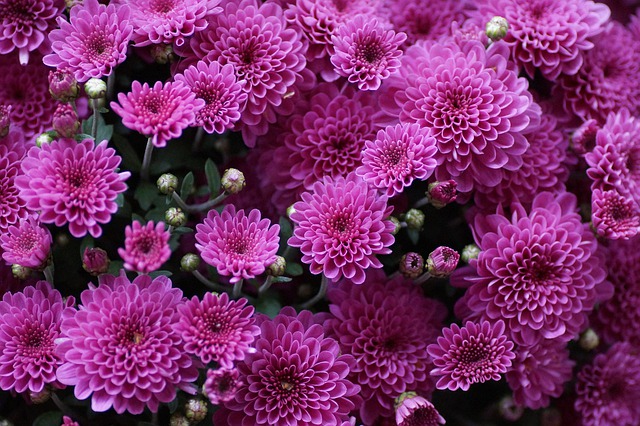
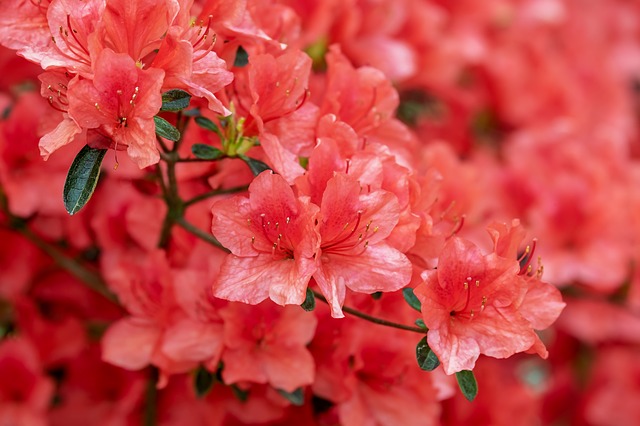
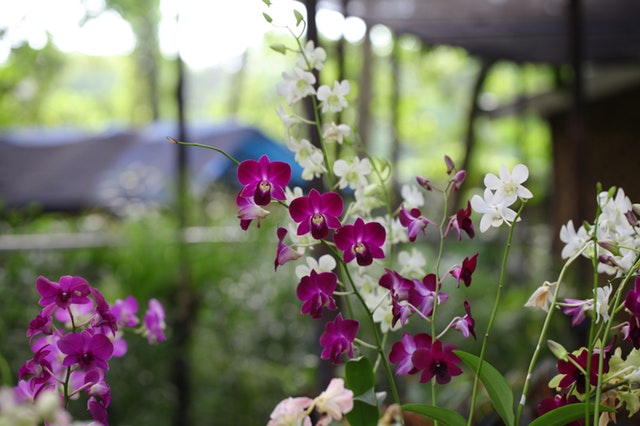
Flowering plants that absorb carbon dioxide combine visual impact with genuine air-purifying function. The Peace Lily is a standout — it thrives in low light, produces elegant white blooms, and removes CO2 alongside formaldehyde and ammonia, a rare multi-tasking capability among common houseplants. Chrysanthemums and Gerbera Daisies score among the highest of all flowering plants in CO2 absorption rate, while Azaleas and Orchids deliver seasonal blooms alongside steady background air filtration. Our team finds that mixing flowering plants with foliage species broadens both the aesthetic range and the pollutant-removal profile of any indoor collection.
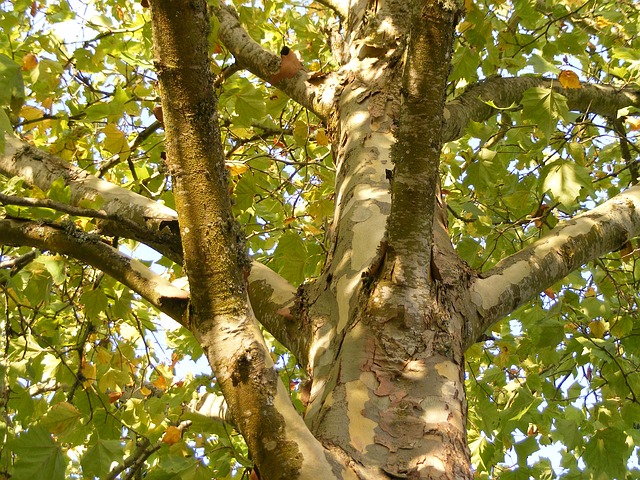
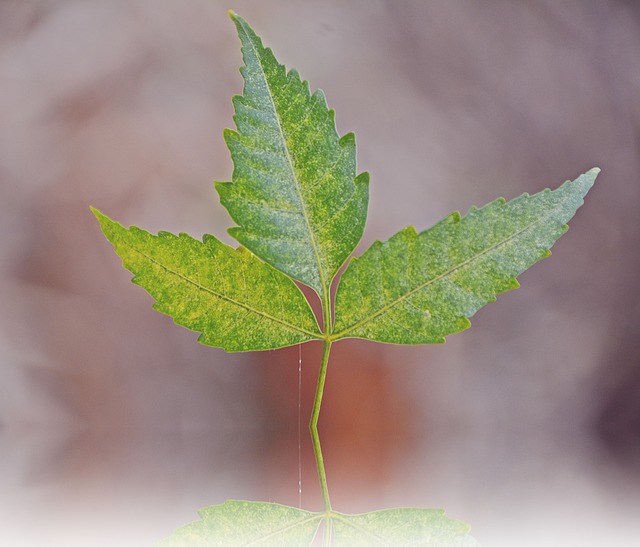
When air-purification goals extend beyond indoor spaces, several trees deliver outsized results. The London Plane tree is among the most efficient carbon-capturing trees in urban environments — its large canopy and rapid growth make it a standard choice in city planting programs worldwide. Neem trees, widely cultivated across South Asia for medicinal and agricultural use, are equally impressive CO2 absorbers, with dense year-round foliage that makes them one of the most productive species per square meter of canopy. For anyone planning trees as part of a broader outdoor strategy, our detailed coverage of trees useful for landscaping addresses species selection, spacing, and long-term management.
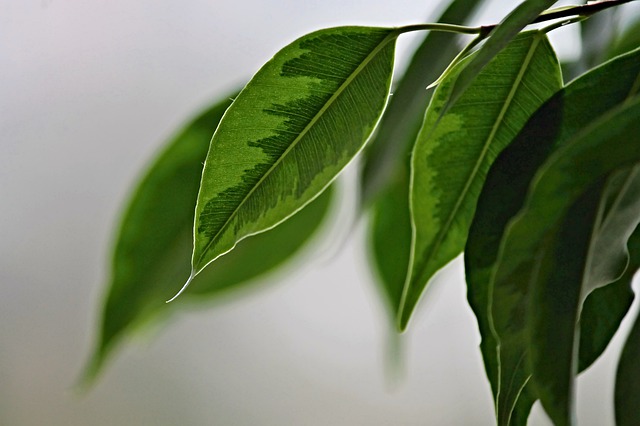
Light availability determines plant placement more than any other single factor. Most tropical foliage plants — Ficus, Weeping Fig, Philodendron — perform best within two meters of an east- or west-facing window where they receive consistent indirect light. Snake Plants and Peace Lilies tolerate near-shade conditions while still absorbing CO2 at meaningful rates, making them the safest choices for interior rooms with limited window access. English Ivy occupies a useful middle ground: it tolerates partial shade but produces noticeably more growth and air-purifying activity when positioned closer to a light source.

Our team consistently recommends placing at least one Snake Plant or Peace Lily in the bedroom — these species maintain measurable CO2 absorption even in low-light conditions and continue working through much of the night, unlike most daytime-only performers.
Clustering plants together creates a localized microclimate with elevated humidity and more active air cycling. Three to five plants grouped in a corner or beside a workstation produce noticeably better results than the same plants scattered individually across a room. Our team's approach is to anchor each grouping with one large-leafed specimen — a Weeping Fig or mature Ficus — then supplement with two or three faster-growing, trailing varieties like Golden Pothos or Spider Plant. The combination maximizes total leaf surface area while keeping the arrangement visually cohesive and easy to maintain.
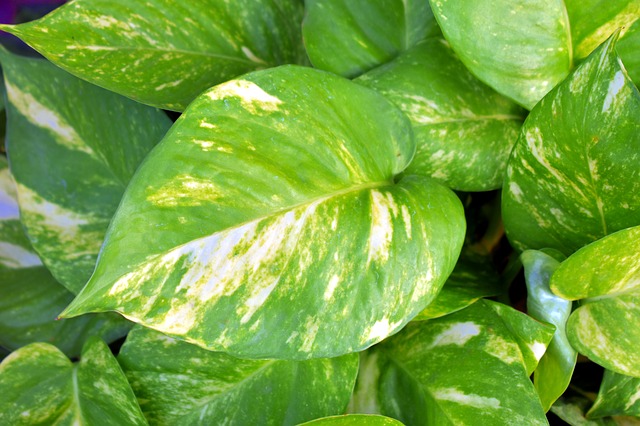

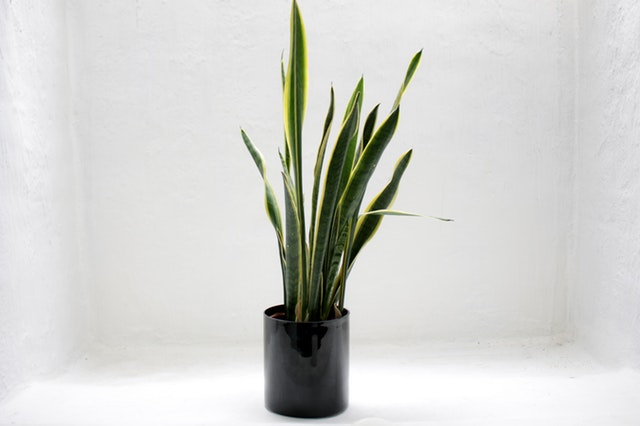
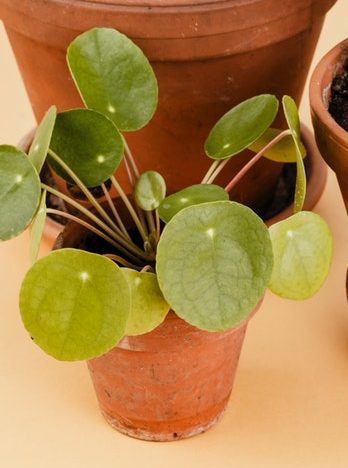
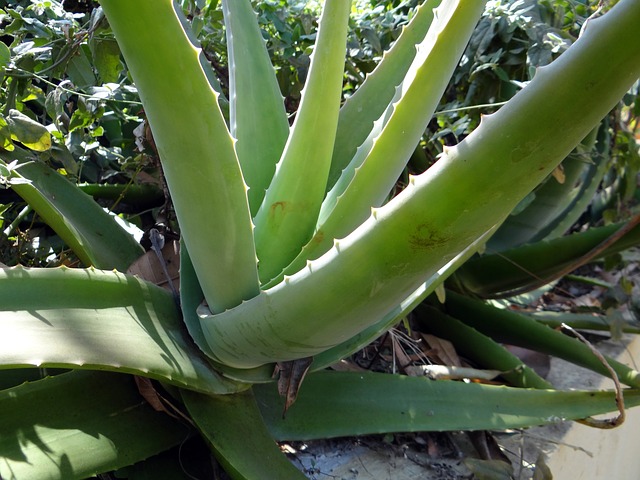
The most effective air-purifying plants are not the most expensive ones. Spider Plants, Golden Pothos, Snake Plants, and Money Plants are all widely available at garden centers for minimal outlay. More importantly, they propagate generously — a single Snake Plant produces offsets that can supply an entire household over one growing season, meaning the initial purchase genuinely multiplies over time. Aloe Vera fits this same profile: low acquisition cost, tolerant of near-neglect, and easy to divide.
| Plant | CO2 Absorption Level | Light Requirement | Maintenance | Best Location |
|---|---|---|---|---|
| Snake Plant | High | Low to Medium | Very Low | Bedroom, Office |
| Areca Palm | Very High | Bright Indirect | Moderate | Living Room |
| Peace Lily | High | Low to Medium | Low | Any Indoor Room |
| Golden Pothos | Medium–High | Low to Bright | Very Low | Any Indoor Room |
| Ficus / Weeping Fig | High | Bright Indirect | Moderate | Living Room |
| Chrysanthemum | High | Bright Direct | Moderate | Sunny Windowsill |
| Spider Plant | Medium | Indirect | Very Low | Hanging Basket |
| Bamboo Palm | Very High | Medium to Bright | Low | Corner Spaces |
| Philodendron | High | Low to Medium | Low | Office, Study |
| English Ivy | Medium | Indirect to Low | Low | Shelves, Mantels |
Soil, fertilizer, and occasional repotting represent the main recurring expenses. Most plants on this list need repotting only every two to three years, keeping annual costs genuinely modest. Our team's approach to feeding leans on homemade solutions — our guide to 19 organic fertilizers prepared at home covers practical, low-cost options that keep air-purifying plants in peak condition without a dependence on commercial products. Succulents like Aloe Vera push this even further — they thrive on near-neglect and require almost no additional feeding once established.
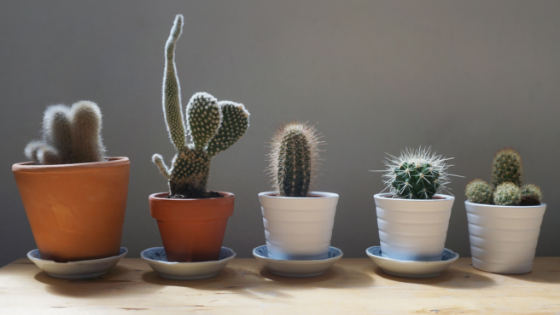
The most common failure mode our team encounters is placing light-demanding plants in poorly lit corners and expecting results. A Ficus or Chrysanthemum receiving inadequate light reduces its stomatal activity significantly — CO2 absorption drops well below potential. Overwatering is the second most common problem. Root rot compromises air-purifying performance faster than any other single factor because a damaged root system cannot support active photosynthesis at the canopy level, regardless of how healthy the leaves appear on the surface.
Dust accumulation on leaf surfaces is an underappreciated performance issue. Thick dust reduces light penetration to leaf cells and physically obstructs stomata. Our team recommends wiping large-leafed plants like Ficus, Philodendron, and Peace Lily monthly with a damp cloth as a standard maintenance habit — a five-minute task that preserves measurable air-purifying output over time.
Plants that absorb carbon dioxide are genuinely effective, but realistic expectations matter. A single small plant in a 20-square-meter room will not resolve a serious ventilation problem on its own. Our team's working guideline is a minimum of one medium-to-large plant per 9–10 square meters of floor space for meaningful air-quality impact. Plants work best as part of a broader strategy that includes adequate ventilation rather than as a standalone solution. For compact indoor setups where floor space is at a premium, our guide to the best plants for a bottle garden in India covers space-efficient options that still deliver genuine air-quality benefits in smaller arrangements.
A static plant collection gradually loses effectiveness as plants age, become root-bound in undersized pots, or lose vigor without regular attention. Our team's approach involves rotating seasonal performers — Chrysanthemums and Azaleas during their respective flowering peaks — while maintaining a permanent backbone of reliable year-round species: Snake Plant, Golden Pothos, and Areca Palm. Adding new species over time also diversifies the range of VOCs and pollutants the collection can address, since different plants remove different compounds with varying efficiency.
The biggest air-quality gains come from treating indoor and outdoor environments as connected systems rather than separate concerns. Planting CO2-absorbing trees like Neem or London Plane outside windows and near entry points creates a buffer that reduces outdoor pollution before it enters the home. Inside, a well-maintained collection of tropical foliage and flowering plants handles what gets through. Our team considers this layered approach — outdoor tree buffer plus indoor plant collection — the most effective long-term strategy for consistently clean indoor air across all seasons.
For anyone wanting to expand their collection with species that serve multiple functions — medicinal, structural, aesthetic — our guide on caring for succulents in Indian climates provides a useful model for how environmental conditions shape plant selection and maintenance decisions across different growing contexts.

 |
 |
 |
 |

About Christina Lopez
Christina Lopez grew up in the scenic city of Mountain View, California. For eighteen ascetic years, she refrained from eating meat until she discovered the exquisite delicacy of chicken thighs. Christina is a city finalist competitive pingpong player, an ocean diver, and an ex-pat in England and Japan. Currently, she is a computer science doctoral student. Christina writes late at night; most of her daytime is spent enchanting her magical herb garden.


Get new FREE Gifts. Or latest free growing e-books from our latest works.
Disable Ad block to reveal all the links. Once done, hit a button below
|
|
|
|
 rinjal