reviewed by Christina Lopez
The fastest way to reduce excess moisture in your home is to add the right plants. Indoor plants to absorb humidity work by drawing water vapor through their root systems and modulating release through tiny leaf pores called stomata — effectively acting as living dehumidifiers. If you're building a smarter indoor environment, explore the full range of options in the plants, herbs, and farming section here at Trinjal.

High indoor humidity — consistently above 60% — creates ideal conditions for mold, mildew, dust mites, and respiratory irritation. According to the U.S. Environmental Protection Agency, keeping indoor relative humidity between 30% and 50% is the benchmark for a healthy living space. Plants won't replace a mechanical dehumidifier in a severely damp basement, but in everyday living spaces — bedrooms, bathrooms, kitchens — they make a measurable and lasting difference.
The mechanism is transpiration. When ambient humidity climbs, certain plant species respond by slowing their own moisture output and drawing more vapor from the surrounding air through their leaves and roots. Others continuously cycle large volumes of water, creating a steady regulating effect. The fifteen plants here are the most effective and widely available options — chosen for real-world performance, not botanical curiosity.
Contents
Steam from showers and boiling water spikes room humidity fast, and without good ventilation, that moisture lingers on walls, grout, and cabinetry. Peace lilies, Boston ferns, and English ivy are your top choices for these spaces. They prefer warm, humid conditions, tolerate low light, and actively pull excess vapor from the air before it settles and causes damage. Their natural habitat — tropical forest floors with high ambient moisture — maps almost perfectly onto the conditions inside a bathroom or kitchen.
A Boston fern on a bathroom shelf absorbs moisture through its feathery fronds while handling the temperature swings that come with daily showers. Peace lilies are equally capable — and if you want to keep them performing at full capacity, pruning a peace lily is a five-minute task that encourages stronger new growth and better transpiration. Healthy leaves move more moisture. It's that direct.
The average adult exhales roughly a cup of water vapor during eight hours of sleep. In a small bedroom with poor airflow, that's enough to push humidity well above the comfortable range by morning. Areca palms and snake plants are the go-to options here — both work overnight, both tolerate lower light levels, and neither demands daily attention. They won't wake you up asking for water.
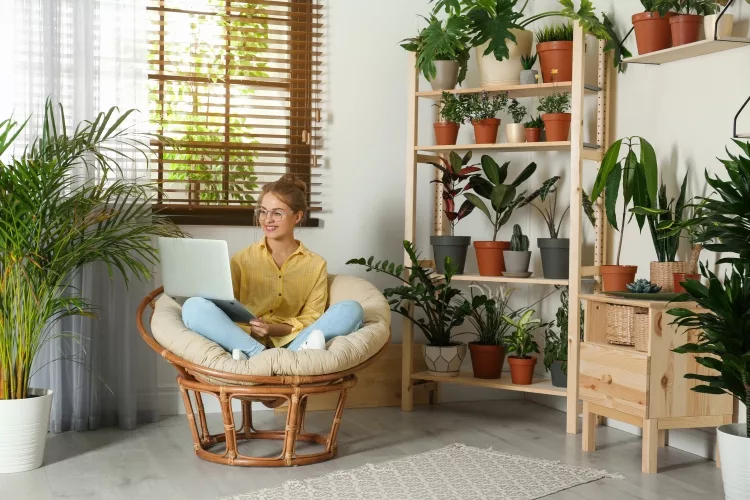
In living rooms, larger specimen plants anchor the space and do more humidity work. A mature areca palm can transpire close to a liter of moisture per day. Position it near an east or north-facing window for indirect light, and it becomes a functional centerpiece that also improves air quality. For tighter spaces, clusters of lucky bamboo near the window deliver real results without overwhelming the room. Arrangement matters — a single isolated plant underperforms its potential every time.

Beyond moisture control, most of the plants that excel at absorbing humidity also filter airborne toxins — formaldehyde, benzene, and trichloroethylene are the most common household offenders. You're solving two problems with one decision. Boston ferns, peace lilies, and reed palms are all documented air purifiers as well as humidity regulators, which is why they consistently appear on both lists.
There's a thermal benefit too. Plants release cooled, moisture-balanced air through transpiration, creating a microclimate that's measurably cooler than the surrounding room on a warm day. Grouping several plants together amplifies this effect — a technique that's particularly useful when you want to reduce reliance on air conditioning. If you're starting an indoor herb garden, mixing humidity-absorbing plants with culinary herbs gives you environmental control and fresh ingredients at the same time. The plants support each other's microclimate, too.
Group three or more humidity-absorbing plants together — the collective transpiration creates a noticeable cooling and balancing effect that a single plant can't come close to replicating.
Plants are not industrial dehumidifiers. A single spider plant won't rescue a basement that floods in heavy rain, and no plant species removes moisture fast enough to replace mechanical ventilation in a chronically damp space. Their effectiveness scales directly with room size, the number of plants you have in place, and how consistently you care for them. Neglected plants underperform. It's a straightforward equation.
Overwatered plants also add moisture back to the environment — proper watering discipline is essential if you want the plants working for you rather than against you. Let the soil dry appropriately between waterings and always use pots with drainage holes. Standing water in a saucer under a pot is a humidity source, not a humidity solution. Keep that in mind every time you water.
These fifteen species are the strongest performers for indoor humidity control across a range of room types and light conditions. Some are heavy lifters suited to large living rooms. Others are compact specialists for bathrooms or narrow windowsills. All of them are widely available and straightforward to maintain — you don't need a greenhouse or specialist knowledge to get results.
| # | Plant Name | Humidity Absorption | Light Requirement | Best Room |
|---|---|---|---|---|
| 1 | Areca Palm | Very High | Bright indirect | Living room |
| 2 | Boston Fern | High | Indirect | Bathroom, bedroom |
| 3 | Peace Lily | High | Low to indirect | Bathroom, bedroom |
| 4 | English Ivy | High | Indirect to bright | Any room |
| 5 | Reed Palm | High | Indirect | Living room, bathroom |
| 6 | Spider Plant | Moderate-High | Indirect | Kitchen, bathroom |
| 7 | Snake Plant | Moderate | Low to bright indirect | Bedroom |
| 8 | Lucky Bamboo | Moderate | Low to indirect | Office, living room |
| 9 | Elephant Ear | High | Indirect to partial shade | Living room |
| 10 | Orchid | Moderate | Indirect | Bathroom, kitchen |
| 11 | Tillandsia (Air Plant) | Moderate | Bright indirect | Bathroom |
| 12 | Aloe Vera | Low-Moderate | Bright indirect | Kitchen, sunny spots |
| 13 | Dracaena | Moderate-High | Low to indirect | Bedroom, office |
| 14 | Chrysanthemum | Moderate | Bright indirect | Living room |
| 15 | Cactus | Low-Moderate | Full sun | Sunny windowsill |
The areca palm sits at the top of every serious list for a reason. It's a powerhouse transpirer that works in almost any living space with decent indirect light. Position it in a corner near a window and let it run. The Boston fern and peace lily are your next two strongest bets — both absorb humidity efficiently and thrive in the warm, low-light conditions of a bathroom or shaded bedroom corner. Reed palms belong in this tier too. They're underrated compared to areca palms but perform at a nearly identical level in humid, lower-light environments.
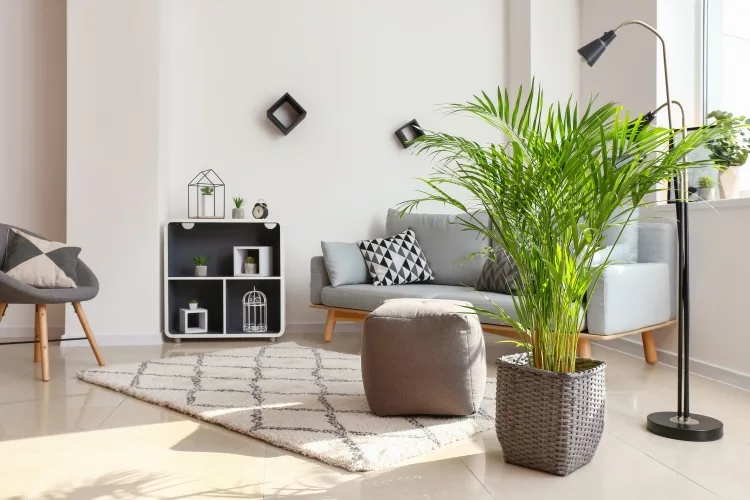
English ivy deserves special mention for its adaptability. It grows in hanging baskets, on shelves, or trained up a small trellis, and it handles a wide range of light conditions without complaint. English ivy absorbs humidity efficiently whether you place it in a bright kitchen or a darker hallway — few plants on this list offer that kind of flexibility. Elephant ear plants are the living-room powerhouses that get overlooked because of their size: those enormous leaves move a significant volume of moisture and make a visual statement at the same time.
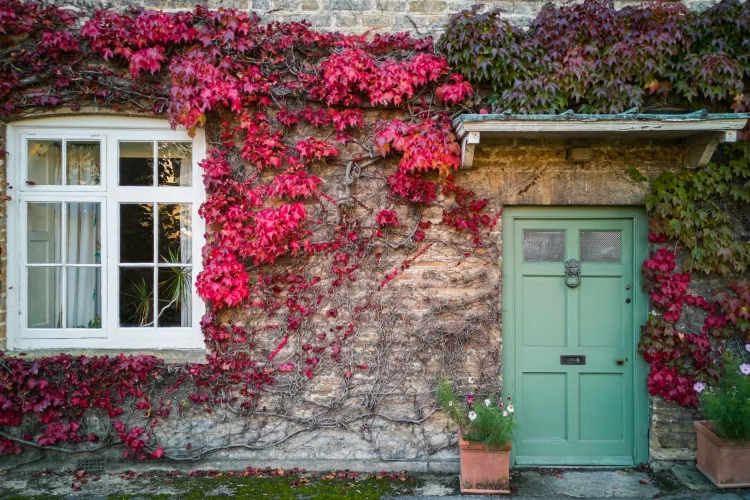
Spider plants are workhorses. Nearly indestructible, they thrive in kitchens and bathrooms and produce runners that you can propagate through cuttings to fill more spaces for free. One healthy spider plant becomes five within a season, which means more humidity-absorbing capacity distributed across more rooms without spending a cent. Snake plants absorb moisture at a steady moderate rate and earn their spot in bedrooms by releasing oxygen overnight — making them the rare plant that also directly improves sleeping conditions.
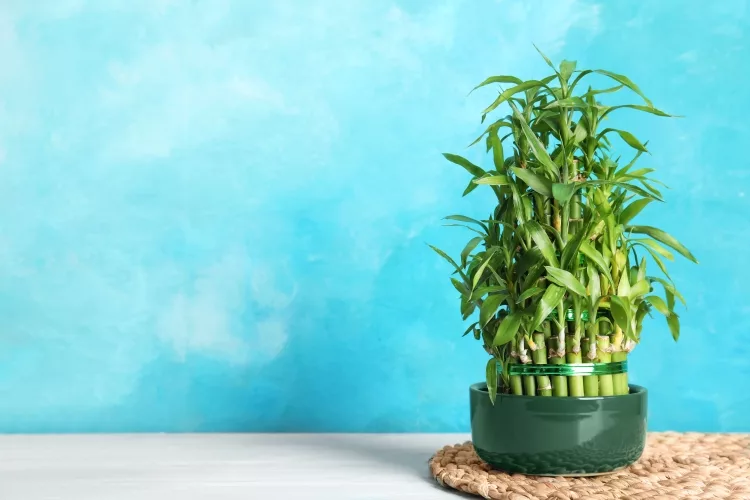
Lucky bamboo thrives in indirect light and grows in water alone, making it one of the lowest-maintenance options on this list. It's a genuine set-it-and-monitor-it plant. Dracaena species — there are dozens of varieties — bring consistent, long-term humidity absorption to offices and bedrooms alike, tolerating the low-light, climate-controlled environments that most indoor spaces actually provide. If you find yourself building a larger collection and want to know the resale side of things, the guide to selling aloe vera plants covers principles that transfer directly to other popular indoor species.
Orchids are the bathroom specialists. They evolved in tropical environments with high ambient moisture, so they actively thrive on shower steam while contributing their own humidity-balancing action. They're also among the most visually striking plants you can put in a bathroom. Tillandsia air plants mount directly on walls and absorb all of their moisture from the air — no soil, no pot, no runoff risk. For a sunny kitchen windowsill, aloe vera absorbs moisture at a slower rate but earns its place because the gel is immediately useful for minor burns. Chrysanthemums bring color to living spaces along with moderate moisture absorption during their blooming period.
Plants perform best as a humidity management tool when indoor moisture sits in the mild-to-moderate problem range — roughly 55% to 70%. At these levels, a well-chosen collection of five to ten plants makes a visible difference in how a room feels and registers on a hygrometer. Bathrooms, kitchens, bedrooms, and home offices fall within this range regularly, making plant-based control genuinely practical for everyday use rather than a theoretical solution.
They also work best when paired with basic airflow management. Cracking a window for fifteen minutes after a shower, combined with a collection of humidity-absorbing plants already in the room, gives you a far better result than either measure alone. Because root health directly drives transpiration efficiency, it's worth checking soil pH periodically to ensure your potting mix isn't becoming too acidic over time — an issue that quietly undermines root function long before the leaves show any visible sign of stress.
Never let humidity-control plants sit in waterlogged soil — overwatering negates their absorption benefit entirely and creates an additional moisture source that works directly against you.
There are situations where plants alone won't solve the problem. If your home has persistent humidity above 70% — especially in a basement or poorly insulated crawl space — you need a mechanical dehumidifier running in parallel. Structural water intrusion, roof leaks, or HVAC failures create moisture faster than any plant collection can absorb. Don't treat plant care as a substitute for fixing underlying structural issues. The sequencing matters: fix the source first, then add plants to maintain the balance afterward.
If you're sensitive to mold or managing respiratory conditions, focus on well-fed, genuinely healthy plants rather than stressed or neglected ones. A plant sitting in wet, rotting soil creates exactly the kind of organic environment that mold spores thrive in. The plant stops being part of the solution and becomes part of the problem. Keep your plants vigorous and the dynamic stays in your favor.
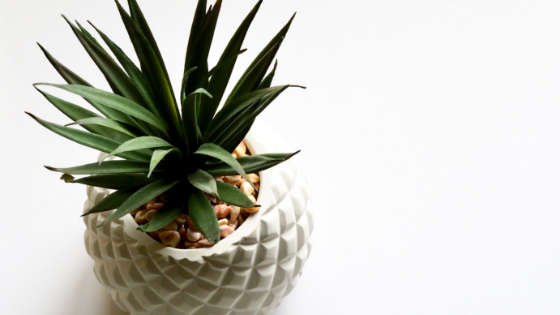
Where you place your plants matters as much as which species you choose. Position high-transpiration plants — areca palms, Boston ferns, reed palms — in rooms where humidity is most problematic. Put smaller, moderate absorbers like snake plants and spider plants in secondary spaces. Clustering plants together amplifies their collective effect, so three ferns grouped in a bathroom corner outperform a single large fern by a significant margin. The overlapping microclimates they create together are measurably more effective than isolated specimens.
Height plays a role too. Humidity rises, so placing plants on elevated surfaces — shelves, windowsills, hanging planters — positions them closer to where the moisture accumulates. This is especially relevant in kitchens, where steam from cooking climbs toward the ceiling. A hanging Boston fern above a kitchen sink is far more strategically positioned than one sitting on the floor. Think vertically when you plan your placement.
Your plants can only absorb humidity if they're actively healthy. That means consistent but measured watering, appropriate fertilization, and regular inspection for pests and disease. Overwatering is the most common mistake — it drowns roots, reduces transpiration capacity, and adds moisture to the soil surface that evaporates back into the room. The detailed guide on watering plants and herbs correctly gives you the underlying principles that apply across nearly every species on this list.
Regular pruning improves performance. Removing dead or damaged leaves keeps the plant focused on active transpiration through healthy tissue. For species like peace lilies and ferns, consistent trimming also prevents fungal disease and encourages new leaf growth — which is where most of the moisture exchange happens. Check your plants on a weekly schedule. It takes less than five minutes per plant and lets you catch problems before they become expensive ones. Consistency here is the real difference between plants that perform and plants that merely survive.
A typical family bathroom with poor ventilation sits at 75–85% humidity after a morning shower. Add three targeted plants — a Boston fern on the shelf, a peace lily in the corner, and a tillandsia mounted directly on the wall — and that reading drops noticeably within forty-five minutes of the shower ending, compared to well over an hour with ventilation alone. The plants don't just absorb moisture, they do it passively, continuously, without you touching anything. They're also far more visually appealing than a box fan propped in the doorway.
The key is starting with species that actually want to be in a humid bathroom. Don't try to force a cactus or succulent into that environment — you'll stress the plant and get nothing from it. Match the species to the space, let them establish for a few weeks, and the results become measurable with even a basic hygrometer. The difference between a plant-equipped bathroom and an empty one is real, not theoretical.
For a standard bedroom, two to three plants is the right number. An areca palm in the corner handles the overnight vapor load from breathing. A snake plant on the nightstand provides supplementary absorption while releasing oxygen overnight — the one plant that genuinely earns the label "bedroom plant" based on its actual biological behavior. Combined with keeping the bedroom door slightly open for passive airflow, this setup maintains steady, comfortable humidity through the night without any mechanical assistance or energy cost.
The long-term payoff is consistency. Once your plants are established and cared for, they work every night without reminders. A well-placed plant collection is a permanent infrastructure improvement, not a temporary fix. Think of it the same way you'd think about good insulation or a quality mattress — it's a one-time investment that quietly delivers value every single day afterward.
For a standard bedroom or bathroom, three to five plants is the practical starting point. In larger living rooms, you'll want five to ten, especially if you're relying on them as your primary humidity-control method. The more plants you have working together, the stronger the collective effect — grouping them amplifies results faster than spreading them around individually.
The effect is real and measurable, but it scales with effort. A single spider plant in a large, damp room won't do much. A curated collection of high-transpiration plants like areca palms, Boston ferns, and peace lilies in a reasonably sized room produces a noticeable drop — often 5–10 percentage points in controlled conditions. Pair plants with basic ventilation and the impact compounds considerably.
The areca palm is the top performer by volume — a mature specimen can transpire close to a liter of moisture per day. The Boston fern and reed palm are close behind, both well-suited to high-humidity rooms. For bathrooms specifically, the peace lily and English ivy are the most practical combination of high absorption and low-light tolerance.
The right plants, placed with intention and kept genuinely healthy, don't just decorate your home — they regulate it.
 |
 |
 |
 |

About Christina Lopez
Christina Lopez grew up in the scenic city of Mountain View, California. For eighteen ascetic years, she refrained from eating meat until she discovered the exquisite delicacy of chicken thighs. Christina is a city finalist competitive pingpong player, an ocean diver, and an ex-pat in England and Japan. Currently, she is a computer science doctoral student. Christina writes late at night; most of her daytime is spent enchanting her magical herb garden.


Get new FREE Gifts. Or latest free growing e-books from our latest works.
Disable Ad block to reveal all the links. Once done, hit a button below
|
|
|
|
 rinjal