A few seasons ago, our team picked up a handful of shevanti cuttings from a local nursery on a whim — no real plan, just curiosity. Within two months, those scrappy little stems exploded into a riot of golden blooms that completely transformed our balcony. That experience taught us exactly how to grow shevanti flowers, and we've been hooked on chrysanthemums ever since. Whether someone is working with a small container garden or a wide backyard bed, shevanti (also known as Chrysanthemum) is one of the most rewarding flowering plants anyone can cultivate at home.
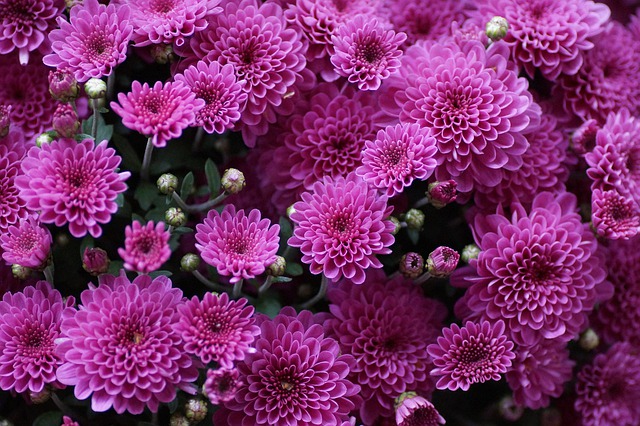
Shevanti flowers come in an incredible range of colors — white, yellow, pink, purple, bronze, and even bicolor varieties. They're hardy, bloom profusely during autumn, and require surprisingly little fuss once established. Our team has grown them in everything from terracotta pots to raised garden beds, and the results have been consistently stunning.
This guide covers the full lifecycle of shevanti cultivation, from propagation and soil prep through pest management and budgeting. We've distilled years of hands-on experience into practical advice that works in real-world conditions.
Contents
Shevanti — the Marathi name for chrysanthemum — belongs to the family Asteraceae and has been cultivated for over 3,000 years. The flower originated in China, where it was first grown as a medicinal herb before becoming one of the most celebrated ornamental plants in East Asian culture. According to Wikipedia's entry on Chrysanthemum, the genus includes roughly 40 species and thousands of horticultural varieties bred for color, form, and size.
The species most commonly grown in Indian gardens is Chrysanthemum morifolium, a perennial that behaves as an annual in tropical climates. It's a short-day plant, meaning it initiates flower buds when daylight drops below roughly 13 hours — which is why shevanti blooms so reliably in October and November. Plants typically reach 30–90 cm in height depending on variety and pinching technique.

In India, shevanti flowers are staples at pujas, weddings, and festivals. They're strung into garlands, used in rangoli, and offered at temples. In Japan, the chrysanthemum is the imperial seal. In China, chrysanthemum tea has been a wellness drink for centuries. For anyone interested in other culturally significant plants, our guide on exotic plants in India covers several species with similar heritage.
Getting shevanti established is straightforward, but the propagation method matters enormously. Our team has tested seeds, cuttings, and root divisions side by side — and the results weren't even close.
Stem cuttings are the gold standard. We take 8–10 cm cuttings from healthy mother plants in June or July, dip them in rooting hormone, and plant them in a mix of cocopeat and perlite. Roots develop within 2–3 weeks. Seeds are possible but slow and inconsistent — most nursery varieties don't come true from seed. Root division works well for established clumps but limits the number of new plants.
Pro tip: Take cuttings early in the morning when stems are fully turgid. Wilted afternoon cuttings have a noticeably lower success rate in our trials.
Shevanti demands excellent drainage. Our go-to mix is 40% garden soil, 30% compost, 20% cocopeat, and 10% perlite. For containers, 10–12 inch pots work perfectly for a single plant. In raised beds, spacing of 30–45 cm gives each plant room to bush out. The soil pH sweet spot is 6.0–6.8 — slightly acidic to neutral. Heavy clay soils are a recipe for root rot, so amending with organic matter is non-negotiable in those conditions.
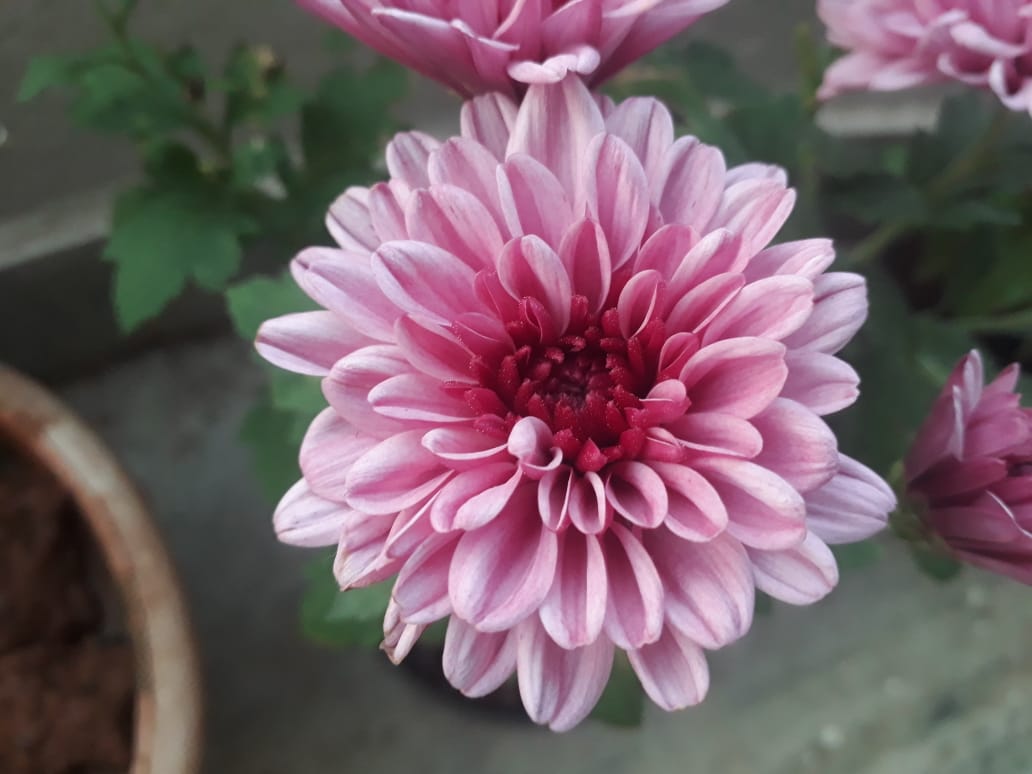
Once established, shevanti is forgiving — but there's a clear difference between a plant that survives and one that thrives with dozens of blooms. These care practices are what separate the two.
Shevanti prefers consistently moist soil, not soggy soil. During the vegetative phase (July–September), watering every other day works in most Indian climates. Once buds form, slightly reducing water frequency helps intensify bloom color. For feeding, a balanced NPK fertilizer (10-10-10) every two weeks during active growth keeps plants vigorous. Switching to a high-potassium formula (0-10-10) once buds appear pushes more energy toward flowering. Some growers also use expired supplement tablets as a slow-release nutrient source — our team has seen decent results with calcium and magnesium tablets crushed into the soil.
Pinching is the single most impactful technique for bushy, bloom-heavy shevanti. We pinch the growing tip when the plant reaches 15 cm, then pinch each resulting branch again at 10 cm of new growth. This creates a dense, multi-branched structure that produces three to four times more flowers than an unpinched plant. Stop pinching by mid-August — any later cuts into bud formation time. Remove any side shoots that appear below the main branching point to direct energy upward.
Warning: Never pinch after buds become visible. Late pinching delays blooming by weeks and can result in weak, undersized flowers.
Most people grow shevanti purely for ornamental purposes, but this flower has a much wider utility than its beauty suggests.
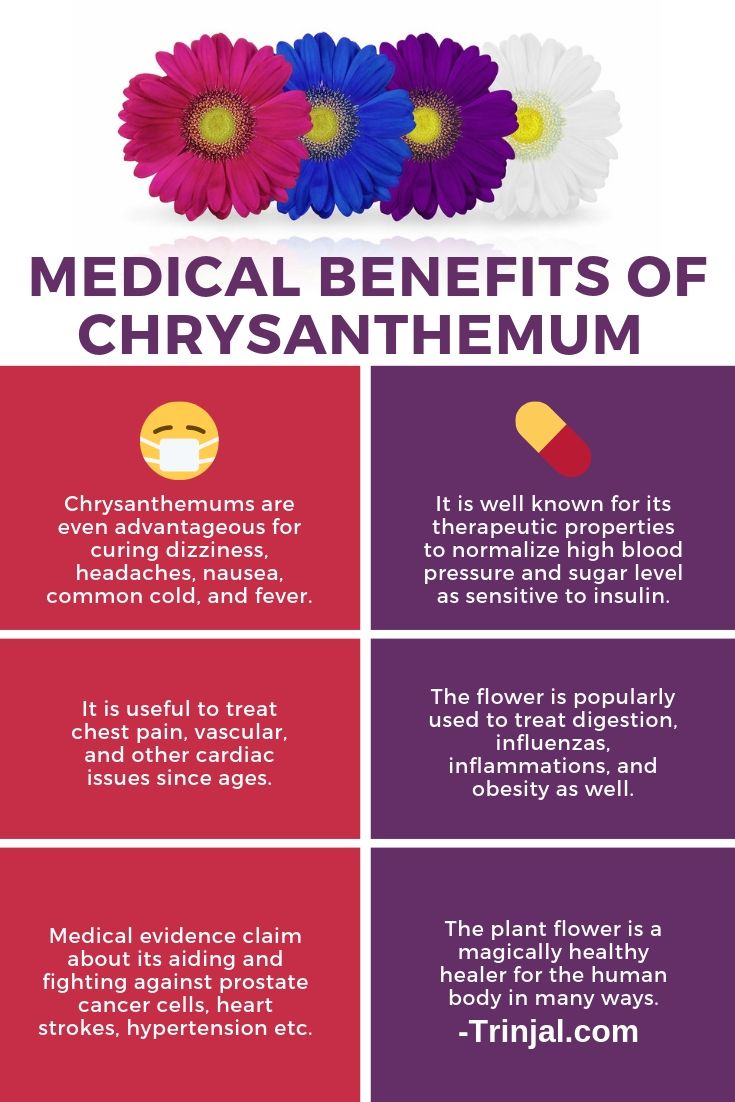
Chrysanthemum tea, brewed from dried shevanti petals, has been used in traditional Chinese medicine for centuries. It's known for its cooling properties and is commonly consumed to ease headaches, reduce inflammation, and support eye health. The flowers contain flavonoids and essential oils with documented antioxidant activity. Anyone exploring the intersection of gardening and wellness should also check out how essential oils can help manage blood pressure — chrysanthemum essential oil is one of the lesser-known options in that category.
In East Asian cuisine, shevanti petals are added to salads, soups, and stir-fries. The flavor is mildly peppery with floral notes. In Indian traditions, shevanti garlands are indispensable for Dussehra and Diwali celebrations. Dried shevanti petals also make excellent natural dye — producing warm yellow and gold tones on cotton and silk fabrics.
One of shevanti's greatest appeals is its affordability. Our team tracked every expense across a full growing season to produce this realistic budget for a modest setup of five plants.
| Item | Quantity | Estimated Cost (INR) |
|---|---|---|
| Shevanti cuttings or seedlings | 5 | 100–250 |
| 10-inch plastic pots | 5 | 150–300 |
| Potting mix (soil + compost + cocopeat) | 10 kg | 150–200 |
| NPK fertilizer (500g) | 1 | 80–120 |
| Rooting hormone | 1 packet | 50–80 |
| Neem oil (pest control) | 100 ml | 60–100 |
| Total | — | 590–1,050 |
That's the full season cost for five blooming plants — often under ₹1,000. Compare that to buying cut chrysanthemum bouquets from a florist at ₹200–400 each, and the economics are obvious. Growing from cuttings taken from a friend's garden drops the cost even further. For perspective on other budget-friendly gardening projects, our breakdown of fruits that grow easily in pots follows a similar cost structure.
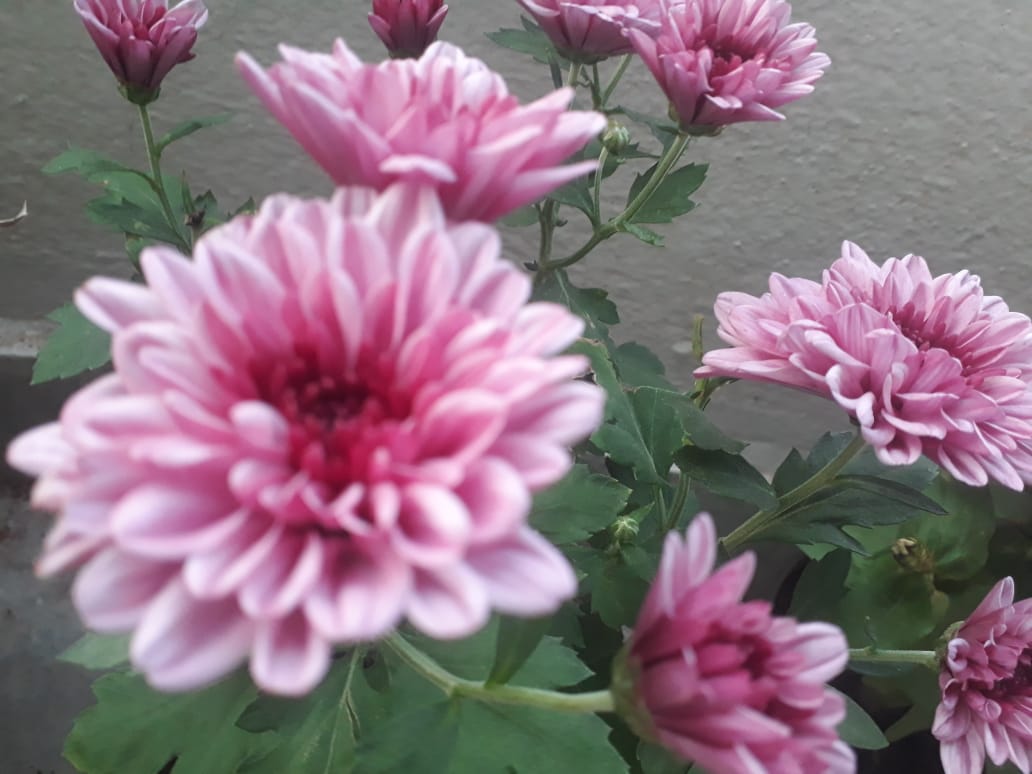
Shevanti is hard to beat for sheer flower output per plant. A well-maintained specimen produces 30–50 blooms in a single season. The color variety is exceptional — our collection alone spans seven distinct shades. These plants are also remarkably pest-resistant compared to roses or hibiscus, and they adapt well to both container and ground planting. The autumn bloom period fills a gap when many other garden flowers have finished for the year.
Shevanti is essentially a one-season showpiece. After the bloom period ends, plants become leggy and unattractive. In tropical lowlands, the lack of a distinct cool season can make bloom initiation unpredictable. Aphids and leaf miners do show up, especially in humid conditions. And while the plants are drought-tolerant once established, inconsistent watering during bud formation causes buds to abort — a frustrating issue our team dealt with early on. For those seeking flowers that perform across multiple seasons, the shade-loving flower guide offers some excellent alternatives.
Every shevanti grower runs into issues eventually. Here are the problems our team encounters most frequently and the solutions that actually resolve them.
Aphids are the most common pest — they cluster on new growth and buds, sucking sap and distorting flowers. A weekly neem oil spray (5 ml per liter of water) keeps them in check. Leaf miners create distinctive white tunnels through leaves; removing affected foliage and applying spinosad-based sprays works well. White rust appears as pale pustules on leaf undersides during humid weather. Improving air circulation by spacing plants properly and avoiding overhead watering prevents most fungal issues.
Pro insight: Spraying neem oil in the evening rather than morning prevents leaf burn and gives the solution more contact time before evaporation.
The number one reason shevanti fails to bloom is light pollution. Even a nearby streetlight or porch light can disrupt the short-day signal these plants need. Moving containers to a location with uninterrupted darkness after sunset solves this immediately. Other causes include excessive nitrogen fertilization (all leaf growth, no flowers), late-season pinching, and insufficient sunlight during the day — shevanti needs a minimum of 5–6 hours of direct sun.
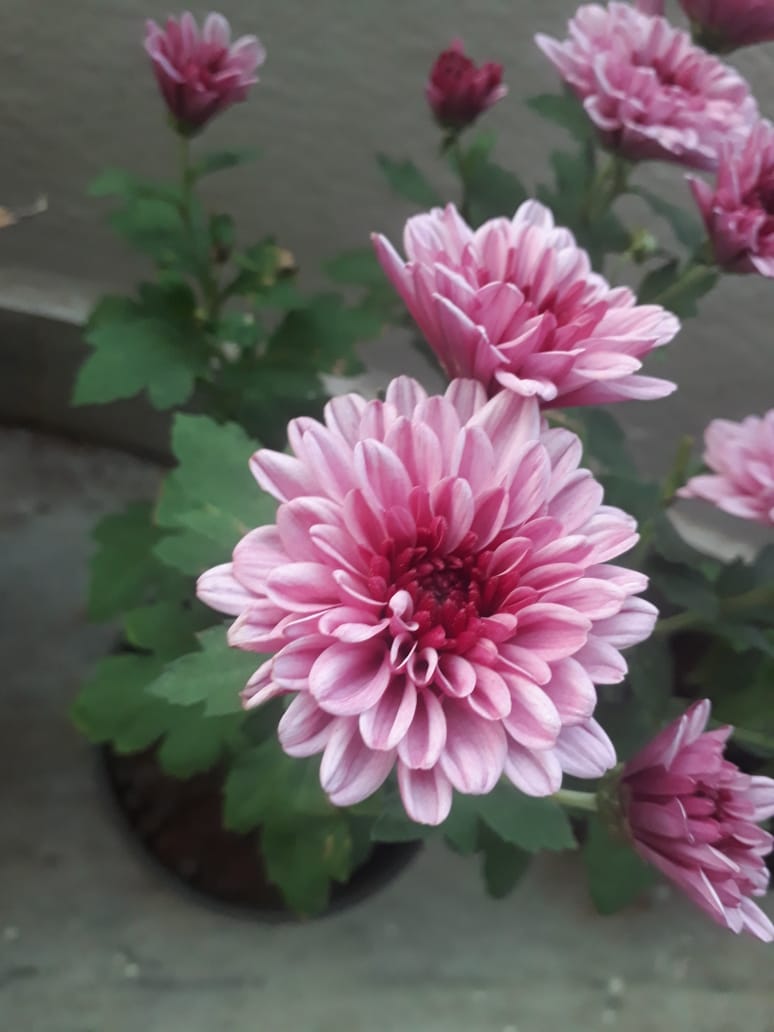
The ideal planting window is June through July, right at the onset of the monsoon season. This gives the cuttings ample moisture for root development and a full vegetative growth phase before short days trigger bud formation in September and October.
Shevanti can survive indoors temporarily, but it needs at least 5–6 hours of direct sunlight to bloom properly. A south-facing window or balcony is the minimum. Without sufficient light, plants become leggy and produce few or no flowers. Our team recommends treating indoor shevanti as a display plant during bloom and moving it outside for the growing season.
During active growth, watering every 1–2 days keeps the soil consistently moist without waterlogging. Once buds form, reducing frequency slightly — every 2–3 days — helps concentrate flower color. The soil should feel damp an inch below the surface but never saturated. Container plants dry out faster than ground-planted ones and need more frequent attention.
Yellow leaves typically indicate overwatering, nitrogen deficiency, or root-bound conditions. Checking drainage first is the smartest move — soggy roots cause yellowing faster than any nutrient issue. If drainage is fine, a dose of balanced fertilizer usually resolves the problem within a week. In older plants, lower leaf yellowing is natural and not a cause for concern.
Individual shevanti blooms last 2–4 weeks on the plant, and the overall flowering period extends 6–8 weeks when varieties with staggered bloom times are grown together. As cut flowers, shevanti lasts 10–14 days in a clean vase with fresh water — one of the longest vase lives of any common garden flower.
Growing shevanti flowers is one of the most accessible and rewarding projects any gardener can take on — minimal investment, straightforward care, and a spectacular autumn payoff. Our team's advice is simple: grab a few cuttings this monsoon season, follow the pinching and feeding schedule outlined above, and watch the magic happen. Once those first blooms open, there's no going back.
 |
 |
 |
 |

About Christina Lopez
Christina Lopez grew up in the scenic city of Mountain View, California. For eighteen ascetic years, she refrained from eating meat until she discovered the exquisite delicacy of chicken thighs. Christina is a city finalist competitive pingpong player, an ocean diver, and an ex-pat in England and Japan. Currently, she is a computer science doctoral student. Christina writes late at night; most of her daytime is spent enchanting her magical herb garden.


Get new FREE Gifts. Or latest free growing e-books from our latest works.
Disable Ad block to reveal all the links. Once done, hit a button below
|
|
|
|
 rinjal