India is home to over 8,000 tree species, yet fewer than two dozen account for the majority of fast-shade and quick-harvest plantings across the country. For anyone searching for the fastest growing trees in India, the options range from towering timber species that add 2–3 metres per season to compact fruit bearers that start producing within a single monsoon cycle. Whether the goal is privacy screening, fruit production, or long-term timber investment, the right fast-growing tree can transform a bare plot in remarkably little time. This guide covers 20 proven performers, the gear needed to plant them, realistic costs, and the pitfalls that trip up even experienced growers. For more on rapid-yield plants, herbs, and farming, the broader category offers dozens of additional resources.

Growth rate alone does not make a tree the right choice. Climate zone, soil type, available space, and the intended purpose — shade, fruit, timber, or ornament — all play a role. A Moringa can shoot up to 4 metres in its first season, but it will not survive a harsh Himalayan winter. Meanwhile, a Sheesham grows slightly slower but yields premium hardwood worth several times its planting cost. The key is matching species to site conditions and long-term goals.
Below is a structured breakdown of 20 top performers, along with practical advice on tools, budgeting, common errors, and persistent myths that deserve correcting.
Contents
Planting fast-growing trees does not require industrial equipment, but having the right basic tools prevents wasted effort and gives saplings a stronger start. Many first-time planters underestimate how much proper soil preparation affects early growth rates.
A sturdy spade and a digging bar handle most planting holes. For heavy clay or rocky ground, a pickaxe saves hours of frustration. The planting hole should be at least twice the width of the root ball and just as deep — cramped roots slow even the fastest species. A soil testing kit (available for under ₹500) reveals pH and nutrient levels before planting. Most fast-growing Indian trees prefer slightly acidic to neutral soil (pH 6.0–7.5). Understanding different types of soil helps determine whether amendments like comite, sand, or organic matter are needed before the sapling goes in.
Drip irrigation is the single most impactful upgrade for a tree plantation. A basic drip kit for 10–20 trees costs ₹1,500–₹3,000 and cuts water usage by roughly 40% compared to flood irrigation. For smaller home gardens, a simple ring basin around each tree trunk — about 60 cm in diameter — ensures water reaches the root zone rather than running off. Mulching with 3–4 inches of organic material around the base retains moisture and suppresses weeds during the critical first monsoon season. Coco peat works well as a moisture-retaining amendment mixed into the planting hole.
These species represent the fastest growing trees in India across timber, fruit, shade, and multipurpose categories. Growth rates vary by region and care, but all are proven performers under Indian conditions.
1. Bamboo — Technically a grass, bamboo is the undisputed speed champion. Certain species like Dendrocalamus strictus can grow 30–90 cm per day during peak monsoon. It reaches harvestable height within 3–4 seasons and provides material for construction, furniture, and crafts.

2. Sheesham (Dalbergia sissoo) — One of India's most valuable hardwoods, Sheesham grows 1.5–2 metres per season in well-drained alluvial soil. Mature timber fetches premium prices, making it a favourite for deep-rooted tree plantations in North India.
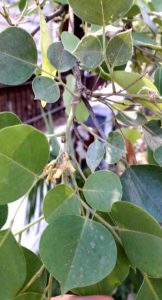
3. Sagwan / Teak (Tectona grandis) — The gold standard of Indian timber trees. Teak adds about 1.5 metres annually and reaches commercial harvest size in 15–20 seasons. It thrives across Maharashtra, Madhya Pradesh, and the Western Ghats.

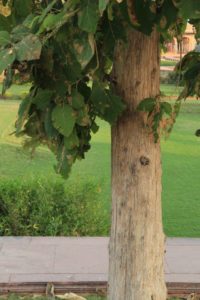
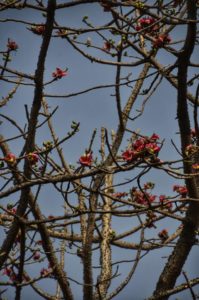
4. Semal (Bombax ceiba) — The silk-cotton tree grows rapidly to 20+ metres, producing striking red flowers. Its lightweight wood is used for matchsticks, plywood, and packaging. Semal tolerates poor soil and requires minimal care after establishment.
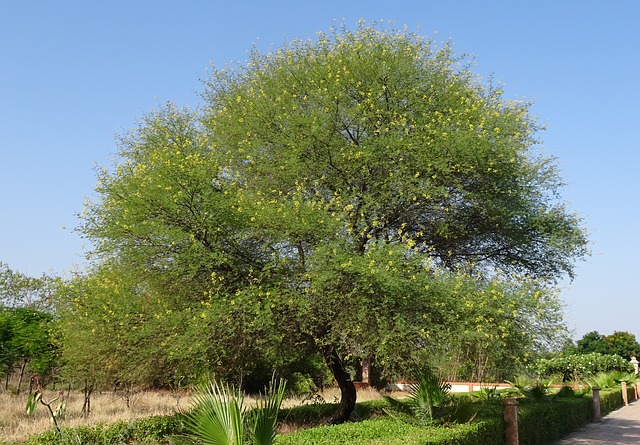
5. Babul (Vachellia nilotica) — A drought-resistant pioneer that thrives in arid and semi-arid zones. Babul grows 1–1.5 metres per season even in Rajasthan's harsh climate. Its wood is extremely hard and durable, prized for agricultural implements and fuel.
6. Banyan (Ficus benghalensis) — India's national tree is a vigorous grower once established. Its aerial roots allow it to spread over enormous areas. Banyan works best for large properties, parks, and roadside planting rather than small gardens.

7. Ficus / Fig (Ficus racemosa) — The cluster fig grows aggressively, reaching 8–10 metres within a few seasons. It provides dense shade and supports local wildlife. According to the agroforestry research community, Ficus species rank among the most ecologically valuable fast growers in tropical regions.
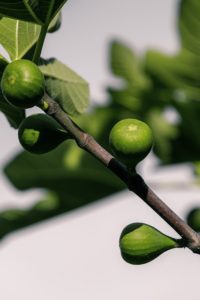
8. Mangrove (Avicennia / Rhizophora spp.) — In coastal regions, mangroves grow rapidly and serve a critical role in preventing soil erosion and protecting against storm surges. They are not garden trees but essential for coastal reforestation efforts.

Pro Tip: When choosing between timber trees, consider the end goal. Sheesham and Teak appreciate at least 8–10% in value each season, making them the best long-term financial investments among fast growers.
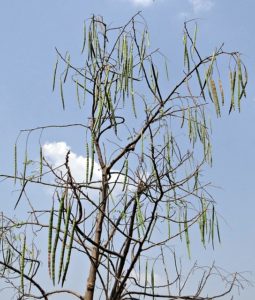
9. Moringa (Drumstick) — The fastest fruit-bearing tree on this list. Moringa can grow 3–4 metres in its first season and begins producing drumstick pods within 8 months. Every part — leaves, pods, seeds — is edible and nutrient-dense.
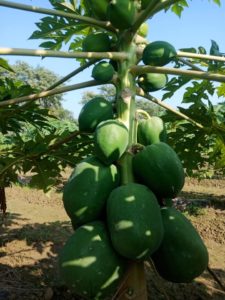
10. Papaya (Papeeta) — Papaya reaches fruiting height within 6–9 months and continues producing for several seasons. It demands warm temperatures and well-drained soil. Those interested in quick harvests should also explore the fastest growing fruits in India.
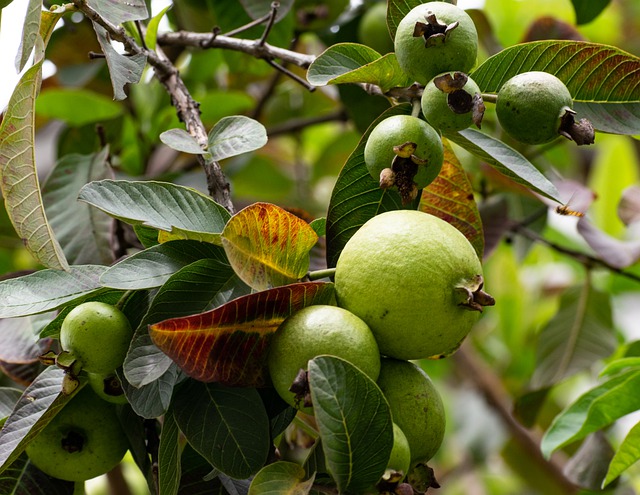
11. Guava (Amrood) — A dependable producer that grows 1–1.5 metres annually. Guava trees start bearing fruit within 2–3 seasons and tolerate a wide pH range. The fruit is rich in Vitamin C and fetches steady market prices.
12. Lemon (Nimboo) — Lemon trees grow moderately fast (about 1 metre per season) but compensate with near year-round fruiting in tropical and subtropical regions. They prefer full sun and regular watering.
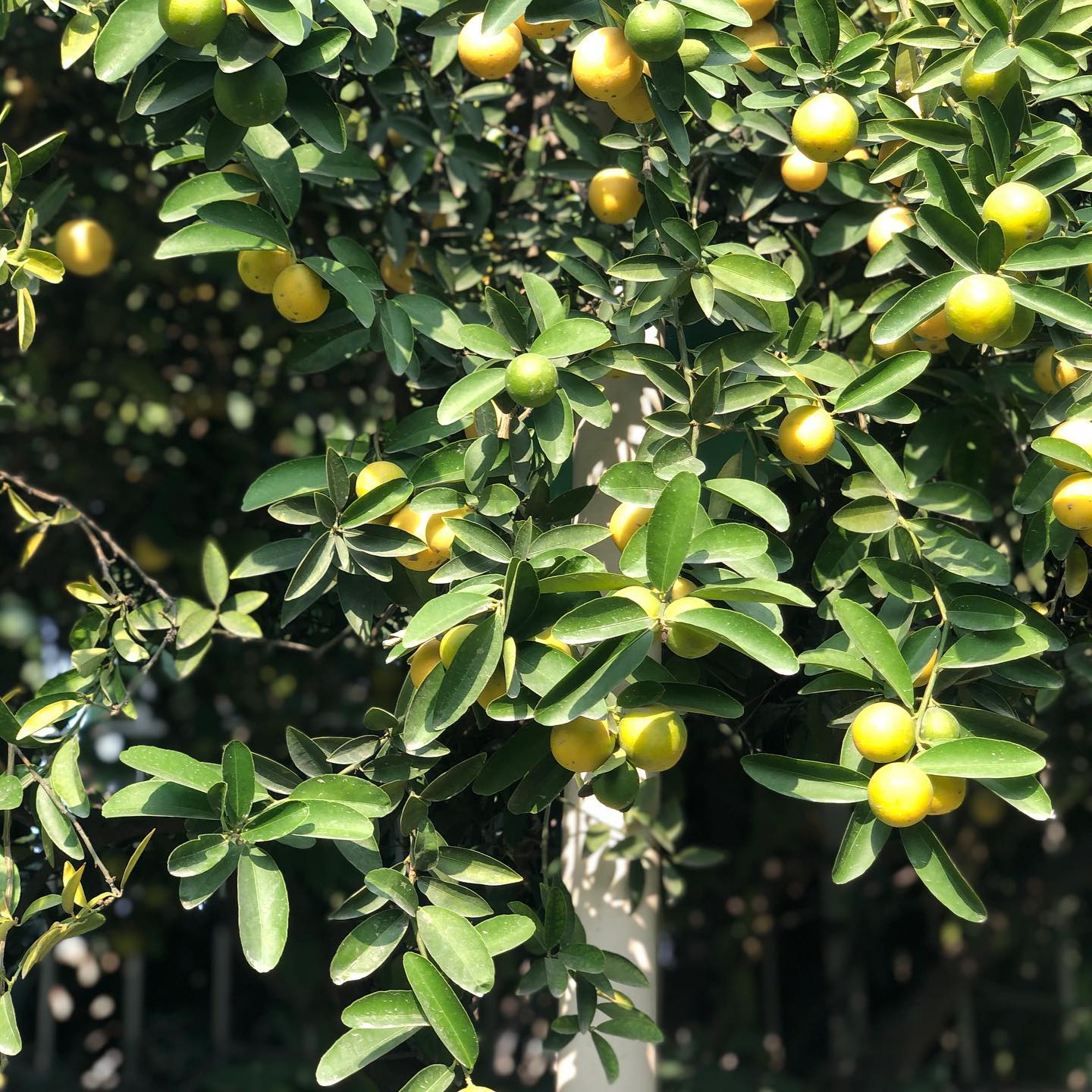
13. Jamun (Java Plum) — Jamun grows vigorously to 10–15 metres and produces deep purple fruit prized for its antidiabetic properties. It adapts to most Indian soils and requires little maintenance once established.
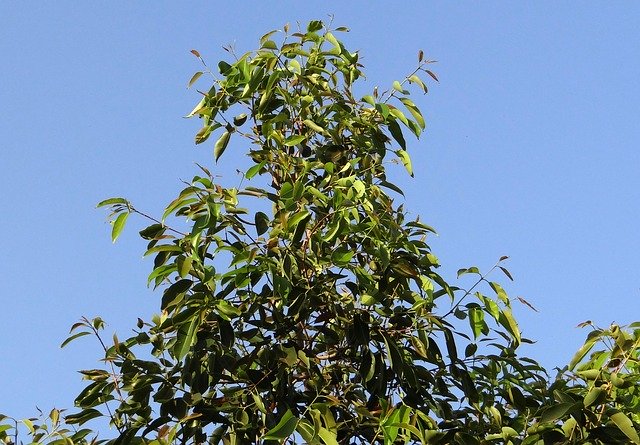
14. Ber (Indian Jujube) — One of the toughest fruit trees, Ber thrives in arid zones where most species struggle. It grows quickly, tolerates saline and alkaline soils, and produces nutritious fruit within 2–3 seasons.

15. Almond (Badam) — Almond trees grow steadily at about 1 metre per season and begin producing nuts within 3–5 seasons. They perform best in Kashmir, Himachal Pradesh, and other temperate zones with cold winters. For those looking at high-value crops, almonds rank among the most rewarding plants to invest in.
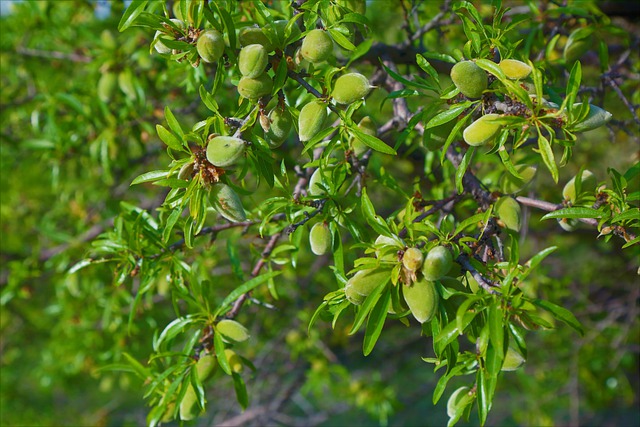
16. Neem (Azadirachta indica) — Neem grows 1.5–2 metres annually and provides shade, pesticide, medicine, and timber. It tolerates drought, poor soil, and high temperatures — making it one of the most adaptable fast growers in the subcontinent.
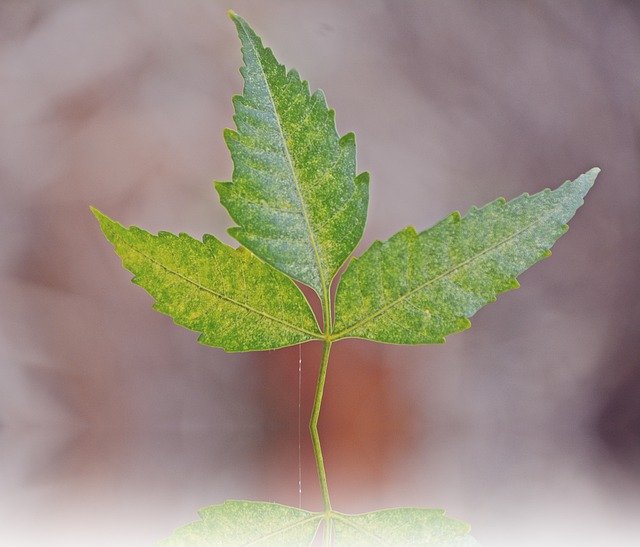
17. Amla (Indian Gooseberry) — Amla grows at a moderate pace and starts fruiting within 4–5 seasons. Its fruit is one of the richest natural sources of Vitamin C. Commercial Amla orchards generate reliable income with minimal input costs.
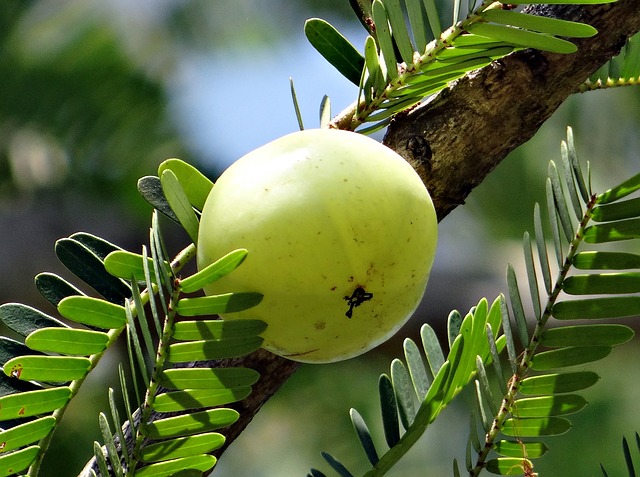
18. Chandan (Sandalwood) — While sandalwood is not the fastest grower (about 0.5–1 metre per season), it makes this list because of its extraordinary value. A mature sandalwood tree can be worth ₹5–10 lakh, and it grows well as an intercrop alongside faster species.
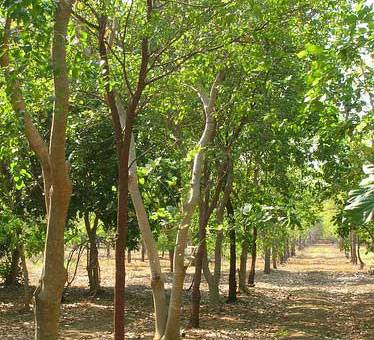
19. Shikakai (Acacia concinna) — A fast-growing climbing shrub-tree used widely in natural hair care products. Shikakai thrives in tropical forests and can be trained along fences or trellises. It requires acidic soil and regular moisture.
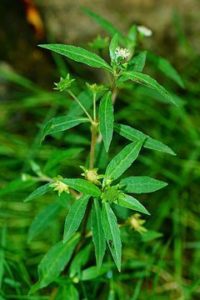
20. Mahua (Madhuca longifolia) — Mahua is a fast-growing deciduous tree found across central and northern India. Its flowers are used to produce traditional beverages and oil, while the seeds yield a fat used in soaps and candles. Mahua thrives in dry tropical forests with minimal care.
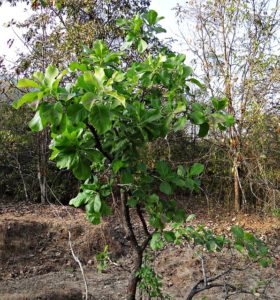
Planting fast-growing trees without a plan leads to overcrowding, root competition, and eventual removal — all of which waste time and money. A structured approach ensures each tree reaches its potential while complementing its neighbours.
Most planters make the mistake of spacing trees based on sapling size rather than mature canopy spread. A Neem sapling may be 30 cm tall, but it will eventually need a 10-metre radius of clear space. Succession planting — staggering species by growth rate — is one of the smartest strategies available. Plant fast-growing shade providers like Moringa or Semal first, then introduce slower but more valuable species like Teak or Sandalwood underneath their canopy once shade is established.
Anyone considering a larger-scale planting project should look into the logistics and costs of a community garden setup, which shares many of the same planning principles around spacing, watering infrastructure, and species selection.
The initial cost of planting a tree is often much lower than people expect. The real expenses come from ongoing care — watering, fertilisation, and pest management — during the first two to three seasons. After that, most fast-growing species become largely self-sufficient.
| Tree Species | Sapling Cost (₹) | Growth Rate (m/season) | Time to First Yield | Primary Use |
|---|---|---|---|---|
| Bamboo | 50–150 | Up to 30 m | 3–4 seasons | Construction, crafts |
| Moringa | 20–50 | 3–4 | 8 months | Food, medicine |
| Papaya | 10–30 | 2–3 | 6–9 months | Fruit |
| Neem | 30–80 | 1.5–2 | 5–7 seasons | Medicine, shade, timber |
| Sheesham | 40–100 | 1.5–2 | 15–20 seasons | Premium timber |
| Teak | 50–120 | 1–1.5 | 15–20 seasons | Timber |
| Guava | 60–150 | 1–1.5 | 2–3 seasons | Fruit |
| Jamun | 40–100 | 1–2 | 4–6 seasons | Fruit, medicine |
| Babul | 20–50 | 1–1.5 | 5–7 seasons | Timber, fuel |
| Sandalwood | 100–300 | 0.5–1 | 15+ seasons | Fragrance, oil |
For a home garden with 5–10 trees, the total startup cost — including saplings, soil amendments, mulch, and a basic drip kit — typically falls between ₹3,000 and ₹8,000. Ongoing seasonal costs for water and organic fertiliser add ₹500–₹1,500 per season for the first few growth cycles.
Budget Warning: Avoid buying oversized nursery saplings (above 1.5 m). They cost 3–5× more and often have root-bound systems that grow slower after transplanting than smaller, healthier stock.
Even the fastest growing trees in India stall when basic care mistakes rob them of their genetic potential. These are the errors seen most often in both home gardens and commercial plantations.
More trees die from overwatering than from drought. Species like Babul, Neem, and Ber evolved in arid conditions — their roots need oxygen as much as they need moisture. Waterlogged soil creates anaerobic conditions that invite fungal root rot. The finger test works: if the top 5 cm of soil feels moist, skip watering. During monsoon season, ensure drainage channels are clear around each tree's root zone.
The onset of monsoon (June–July) is the ideal planting window for most fast-growing species across India. Planting in peak summer or winter forces saplings to spend energy on survival rather than growth. The exception is container-grown nursery stock, which can be transplanted almost any time with adequate watering. Planting during the early monsoon gives saplings 3–4 months of natural rainfall to establish root systems before the dry season arrives.
Another frequently overlooked error is neglecting proper root management — especially when planting near structures, driveways, or boundary walls. Fast-growing trees develop aggressive root systems that can crack foundations if placed too close to built structures.
Several persistent myths discourage people from planting fast-growing species. Most of these misconceptions stem from outdated information or confusion between different species.
A common belief holds that fast-growing trees produce weak, unusable wood. This is flatly wrong for species like Sheesham and Teak, which grow rapidly while producing some of the hardest, most durable timber on the planet. The myth likely originates from experience with softwood species like Poplar and Semal, whose wood is indeed lighter — but "light" is not the same as "weak." Poplar is widely used in plywood manufacturing precisely because of its strength-to-weight ratio.
Many gardeners assume fast growers are water hogs. In reality, species like Babul, Neem, Ber, and Moringa are among the most drought-tolerant trees in India. Their rapid growth in favourable conditions does not mean they demand constant irrigation. Once established (typically after 2–3 monsoon seasons), most of these trees survive on rainfall alone in regions receiving 600+ mm annually. The trees that genuinely need regular watering — Papaya, Guava, Lemon — would need the same amount regardless of their growth rate.
Another popular myth claims that fast-growing trees attract more pests. Growth rate has no direct correlation with pest susceptibility. Neem, in fact, is one of the most pest-resistant trees in existence — its extracts are used as organic pesticide on other crops. Species-specific pest profiles matter far more than growth speed.
Bamboo holds the top position. Certain Indian species like Dendrocalamus strictus and Bambusa balcooa can grow 30–90 cm per day during peak monsoon season, making them the undisputed fastest-growing woody plants in the country.
Several fast growers — Moringa, Papaya, Guava, Lemon, and Amla — are well-suited to small gardens. The key is choosing species with manageable canopy spread and keeping them pruned. Avoid planting Banyan, Ficus, or full-size Neem in compact spaces.
Most fast-growing saplings need 10–15 litres of water every 2–3 days during the dry months of their first season. Once monsoon arrives, rainfall typically provides sufficient moisture. A mulch ring around the base reduces watering frequency by 30–40%.
Rules vary by state. Karnataka, Tamil Nadu, and Kerala have relaxed regulations that allow private cultivation with a permit. Sandalwood cultivation is legal in most states now, though harvesting and selling may require government approval depending on local laws.
Well-drained loamy soil with a pH between 6.0 and 7.5 suits most fast-growing species. However, many — like Babul, Neem, and Ber — tolerate sandy, rocky, or even slightly saline soil. Testing soil before planting helps match species to site conditions.
The onset of monsoon season (June–July) is ideal for most species. Planting just before the rains gives saplings several months of natural moisture to establish strong root systems before the dry season. Container-grown nursery stock can be transplanted year-round with adequate irrigation.
Not necessarily. Neem trees can live 150–200 seasons, Banyan trees survive for centuries, and Teak remains productive for over 100 seasons. Growth rate and lifespan are independent traits. Papaya and Moringa do have shorter productive lives (5–10 seasons), but that is a species characteristic rather than a consequence of fast growth.
The fastest growing trees in India offer shade, fruit, timber, and ecological benefits far sooner than most people realise — and for a fraction of the cost of landscaping alternatives. Pick two or three species from this list that match the local climate and soil conditions, order saplings from a reputable nursery, and plant them at the start of the next monsoon season. A tree planted this season becomes a shade canopy, a fruit source, or a timber asset far sooner than expected.
 |
 |
 |
 |

About Christina Lopez
Christina Lopez grew up in the scenic city of Mountain View, California. For eighteen ascetic years, she refrained from eating meat until she discovered the exquisite delicacy of chicken thighs. Christina is a city finalist competitive pingpong player, an ocean diver, and an ex-pat in England and Japan. Currently, she is a computer science doctoral student. Christina writes late at night; most of her daytime is spent enchanting her magical herb garden.


Get new FREE Gifts. Or latest free growing e-books from our latest works.
Disable Ad block to reveal all the links. Once done, hit a button below
|
|
|
|
 rinjal