A neighbor once planted a papaya sapling in a small backyard plot, and within six months, the tree stood taller than the boundary wall with fruit already forming. That rapid turnaround is not unusual — India's tropical and subtropical climate zones create ideal conditions for several fruit species that race from planting to harvest. For anyone exploring the fastest growing fruits in India, the options range from familiar staples like banana and guava to lesser-known gems like mulberry and custard apple. This guide covers the top performers, how to care for them, and the mistakes that slow growers down. For more on productive home growing, check out the plants, herbs & farming resource hub.
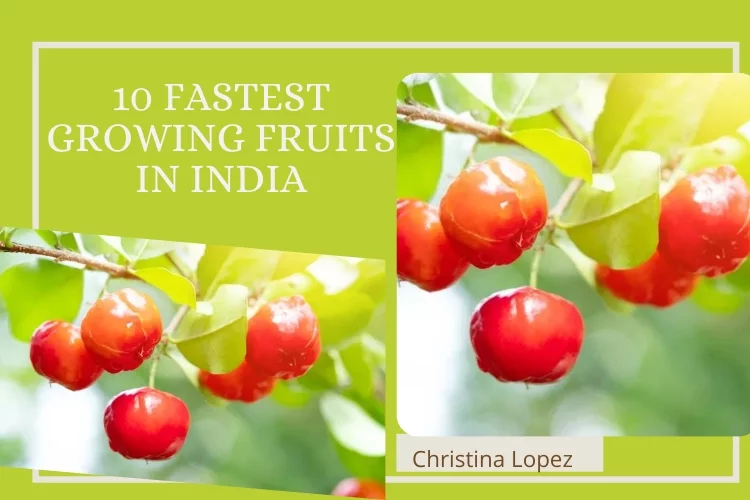
India's diverse agro-climatic regions — from the humid tropics of Kerala to the arid plains of Rajasthan — support a surprisingly wide variety of fast-fruiting species. The key is matching the right fruit to the right zone, soil type, and season. Get that alignment right, and harvests come faster than most new growers expect.
Contents
Not all fruit trees demand years of patience. Several species native or well-adapted to India produce harvestable fruit within months of planting. Here is a comparison of the fastest growing fruits in India ranked by typical time to first harvest:
| Fruit | Time to First Harvest | Best Climate Zone | Yield per Tree (Annual) |
|---|---|---|---|
| Papaya | 6–9 months | Tropical / Subtropical | 30–50 kg |
| Banana | 10–14 months | Tropical / Humid | 15–25 kg |
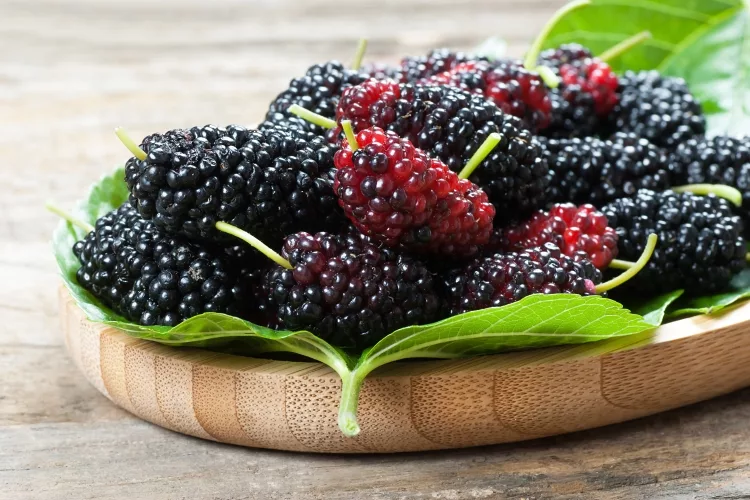
| Mulberry | 3–5 months (from cutting) | All zones | 5–8 kg |
| Guava | 1–2 years | Tropical / Subtropical | 25–50 kg |
| Indian Plum (Ber) | 1–2 years | Arid / Semi-arid | 40–60 kg |
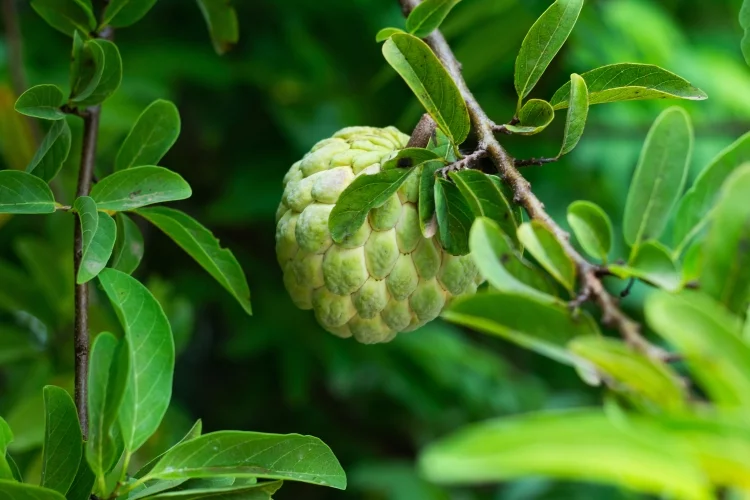
| Custard Apple | 2–3 years | Semi-arid / Tropical | 15–20 kg |
| Citrus (Lemon/Lime) | 2–3 years | Subtropical | 20–40 kg |
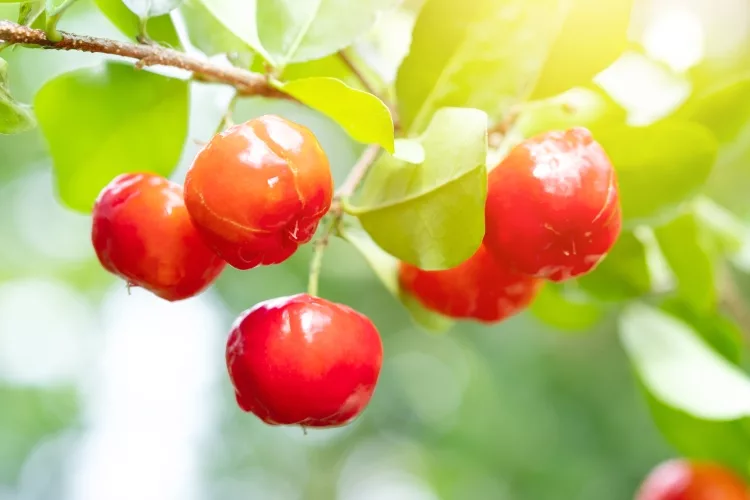
| Indian Wild Cherry | 2–3 years | Himalayan foothills | 10–15 kg |
| Apricot | 3–4 years | Temperate (Kashmir, HP) | 20–30 kg |
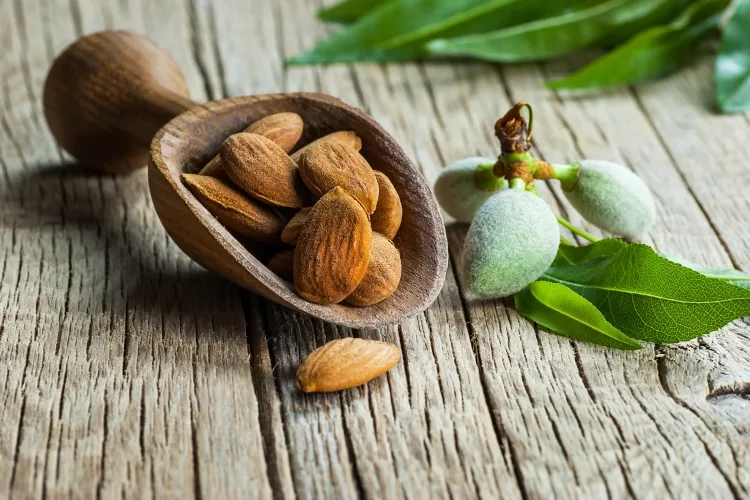
| Almond | 3–5 years | Temperate / Dry | 5–10 kg (nuts) |
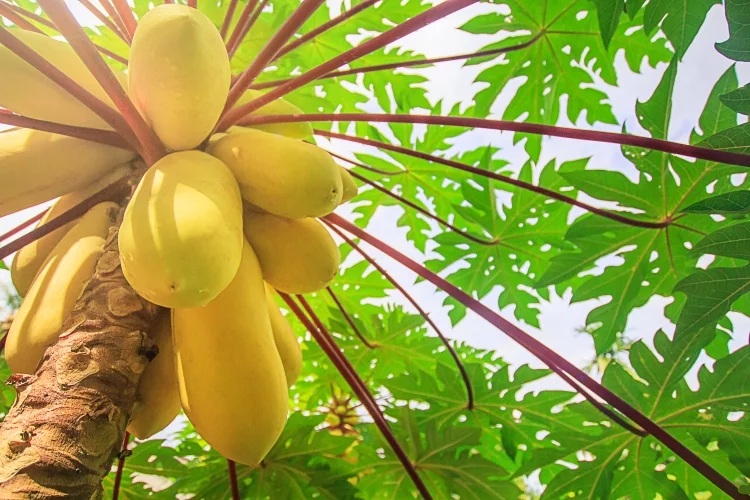
Papaya holds the speed record. From seed to fruit in as little as six months, it thrives in well-drained loamy soil across most Indian states. Key points:
Banana plants — technically giant herbs, not trees — produce a harvestable bunch within 10 to 14 months. They demand consistent moisture and rich organic matter. Popular Indian cultivars include Robusta, Grand Naine, and Poovan.
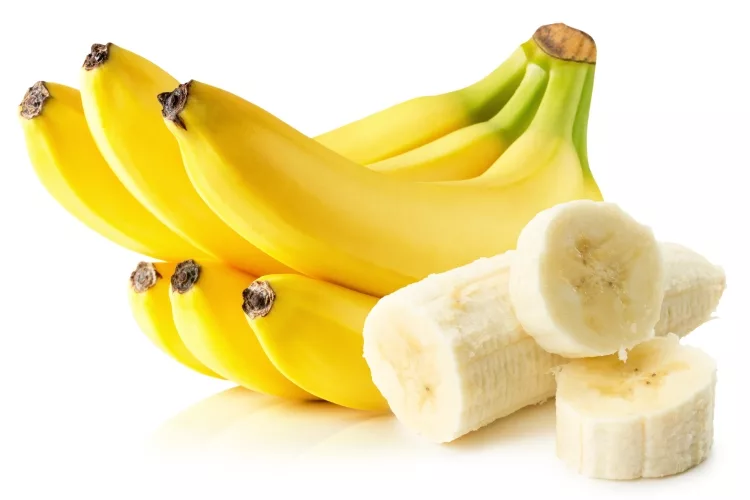
Pro tip: Remove all but one or two suckers per plant. Letting multiple suckers grow divides the plant's energy and delays fruiting by weeks.
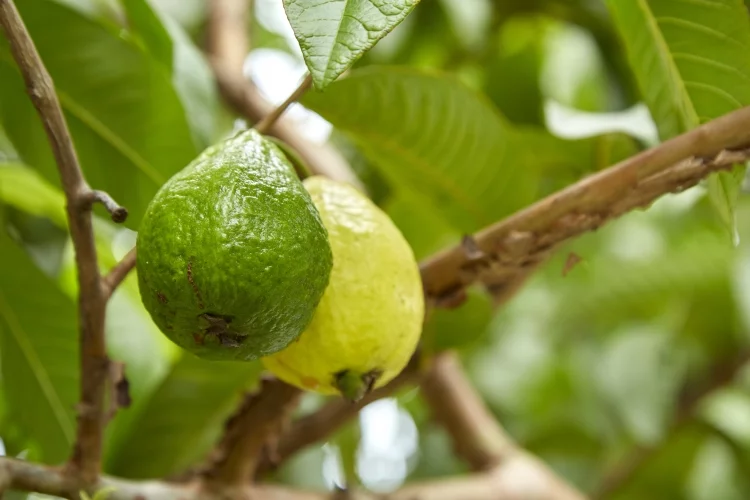
Guava is one of the most forgiving fruit trees for Indian growers. It tolerates a wide pH range (4.5–8.2), handles drought once established, and produces fruit within one to two years from a grafted sapling. The Allahabad Safeda and L-49 varieties are widely recommended.
Those growing fruit in containers should also explore the easiest fruits to grow in pots — guava ranks high on that list too.
Timing determines whether a fast-growing fruit lives up to its reputation or stalls for an extra season. Even the fastest growing fruits in India underperform when planted at the wrong time.
The monsoon window (June–September) remains the gold standard for planting most fruit saplings:
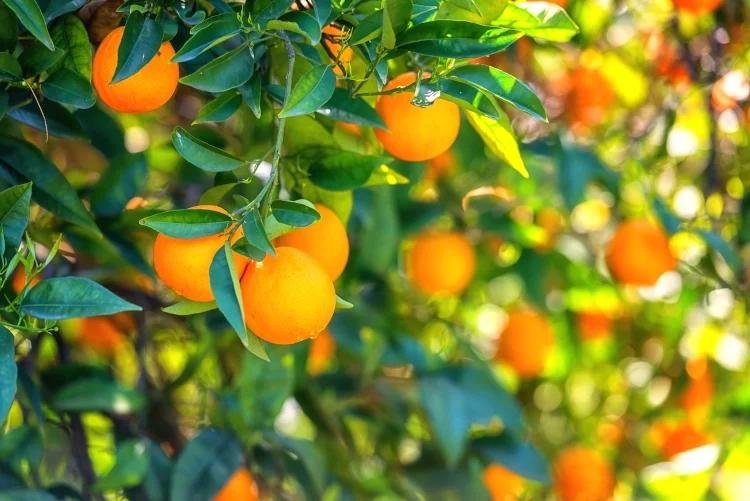
Understanding soil composition matters just as much as timing. A primer on different types of soil for gardening helps growers match their site to the right fruit species.
Speed means nothing without proper maintenance. Fast-growing fruit trees are heavy feeders that demand attention during their initial growth spurts.
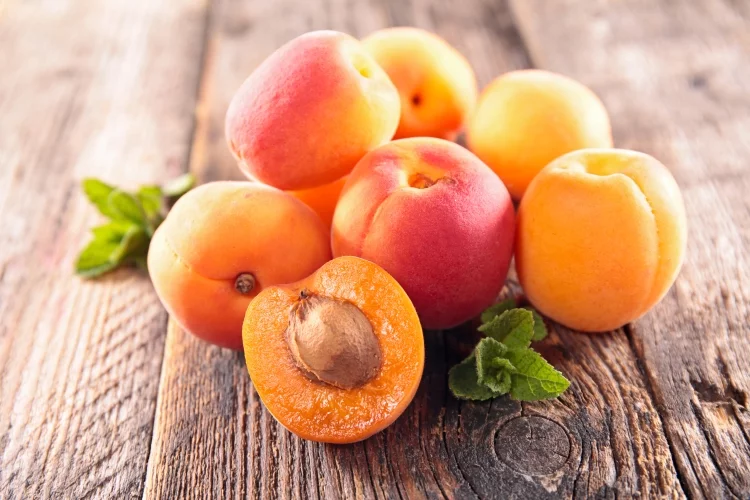
Strategic pruning directs energy toward fruit production rather than excessive vegetative growth:
Warning: Avoid heavy pruning on custard apple and mulberry during active fruiting. It causes premature fruit drop and can reduce the season's yield by up to 40%.
Fast-growing fruit trees serve multiple purposes beyond producing edible fruit. Smart gardeners leverage them for broader benefits.
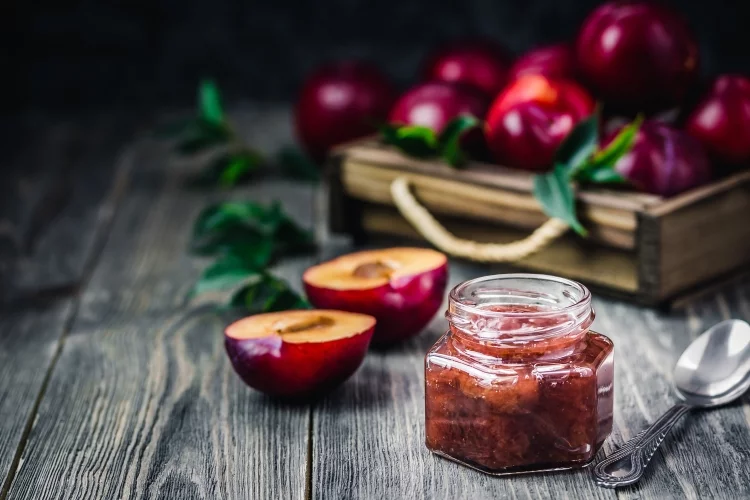
Even fast-growing species stall when growers make avoidable errors. These are the most frequent culprits.
Key insight: Grafted guava and citrus trees can fruit a full year earlier than seed-grown counterparts. The upfront cost difference is minimal compared to the time saved.
India's position between the Tropic of Cancer and the equator gives it a unique agricultural advantage. Understanding these factors helps growers maximize speed.
Fruits native to the Indian subcontinent — like Indian plum, custard apple, and mulberry — carry natural resistance to local pests and diseases. This translates to:
For growers interested in expanding beyond fruits, exotic plants in India and deep-rooted trees in India cover species that complement a fast-fruit garden.
Papaya is the fastest, producing fruit within 6–9 months of planting. Mulberry comes close when grown from cuttings, fruiting in as little as 3–5 months under favorable conditions.
Guava, citrus (lemon and lime), and dwarf papaya varieties grow well in large containers (minimum 20-inch diameter). Banana and mulberry need ground planting for optimal yields.
Well-drained loamy soil with a pH between 6.0 and 7.5 suits most fast-growing fruits. Adding organic compost at planting improves soil structure, nutrient content, and water retention.
Apply balanced NPK fertilizer every 2–3 months during the growing season (March–October). Heavy feeders like banana benefit from additional potassium during flowering. Avoid fertilizing in winter dormancy.
Most do. Papaya, banana, guava, and citrus need a minimum of 6 hours of direct sunlight daily. Mulberry and custard apple tolerate partial shade but produce better fruit in full sun.
Tropical fruits like papaya and banana suit southern and coastal states. Temperate fruits like apricot and almond perform best in Jammu & Kashmir, Himachal Pradesh, and Uttarakhand. Indian plum and custard apple handle the widest range of conditions.
Use grafted saplings instead of seed-grown trees, plant during the monsoon for faster establishment, apply organic mulch to maintain root-zone moisture, and prune strategically to redirect energy toward fruit production.
 |
 |
 |
 |

About Christina Lopez
Christina Lopez grew up in the scenic city of Mountain View, California. For eighteen ascetic years, she refrained from eating meat until she discovered the exquisite delicacy of chicken thighs. Christina is a city finalist competitive pingpong player, an ocean diver, and an ex-pat in England and Japan. Currently, she is a computer science doctoral student. Christina writes late at night; most of her daytime is spent enchanting her magical herb garden.


Get new FREE Gifts. Or latest free growing e-books from our latest works.
Disable Ad block to reveal all the links. Once done, hit a button below
|
|
|
|
 rinjal