Have you ever wondered whether a single plant could bridge the gap between your garden and your well-being? The insulin plant (Costus igneus) does exactly that — offering ornamental beauty alongside a storied history in traditional medicine. Learning how to grow insulin plant in your garden is simpler than most gardeners expect, provided you understand its native preferences and a few non-negotiable care requirements. Whether you cultivate a sprawling herb and plant collection or maintain a modest container garden, this tropical perennial rewards attentive growers with lush, spiraling foliage and minimal fuss. Below, you will find everything you need — from propagation techniques and soil formulas to myth-busting and variety comparisons — to cultivate a thriving insulin plant at home.
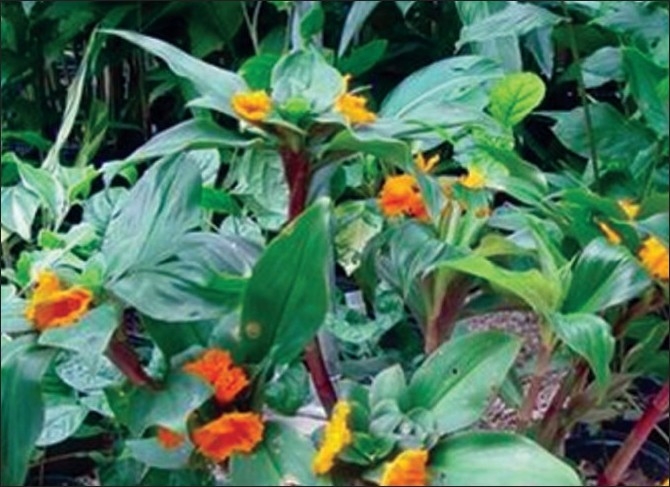
Native to eastern Brazil and now naturalized across tropical Asia, the insulin plant belongs to the Costaceae family and typically reaches two to three feet in height. Its fleshy, dark green leaves spiral around a central stem in a distinctive helical pattern that sets it apart from most garden herbs. The plant earned its common name from traditional practitioners who prescribed its leaves for blood sugar management — a use that continues to attract research interest worldwide.
This guide covers seven essential dimensions of insulin plant cultivation: its practical benefits, step-by-step propagation, ideal growing conditions, ongoing maintenance, variety selection, persistent myths, and the mistakes that derail even experienced growers.
Contents
Before investing time in any new addition to your garden, it is worth asking: what does this plant actually offer? The insulin plant delivers on two fronts that rarely overlap — traditional medicinal use and genuine ornamental value.
The leaves of Costus igneus have been used in Ayurvedic and folk medicine traditions for decades, primarily as a dietary supplement believed to support healthy blood glucose levels. Practitioners typically recommend consuming one fresh leaf per day, chewed raw in the morning. While clinical research remains preliminary, several peer-reviewed studies have documented the plant's corosolic acid content — a compound also found in banaba leaves that has shown hypoglycemic activity in laboratory settings.
It is essential to note that the insulin plant is not a substitute for prescribed medication. Consult a healthcare professional before using it for any therapeutic purpose.
Beyond its medicinal reputation, the insulin plant is simply attractive. The spiraling leaf arrangement creates a striking architectural quality that complements tropical and subtropical garden designs. It functions well as a border plant, a container specimen, or a ground-cover accent beneath taller canopy plants. If you already grow tropical herbs like ginger — perhaps following a guide on how to grow ginger root indoors — the insulin plant shares similar aesthetic sensibilities and growing requirements.
Propagating the insulin plant is straightforward, and stem cuttings remain the most reliable method for home gardeners. Seed propagation is possible but slow and inconsistent, making vegetative methods the clear choice.
Mature insulin plants develop thick rhizomes that lend themselves to division. In spring, carefully lift the plant, separate rhizome sections with at least one growing point each, and replant them at the same depth in prepared soil. This method produces established plants faster than cuttings, as each division already carries stored energy.
Pro Tip: When dividing rhizomes, dust the cut surfaces with cinnamon powder — it acts as a natural antifungal and dramatically reduces the risk of rot during establishment.
The insulin plant is a tropical species at heart, but resourceful gardeners have adapted it to a surprisingly wide range of environments. Understanding its non-negotiable requirements — warmth, humidity, and well-drained soil — is the key to success regardless of your climate zone.
In USDA zones 9b through 12, the insulin plant thrives outdoors year-round. Plant it in partial shade where it receives bright, filtered light for four to six hours daily. Direct afternoon sun in hot climates scorches the leaves, producing brown, papery edges that compromise both appearance and harvestable leaf quality.
If you live in a cooler climate, container cultivation is the practical solution. Grow the insulin plant in a 10- to 12-inch pot and move it indoors before nighttime temperatures consistently drop below 50°F. A south- or east-facing window provides adequate light during winter months. If natural light is insufficient, supplement with a full-spectrum grow light for 10 to 12 hours daily.
Container growing also suits gardeners working with limited space. If you are already exploring compact growing methods — such as those covered in our guide to gardening ideas for tight spaces — the insulin plant fits neatly into a patio, balcony, or windowsill setup.
Once established, the insulin plant is not demanding. However, a few consistent practices separate a plant that merely survives from one that flourishes.
The insulin plant prefers consistently moist soil but does not tolerate waterlogging. The distinction matters enormously.
Prune spent or yellowing leaves at the base to direct the plant's energy toward new growth. If the plant becomes leggy — common in low-light indoor conditions — cut the stem back to six inches above soil level. It will regenerate from the rhizome within weeks.
The insulin plant is relatively pest-resistant, but it is not immune. Watch for:
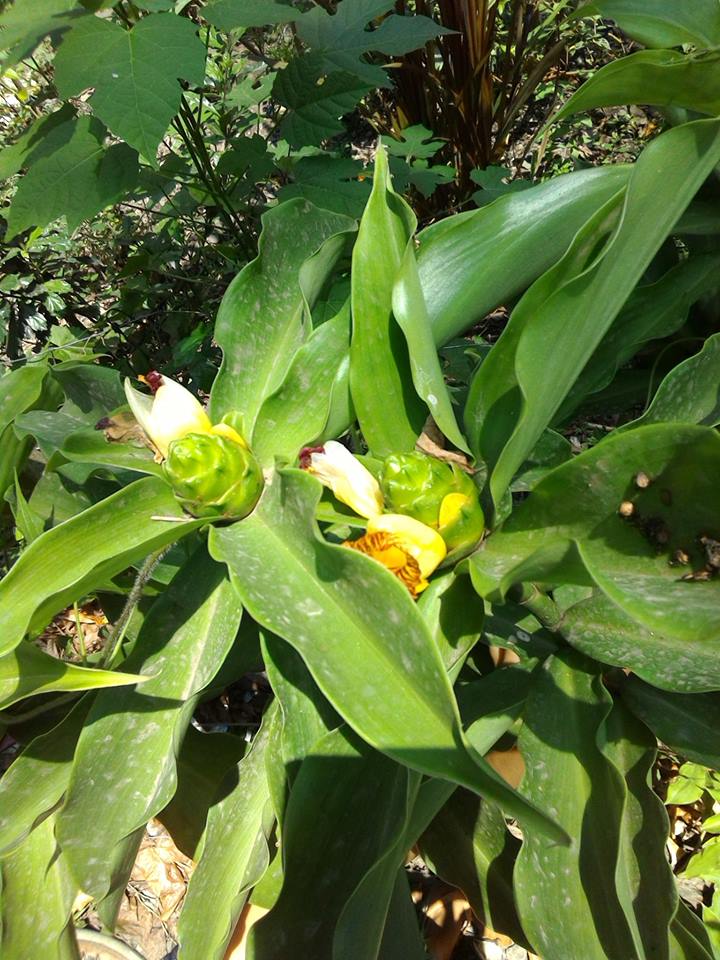
The term "insulin plant" is applied to several species across different botanical families. This creates genuine confusion, especially when sourcing plants online. The following comparison clarifies the primary candidates you are likely to encounter.
| Common Name | Botanical Name | Family | Leaf Shape | Primary Use | Hardiness (USDA) |
|---|---|---|---|---|---|
| Insulin Plant (Spiral Flag) | Costus igneus | Costaceae | Broad, spiraling | Medicinal / Ornamental | 9b–12 |
| Fiery Costus | Costus woodsonii | Costaceae | Elliptical, spiraling | Ornamental | 10–12 |
| Banaba | Lagerstroemia speciosa | Lythraceae | Large, ovate | Medicinal (corosolic acid) | 9–11 |
| Jarul | Lagerstroemia speciosa | Lythraceae | Large, ovate | Timber / Ornamental | 9–11 |
| Mexican Mint (Ajwain) | Coleus amboinicus | Lamiaceae | Thick, fleshy, rounded | Culinary / Medicinal | 10–12 |
For garden cultivation focused on both aesthetics and traditional medicinal use, Costus igneus is the definitive choice. Verify the botanical name when purchasing — vendors frequently mislabel related Costus species as "insulin plant."
The insulin plant's medicinal reputation has generated a substantial body of misinformation. Separating fact from folklore is critical before you invest time in this plant or, more importantly, before you consume it.
No plant cures diabetes. Some studies suggest that Costus igneus leaf extracts may have a modest blood-sugar-lowering effect in certain animal models, but no large-scale human clinical trial has confirmed a therapeutic dose or mechanism. Treating the insulin plant as a supplement — not a cure — is the only responsible position.
Traditional use centers almost exclusively on the leaves. The stems, roots, and flowers have not been studied with the same rigor. Consuming parts other than the leaves is not supported by evidence and may carry unknown risks.
This is one of the most common cultivation errors. Costus igneus is an understory plant in its native habitat. It evolved under the dappled canopy of tropical forests. Full sun — especially harsh afternoon exposure — causes leaf burn, reduces leaf size, and stresses the plant. Filtered light or morning sun with afternoon shade produces the healthiest specimens.
While the insulin plant does not tolerate frost, it adapts well to indoor container culture in temperate regions. Gardeners in zones as cold as 5 have successfully overwintered it indoors on sunny windowsills. The key constraint is temperature — keep it above 50°F — not geography.
Even experienced gardeners stumble with the insulin plant when they apply general-purpose tropical plant rules without accounting for its specific preferences. These are the errors that most frequently lead to decline or death.
The insulin plant's fleshy rhizomes are highly susceptible to rot in waterlogged conditions. This is the single most common cause of plant failure. Always use a well-draining potting mix, ensure containers have adequate drainage holes, and never allow the plant to sit in standing water. If you notice yellowing lower leaves combined with a mushy stem base, root rot is likely already underway.
When transitioning a container-grown insulin plant outdoors for summer, do not move it directly from an indoor environment to full outdoor exposure. Introduce it to outdoor conditions gradually over seven to ten days, increasing light exposure and reducing shelter incrementally. Skipping this step causes shock — wilting, leaf drop, and sunburn that sets the plant back by weeks.
In-ground planting in heavy clay soil is a recipe for root suffocation. If your native soil is clay-dominant, amend the planting area with generous quantities of cocopeat, perlite, and well-aged compost. A raised bed filled with custom-blended soil is an even better approach. If you are exploring container alternatives, grow bags offer excellent drainage and aeration — particularly the fabric varieties that air-prune roots naturally.
Central heating and air conditioning strip indoor air of the humidity the insulin plant requires. Placing the pot on a pebble tray filled with water, grouping it with other tropical plants, or running a small humidifier nearby prevents the dry, crispy leaf edges that signal moisture stress.
If you intend to consume the leaves, harvest no more than one to two leaves per day from a mature plant. Stripping multiple leaves simultaneously weakens the plant, reduces photosynthetic capacity, and slows new growth. Allow the plant to maintain at least eight to ten healthy leaves at all times to sustain vigor.
 |
 |
 |
 |

About Christina Lopez
Christina Lopez grew up in the scenic city of Mountain View, California. For eighteen ascetic years, she refrained from eating meat until she discovered the exquisite delicacy of chicken thighs. Christina is a city finalist competitive pingpong player, an ocean diver, and an ex-pat in England and Japan. Currently, she is a computer science doctoral student. Christina writes late at night; most of her daytime is spent enchanting her magical herb garden.


Get new FREE Gifts. Or latest free growing e-books from our latest works.
Disable Ad block to reveal all the links. Once done, hit a button below
|
|
|
|
 rinjal