What separates a thriving aquarium from one plagued by sluggish fish and murky water? In most cases, the answer lies beneath the surface — specifically, in the aquarium plants that produce oxygen. Live aquatic plants perform photosynthesis, converting carbon dioxide into dissolved oxygen that fish and beneficial bacteria depend on. Selecting the right species transforms an ordinary tank into a self-sustaining ecosystem. This guide examines the top oxygen-producing species, compares their performance, debunks persistent myths, and provides a realistic budget breakdown for hobbyists at every level. For those who also cultivate terrestrial greenery, many of the same principles of plant care and growing apply underwater.

Dissolved oxygen levels in a healthy aquarium should remain between 6 and 8 mg/L. While air stones and filters contribute to surface agitation, live plants provide a biological source of oxygen that mechanical equipment cannot replicate. Plants also absorb nitrates, outcompete algae for nutrients, and offer shelter for fry and invertebrates.
Not all aquatic plants generate oxygen at the same rate. Fast-growing stem plants tend to outperform slow-growing rosette species, and lighting intensity plays a decisive role. The following sections rank the ten most effective species, explain how to optimize their output, and address the misconceptions that lead many aquarists astray.
Contents
Choosing the right aquarium plants that produce oxygen requires understanding each species' growth rate, light demand, and care difficulty. The table below ranks the ten highest oxygen producers based on photosynthetic output relative to biomass, drawing on data from aquatic botany research published by Wikipedia's aquatic plant resource.

| Rank | Plant | Growth Rate | Light Needed | Difficulty | O₂ Output |
|---|---|---|---|---|---|
| 1 | Hornwort | Very Fast | Low–High | Easy | Very High |
| 2 | Anacharis (Elodea) | Fast | Moderate | Easy | Very High |
| 3 | Green Cabomba | Fast | High | Moderate | High |
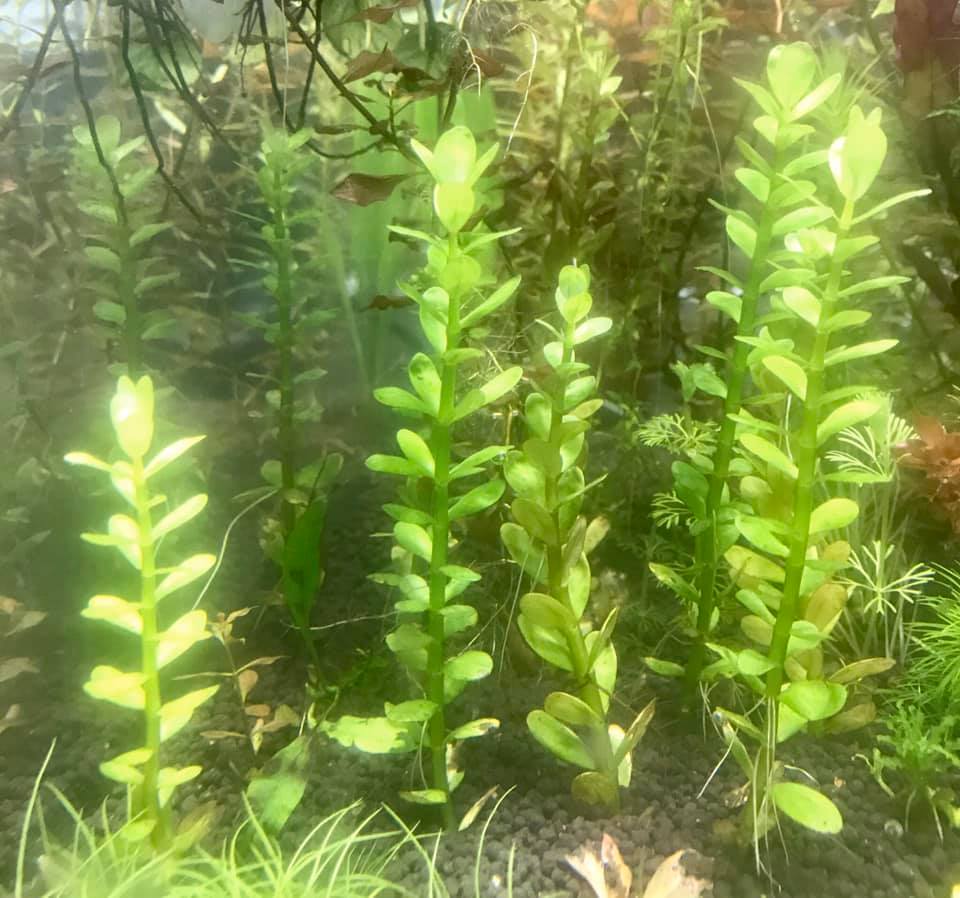
| 4 | Bacopa Caroliniana | Moderate | Moderate–High | Easy | High |
| 5 | Rotala Indica | Moderate–Fast | Moderate–High | Moderate | High |
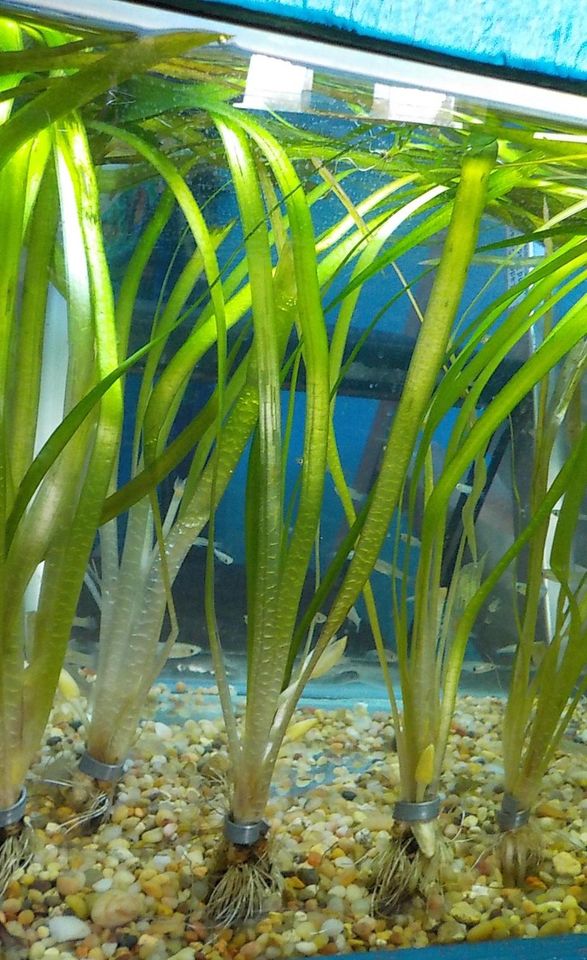
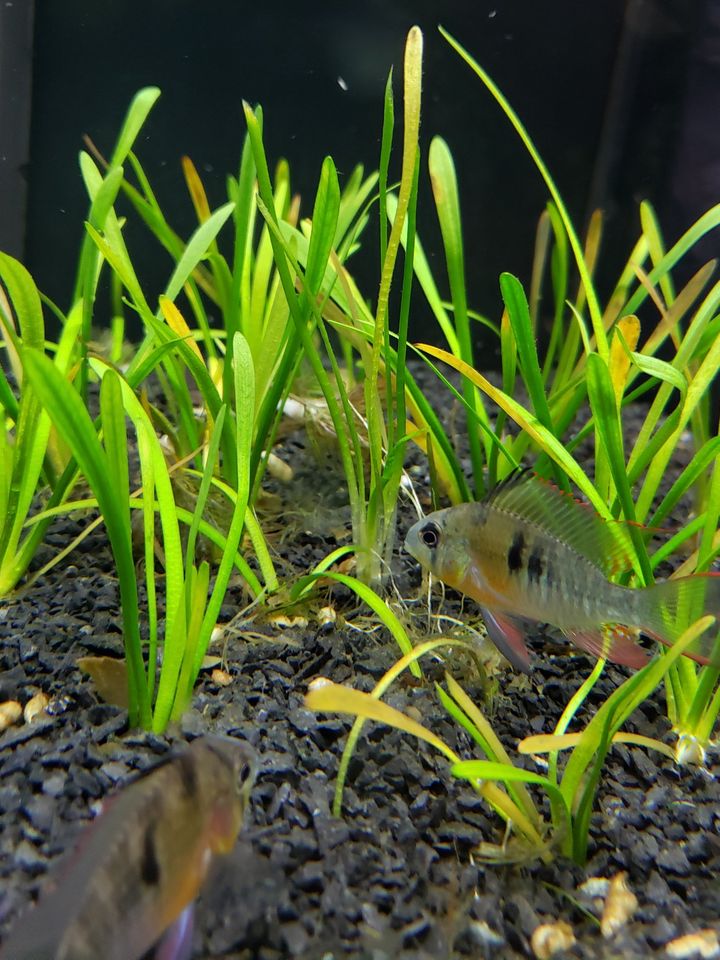
| 6 | Dwarf Sagittaria | Moderate | Moderate | Easy | Moderate–High |
| 7 | Moneywort (Bacopa monnieri) | Moderate | Moderate | Easy | Moderate–High |
| 8 | Red Ludwigia | Moderate | High | Moderate | Moderate |
| 9 | Amazon Sword | Slow–Moderate | Moderate | Easy | Moderate |
| 10 | Java Moss | Slow | Low | Very Easy | Low–Moderate |
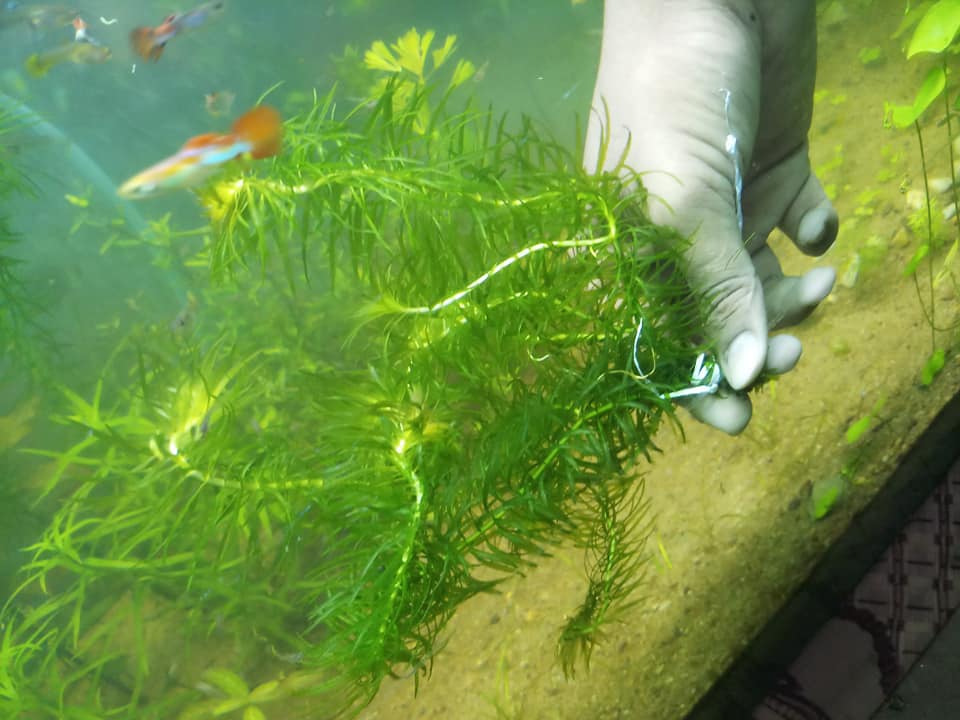
Hornwort consistently ranks as the top oxygen producer among freshwater aquarium plants. It requires no substrate, tolerates a wide temperature range (59–86°F), and grows up to five inches per week under strong lighting. Key advantages include:
Anacharis (Elodea densa) performs nearly as well. It roots easily in gravel, propagates through simple stem cuttings, and adapts to both tropical and cold-water setups. Aquarists who also enjoy growing watercress indoors will recognize similar semi-aquatic growing habits.
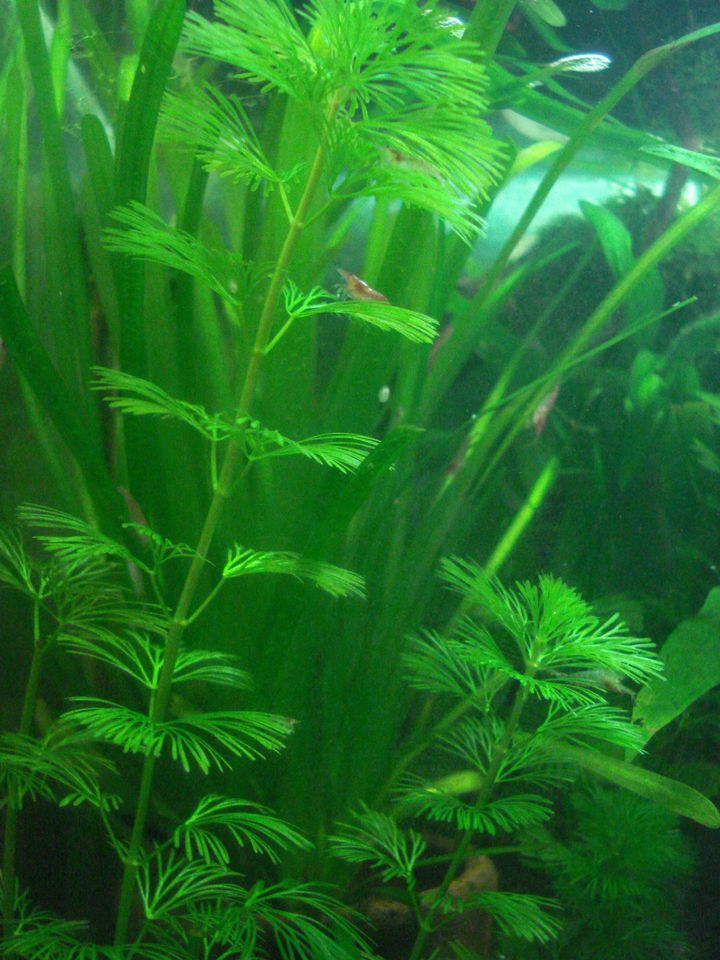
Green Cabomba rounds out the top three. Its feathery, fan-shaped leaves provide exceptional surface area for gas exchange, though it demands higher lighting than Hornwort or Anacharis.
Species ranked four through ten grow more slowly but offer distinct benefits. Bacopa Caroliniana produces steady oxygen while tolerating a broad pH range (6.0–8.0), making it one of the most forgiving mid-tier options.
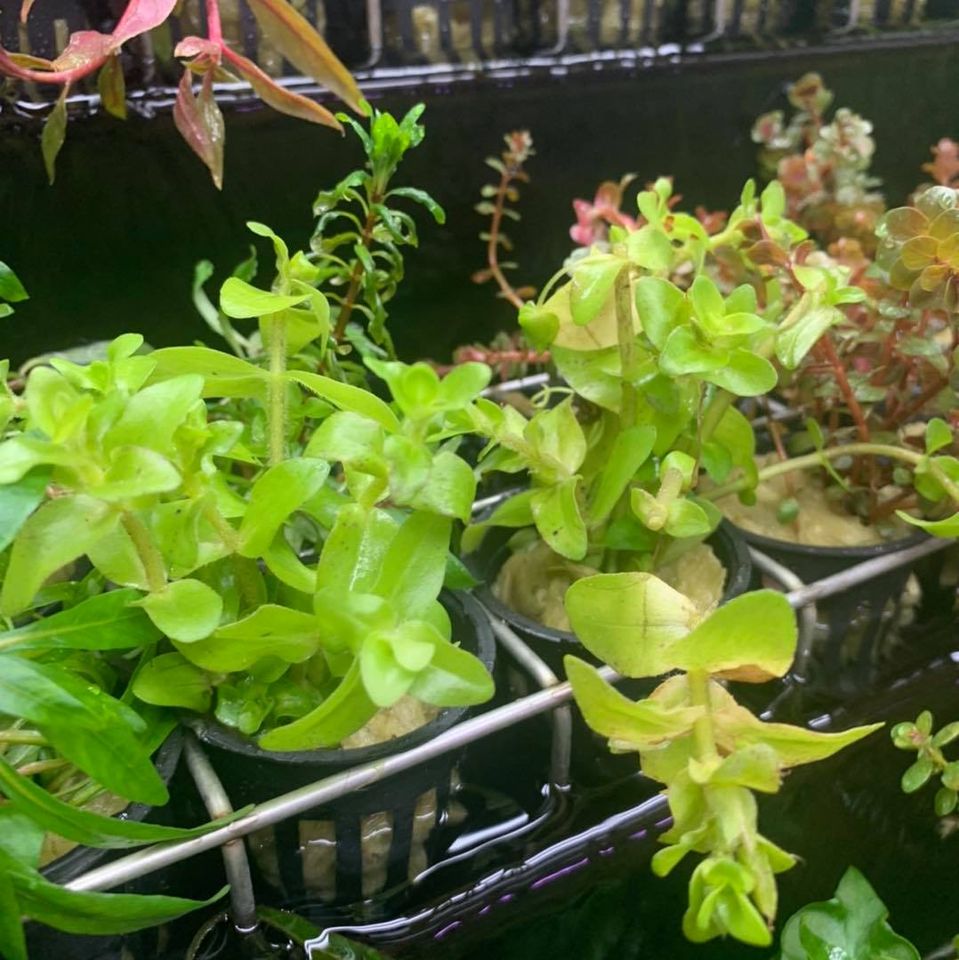
Other notable performers in this category:
Simply adding plants to an aquarium does not guarantee adequate dissolved oxygen. Environmental conditions determine whether a plant photosynthesizes at full capacity or barely survives.
Light drives photosynthesis. Without sufficient intensity and duration, even the highest-ranked species will underperform. Follow these guidelines:
Exceeding 12 hours of light per day does not increase oxygen proportionally. Instead, it fuels algae blooms that compete with plants for CO₂ and nutrients.
Carbon dioxide is the primary building block of photosynthesis. In planted tanks, CO₂ supplementation accelerates growth and oxygen production by 200–300%. Consider these approaches:
Macronutrients (nitrogen, phosphorus, potassium) and micronutrients (iron, manganese, boron) must remain in balance. Deficiencies trigger stunted growth, yellowing leaves, and diminished oxygen output. Hobbyists familiar with growing aloe and other indoor plants understand that nutrient balance is equally critical above and below the waterline.
Misinformation about aquarium plants that produce oxygen circulates widely across forums and social media. The following myths persist despite clear evidence to the contrary.
This is partially true during daylight hours but dangerously misleading at night. During the dark period, plants consume oxygen through respiration — the same process animals use. A heavily planted tank without surface agitation can experience dangerous oxygen dips overnight. The solution:
While plants perform biological filtration by absorbing ammonia and nitrates, they do not provide mechanical filtration. Particulate waste, uneaten food, and debris still require physical removal. A planted tank still needs:
Other persistent myths worth dismissing:

Budget concerns prevent many aquarists from investing in live plants. However, a well-oxygenated planted tank does not require premium equipment. Below is a realistic cost breakdown for two common setups.
A low-tech approach focusing on hardy, high-output species delivers excellent results without CO₂ injection or specialized lighting:
Total estimated cost: $39–$62. These species tolerate standard aquarium lighting and require no CO₂ supplementation, making them ideal for beginners.
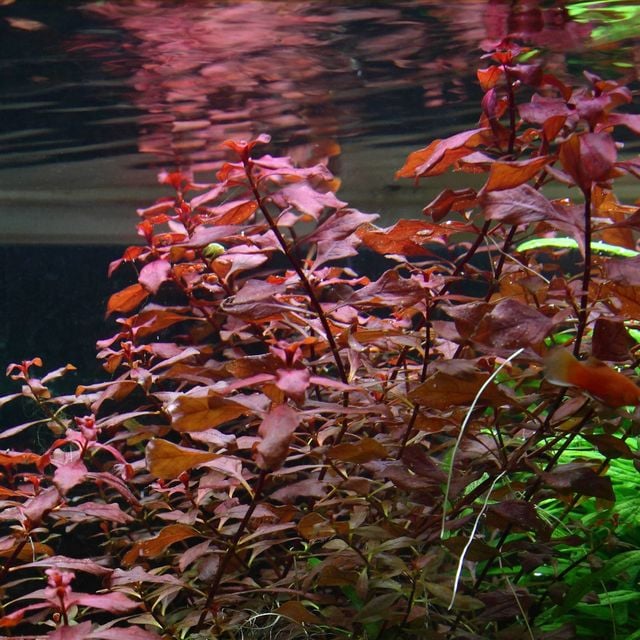
For aquarists seeking maximum oxygen output and lush plant growth, a high-tech setup adds CO₂ injection and premium lighting:
Total estimated cost: $155–$290. The pressurized CO₂ system represents the largest single investment but pays for itself through dramatically faster plant growth and oxygen production. Refill cylinders cost $15–$25 and last 2–4 months in a standard 20-gallon tank.
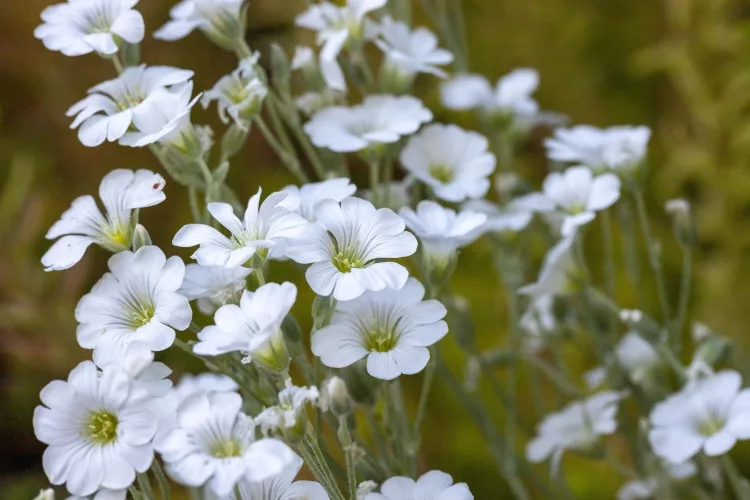
Hornwort (Ceratophyllum demersum) consistently produces the highest volume of oxygen per gram of biomass among common freshwater aquarium plants. Its rapid growth rate and tolerance for varied conditions make it the top choice for oxygenation.
No. Plants only produce oxygen during photosynthesis, which requires light. At night, plants switch to cellular respiration and consume oxygen while releasing carbon dioxide. This is why surface agitation remains important in heavily planted tanks.
A combination of 3–5 bunches of fast-growing stem plants (such as Hornwort and Anacharis) provides adequate oxygenation for a standard 20-gallon tank with a moderate fish load. Heavily stocked tanks may require additional plants or supplemental aeration.
In rare cases, extremely high oxygen saturation (above 115%) can cause gas bubble disease in fish. This typically occurs only in high-tech tanks with intense lighting and heavy CO₂ injection. Maintaining a balanced photoperiod of 8–10 hours prevents this issue.
Floating plants have a slight advantage because they access atmospheric CO₂ directly, which fuels faster photosynthesis. However, they also block light from reaching submerged plants. A mixed approach — combining floating species like Hornwort with rooted species like Anacharis — delivers the best overall oxygenation.
CO₂ injection is not strictly necessary but significantly enhances oxygen output. Low-tech tanks with hardy species like Hornwort, Anacharis, and Moneywort produce meaningful oxygen without supplemental CO₂. High-tech setups with pressurized CO₂ increase photosynthetic rates by 200–300%.
 |
 |
 |
 |

About Truman Perkins
Truman Perkins is a Detroit-based SEO consultant who's been in the business for over a decade. He got his start helping friends and clients get their websites off the ground, and he continues to do so today. In his free time, Truman enjoys learning and writing about gardening - something he believes is a natural stress reliever. He lives with his wife, Jenny, and their twins in Detroit.


Get new FREE Gifts. Or latest free growing e-books from our latest works.
Disable Ad block to reveal all the links. Once done, hit a button below
|
|
|
|
 rinjal