The 9 o'clock flower, scientifically known as Portulaca grandiflora, is one of the hardiest and most rewarding flowering plants for gardens of any size. Mastering 9 o'clock flower plant care requires little more than well-drained soil, abundant sunlight, and restrained watering — making it an ideal choice for both novice and seasoned gardeners. Named for its habit of opening its vibrant petals around 9 a.m. each morning, this sun-loving succulent produces a dazzling carpet of color with minimal intervention. Whether planted in beds, borders, or containers, the 9 o'clock flower delivers reliable performance across tropical and subtropical climates.
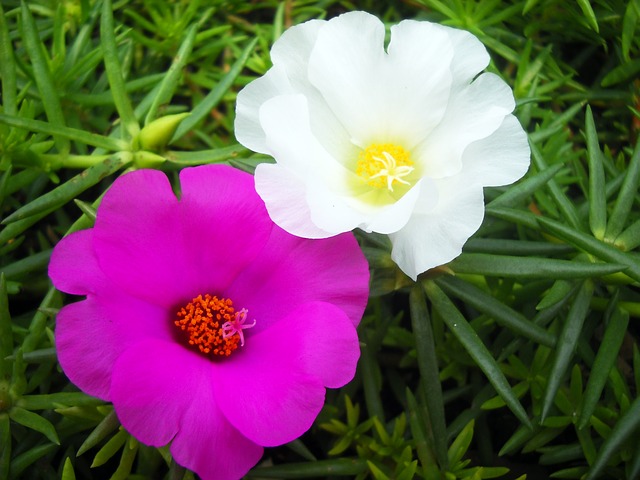
Also called moss rose, sun rose, or simply portulaca, this plant belongs to the Portulacaceae family and originates from South America. It has naturalized across warm regions worldwide, thriving in conditions that would stress most ornamental plants. Its fleshy, needle-like leaves store moisture efficiently, granting it exceptional drought tolerance. Blooms appear in shades of pink, red, orange, yellow, white, and magenta — often with double-petal cultivars that rival miniature roses in visual impact.
Beyond aesthetics, the 9 o'clock flower offers tangible benefits: ground cover that suppresses weeds, medicinal properties recognized in traditional herbalism, and edible leaves rich in omega-3 fatty acids. This guide covers every aspect of successful cultivation, from soil preparation and watering schedules to propagation techniques and pest management.
Contents
The 9 o'clock flower serves far more purposes than simply filling a flower bed. Its versatility spans landscaping, traditional medicine, and even the kitchen — a rare combination for a plant this easy to grow.
As a ground cover, portulaca excels in environments where other plants falter. Its low, spreading growth habit — typically 15 to 20 cm tall — makes it a natural choice for:
Gardeners seeking colorful flowers for various light conditions should note that the 9 o'clock flower is exclusively a full-sun performer. It pairs well with other heat-loving species such as lantana, zinnia, and vinca in mixed beds. In tropical climates, it functions as a perennial ground cover; in temperate zones, it reseeds reliably enough to return each season without replanting.
The leaves of Portulaca grandiflora — and its close relative Portulaca oleracea (common purslane) — have a long history in traditional medicine systems across Asia and South America. Key applications include:
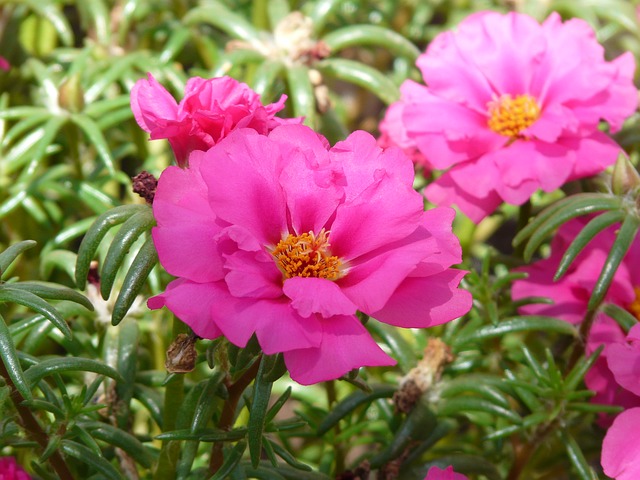
Those interested in natural health remedies from plants will find portulaca a worthy addition to the garden. However, always verify the specific species before consuming any plant material, as ornamental cultivars may have been treated with pesticides not approved for edible crops.
Success with 9 o'clock flower plant care comes down to a handful of non-negotiable fundamentals. Overcomplicating the process is the most common mistake. This plant evolved in harsh, arid conditions and responds poorly to the kind of attentive care that benefits most garden flowers.
Understanding the difference between direct and indirect sunlight is critical for portulaca success. This plant demands a minimum of 6 hours of direct, unfiltered sunlight daily. Anything less results in leggy, sparse growth and severely reduced flowering.
Pro Tip: If the soil still feels damp one inch below the surface, skip watering entirely. More 9 o'clock flowers die from overwatering than from any pest or disease combined.
The natural day-night cycle also influences blooming patterns. Flowers open in the morning under direct light and close by late afternoon or on overcast days. This is normal behavior, not a sign of distress.
The 9 o'clock flower performs best in lean, sandy soil with excellent drainage. Rich, organic soil actually works against it — excessive nitrogen promotes foliage at the expense of blooms.
For container plantings, coco peat mixed with perlite creates an excellent growing medium that retains just enough moisture without becoming waterlogged. Understanding the various soil types and their drainage properties helps gardeners adapt the mix to local conditions.
No plant is universally perfect. A clear-eyed assessment of portulaca's strengths and weaknesses helps gardeners decide whether it suits their specific conditions and goals.
| Attribute | Detail | Benefit |
|---|---|---|
| Drought Tolerance | Survives 2+ weeks without water in ground | Ideal for water-scarce regions and neglectful schedules |
| Heat Resistance | Thrives above 35°C (95°F) | Performs when most annuals wilt |
| Self-Seeding | Drops viable seed freely | Returns without replanting in warm climates |
| Low Fertilizer Needs | Monthly half-strength feeds sufficient | Reduces input cost and effort |
| Pest Resistance | Few serious pests or diseases | Minimal chemical intervention needed |
| Bloom Duration | Continuous from late spring to first frost | Months of uninterrupted color |
| Ground Cover | Spreads 30–45 cm per plant | Suppresses weeds in bare patches |
| Propagation Ease | Roots from stem cuttings in 5–7 days | Free plants from existing stock |
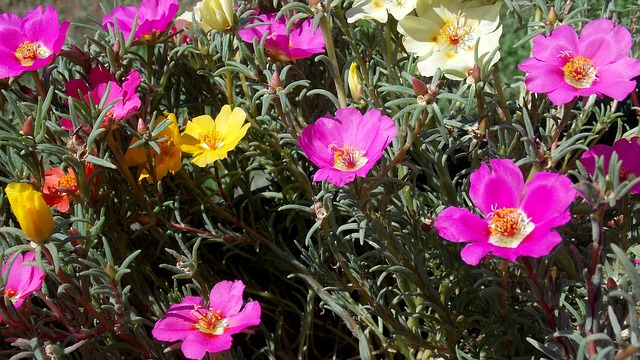
Despite its many strengths, the 9 o'clock flower has genuine limitations that prospective growers should weigh carefully:
For gardeners in cooler climates, treating portulaca as a warm-season annual — sowing fresh seed each spring — eliminates the frost concern entirely. The self-seeding tendency becomes an advantage when naturalistic, informal plantings are the goal.
Knowing when and where to plant matters as much as knowing how. The 9 o'clock flower is forgiving, but certain errors consistently lead to failure.
Timing and placement determine whether portulaca thrives or merely survives:
In tropical regions such as South and Southeast Asia, the 9 o'clock flower can be planted year-round, with peak performance during the hottest months. The plant actually produces more blooms during intense heat, a trait shared with few other ornamental species.
Most failures in 9 o'clock flower plant care stem from treating the plant like a conventional garden annual. The following mistakes cause the majority of losses:

Warning: Never mulch directly around portulaca stems. Mulch retains moisture at the crown, creating ideal conditions for stem rot — the opposite of what this desert-adapted plant requires.
One of the greatest advantages of growing portulaca is the minimal equipment required. Most gardeners already own everything needed. However, having the right tools on hand prevents improvisation that can damage these delicate, low-growing plants.
Achieving the fast-draining, nutrient-lean substrate that portulaca demands often requires amending existing garden soil. The following amendments address the most common soil deficiencies:
The goal is a soil mix that feels gritty when squeezed and drains visibly within seconds of watering. If water pools on the surface for more than a few seconds, more sand or perlite is needed.
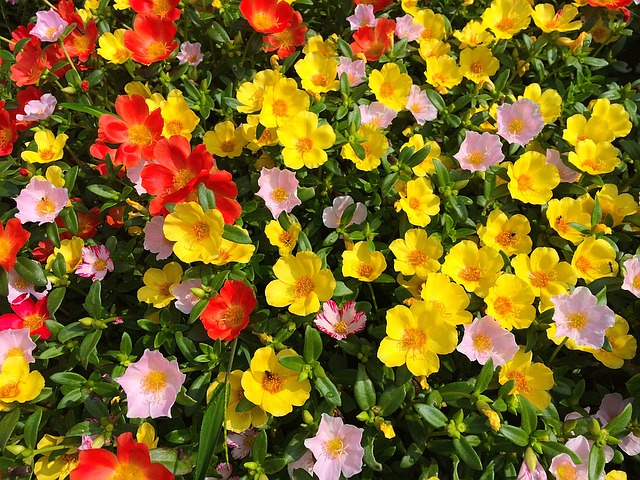
The 9 o'clock flower accommodates every skill level. Beginners can scatter seed and expect results; experienced gardeners can explore selective breeding and vegetative propagation to develop specific color forms and growth habits.
Growing portulaca from seed is one of the simplest introductions to gardening. The process is nearly foolproof when the basic steps are followed:
This project is simple enough for classroom settings. Educators looking for similar low-maintenance growing experiments can explore easy-to-grow beans for science experiments as a complementary activity that teaches root development and germination rates.
Experienced gardeners who want to replicate a specific color form or grow portulaca at scale will find vegetative propagation faster and more reliable than seed. Stem cuttings also preserve the exact traits of the parent plant, which seeds — especially from hybrid cultivars — do not always do.
Propagation by stem cuttings:
Hybridization basics:
Dedicated hobbyists have developed dozens of named cultivars through this process, including fully double forms, bicolor patterns, and compact dwarf varieties that remain under 10 cm tall. The east-facing balcony growing guide covers additional compact flowering plants suited to constrained spaces where these dwarf portulaca cultivars excel.
No. The flowers typically open between 8 and 10 a.m. under direct sunlight and close by late afternoon or on overcast days. This is a natural photoresponse, not a sign of poor health. Double-petal cultivars tend to stay open slightly longer than single-petal varieties, and newer hybrid cultivars marketed as "all day" or "sundial" types maintain open blooms for extended hours even under cloud cover.
Indoor cultivation is not recommended. Portulaca requires intense, direct sunlight that even the brightest south-facing window rarely provides in sufficient duration. Plants grown indoors become etiolated — stretched, pale, and non-flowering — within weeks. If indoor growing is the only option, a full-spectrum grow light running 10 to 12 hours daily can partially compensate, but results are consistently inferior to outdoor cultivation.
Seed collection is straightforward. Allow spent blooms to remain on the plant until the small, round seed capsule beneath turns brown and papery. Gently pinch off the capsule over a paper envelope — the tiny black seeds spill out easily. Store envelopes in a cool, dry location away from direct light. Seeds remain viable for 2 to 3 seasons when stored properly. Labeling by color helps maintain organized seed stock for selective planting.
The 9 o'clock flower stands as proof that spectacular garden color does not require complicated care routines, expensive inputs, or years of horticultural experience. Start with a single packet of seeds or a handful of cuttings from a neighbor's thriving patch, plant them in the sunniest spot available, and resist the urge to overwater. Within weeks, a carpet of vivid, self-sustaining blooms will reward that restraint — and the seeds they scatter will ensure the display returns season after season without further effort.
 |
 |
 |
 |

About Christina Lopez
Christina Lopez grew up in the scenic city of Mountain View, California. For eighteen ascetic years, she refrained from eating meat until she discovered the exquisite delicacy of chicken thighs. Christina is a city finalist competitive pingpong player, an ocean diver, and an ex-pat in England and Japan. Currently, she is a computer science doctoral student. Christina writes late at night; most of her daytime is spent enchanting her magical herb garden.


Get new FREE Gifts. Or latest free growing e-books from our latest works.
Disable Ad block to reveal all the links. Once done, hit a button below
|
|
|
|
 rinjal