Last spring, Truman went out to check on his herb bed after a rainstorm and nearly stepped on a garter snake coiled beneath a dense clump of lemongrass. It startled him — but it also made him think. Plants that attract snakes to the garden aren't doing anything mysterious. They're simply creating the shade, moisture, and shelter snakes need to thrive. If you've ever found a snake in your yard and couldn't figure out why, your plant choices are likely a big part of the answer. Browse our plants, herbs, and farming guides for more on building a balanced, thriving garden ecosystem.

Whether you want to welcome snakes as natural pest controllers or you'd rather keep them at a distance, knowing which plants draw them in gives you real control over your outdoor space. Snakes aren't random visitors. They follow food — rodents, frogs, large insects — and they follow cover. Certain plants deliver both in abundance.
This guide walks you through the specific plants most likely to attract snakes, the gardening habits that make things worse, and how to think strategically about managing your space over time. There's no need to panic. There's just a need to understand what's going on.
Contents
Some of the most striking flowers in the garden are also the ones that quietly roll out the welcome mat for snakes. The attraction isn't usually the bloom itself — it's the dense foliage, low canopy, or the insects and small animals those plants bring in. Queen of the Night (Cestrum nocturnum) is a classic example. This heavily fragrant shrub releases its scent after dark and draws insects in large numbers. More insects attract frogs. More frogs attract snakes. The chain is simple and predictable.
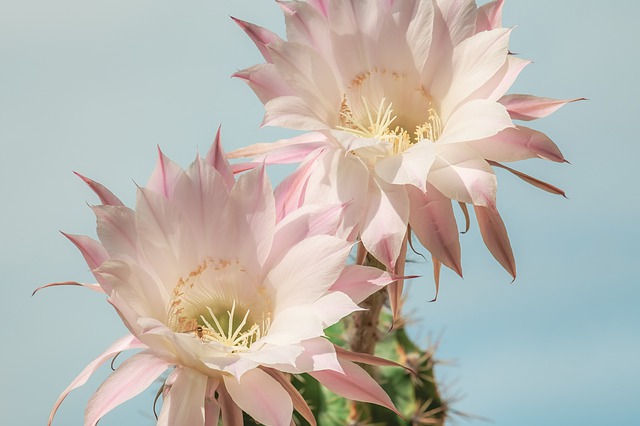
Dense flowering shrubs with low, spreading canopies offer snakes exactly what they need: shade during the hottest part of the day and concealment from birds and other predators. If you have night-blooming flowers positioned near a compost pile or a water feature, you've essentially built a perfect snake sanctuary without meaning to.
Pro tip: If you love fragrant flowering shrubs but want fewer snake visits, trim away the lowest branches to create a visible gap between the plant and the soil — that alone removes a lot of the cover snakes rely on.
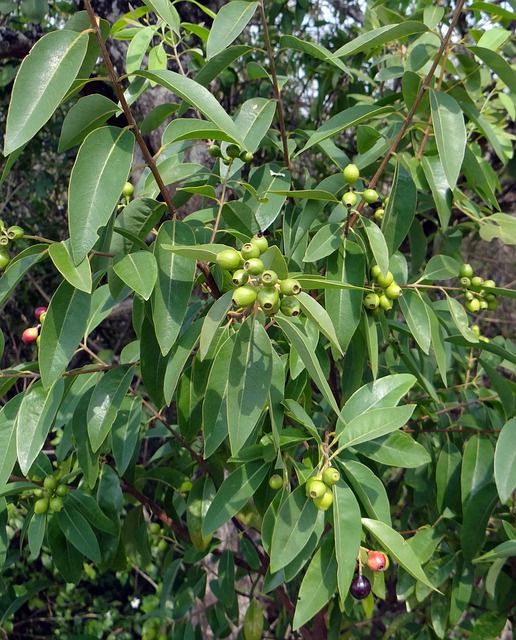
Trees are rarely the first thing gardeners think of in this context, but certain species build the conditions snakes find ideal. Indian Sandalwood is one of the most frequently mentioned examples in warm-climate gardens. Its dense canopy filters out light and allows leaf litter to build up into a thick, cool mat on the ground — exactly the kind of microhabitat snakes use to stay comfortable during the day.
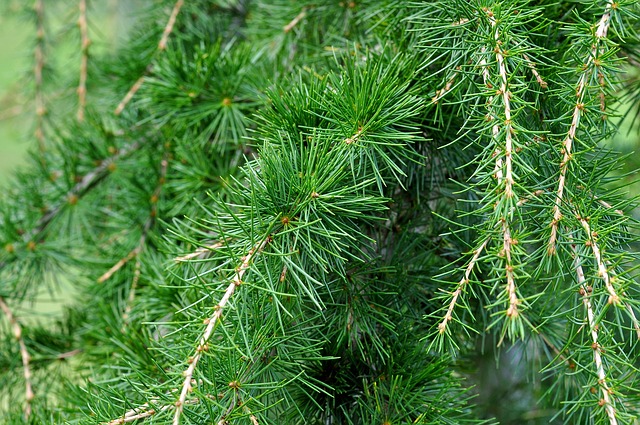
Cedar is another common offender. The low-hanging branches and rough bark of cedar trees give snakes shelter, while the accumulated needle mat on the ground stays moist long after rain has stopped. That persistent dampness supports earthworms and insects — the base of the food chain that eventually brings snakes into your yard.
According to the Wikipedia overview of snake behavior, most snakes are ectotherms — they depend on their environment to regulate body temperature. Shaded ground under large trees that warms slowly and stays cool is prime resting territory. Your tree isn't attracting the snake. The conditions under it are.
Ground cover plants are among the biggest contributors to a snake-friendly yard. Ivy, creeping juniper, and vinca all create a dense carpet of low foliage that snakes can travel through almost invisibly. If you have extensive ground cover running along a fence line or under shrubs, you've given snakes a protected corridor through your entire garden.
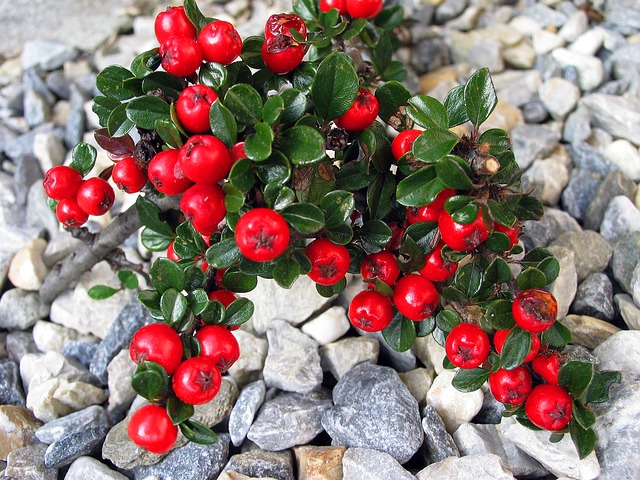
This doesn't mean you need to pull everything out. But if you're using spreading plants as ground cover, keep pathways between beds clear and avoid letting them grow flush against your home's foundation. If you're growing runner plants as ground cover, keep an eye on how dense the canopy gets at soil level — that's where the problem builds up.
Mulch is another factor that often gets overlooked. Thick wood chip mulch retains moisture, which attracts earthworms and insects. Snakes follow that food source right into your beds. If you're using mulch heavily across your garden, read through our guide on mulching your garden effectively to weigh the benefits and manage the tradeoffs.
Watch out: Stacking firewood or garden debris directly on the ground near your planting areas is one of the most reliable ways to attract snakes — add dense ground cover nearby and you've created ideal nesting conditions.
Any consistent moisture source creates conditions snakes indirectly benefit from. It's not that snakes are drawn to water itself — it's that moisture supports the frogs, slugs, and insects they hunt. Plants that need frequent watering, especially when grouped together in low-lying areas, build up damp microclimates at ground level that attract prey. The prey leads snakes right to your beds.
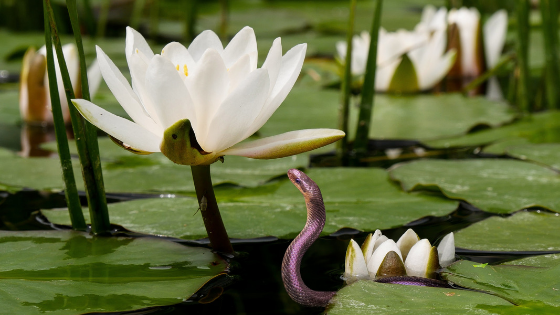
Herb gardens are a surprisingly common site for snake sightings, and there's a straightforward reason for it. Lemongrass, fennel, and wormwood all grow in thick, dense clumps that provide excellent ground-level cover. They also attract the insects that form a major part of the diet of the frogs and lizards that snakes hunt. A full, bushy herb patch growing in a warm corner of your garden ticks almost every box on a snake's habitat checklist.
This isn't a reason to stop growing herbs — just a reason to think about how and where you grow them. Keeping herbs contained in pots rather than in open-ground sprawling patches can meaningfully reduce the shelter they offer at soil level. Our guide on how to grow mint in pots without it spreading covers exactly that kind of containment approach. If you're also working to bring in beneficial insects for pollination, our piece on how to attract bees and pollinators to your garden is worth reading alongside this one — some of the same plants are involved.
If you're new to gardening and you find a snake in your yard, the instinct is often to assume something has gone wrong. Most beginner gardeners think a snake sighting means their space is overgrown, unmanaged, or somehow unhealthy. That's not always the case. A single snake in your garden can simply be a sign that the local ecosystem is working — that there's enough insect and small animal activity to support a predator at that level.
The common mistake at this stage is to overreact. Trying to remove every plant that could possibly provide shelter isn't realistic, and it can cause more disruption to your garden than the snake itself ever would. Start by figuring out what species you're dealing with. In most temperate regions, the snakes you encounter in garden settings are non-venomous and genuinely harmless to you and your plants.
Experienced gardeners tend to take a longer view. They understand that a snake in the garden is usually a symptom of something in the garden's ecology, not a standalone problem. Rather than reacting immediately, they look at what conditions have built up over time — the mulch depth, the ground cover density, the moisture zones — and make targeted adjustments. They monitor the result before doing more.
Seasoned growers are also more likely to recognize the upside. A garden snake patrolling your vegetable beds can handle rodent and pest pressure better than many commercial products, and without any chemical inputs at all.
Not every plant carries the same risk of attracting snakes. The key variables are how dense the plant grows at ground level, how much moisture it retains around the root zone, what insects or animals it attracts, and how much concealment it provides. The table below gives you a quick reference for common garden plants.
| Plant | Attraction Level | Main Reason | Primary Risk Factor |
|---|---|---|---|
| Lemongrass | High | Dense clumping growth, insect-rich | Ground-level cover and prey activity |
| Indian Sandalwood | High | Deep canopy shade, leaf litter accumulation | Cool, moist soil underneath |
| Cedar Tree | High | Needle mat, persistently moist ground | Prey habitat beneath branches |
| Queen of the Night | High | Heavy night insect attraction | Frog and insect concentration |
| Ivy / Ground Cover | Very High | Dense, uninterrupted low canopy | Ideal movement corridor for snakes |
| Fennel | Medium | Tall stems, active insect zone | Depends on surrounding density |
| Raised Bed Vegetables | Low–Medium | Moisture at bed edges | Mainly a perimeter concern |
| Lavender | Low | Dry-preferring, sparse base | Minimal ground-level cover |
| Succulents | Low | Dry soil, little to no cover | Rarely a contributing factor |
It's almost always the combination of plants, not a single species, that creates ideal conditions for snakes. A cedar tree by itself is unlikely to cause problems. But a cedar tree next to a thick ivy bed, beside a small pond, with wood chip mulch underneath? That stacks multiple attraction factors on top of each other. Think about your garden layout as a system, not as individual plants in isolation.
If you're planning new planting combinations, our guide to companion planting for vegetable gardens can help you think through arrangements that support your growing goals without unintentionally stacking snake-friendly features in one spot.
You don't need to redesign your entire garden to reduce snake visits. Most of the changes that make a real difference are small and consistent. Keep the base of your shrubs clear of debris. Store firewood and garden materials off the ground and away from your main planting areas. Keep grass trimmed short, especially along fence lines and near your home's walls. Trim back the lowest branches of large shrubs to remove ground-level cover.
None of these steps eliminates snakes entirely — and that's fine. The goal is to make your garden less appealing as a permanent residence, not to create a sterile environment. Your garden's health depends on biodiversity, and snakes are part of that picture.
Long-term tip: Replacing wood chip mulch with gravel or crushed stone along the perimeter of your home removes one of the most consistent moisture-trapping zones that draws both prey and snakes close to your walls and entry points.
Here's the other perspective worth considering. Many experienced gardeners actively encourage snakes because they're remarkably effective at keeping rodent populations in check. If you're dealing with a persistent vole or mouse problem that's undermining your beds, a resident garden snake is one of the most efficient solutions the natural world offers — no traps, no poison, no repeat applications.
The plants that attract snakes to the garden, viewed through this lens, become a deliberate design feature rather than an accident. If you're growing vegetables in a raised bed setup and struggling with burrowing pests, having a snake or two patrolling the perimeter is a genuine advantage. It's about understanding the full role each element plays in your garden's ecosystem and deciding what that means for your specific situation.
Not all flowering plants attract snakes. It's usually the habitat the plant creates — dense foliage, moisture, insect activity — rather than the flower itself. Night-blooming, heavily fragrant shrubs with low canopies are the biggest culprits because of the insects and frogs they draw in after dark.
In most cases, no. The majority of garden snakes are non-venomous and beneficial. They eat rodents, slugs, and large insects that damage your plants. Whether they're a problem usually depends on how close they are to high-traffic areas and whether the species poses any real risk in your region.
Lemongrass and fennel are the most commonly associated herbs because of their dense, clumping growth and the insects they attract. Growing these herbs in containers rather than open ground can significantly reduce the shelter they offer at soil level.
The tree itself doesn't directly attract snakes, but the conditions underneath it do. Indian Sandalwood creates deep shade and builds up cool, moist leaf litter on the ground — exactly the kind of resting spot snakes look for during the heat of the day.
Reducing dense ground cover can make your garden less attractive to snakes, but it's rarely the only factor. Snakes follow their food, so addressing moisture zones, debris piles, and mulch depth matters just as much as managing plant density.
In most temperate gardening regions, the snakes you'll encounter are harmless species. If you're uncertain, keep your distance and don't try to handle it. Take a photo from a safe distance and consult a local wildlife service or pest control professional for a positive identification.
Yes. Garden snakes are typically shy and move away when disturbed. Wearing sturdy closed-toe shoes, using a hoe to move debris before picking it up by hand, and staying alert during warm months is usually all the caution you need for safe, normal gardening.
 |
 |
 |
 |

About Truman Perkins
Truman Perkins is a Detroit-based SEO consultant who's been in the business for over a decade. He got his start helping friends and clients get their websites off the ground, and he continues to do so today. In his free time, Truman enjoys learning and writing about gardening - something he believes is a natural stress reliever. He lives with his wife, Jenny, and their twins in Detroit.


Get new FREE Gifts. Or latest free growing e-books from our latest works.
Disable Ad block to reveal all the links. Once done, hit a button below
|
|
|
|
 rinjal