You can grow jamun plants in pots and harvest fruit within a few growing seasons — no large backyard required. Mastering how to grow jamun plants pots comes down to three fundamentals: a deep container, well-draining loamy soil, and six or more hours of direct sun each day. Jamun (Syzygium cumini), also called Java plum, black plum, or Indian blackberry, handles container life far better than its towering wild form suggests. Whether you're working with a balcony, a small patio, or a modest backyard, this guide gives you a clear, step-by-step path. For companion planting ideas and other productive crops to grow alongside it, check out Trinjal's plants, herbs, and farming guides.
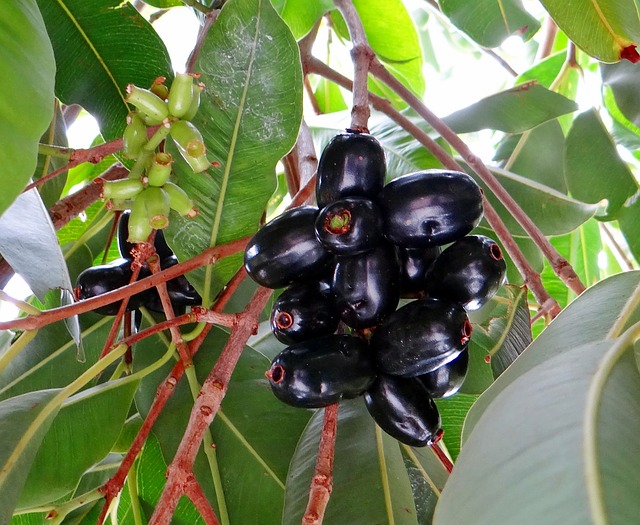
According to Wikipedia, Syzygium cumini is native to the Indian subcontinent and has been cultivated in Ayurvedic medicine for centuries. Its deep purple fruit is rich in iron, vitamin C, and anthocyanins — the antioxidants behind its signature dark color. Growing it at home gives you both a productive fruit tree and a plant with documented health credentials.
This guide covers the tree's background, the myths that intimidate container growers, how beginner and experienced approaches differ, actual cost expectations, real-world setup examples, and a long-term maintenance strategy. Read it in order or jump to the section you need most.
Contents
Jamun is a tropical evergreen tree that belongs to the Myrtaceae family — the same family as guava and clove. In the wild, it can reach 30 meters, but when grown in containers it stays compact and manageable. The fruit clusters appear in summer, changing from pale green to deep purple-black as they ripen.
Key facts worth knowing before you plant:
If you find tropical trees fascinating, you might also enjoy reading about the Naga Linga plant — another rare tropical with deep cultural significance. Jamun shares a similar profile: revered in traditional culture, underused in modern gardens.
Growing jamun in a container isn't a compromise — it's a deliberate strategy. Here's why it makes sense:
The trade-off is that container trees depend entirely on you for nutrients and water. They can't forage. That means your care routine matters more than it would for a ground-planted tree.
This one stops a lot of people before they even start. The assumption is that because jamun grows tall in the wild, it must need a sprawling root system and open ground. That's simply not true in practice.
Container jamun trees thrive in pots as small as 15–20 gallons when managed properly. The tree responds to root restriction by slowing vegetative growth and redirecting energy toward fruiting. Many urban growers in India, Southeast Asia, and Florida maintain productive jamun trees on rooftop terraces and apartment balconies.
What you actually need:
Pro tip: Start with a grafted sapling rather than growing from seed — you'll cut years off the wait for your first fruit and skip the uncertainty of seedling variation.
Container jamun trees absolutely fruit — and some growers report that mild root restriction actually encourages earlier and heavier fruiting compared to ground-planted seedlings. The key conditions for fruiting are:
If your tree is leafing out vigorously but not flowering, the most common culprit is excess nitrogen — which pushes leaf growth at the expense of flower production. Ease back on nitrogen-heavy feeds after the first two years.
If this is your first container fruit tree, keep it simple. Here's a straightforward beginner path:
Your main job in year one is keeping the tree alive and healthy. Don't stress about fruiting yet. Focus on establishing a strong root system and upright form.
If you're new to propagating tropical plants, it's also worth reading how to propagate plants through leaf cuttings — a foundational skill that applies to many of the companion plants you might grow around your jamun.

If you've already grown container trees or tropical plants, you can take a more intentional approach from the start:
Experienced growers often layer in companion plants around the base of the pot — herbs like basil or lemongrass — to deter pests and make better use of the growing space.
The single biggest mistake container jamun growers make is starting with a pot that's too small. A cramped root zone stresses the tree, reduces fruit production, and leads to chronic nutrient deficiency despite regular feeding.
Recommended container sizes by growth stage:
For the soil mix, jamun needs good drainage above all else. Standing water around the roots causes root rot faster than almost any other condition. A reliable starting mix:
Target a soil pH between 5.5 and 7.0. If you've never tested your mix before, learn how to test soil pH — it's a five-minute task that can explain a lot of otherwise mysterious growth problems. For those who also maintain an in-ground garden alongside container plants, understanding how to till a garden will help you integrate your container and ground-bed management into one coherent routine.
Jamun is drought-tolerant once established, but young container trees need consistent moisture while their root systems develop. The right rhythm:
For more detail on getting the rhythm right across different plant types, this guide on watering plants and herbs covers the core principles that apply just as well to container fruit trees. On the fertilizing side, fertilizer spikes for indoor plants are a low-effort option if you want slow-release nutrition without mixing liquid feeds.
A simple fertilizer calendar for container jamun:
Jamun is a full-sun tree. Six hours of direct sunlight is the minimum; eight to ten hours produces the best fruiting results. Avoid placing the pot in a spot that gets less than half a day of direct sun — you'll get a green tree but minimal fruit.
Warning: Moving a jamun tree from low light to sudden full sun can scorch the leaves — transition it gradually over one to two weeks by increasing sun exposure by an hour or two each day.
Temperature-wise, jamun prefers 60–95°F (15–35°C). It can handle brief dips to around 28°F (-2°C) but sustained cold will damage or kill it. Good airflow around the canopy reduces the risk of fungal problems, especially in humid summer conditions.
Your upfront costs depend largely on where you source your sapling and what size container you start with. Grafted saplings cost more than seedlings, but the years of wait time they save make them worth it for most growers.
After the first year, ongoing costs are modest. Fertilizer, occasional pest control, and a bag of fresh potting mix for top-dressing or repotting are your main recurring expenses.
| Item | One-Time or Annual | Estimated Cost (USD) | Notes |
|---|---|---|---|
| Grafted jamun sapling | One-time | $15–$40 | Grafted = faster fruiting; worth the premium |
| 15–20 gallon starter pot | One-time | $10–$25 | Plastic or fabric grow bag both work |
| Potting mix (2–3 cu ft) | One-time + annual top-dressing | $15–$30 | Refresh or replace when repotting |
| Perlite or coarse sand | One-time | $8–$15 | For drainage amendment |
| Balanced fertilizer (seasonal) | Annual | $12–$25 | One bag typically covers 3–4 months |
| Bloom booster fertilizer | Annual | $10–$20 | Higher P/K for summer fruiting push |
| Neem oil or insecticidal soap | Annual (as needed) | $8–$15 | For aphids, scale, and mealybug prevention |
| Larger pot (year 3–4 upgrade) | Every 3–4 years | $20–$50 | Move to 25–30 gallon when root-bound |
| Estimated Year 1 Total | $78–$170 | Includes all startup items | |
| Estimated Annual Cost (Year 2+) | $30–$60 | Fertilizer, pest control, occasional soil refresh | |
These numbers make container jamun one of the more affordable home fruit tree projects. Compare that to citrus or avocado setups, which often require more specialist soil amendments and climate control infrastructure.
Urban growers across India, Singapore, and parts of Florida have successfully fruited jamun on balconies with as little as 50 square feet of space. A typical working balcony setup looks like this:
In this kind of setup, expect the tree to reach 5–6 feet in a couple of seasons. Fruit production on a well-managed balcony tree is realistic from year three or four onward if you started with a grafted sapling.
If you have a patio or small backyard, you have more flexibility. A common approach:
Backyard container trees can grow slightly larger than balcony ones due to better air circulation and more ambient humidity from surrounding vegetation. Some growers in zones 9b report keeping their jamun outdoors year-round with just a frost cloth on cold nights.
Pruning keeps your container jamun healthy, productive, and the right size for your space. The best time to prune is immediately after the fruiting season ends — late summer or early fall depending on your climate.
What to cut:
Aim to remove no more than 20–25% of the canopy in a single pruning session. Heavy pruning stresses the tree and delays the next fruiting cycle. Sharp, clean tools make cleaner cuts that heal faster — if you haven't sharpened your shears recently, this guide on sharpening garden shears walks you through the process step by step.
Container jamun needs repotting when it becomes root-bound. Signs to watch for:
Typical repotting schedule:
When you do repot, replace about one-third of the old soil with fresh mix. Avoid repotting during active flowering or fruiting — wait until the tree has finished for the season.
If you're in a climate that gets below 32°F (0°C) in winter, you need a plan for your jamun. Options by zone:
During winter dormancy indoors, cut back watering significantly — once every 10–14 days is enough. Don't fertilize at all until you see new growth pushing in spring. This rest period actually helps trigger flowering when warm weather returns.
 |
 |
 |
 |

About Truman Perkins
Truman Perkins is a Detroit-based SEO consultant who's been in the business for over a decade. He got his start helping friends and clients get their websites off the ground, and he continues to do so today. In his free time, Truman enjoys learning and writing about gardening - something he believes is a natural stress reliever. He lives with his wife, Jenny, and their twins in Detroit.


Get new FREE Gifts. Or latest free growing e-books from our latest works.
Disable Ad block to reveal all the links. Once done, hit a button below
|
|
|
|
 rinjal