Several well-known plants that contain caffeine produce this alkaloid as a natural insect deterrent and allelopathic compound, concentrating it most heavily in seeds, young leaves, and bark tissue, which has made them among the most commercially significant botanical species in global agriculture. Understanding which species carry this compound — and in what quantities — allows gardeners and small-scale farmers to make well-informed decisions about cultivation, harvesting, and end use. Growers seeking a broader range of specialty crop guidance will find additional resources in the plants, herbs, and farming section of this site.

Caffeine, a methylxanthine alkaloid, occurs naturally in more than 60 plant species, though only a handful have achieved widespread cultivation for their stimulant properties or commercial value. The concentration varies considerably across species — from trace amounts in certain native holly varieties to high levels in robusta coffee beans — and even within the same plant, seeds typically contain more caffeine than mature leaves. According to Wikipedia's overview of caffeine, the alkaloid also functions as an allelopathic agent, inhibiting germination of competing seedlings in the soil surrounding the parent plant.
The ten species profiled below represent the most widely recognized caffeine-bearing plants globally, each with distinct growth habits, climatic preferences, and harvesting timelines. For growers evaluating commercial potential, certain species — particularly coffee, tea, and guarana — have well-established market demand, while others such as yaupon holly remain niche but steadily growing in interest.
Contents
The following species span multiple plant families and continents, unified by their shared capacity to biosynthesize caffeine through convergent evolution — a phenomenon that has independently appeared across dozens of unrelated lineages, underscoring the alkaloid's value as a survival mechanism.
Coffee is the world's most commercially important caffeinated plant, cultivated across the equatorial belt from Brazil to Vietnam and Ethiopia. The seeds — commonly called beans — are found inside red or yellow drupes known as coffee cherries. Robusta varieties carry significantly more caffeine than arabica, a trait that also confers greater resistance to pests and disease under field conditions.

Tea is derived from the leaves and buds of Camellia sinensis, a species native to Southwest China and South Asia. Young, freshly unfurled leaves contain the highest caffeine concentration, which declines as the leaf matures and lignifies. The same plant produces green, black, white, and oolong tea — the differences arising entirely from oxidation and processing technique rather than genetic variation between cultivars.
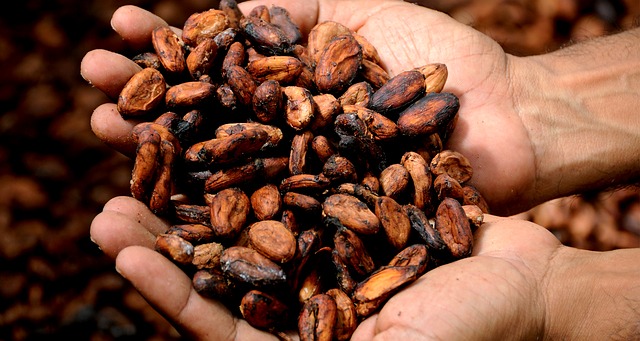
Cacao beans, the source of chocolate, contain modest caffeine concentrations alongside higher levels of the closely related compound theobromine. The tree requires shade, consistent humidity, and deep fertile soil, making it a demanding but potentially rewarding crop in tropical regions. Cacao pods grow directly from the trunk and main branches — a growth pattern known as cauliflory — and require hand-harvesting at peak ripeness.
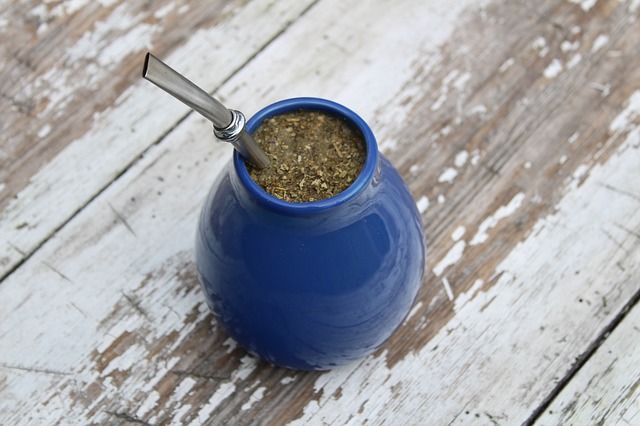
Yerba mate is a subtropical holly native to South America, widely cultivated in Argentina, Paraguay, and Brazil for its dried leaves and stems, which are steeped in hot water to produce a traditional beverage that has gained considerable international popularity. The plant tolerates partial shade and benefits from regular pruning to maintain a manageable canopy and encourage productive young leaf growth throughout the harvest cycle.

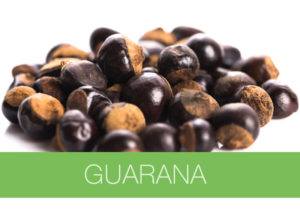
Guarana is a climbing vine native to the Brazilian Amazon, producing small red fruits that contain seeds with the highest caffeine concentration of any commercially cultivated plant — up to 7.5% dry weight. The seeds are dried, roasted, and ground into powder, which is widely used in energy drinks, supplements, and traditional Amazonian medicine. Cultivation outside its native range requires a consistently warm, humid environment and support structures for the vines.
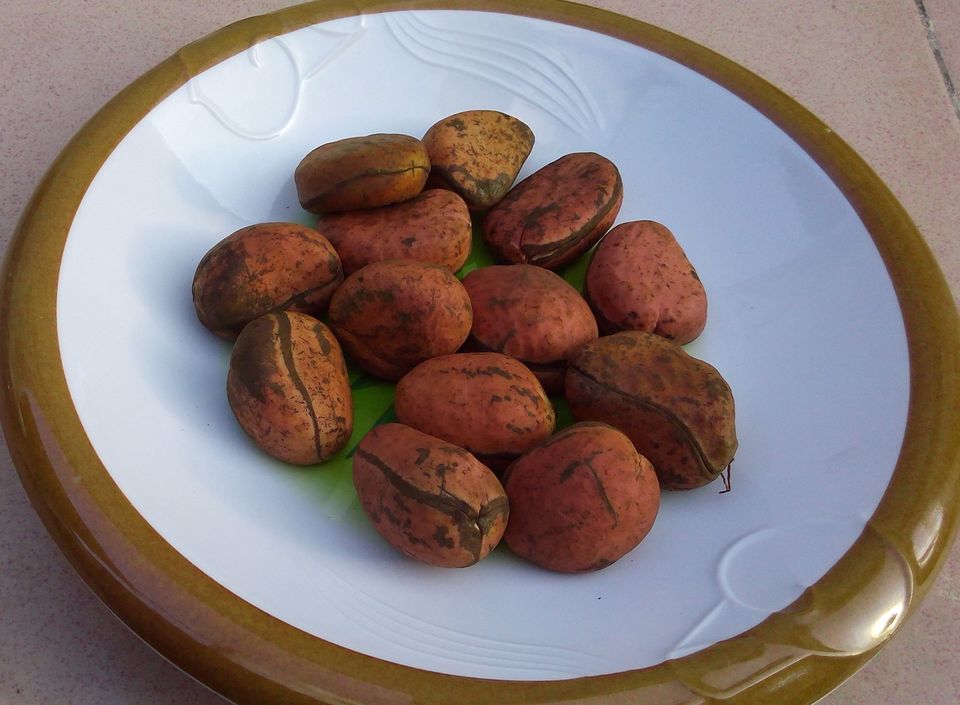
Cola nuts are the caffeine-bearing seeds of large tropical trees native to West Africa, historically chewed as stimulants and used as the original flavoring source in cola beverages before synthetic alternatives replaced them. The trees grow to 20 meters in height and require a humid tropical climate with well-drained laterite or loamy soils. Commercial cultivation occurs primarily in Nigeria, Ghana, and Ivory Coast.
Three additional caffeinated species deserve attention for their growing horticultural and commercial interest, particularly among growers in North America and temperate regions seeking alternatives to tropical crops:
The table below compares caffeine concentrations across the ten principal caffeinated plant species, expressed as a percentage of dry weight in the primary harvested part. These figures provide a reference point for growers evaluating yield potential, processing demands, and commercial viability before committing to a planting program.
| Plant | Primary Part Harvested | Caffeine (% dry weight) | Native Region | Climate Zone |
|---|---|---|---|---|
| Guarana (Paullinia cupana) | Seeds | 2.0–7.5% | Amazon Basin | Tropical |
| Tea (Camellia sinensis) | Young leaves | 1.4–4.5% | Southwest China | Subtropical |
| Coffee robusta (Coffea canephora) | Beans | 1.7–4.0% | Sub-Saharan Africa | Tropical |
| Guayusa (Ilex guayusa) | Leaves | 1.8–3.5% | Amazonian Ecuador | Tropical |
| Cola Nut (Cola nitida) | Seeds | 1.5–3.0% | West Africa | Tropical |
| Coffee arabica (Coffea arabica) | Beans | 0.8–1.4% | East Africa | Tropical highland |
| Yerba Mate (Ilex paraguariensis) | Leaves and stems | 0.7–1.7% | South America | Subtropical |
| Yaupon Holly (Ilex vomitoria) | Leaves | 0.6–0.9% | North America | Temperate–subtropical |
| Cacao (Theobroma cacao) | Seeds (beans) | 0.1–0.5% | Mesoamerica | Tropical humid |
| Cassina (Ilex cassine) | Leaves | 0.3–0.5% | Southeastern USA | Subtropical coastal |
Growers evaluating the financial case for caffeinated crop cultivation should consider not just caffeine concentration, but also market access, processing requirements, and time to first harvest before committing land and resources to a planting program. Those interested in long-term tree crop investments may find the analysis in 20 Profitable Trees for Farming in India a useful comparative framework for weighing establishment costs against projected revenue timelines.
Note: Guarana seeds command a significant price premium in supplement and energy drink markets, but the vine requires genuine tropical humidity and a multi-year establishment period before meaningful yield is achievable — growers in temperate climates should assess greenhouse costs before committing to this species.
Most caffeinated plant species are adapted to tropical or subtropical climates with consistent moisture and warm temperatures year-round, which presents a meaningful challenge for growers in temperate regions who wish to cultivate these species outdoors without protection. Container growing under glass or in temperature-controlled environments extends the viable growing range considerably for species such as coffee, cacao, and guarana.
Preparing a high-quality growing medium before planting is essential for any of these specialty crops. The guide on how to prepare potting soil at home provides practical instruction on creating fertile, well-draining mixes that support strong root development in perennial plants.
For growers in temperate climates or those starting with a small trial planting, container cultivation provides flexibility and climate control that in-ground growing cannot match in non-native regions. Selecting appropriately sized containers prevents both root-binding and the excessive moisture retention that oversized pots can create.
Minimal but specific equipment is required to harvest and process caffeine-bearing plant material effectively at home or small-farm scale, and having tools prepared before the harvest season prevents quality loss from delays in post-harvest handling:
Caffeinated plants, despite producing a natural insect deterrent compound, remain susceptible to a range of pests and fungal diseases that require active management — particularly in humid greenhouse environments where air circulation is reduced and populations establish quickly.
Growers experiencing unexplained wilting, leaf discoloration, or poor establishment across multiple plants should consult a systematic diagnostic resource such as the guide to common vegetable plant diseases and organic treatments, which provides a useful framework applicable to a broad range of crop types beyond vegetables.
Warning: Sudden leaf drop in container-grown coffee or cacao is most often caused by a dramatic shift in temperature or light intensity — avoid relocating established plants between significantly different environments without a gradual acclimatization period of at least two weeks.
The method of harvest and post-harvest processing has a direct influence on the final caffeine concentration and flavor profile of material derived from caffeinated plants, which makes technique as important as species selection for growers targeting quality rather than simply maximum yield volume.
 |
 |
 |
 |

About Christina Lopez
Christina Lopez grew up in the scenic city of Mountain View, California. For eighteen ascetic years, she refrained from eating meat until she discovered the exquisite delicacy of chicken thighs. Christina is a city finalist competitive pingpong player, an ocean diver, and an ex-pat in England and Japan. Currently, she is a computer science doctoral student. Christina writes late at night; most of her daytime is spent enchanting her magical herb garden.


Get new FREE Gifts. Or latest free growing e-books from our latest works.
Disable Ad block to reveal all the links. Once done, hit a button below
|
|
|
|
 rinjal