Which grow bags actually hold up after a full season of watering, sun exposure, and heavy soil — and which ones fall apart before your tomatoes even ripen? After testing and comparing the top fabric pots available in 2026, the VIVOSUN 5-Pack 5 Gallon Grow Bags stand out as the best overall pick for most gardeners, combining durability, drainage, and value in a package that's hard to beat.
Grow bags have quietly revolutionized how home gardeners approach container planting. Unlike rigid plastic pots, fabric grow bags promote air pruning — a process where roots naturally stop growing when they hit the breathable fabric wall, encouraging a dense, fibrous root system instead of the tangled root-bound mess you get in traditional containers. Whether you're growing vegetables on a balcony, running a small herb garden on your patio, or scaling up to a backyard food forest, the right grow bag makes a measurable difference in plant health and yield. If you're just germinating seeds indoors and need somewhere to transplant, or you're looking to maximize a small outdoor space, grow bags give you flexibility that hard pots simply cannot match.
But not all grow bags are created equal. Fabric thickness, handle construction, stitching quality, and sizing accuracy vary wildly between brands. Some bags advertise 300G fabric but feel paper-thin. Others have handles that rip off the moment you try to move a bag full of wet soil. In this guide, we've broken down seven of the best grow bags for 2026, covering everything from budget bulk packs to premium options with training rings. We'll help you pick the right one for your specific setup — whether that's a few herbs on a windowsill or a full vegetable garden.
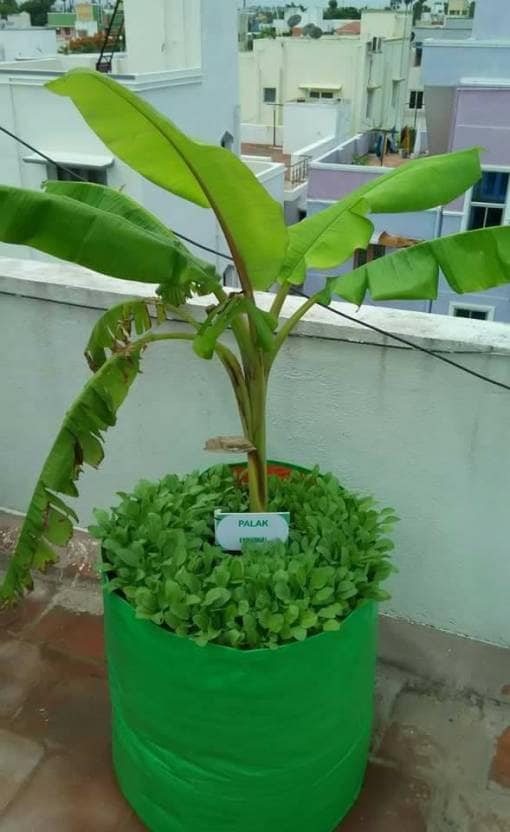





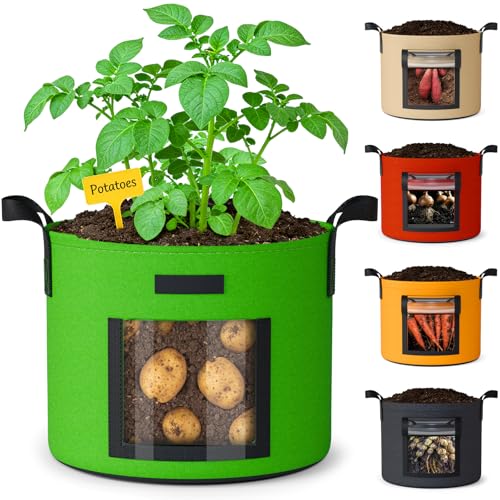
VIVOSUN has been a staple in the indoor gardening space for years, and their 5-gallon grow bags continue to justify that reputation. These bags use 300G thickened nonwoven fabric that strikes the right balance between breathability and structural integrity. The fabric is moderately permeable, which means roots get the air exchange they need for healthy development without the bag drying out too quickly between watering sessions. The material is also BPA-free, which matters if you're growing edible crops and want to keep your harvest clean.
What genuinely sets VIVOSUN apart from cheaper competitors is the handle construction. Most budget grow bags simply cut strips of the same fabric and stitch them on as handles — they look fine in photos but rip off within weeks of regular use. VIVOSUN uses serger stitches to attach reinforced handles that can actually support the full weight of a bag loaded with moist potting mix. You'll appreciate this when you need to reposition your bags to chase sunlight or bring them indoors before a frost. The drainage performance is excellent too. Water flows through the nonwoven fabric without pooling at the bottom, and the air pruning effect keeps roots from circling and becoming root-bound.
The 5-gallon size is the sweet spot for most gardening applications — large enough for tomatoes, peppers, and small shrubs, but compact enough to arrange on a deck or patio without taking over your entire outdoor space. At five bags per pack, you get enough to set up a respectable container garden without a major investment.
Pros:
Cons:
AC Infinity is known for overengineering their products, and their fabric pots are no exception. These 5-gallon grow bags use an industry-leading 500G thick nonwoven fabric — significantly heavier than the 300G standard most competitors use. You can feel the difference immediately when you pick one up. The material is dense, rigid enough to hold its shape even when empty, and clearly built to last multiple growing seasons without degrading.
The standout feature here is the multi-purpose rings integrated into the bag design. These rings are specifically designed for low-stress training (LST), allowing you to guide plant branches and stems without needing separate clips, stakes, or ties. If you're growing cannabis, tomatoes, or any plant that benefits from training techniques, this is a game-changer. The nylon handles and reinforced stitching add another layer of durability — these bags feel noticeably more substantial than anything else in this price range.
AC Infinity also delivers on sizing accuracy. Many grow bag brands advertise a certain gallon capacity but deliver bags that are undersized by 10-20%. These pots are crafted with true-to-size capacity, which means you're getting the full volume of soil your plants need. The greater surface area also maximizes root breathing and air pruning. If you're willing to pay a premium for the best fabric pot available in 2026, this is the one to get.
Pros:
Cons:
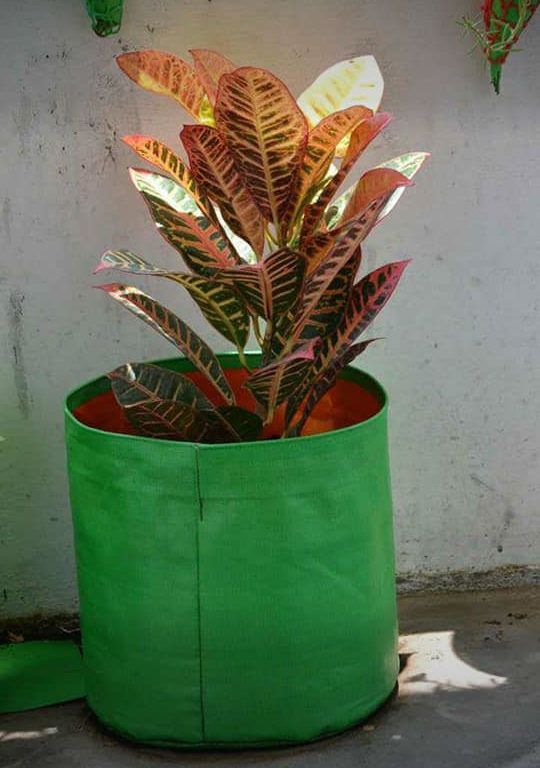
Smart Pot is one of the original fabric pot brands, and their products carry a simplicity that's genuinely appealing if you're new to container gardening. The setup could not be easier: unfold, fill with soil, and start planting. There are no zippers, flaps, or complicated features to figure out. You get 13.5 square feet of growing space, which is enough to plant a small vegetable garden, an herb collection, or a bed of flowers in a single bag.
The thermal management on Smart Pots is noteworthy. The fabric warms up quickly in spring, helping your seedlings establish roots early in the season. During the heat of summer, excess heat dissipates through the fabric walls rather than cooking your root zone the way black plastic pots do. This temperature regulation, combined with excellent drainage, creates conditions where root rot is nearly impossible — a common problem that frustrates many first-time container gardeners.
The trade-off is that Smart Pots lack handles. The original design was meant for grow rooms and raised beds where you set the bag down and leave it. If you need to move your plants frequently — chasing sunlight, bringing them indoors for winter, or rearranging your patio layout — you'll need to bear-hug the bag and lift from underneath. For stationary setups, though, this is a proven product from the brand that pioneered fabric growing containers.
Pros:
Cons:
If you're scaling up your garden and need to maximize your budget, the JERIA 12-pack delivers the best per-bag value of any option on this list. You get twelve 10-gallon bags plus twelve plant labels, all for roughly the same price as a 5-pack from premium brands. The 10-gallon size (16 inches in diameter, 12 inches tall) provides generous room for larger vegetables like tomatoes, squash, and even small fruit trees.
The bags are made from 300G thickened nonwoven polyester felt fabric, which provides solid breathability and durability for the price. The fabric is reusable across multiple seasons — just dump the old soil, rinse the bag with a hose, let it dry, and fold it flat for storage. The built-in handles are sturdy enough for repositioning, and the bags fold down compact when not in use, which is a real advantage if you have limited storage space during the off-season.
The JERIA bags won't match the fabric thickness or stitching quality of the AC Infinity or VIVOSUN options, but they don't need to. These are workhorses built for gardeners who need volume. If you're setting up a dozen containers for a backyard vegetable garden or a community garden plot, buying three premium bags for the same price as twelve JERIA bags doesn't make financial sense. They perform well, they last, and you can replace the entire set without feeling the pinch. This is an excellent choice if you're exploring gardening in tight spaces where you need multiple containers to maximize your growing area.
Pros:
Cons:

Gardzen takes a different approach to the handle problem that plagues so many fabric grow bags. Instead of simple parallel stitching, Gardzen uses reinforced X-shaped stitching on their handles, distributing the load across a wider area of the bag wall. The result is handles that genuinely hold up when you're moving a 10-gallon bag loaded with 40+ pounds of saturated potting mix. If you move your plants frequently — rotating them for even sun exposure, bringing them into a garage during cold snaps, or rearranging your deck layout — these handles will not let you down.
The bags themselves are made from 300G thickened breathable nonwoven fabric that's BPA-free and food-safe for organic vegetable growing. Drainage is excellent, with the fabric preventing excess water retention while still allowing proper airflow to the root zone. The air pruning effect works well here — roots stop circling when they reach the fabric wall, which encourages a vigorous, branching root ball that absorbs nutrients more efficiently than the coiled roots you'd get in a plastic pot.
At ten bags per pack in the 10-gallon size, Gardzen offers a strong middle ground between the budget JERIA packs and premium single options. The fabric quality is consistent across all ten bags, and the X-stitched handles make this the clear pick if portability is your top priority. These are bags you can trust to survive being dragged across a concrete patio without the handles separating.
Pros:
Cons:
Not every plant needs a 10-gallon container. For herbs like basil, cilantro, rosemary, and thyme — or compact vegetables like lettuce, radishes, and strawberries — a 3-gallon bag is the ideal size. VIVOSUN's 3-gallon bags use the same 300G thickened nonwoven fabric and serger-stitched handles as their larger 5-gallon model, just in a more compact form factor. You get the same proven build quality in a size that fits on a windowsill, a small balcony, or a kitchen counter.
The drainage performance is identical to the larger VIVOSUN bags. The nonwoven fabric lets excess water pass through while retaining just enough moisture for healthy root development. The smaller volume does mean you'll need to water more frequently — especially during hot summer days when a 3-gallon bag can dry out in 24 hours. But that's a trade-off inherent to any small container, not a flaw in the product. The BPA-free material makes these bags a solid choice for anyone growing culinary herbs or salad greens that go directly from garden to plate.
These bags are also perfect for starting larger plants before transplanting them into bigger containers or directly into the ground. Use them as intermediate homes for seedlings that have outgrown their starter trays but aren't ready for full-size pots. The handles make it easy to carry a bag to a transplanting station, and the fabric tears away cleanly if you prefer to transplant without disturbing the root ball.
Pros:
Cons:
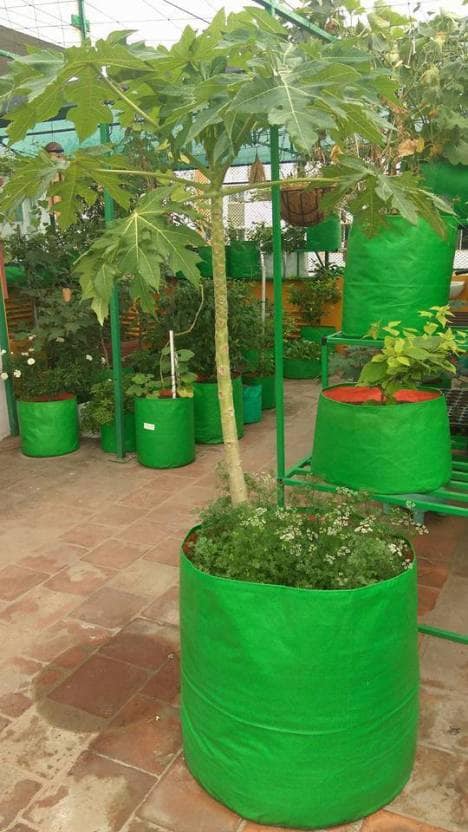
Growing potatoes, carrots, and onions in standard grow bags has always had one frustrating limitation: you can't see what's happening underground without digging up your plants. These specialized potato grow bags solve that problem with a clear transparent harvest window — a flap that lets you peek at your root vegetables without disturbing the soil or damaging developing tubers. You can check growth progress, estimate harvest timing, and even pick individual potatoes through the window while the plant continues producing.
The bags use 350G heavy-duty nonwoven felt fabric, which is thicker than the standard 300G most competitors offer. This extra thickness provides better insulation for root vegetables that are sensitive to temperature swings, and it improves moisture control to reduce the risk of rot — a common issue when growing potatoes in containers. The breathability is still excellent, ensuring proper air circulation around the root zone without waterlogging.
Each bag features X-shaped reinforced handles that hold up even when the bag is fully loaded with dense, wet soil — important since 10 gallons of potato-growing medium gets seriously heavy. The 5-pack gives you enough bags to grow several varieties simultaneously, and the bags work equally well for carrots, beets, radishes, and other root crops. If root vegetables are your focus in 2026, this is the purpose-built grow bag you want. It pairs well with good-quality potting soil that hasn't lost its nutrient value.
Pros:
Cons:
Fabric weight, measured in grams per square meter (GSM), is the single most important spec to check when buying grow bags. The standard range is 200G to 500G. Bags below 200G feel flimsy, tear easily, and rarely survive more than one growing season. The 300G range — used by VIVOSUN, JERIA, and Gardzen — offers a solid balance of breathability, durability, and cost. If you want maximum longevity, the 500G fabric used by AC Infinity will outlast everything else on the market, though you'll pay more upfront.
Material composition matters too. Look for nonwoven polypropylene or polyester felt. These fabrics provide the breathability needed for air pruning — the process where roots naturally stop elongating when they hit air at the fabric wall, which promotes dense lateral root branching. Avoid woven fabrics, which restrict airflow and behave more like plastic pots. And if you're growing food, confirm the fabric is BPA-free.
Choosing the right gallon size prevents wasted soil and underperforming plants. Here's a quick reference for 2026:
When in doubt, go one size up. Plants in fabric pots dry out faster than those in plastic, and larger soil volumes buffer temperature and moisture swings more effectively. The only downside to oversizing is the extra cost of potting mix, but your plants will thank you with better yields.
Handles are the most common failure point on grow bags. A 5-gallon bag filled with moist potting mix weighs roughly 25-30 pounds. A 10-gallon bag can exceed 50 pounds. Cheap handles — typically strips of the same bag fabric stitched with a single straight seam — will rip off under these loads within weeks.
Look for bags with reinforced handle attachment. VIVOSUN uses serger stitching, which wraps thread around the fabric edge for a much stronger bond. Gardzen uses X-shaped cross-stitching that distributes stress across a wider area. Both methods dramatically outperform basic straight-stitch handles. If you plan to keep your bags stationary all season, handles matter less — but most gardeners move their bags at least occasionally, so don't overlook this feature.
Every quality grow bag provides drainage through the fabric itself — there are no drainage holes to drill or worry about plugging. However, drainage rate varies with fabric thickness and weave density. Thinner fabrics (200-300G) drain faster and dry out more quickly, which is ideal for plants that prefer drier conditions but requires more frequent watering. Thicker fabrics (400-500G) retain moisture slightly longer, reducing watering frequency but increasing the risk of overwatering if you're not paying attention.
For most gardeners in 2026, 300G fabric hits the sweet spot. You get effective drainage without the bag drying out every few hours during summer heat. If you're growing in a hot, arid climate, consider pairing your grow bags with drip irrigation or self-watering trays to maintain consistent moisture levels without constant manual watering.
Quality grow bags made from 300G or thicker nonwoven fabric typically last 3-5 growing seasons with proper care. After each season, dump the old soil, rinse the bags with a garden hose, and allow them to dry completely before folding and storing. UV degradation is the main enemy — bags left in direct sunlight year-round will deteriorate faster than those stored during the off-season. Premium 500G bags like the AC Infinity can last even longer with reasonable care.
Yes, reusability is one of the biggest advantages of fabric grow bags over disposable options. Between seasons, clean your bags by scrubbing off any mineral deposits or algae with a mild soap solution, rinse thoroughly, and sun-dry to kill any lingering pathogens. Some gardeners soak their bags in a dilute hydrogen peroxide solution for added sanitization. The bags will soften and become more pliable over time, but this doesn't reduce their growing performance.
If you're using grow bags on a surface that could be damaged by water — a wooden deck, a concrete patio, or an indoor floor — yes, place saucers or trays underneath. Grow bags drain freely through the fabric, which means water will flow out of the bottom and sides during watering. On natural ground like grass or soil, trays aren't necessary. Just be aware that trapped water in deep saucers can reintroduce the waterlogging problem that grow bags are designed to prevent, so empty saucers after heavy watering.
A 5-gallon grow bag is the minimum for a single tomato plant, but 7-10 gallon bags produce noticeably better results. Tomatoes are heavy feeders with extensive root systems, and the extra soil volume in a larger bag provides more nutrients, better moisture retention, and greater root space for the plant to support heavy fruit production. Determinate (bush) varieties do fine in 5-gallon bags, while indeterminate (vining) varieties strongly benefit from 7-10 gallon containers.
Grow bags dry out faster than plastic pots because moisture evaporates through the fabric walls as well as the soil surface. During hot summer weather, expect to water daily — sometimes twice daily for smaller bags in direct sun. Stick your finger into the soil up to the second knuckle. If it feels dry, water thoroughly until you see moisture seeping through the fabric sides. In cooler weather or for bags in partial shade, every 2-3 days is usually sufficient. Mulching the soil surface with straw or wood chips reduces evaporation significantly.
For most applications, yes. Grow bags promote air pruning, which creates healthier root systems than the root-circling pattern common in plastic pots. They provide superior drainage, reducing the risk of root rot from overwatering. They're also lighter, collapsible for storage, and generally cheaper per unit than equivalent rigid pots. The main disadvantage is faster moisture loss, which means more frequent watering. Plastic pots retain water longer, making them better for gardeners who travel frequently or can't water daily. Both work — grow bags just give roots a better growth environment.
 |
 |
 |
 |

About Truman Perkins
Truman Perkins is a Detroit-based SEO consultant who's been in the business for over a decade. He got his start helping friends and clients get their websites off the ground, and he continues to do so today. In his free time, Truman enjoys learning and writing about gardening - something he believes is a natural stress reliever. He lives with his wife, Jenny, and their twins in Detroit.


Get new FREE Gifts. Or latest free growing e-books from our latest works.
Disable Ad block to reveal all the links. Once done, hit a button below
|
|
|
|
 rinjal