Hyderabad's urban rooftops cover an estimated 40 square kilometers of largely unused growing space — a number that puts the potential of terrace gardening in Hyderabad into sharp relief. Our team at Trinjal has worked through the specific challenges of this city's heat, dust, and water conditions long enough to know what actually works versus what looks good on paper. This guide walks through everything from a first-time container setup to a fully productive rooftop kitchen garden, including the plants and herbs that perform best in Hyderabad's climate. The goal is a practical reference, not a motivational pitch.
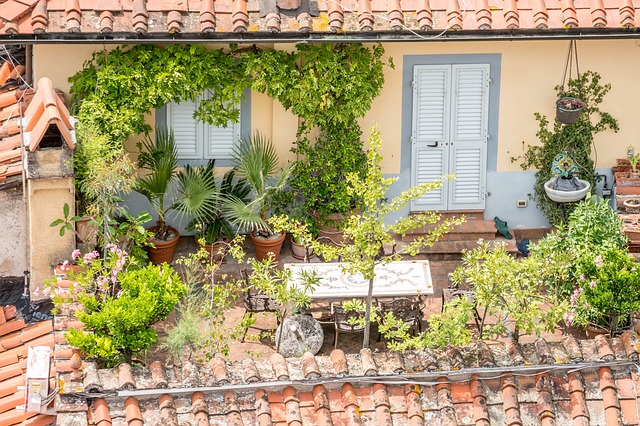
The city's semi-arid climate — with temperatures regularly exceeding 40°C in summer and a monsoon that dumps moisture fast — creates gardening conditions unlike most of India's other metros. Our experience shows that the right container choice, soil mix, and seasonal crop rotation can turn even a 150-square-foot terrace into a genuinely productive growing space. Hyderabad's long viable growing season, roughly nine months outdoors, gives terrace gardeners a real advantage when they know how to use it.
Our team has organized this guide to mirror the actual journey most people take — from planning and budgeting through tool selection, avoidable mistakes, and the troubleshooting questions that come up every season. Whether the starting point is a handful of herb pots or a structured rooftop layout, the fundamentals here are grounded in Hyderabad conditions specifically.
Contents
Our team consistently sees better outcomes when beginners start with 5–10 containers and a short list of easy crops. Tomatoes, spinach, methi, and coriander are reliable entry points — they grow quickly, tolerate Hyderabad's heat reasonably well, and deliver visible results within weeks. Growing coriander at home in pots is one of the fastest ways to build early confidence and begin using homegrown produce in daily cooking.
The beginner phase is really about learning the microclimate of a specific terrace — how wind behaves, where afternoon shade falls, how quickly pots dry out in May versus October. Our experience shows this takes at least one full growing season to understand properly. Patience here pays off far more than buying more containers.
Once the basics are solid, most people move into a more structured layout — raised beds, vertical stacking, drip irrigation, and composting. At this stage, choosing the right size for vertical garden pots becomes critical, since overcrowded vertical setups restrict airflow and invite fungal disease. Our team recommends pairing any larger expansion with a rainwater harvesting setup for home garden irrigation — Hyderabad's monsoon months generate more runoff than most people realize, and capturing it cuts water costs significantly through the dry months.
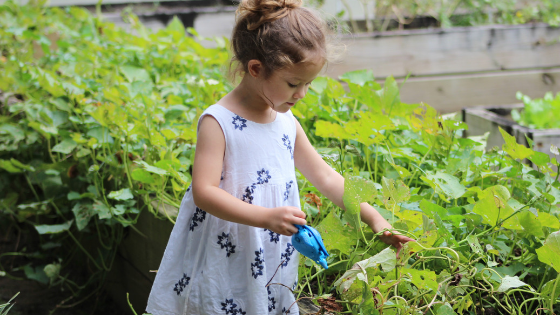
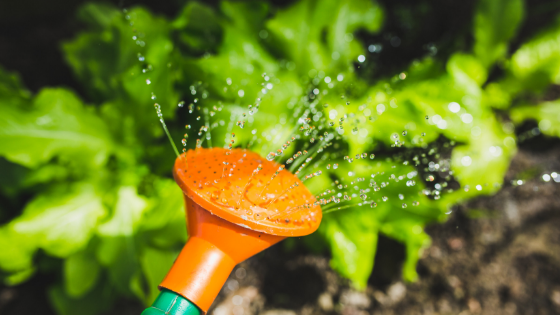
Our team has tested and narrowed down the essential tools for terrace gardening in Hyderabad. The heat and wind create specific demands — watering tools in particular need to be precise, because moisture evaporates from containers faster than most beginners expect.
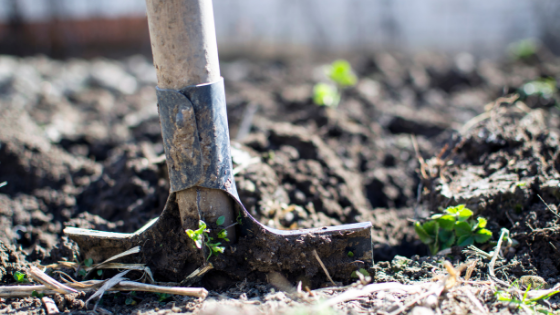
Once a terrace setup grows beyond ten containers, a few additional tools start paying for themselves. A lightweight drip irrigation kit — available from most Hyderabad agricultural supply stores for under ₹2,000 — eliminates the need for daily manual watering during summer. Small compost bins reduce the cost of repeatedly buying potting mix. Our team also finds that a basic soil pH testing kit helps identify why certain crops underperform before the problem becomes irreversible.
A functional beginner setup in Hyderabad can run anywhere from ₹1,500 to ₹8,000 depending on container quality, plant choices, and whether drip irrigation is included from day one. The table below reflects current Hyderabad market pricing across budget and mid-range options.
| Item | Budget Option (₹) | Mid-Range Option (₹) | Notes |
|---|---|---|---|
| Grow bags (10 pcs, 20L) | 400–600 | 800–1,200 | UV-resistant lasts longer under Hyderabad sun |
| Potting mix (50 kg) | 350–500 | 700–1,000 | Raw garden soil performs poorly in containers |
| Seedlings and seeds | 150–250 | 300–600 | Local nurseries in Secunderabad are often cheapest |
| Basic hand tools | 300–500 | 600–900 | Stainless steel holds up better in monsoon conditions |
| Drip irrigation kit | — | 1,500–2,500 | Optional at start; nearly essential by second season |
| Total estimated | 1,200–1,850 | 3,900–6,200 | One-time startup; ongoing costs drop sharply after |
After the first season, most recurring costs come from soil amendments, seeds, and occasional pest control inputs. Our team estimates ₹500–₹1,200 per season for a 10-container setup, dropping further once composting is established. It is also worth checking whether Telangana's rooftop farming incentives apply — our team has documented the Telangana Govt greenhouse subsidy for rooftop farming, which can offset a meaningful portion of startup costs for eligible setups.
Hyderabad's summers are punishing for container plants. Our team has found that shade netting rated at 30–50% light reduction is one of the highest-impact investments for a terrace garden — it reduces leaf scorch and lowers container soil temperatures by up to 8°C during peak afternoon heat. During the monsoon, the challenge flips: excess moisture creates fungal pressure. Elevating containers slightly on wooden pallets or wire racks improves drainage and airflow without any structural changes to the terrace.
The standard mix our team uses for Hyderabad terrace gardens is 40% cocopeat, 40% compost, and 20% perlite or river sand. This drains well, holds enough overnight moisture, and resists the compaction that garden soil develops in containers over time. Growing potatoes in grow bags is one context where soil mix quality makes an especially visible difference — loose, well-aerated soil consistently produces more tubers in our experience than dense or clay-heavy mixes.

Our team regularly encounters the same structural errors in new terrace gardens. The most costly is ignoring load capacity — a fully watered 40L grow bag with soil weighs roughly 45 kg. Ten of those concentrated in one corner can stress older concrete terraces significantly. Consulting a structural engineer before loading a large terrace garden is something our team considers non-negotiable for builds above 20 containers.
Beyond structure, the most common care mistake our team observes is inconsistent watering during the transition from monsoon to winter — a period when Hyderabad's humidity drops fast and container soil dries out much faster than expected. Plant diseases left undiagnosed for more than a week can spread across an entire terrace setup rapidly. Our recommended resource for early identification is the guide on common vegetable plant diseases and organic treatment, which covers the fungal and bacterial issues most prevalent in South Indian urban gardens.
There is no single best method for terrace gardening in Hyderabad — the right approach depends on available space, budget, and crop goals. Our team has worked with all the common setups, and each has clear trade-offs worth understanding before committing.
| Method | Best For | Key Advantages | Key Drawbacks |
|---|---|---|---|
| Grow bags | Beginners, renters | Affordable, flexible, lightweight, drains well | Dry out faster in heat; shorter lifespan (2–3 seasons) |
| Portable raised beds | Mid-level gardeners | Better moisture retention, larger root zone | Heavier; needs waterproofing beneath |
| Vertical planters | Small terraces, herbs | Space-efficient, excellent for herbs and greens | Top tiers dry out faster; uneven watering across tiers |
| Terracotta pots | Shade plants, indoors | Breathable, stable, natural material | Heavy, fragile, rapid moisture loss in full Hyderabad sun |
Terrace gardens in Hyderabad face a fairly predictable pest cycle. Aphids and whiteflies peak during the cooler months of January and February. Fungal pressure spikes during and immediately after the monsoon. Our team's general approach is prevention-first: healthy soil with adequate compost, proper spacing for airflow, and weekly visual checks on leaf undersides and stem bases.
When intervention is necessary, neem oil solution at a 2% concentration handles most soft-bodied pests without disrupting beneficial insects. Our team avoids broad-spectrum chemical sprays on terrace setups given the proximity to food crops and the confined space.
The April–June window is genuinely difficult for terrace gardening in Hyderabad. Our team recommends transitioning to heat-tolerant crops by March — amaranth, snake gourd, ridge gourd, and cluster beans all handle Hyderabad summers reasonably well. For anyone determined to keep leafy greens alive through summer, shade netting combined with early morning deep watering and light evening misting gives the best odds. Tracking when plants show stress versus when they actually fail helps build the seasonal intuition that makes terrace gardening sustainable over multiple years rather than just one enthusiastic season.
Our team finds that leafy greens like spinach, methi, and amaranth perform reliably across most of the year. Tomatoes, chilies, brinjal, and cluster beans do well in the cooler months. Herbs like coriander, curry leaf, mint, and basil are the most consistent entry points for anyone beginning terrace gardening in Hyderabad, with harvest cycles short enough to keep motivation high early on.
Most modern RCC terraces in Hyderabad are engineered for a live load of 150–200 kg per square meter, but older buildings vary significantly. Our team's standard recommendation is to consult the building's structural engineer before placing more than 15–20 heavy containers, and to distribute weight evenly across the terrace surface rather than concentrating it along a single wall or corner.
During peak Hyderabad summer — roughly April through June — containers typically need watering once daily in the early morning. Larger containers of 40L or more may last two days if the surface is mulched. Our team's experience is that a moisture meter is the most reliable way to avoid both overwatering and underwatering, particularly for anyone still adjusting to how quickly different container sizes lose moisture.
Telangana has active subsidy programs for rooftop farming and greenhouse setups, though eligibility and amounts vary by scheme and district. Our team has covered this in detail — the Telangana rooftop farming subsidy guide explains current programs, the application process, and which types of setups qualify for support.
A terrace garden does not need to be ambitious to be worth it — it needs to be consistent, and consistency comes from starting smaller than feels necessary.
 |
 |
 |
 |

About Christina Lopez
Christina Lopez grew up in the scenic city of Mountain View, California. For eighteen ascetic years, she refrained from eating meat until she discovered the exquisite delicacy of chicken thighs. Christina is a city finalist competitive pingpong player, an ocean diver, and an ex-pat in England and Japan. Currently, she is a computer science doctoral student. Christina writes late at night; most of her daytime is spent enchanting her magical herb garden.


Get new FREE Gifts. Or latest free growing e-books from our latest works.
Disable Ad block to reveal all the links. Once done, hit a button below
|
|
|
|
 rinjal