15 Best Plants for Terrace Gardening in India (Rooftop Farming)
reviewed by Christina Lopez
My neighbor Rekha had been staring at her empty rooftop for three monsoon seasons before she finally did something useful with it. She showed up at my door one afternoon with a notebook full of questions — what grows up there, what survives the brutal summer heat, what's actually worth the effort. If you're asking the same questions, you're in exactly the right place. Choosing the best plants for terrace gardening is the single most important decision you'll make before spending a rupee on containers or soil — get it right and a bare concrete rooftop transforms into a thriving productive space, get it wrong and you're hauling dead plants back down the stairs by June. For broader growing inspiration, explore our plants, herbs, and farming guide.
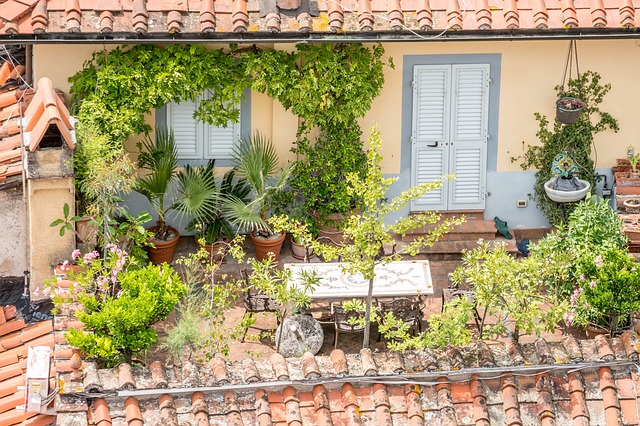
Terrace Garden
India's rooftop conditions are genuinely unforgiving. Intense sun, concrete-reflected heat, seasonal winds, and soil that dries out faster than any ground bed — not every plant handles that combination well. The 15 picks in this guide are chosen specifically because they perform under real Indian urban conditions without needing constant babysitting. Whether you have a 200 sq ft terrace or a sprawling 1,000 sq ft rooftop, these plants deliver results season after season.
According to Wikipedia's overview of urban agriculture, rooftop farming is one of the fastest-growing forms of urban food production globally — and India's dense, land-scarce cities are leading that expansion. The techniques proven in community gardens and research plots translate directly to your home terrace, and you don't need a farming background to make them work.
India spans an enormous climate range — from humid coastal cities to arid northern plains to temperate hill stations. The good news is that the plants below perform well across most of those zones, provided you give them adequate sun and proper drainage. These are the 15 you should consider first when planning your rooftop garden.
Vegetable Garden
Vegetables That Thrive on Rooftops
Vegetables deliver the most practical value from a terrace garden. You get fresh produce from your own rooftop, and most of these grow fast enough to keep you motivated through the early learning curve.
Tomatoes — The most popular choice for Indian terrace gardens, and for good reason. Determinate varieties like Pusa Ruby need support stakes but reward you with heavy yields in 10–12 inch pots. They need 6–8 hours of direct sun daily and respond strongly to consistent watering and biweekly feeding.
Chillies — Low-maintenance, heat-loving, and perfectly suited to rooftop conditions. Bhavnagari, Jwala, and Kashmiri varieties all do well in containers as small as 8 inches. They're drought-tolerant once established and produce continuously through the growing season.
Brinjal (Eggplant) — Grows vigorously in 12-inch deep containers. The Pusa Purple Long variety is particularly productive on terraces. It needs steady moisture but tolerates the radiant heat that concrete rooftops throw off during Indian summers.
Spinach and Methi (Fenugreek) — Perfect for shaded corners of your terrace where full-sun crops won't grow. Both flourish in shallow trays just 6 inches deep and can be harvested within 3–4 weeks of sowing — which makes them ideal for impatient beginners.
Gourds (Bottle Gourd, Bitter Gourd) — These climbers are ideal for creating natural shade on your terrace while simultaneously producing vegetables. Train them on a trellis or wire frame fixed to your parapet wall, and you get food plus a living sun shield.
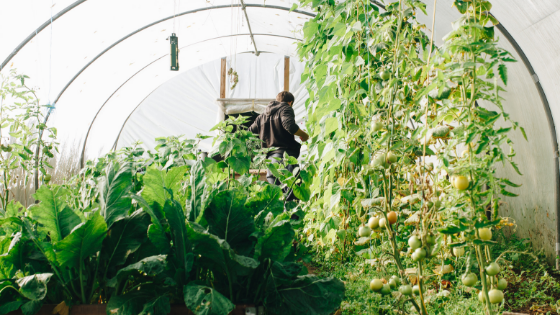
Tomato:
Fruits Worth Growing in Containers
Container fruit growing sounds ambitious, but dwarf and semi-dwarf varieties make it genuinely practical on Indian rooftops. Invest in the right varieties and the right container sizes, and you'll be harvesting fruit from your terrace within two growing seasons.
Kagzi Lime — The classic terrace fruit for India. In a 16–18 inch container with good drainage, it produces nearly year-round. It's drought-tolerant once established and handles rooftop wind better than most fruit trees. A single mature plant produces more limes than most families can use.
Dwarf Guava — Selected dwarf varieties grow in 18-inch containers and fruit within two years of planting. They handle Indian summers without complaint, need very little fertilizer once established, and attract minimal pest pressure compared to most fruiting trees.
Strawberries — A surprising performer on Indian terraces during the winter months (October through February). They do exceptionally well in hanging planters or tiered containers, which also saves your valuable floor space. For the best container options, the guide to the best planters for strawberries covers choices that work well in Indian conditions.
Dwarf Cavendish Banana — Grows in a 20-gallon container and produces fruit. It's as much a conversation piece as a food producer. Wind protection matters with this one — position it against a wall or within a cluster of other containers that break the gusts.
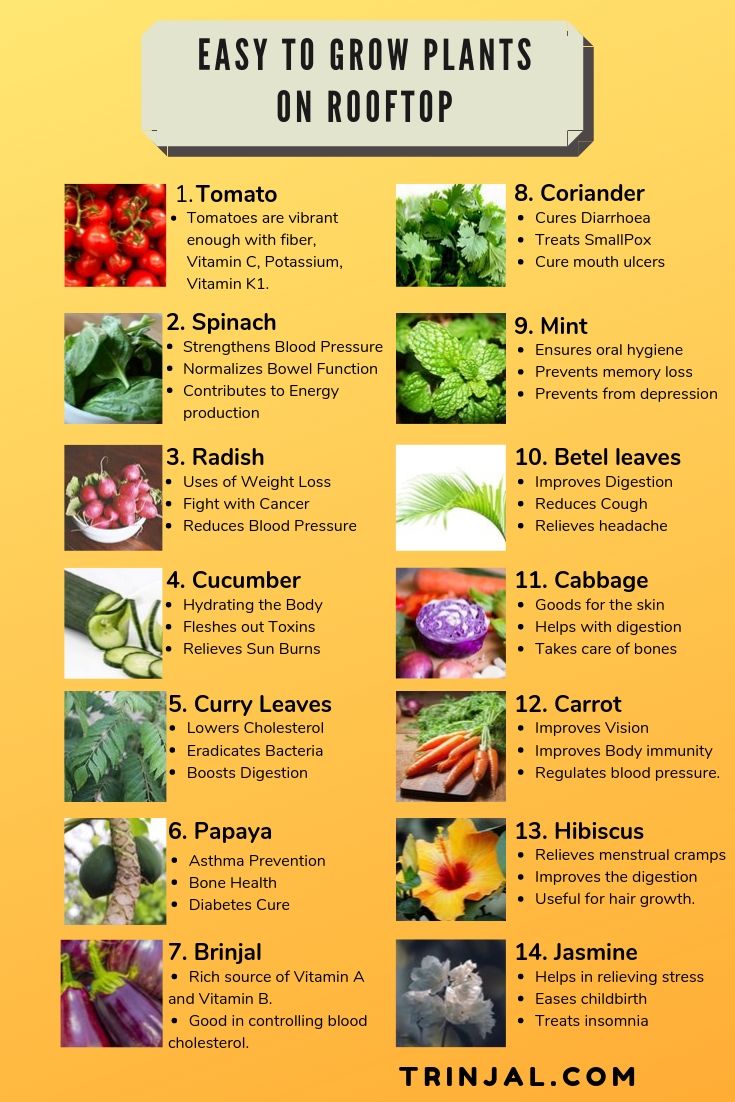
Plants To Grow On Rooftop
Herbs and Greens for Daily Use
If you cook Indian food regularly, a terrace herb garden pays for itself within a couple of months. Fresh herbs from your rooftop are noticeably superior to market produce, and most of these require almost no space.
Tulsi (Holy Basil) — Sacred, medicinal, and practically indestructible on Indian rooftops. It self-seeds freely, tolerates periods of neglect, and grows well in terracotta. One plant near your terrace entrance basically tends itself through the warmer months.
Mint — Spreads aggressively, so keep it confined to its own container. Grows well in partial shade, which makes it ideal for spots that don't receive full sun. Works in 6–8 inch pots and can be harvested continually throughout the growing season.
Coriander (Dhania) — Best grown during cooler months from October through February. Sow densely in shallow trays and harvest outer leaves as needed. Stagger your sowing every two weeks for a continuous supply rather than one big flush.
Curry Leaf (Kadi Patta) — A slow starter that rewards patience. Once established in a 12-inch container, a curry leaf plant produces for years. It needs full sun and monthly fertilizing but delivers a steady supply of leaves that no market vendor can match for freshness.
Flowering Plants That Earn Their Space
Not everything on your terrace needs to be edible. Flowering plants attract pollinators that directly benefit your vegetables, act as natural pest deterrents, and make the space genuinely pleasant to spend time in — which matters more than most gardening guides acknowledge.
Marigold (Tagetes) — The workhorse of the Indian terrace garden. Companion-plant it with every vegetable container to repel aphids, whiteflies, and spider mites. It blooms prolifically in full sun and grows in any container size.
Hibiscus — Grows into a substantial flowering shrub in a 14-inch container. The blooms attract bees to your vegetable plants, and the leaves have culinary uses in South Indian cooking. It handles extreme heat and positively thrives in Indian summers.
Miniature Roses — Patio and miniature rose varieties work well on terraces in 12-inch containers. They need more attention than marigolds — monthly feeding, deadheading, and occasional pest management — but the visual payoff is hard to match.
Setting Up Your Terrace Garden the Right Way
The plants you choose only account for half the equation. How you set up your growing environment determines whether those plants thrive or struggle from day one. The majority of terrace garden failures come from setup problems, not plant selection errors. Get the infrastructure right first.
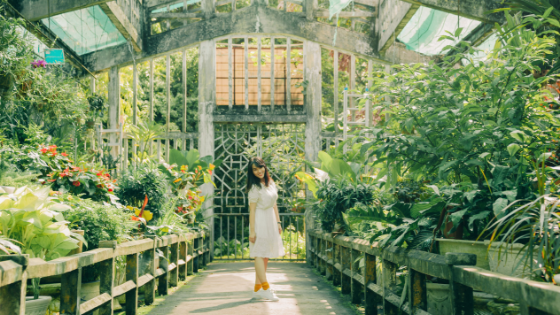
Greenhouse India
Choosing the Right Containers
Container choice affects root health, moisture retention, and the weight load on your terrace slab. Each material has a different trade-off profile:
Grow bags — Lightweight, affordable, and their porous fabric air-prunes roots for healthier plants. The best choice for weight-conscious terraces. A 15-liter grow bag weighs under 8 kg when fully saturated.
Terracotta pots — Breathable and attractive, but heavy and prone to drying out quickly in direct sun. Best for herbs and smaller plants positioned in partial shade, where their moisture-regulating properties shine.
Plastic containers — Light, inexpensive, and retain moisture well. The downside is root overheating in intense Indian sun — paint them white or wrap with jute to reflect radiant heat and keep root zone temperatures tolerable.
Raised beds — Excellent for shallow-rooted vegetables like spinach and lettuce, but require careful structural assessment before installation. A fully watered large raised bed can impose significant point loads on your slab.
Getting the Soil Mix Right
Never use garden soil in containers. It compacts within weeks, drains poorly, and carries soil-borne diseases into an enclosed rooftop environment with no natural buffering. A well-proven container mix for Indian terraces consists of 40% cocopeat, 40% vermicompost, and 20% perlite or coarse river sand.
This combination drains freely after heavy rain or watering, holds adequate moisture between watering sessions, and delivers the organic nutrition that heavy feeders like tomatoes and gourds demand. Refresh the mix at the start of each growing season by top-dressing with fresh vermicompost and replacing any heavily depleted soil. For a thorough look at pre-mixed options, the guide to the best organic potting soils for container gardening covers products that perform well in Indian climate conditions.
How Much Does a Terrace Garden Actually Cost?
One of the first questions every new terrace gardener asks is what the whole thing is going to cost them. The honest answer: a productive starter setup costs significantly less than most people expect, and once the infrastructure is in place, ongoing costs are modest.
Startup Cost Breakdown
Here's a realistic cost breakdown for a 15-container starter setup covering vegetables, herbs, and a couple of fruiting plants:
Item
Estimated Cost (INR)
Notes
Grow bags — 15 bags, assorted sizes
600–900
Mix of 5L, 10L, and 15L
Cocopeat (5 kg compressed block)
150–250
Expands to fill approximately 20L
Vermicompost (5 kg bag)
120–200
Local brands perform as well as premium
Perlite or coarse river sand (2 kg)
80–150
Improves drainage significantly
Seeds and seedlings (15 varieties)
400–800
Buy tomato and chilli as seedlings
Balanced fertilizer (NPK + micronutrients)
200–400
Liquid organic fertilizer preferred
Watering can or basic drip kit
200–600
Drip kits save significant time in summer
Stakes, ties, and basic supports
100–200
For tomatoes, gourds, and roses
Total (approximate)
1,850–3,500
Varies by city and purchasing source
Ongoing Monthly Costs
Once your setup is in place, ongoing costs are genuinely minimal:
Water — Container gardens typically require 2–5 liters per container per day during summer. In a city like Mumbai or Delhi, this adds a negligible increment to your water bill.
Fertilizer — Budget ₹100–200 per month for liquid organic fertilizer. Most plants need feeding every two weeks during active growth phases.
Pest control — A bottle of cold-pressed neem oil costs ₹150–300 and lasts several months. It handles most common terrace pests without chemical inputs.
Replacement plants and seeds — Allocate ₹100–300 per month for seasonal rotation and restocking as crops finish.
Total ongoing costs for a 15-container terrace garden typically run ₹400–800 per month. That number is substantially offset by the value of fresh produce you harvest — particularly herbs, chillies, and leafy greens, which are consistently expensive at markets.
Mistakes That Kill Terrace Gardens Before They Start
Most terrace gardens fail in the first growing season — not because the grower lacked skill, but because of a handful of entirely preventable errors. These are the ones that do the most damage, and the ones you hear about most often from gardeners who gave up too soon.
Warning: Never use regular garden soil in rooftop containers. It compacts within weeks, suffocates roots, and introduces soil-borne diseases into a contained environment that has none of the natural buffering mechanisms of ground beds.
Planning and Setup Errors
Ignoring structural load limits — A fully saturated 50L raised bed can weigh 60–80 kg. Multiply that across a large rooftop garden and you're potentially overloading your slab. Get a professional structural assessment before installing anything large or heavy.
Choosing container positions before mapping sun exposure — Most food plants need 6+ hours of direct sun. Parapets, overhead water tanks, and neighboring buildings create shade patterns that shift with the season. Observe your terrace at different times of day across a few days before deciding where anything goes.
No drainage provision — Containers sitting in pooled water develop root rot within days. Use pot saucers with pebbles to elevate drainage holes above standing water, or position containers on slatted wooden stands that allow airflow underneath.
Overcrowding from excitement — It's tempting to fill every square foot when you're starting out. Overcrowded containers compete for nutrients and block airflow between plants, which invites the fungal diseases that thriving rooftop humidity encourages.
Watering and Feeding Errors
Inconsistent watering cycles — Container soil on an exposed rooftop dries fast. Tomatoes that cycle through wet-dry-wet conditions develop blossom end rot and cracked fruit. Check moisture 2 inches below the surface each morning before temperatures rise.
Skipping fertilizer after the first month — Container soil is a finite nutrient reservoir. Unlike ground beds, your containers have no access to the broader soil ecosystem. Without regular feeding, most plants become visibly nutrient-deficient within 4–6 weeks of establishment.
Using only nitrogen-heavy fertilizers throughout the season — High-nitrogen feeds produce lush foliage on tomatoes and chillies but actively suppress flowering and fruiting. Switch to a phosphorus-potassium-dominant feed once plants are well-established and you want them to focus on producing rather than leafing out.
Skipping hardening for new seedlings — Nursery seedlings raised under shelter need 5–7 days of gradual sun exposure before they go onto a fully exposed rooftop. Skip that acclimatization period and you'll see sunscald and wilting within 24 hours of placement.
Pro Tips for Getting More From Your Rooftop
Once the basics are working, these are the techniques that separate genuinely productive terrace gardens from mediocre ones. Most cost nothing extra — they're smart practices rather than expensive upgrades.
Pro tip: Companion-plant marigolds alongside every vegetable container. They repel aphids, whiteflies, and spider mites — the three pests most likely to damage your tomatoes and chillies on an Indian rooftop — more reliably than most commercial sprays.
Maximizing Small Spaces
Vertical growing is the single biggest productivity multiplier available to terrace gardeners. You triple useful growing surface without adding any load to your slab floor.
Train climbers up parapet wall trellises — A 10-foot trellis section fixed to your parapet wall gives gourds and beans 60–80 sq ft of growing surface while occupying only 2 sq ft of floor space. It also creates a living windbreak for more delicate plants behind it.
Stagger sowing for continuous harvests — For fast crops like coriander and spinach, start a new tray every two weeks. You'll harvest continuously rather than experiencing a glut followed by a complete gap while the next batch catches up.
Grow trailing herbs in parapet-mounted window boxes — Parapet-mounted boxes keep the floor clear, position herbs in maximum sun, and place them above the wind shadow that builds at terrace floor level. Mint and thyme trail attractively over the sides.
Use the undersides of raised platforms — If you build any elevated planting platforms, the shaded space underneath works perfectly for shade-tolerant greens like spinach and mint during the hotter months.
Beating the Heat and Drought Stress
White-coat or wrap all dark containers — Dark plastic and unglazed terracotta pots reach 50°C+ on Indian summer afternoons, effectively cooking the root zone. A coat of white exterior paint or a jute wrap keeps temperatures tolerable and reduces watering frequency dramatically.
Mulch every container surface — A 2-inch layer of dry grass, straw, or cocopeat over the soil surface cuts evaporation by up to 50% during peak summer. This single step often determines whether a terrace garden survives a May heat wave or loses most of its plants.
Install 50% shade netting over heat-sensitive crops — Lettuce, coriander, and mint struggle under unfiltered Indian summer sun during April through June. A shade net reduces thermal stress without eliminating the light they need to grow. Remove it in September when temperatures become manageable again.
Water in the morning, never the evening — Morning watering delivers moisture to roots before the hottest part of the day. Evening watering leaves foliage wet overnight, creating the humid conditions that fungal pathogens — particularly powdery mildew — need to establish.
When Things Go Wrong: Fixing Common Terrace Garden Problems
Every terrace gardener faces problems. The key is diagnosing them accurately and responding with the right fix rather than guessing and potentially making things worse. Most issues fall into two broad categories: cultural problems caused by care errors, and pest or disease issues introduced from outside.
Remember: Yellow leaves at the bottom of a plant almost always mean nitrogen deficiency — feed with balanced liquid fertilizer. Yellow leaves across the entire plant combined with wilting at good soil moisture points to root rot from overwatering.
Yellowing Leaves and Wilting
These two symptoms account for most of the distress calls from new terrace gardeners. The diagnosis matters because the fixes are opposite in some cases:
Bottom leaves yellowing, top growth looks healthy — Classic nitrogen deficiency. The plant is stripping nitrogen from older leaves to feed new growth. Apply a balanced NPK liquid fertilizer every two weeks and the problem resolves within 10 days.
All-over yellowing with persistently wet soil — Overwatering and likely root rot. Remove the plant from its container, trim any brown mushy roots back to healthy white tissue, and repot in fresh, dry mix. Rest it in partial shade for a week before returning to full sun.
Wilting despite adequate soil moisture — Either root rot (check the roots) or heat stress from an overheated container. If roots are healthy and white, the container itself is cooking the root zone — wrap or paint it immediately.
Brown, crispy leaf edges — Wind scorch or salt buildup from repeated fertilizer applications. Flush the container with twice its volume of clean water to leach accumulated salts, then move the plant to a more sheltered position on your terrace.
Dealing With Pests
The most common terrace garden pests in India are aphids, whiteflies, spider mites, mealybugs, and thrips. Most respond to the same core treatments:
Neem oil spray — The most effective broad-spectrum organic treatment available to Indian terrace gardeners. Mix 5 ml cold-pressed neem oil with 1 ml dish soap in 1 liter of water. Spray every 7–10 days until the infestation clears. For the best local products, the guide to the best neem oil in India for plants reviews options readily available across Indian cities.
Hard water spray for aphids and spider mites — A firm stream of water removes 70–80% of aphid colonies on contact. Do it in the morning so foliage dries completely before afternoon. It works best as a first response before you reach for any spray.
Yellow sticky traps near affected plants — Position these at plant canopy height to catch adult whiteflies and thrips before they complete another egg-laying cycle. Replace traps when they're covered — a full trap is no longer pulling pests out of circulation.
Isolate infected containers immediately — When you spot a pest problem, physically move that container away from your other plants within the hour. Rooftop pests spread fast between closely spaced containers, and the only reliable way to break that cycle early is spatial separation.
Frequently Asked Questions
Which plants are easiest to start with on an Indian terrace?
Chillies, tulsi, mint, and marigolds are the most forgiving choices for beginners. They tolerate irregular watering, handle intense sun without wilting, and show visible growth within weeks — which keeps motivation high while you're building your understanding of terrace gardening basics.
How much weight can a typical Indian terrace slab handle?
Most modern RCC residential slabs are designed for a live load of 150–200 kg per square meter. Lightweight grow bags and plastic containers keep you well within that limit for normal setups. For large raised beds or heavy terracotta installations, get a formal structural assessment — never assume the slab can handle unusual loads without checking.
Do I need special soil for terrace container gardening?
Yes, and this is non-negotiable. Regular garden soil compacts within a few weeks in containers, leading to poor drainage and root suffocation. Use a cocopeat-vermicompost-perlite blend instead. It drains freely, holds adequate moisture between waterings, and provides the organic nutrition container plants need without the compaction and disease risk of in-ground soil.
How often should I water terrace container plants during Indian summers?
Once or twice daily during peak summer months — April through June — is typically necessary for most containers in full sun. Check soil moisture 2 inches below the surface before watering rather than following a fixed schedule. Morning watering is most effective because it delivers moisture to roots before afternoon heat stress peaks and allows foliage to dry before nightfall.
Can I realistically grow fruit trees on an Indian terrace?
Yes — dwarf and semi-dwarf varieties of Kagzi lime, guava, and banana all perform reliably in large containers on Indian rooftops. They typically take 1–2 years from planting to first fruit, but once producing they deliver harvests for years with minimal maintenance. Use 16–20 inch pots or 25–50 liter grow bags and feed monthly during the growing season.
Key Takeaways
The best plants for terrace gardening in India are those adapted to container constraints, intense sun, and fast-drying soil — tomatoes, chillies, Kagzi lime, tulsi, mint, and marigolds lead the list for most Indian climates.
Setup quality matters more than plant selection — a cocopeat-vermicompost-perlite soil mix, proper container choice, and accurate sun mapping determine whether your plants thrive or struggle from day one.
A functional 15-container terrace garden costs ₹1,850–3,500 to set up and ₹400–800 per month to maintain, with fresh produce value that offsets a significant portion of that cost within a single growing season.
Most terrace garden failures are preventable — structural assessment, consistent morning watering, biweekly feeding, and early pest intervention with neem oil address the vast majority of problems before they become terminal.
Christina Lopez grew up in the scenic city of Mountain View, California. For eighteen ascetic years, she refrained from eating meat until she discovered the exquisite delicacy of chicken thighs. Christina is a city finalist competitive pingpong player, an ocean diver, and an ex-pat in England and Japan. Currently, she is a computer science doctoral student. Christina writes late at night; most of her daytime is spent enchanting her magical herb garden.



 rinjal