reviewed by Christina Lopez
My neighbor Ravi had been growing tomatoes in clay pots on his Hyderabad rooftop for years. When he first heard about government financial support for greenhouse setups, he almost brushed it off — too much paperwork, he figured. Then he looked properly into the telangana greenhouse subsidy rooftop farming program, and a few months later he had a professional polycarbonate greenhouse overhead and fresh vegetables growing right through the hottest months of the year. If you're serious about plants, herbs, and home farming and you live in Telangana, this initiative could completely change what's possible on your terrace.
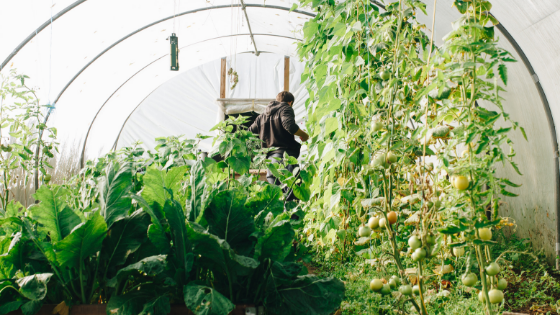
The Telangana government's rooftop greenhouse subsidy provides direct financial assistance to urban homeowners and apartment residents who want to build a greenhouse structure on their terrace. The program covers a significant portion of the setup cost so you can create a real, productive growing space without draining your savings upfront. It's part of a broader state push toward urban food security and self-reliance — and it's open to ordinary city residents, not just professional farmers.
This guide covers everything you need: how to check eligibility, gather documents, submit your application, avoid the mistakes that sink most applications, understand when timing actually matters, clear up the misconceptions, and see exactly where your money goes. Let's get into it.
Contents
The application process is more straightforward than most people expect. You don't need to hire a consultant or navigate layers of bureaucracy on your own. Here's exactly what to do.
Before you collect a single document, confirm you meet the basic requirements:
Both independent homeowners and flat or apartment residents with documented roof access can apply. You do not need agricultural land — a city rooftop qualifies. Tenant residents may apply if they can provide a written agreement from the property owner authorizing the installation.
Gather all of these before you visit any government office. Missing even one document means a return trip:
Pro tip: Always get your supplier quotation from a vendor on the horticulture department's empanelled list — using an unapproved installer is the single most common reason applications get stalled or rejected.

Most rejections come down to the same handful of preventable errors. Learn them now so you don't waste weeks resubmitting.

Timing your application correctly improves both your chances of approval and the practical success of your installation. There's a right season to move and a right season to hold.
Apply when all of these conditions are in place:
In practical terms, early in the financial year is your best window. Government subsidy budgets are finite and released annually — applicants who move early get funded before the allocation runs out. Late-year applicants sometimes wait until the next cycle.
Don't submit your application if any of these apply:
Warning: Subsidy approvals carry expiry dates — if you don't complete installation within the stipulated period, you forfeit the benefit entirely and must start the application process over from scratch.
If you're not ready for a full greenhouse yet, use the waiting period productively. Start with containers on your roof and figure out what grows well in your specific conditions. Picking the right containers makes a real difference — a guide to choosing the right size vertical garden pots will help you plan your layout efficiently before the full structure goes up.
Misinformation about this program is widespread. Here are the ones worth addressing directly — because each one is stopping someone from applying who should be.
This is the most common reason urban residents don't even attempt to apply. You do not need a farmer registration, agricultural land records, or any farming history. The scheme explicitly targets city and town homeowners. A Hyderabad flat resident qualifies exactly the same as a smallholder farmer in Nalgonda. Urban food production is the entire point of this program — non-farmers are the primary audience, not an afterthought.
The subsidy covers a percentage of the approved project cost up to a government-set ceiling — not the full amount. Greenhouse structures vary enormously in material, size, and complexity, and the government applies a fixed per-square-meter rate as the subsidy base. You will have out-of-pocket expenses. Plan for them. The budget breakdown section below shows you exactly what to expect.
A small rooftop polyhouse is not an industrial glasshouse. You don't need automated climate control systems, irrigation computers, or commercial-grade monitoring equipment. Most home-scale rooftop greenhouses operate on:
Tomatoes, leafy greens, herbs, chilies, and cucumbers all perform extremely well in this kind of setup. The learning curve is gentle. You don't need prior greenhouse experience to get started — if you've grown anything in a pot before, you have enough background to run a rooftop polyhouse successfully.
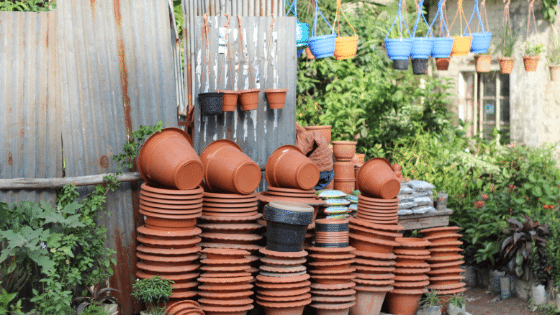
The telangana greenhouse subsidy rooftop farming program cuts your upfront investment significantly — but you need a clear picture of what remains your responsibility. Here's how the numbers break down.
The Telangana Horticulture Department funds rooftop greenhouse construction under the National Horticulture Mission (NHM) framework and state-level urban farming schemes. Coverage typically includes:
The standard rate covers approximately 50% of the project cost up to a government ceiling per square meter. Specific figures are revised periodically — always confirm the current approved rate with your DHO office before you commit to a supplier quotation.
| Item | Approximate Cost (INR) | Covered by Subsidy? | Notes |
|---|---|---|---|
| Greenhouse structure (100 sq ft) | 20,000 – 35,000 | Partially (up to ~50%) | Polyfilm is cheapest; polycarbonate panels cost more but last longer |
| Drip irrigation system | 3,000 – 8,000 | Sometimes included | Verify with your scheme tier — not always covered |
| Grow bags or containers | 2,000 – 5,000 | No | Direct out-of-pocket; reusable for several seasons |
| Potting mix or cocopeat | 1,500 – 3,500 | No | Recurring cost each growing season |
| Seeds or seedlings | 500 – 1,500 | No | Low recurring cost; easy to save seeds of open-pollinated varieties |
| Structural load assessment | 1,000 – 3,000 | No | One-time cost; strongly recommended for buildings over 15 years old |
| Society NOC processing (apartment only) | 0 – 2,000 | No | Varies by housing society; many process it for free |
On a 100 sq ft rooftop greenhouse, your realistic total investment after subsidy lands roughly between INR 15,000 and 25,000. For a 300 sq ft setup, budget INR 45,000–70,000 out of pocket. These are ballpark figures — get a proper written quotation from an empanelled supplier for an accurate number specific to your roof and chosen materials.
The ongoing costs are minimal once the structure is in place. Your main recurring expenses are growing media, seeds, and water. Compare that to what you currently spend on market vegetables each month — most rooftop growers recover their setup cost within two to three growing seasons.
The telangana greenhouse subsidy rooftop farming program puts real money behind urban food growing — and the application process is well within reach for any homeowner or apartment resident willing to spend a few hours gathering paperwork. Your concrete next step is this: call your District Horticulture Officer's office, confirm the current scheme is open for applications, and start pulling your documents together this week. The gardeners who act early in the funding cycle are the ones who get approved — don't let budget allocation close before your form is in.
 |
 |
 |
 |

About Christina Lopez
Christina Lopez grew up in the scenic city of Mountain View, California. For eighteen ascetic years, she refrained from eating meat until she discovered the exquisite delicacy of chicken thighs. Christina is a city finalist competitive pingpong player, an ocean diver, and an ex-pat in England and Japan. Currently, she is a computer science doctoral student. Christina writes late at night; most of her daytime is spent enchanting her magical herb garden.


Get new FREE Gifts. Or latest free growing e-books from our latest works.
Disable Ad block to reveal all the links. Once done, hit a button below
|
|
|
|
 rinjal