The first time I watched a Brahma Kamal bloom, it was well past midnight. My neighbor had arranged chairs in a semicircle around her potted plant and called everyone over as the flower slowly opened — pale, luminous, completely unhurried. If you're here to learn brahma kamal plant care, you've chosen one of the most rewarding plants in Indian horticulture. Everything from soil prep to Vastu placement is covered in this guide, and you can explore more in the plants, herbs, and farming section on Trinjal.
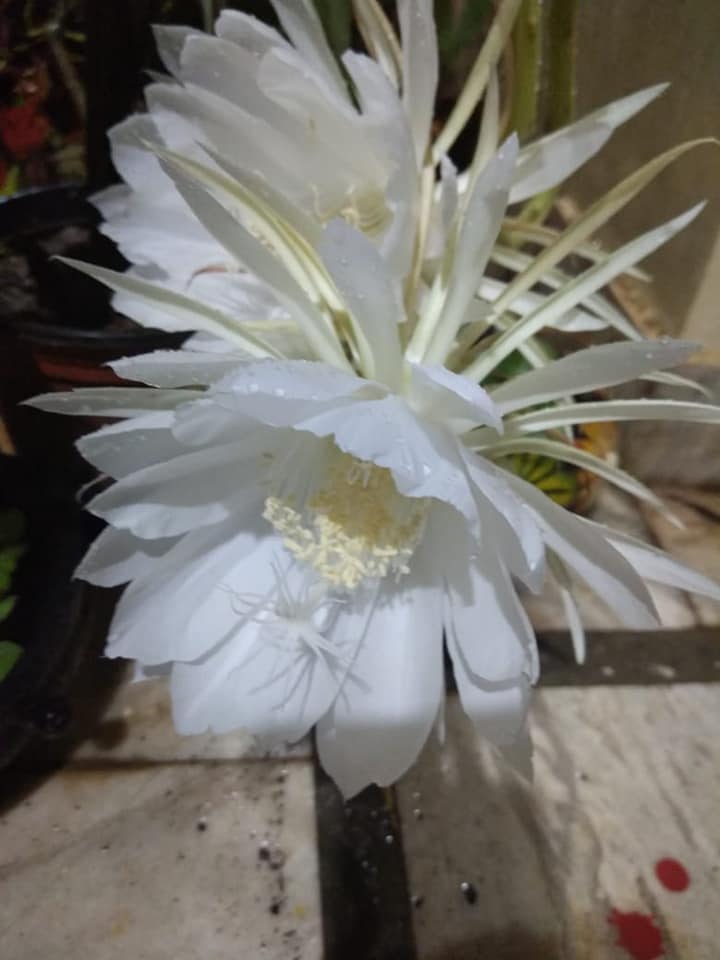
Brahma Kamal (Saussurea obvallata) grows naturally in the Himalayan alpine zone, at elevations above 4,500 meters. According to Wikipedia, it is one of the most sacred flowers in Hindu mythology, revered across Uttarakhand and Nepal. That alpine origin shapes everything about its care — it prefers cool temperatures, sharp drainage, and a defined rest period through winter. In a pot on your balcony, it adapts well as long as you replicate those core conditions.
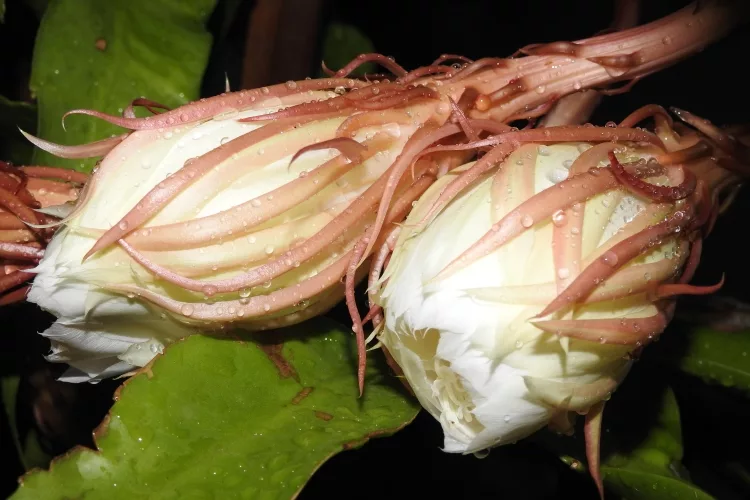
The leaves are large, flat, and waxy, structurally similar to a succulent. The plant stores moisture in its leaf tissue, which means overwatering is a far greater threat than underwatering. That one biological fact answers more care questions than any rigid schedule ever could. The plant blooms once a year, typically between July and September, with each flower opening only at night and lasting just a few hours before closing permanently. Get the fundamentals right, and that brief annual event becomes something you genuinely look forward to.
Contents
Overwatering is the single most common reason Brahma Kamal plants decline, and it's almost always fatal before the grower realizes what's happening. The root system is shallow and highly sensitive to waterlogged conditions. Water only when the top two inches of soil are completely dry — press your finger in to check, not just the surface. In winter, stretch that interval much further. A limp or soft leaf often signals rot rather than thirst, which is exactly the opposite of what most gardeners assume.
Standard potting soil retains far too much moisture for this plant. You need a gritty, fast-draining mix — equal parts regular potting soil, coarse sand, and perlite works well for most growers. This replicates the rocky, nutrient-poor substrate the plant evolved in at high altitude. Compact soil creates pockets of standing moisture around the roots, which leads to the same outcome as overwatering even if your watering frequency is correct.
Brahma Kamal does best in bright, indirect light. Direct afternoon sun scorches the thick leaves and causes them to bleach and curl. Full shade, on the other hand, suppresses blooming and weakens the plant over time. A spot that gets morning sun and filtered afternoon light — an east-facing window or a balcony with partial shade — is the sweet spot. Moving the plant repeatedly to find the "perfect" location is itself a mistake; the stress of adjustment delays blooming just as much as poor conditions.
Not all night-blooming plants are created equal in terms of care demands, bloom frequency, or cultural significance. If you're deciding whether Brahma Kamal fits your garden or balcony, this side-by-side view clarifies exactly where it stands.
| Plant | Bloom Frequency | Light Needs | Watering | Vastu Significance |
|---|---|---|---|---|
| Brahma Kamal | Once a year | Bright indirect | Low — drought-tolerant | Very high — sacred flower |
| Queen of the Night (Epiphyllum oxypetalum) | Multiple times per year | Bright indirect | Moderate | Moderate |
| Night-blooming Jasmine (Cestrum nocturnum) | Seasonal clusters | Full sun | Moderate to high | Low |
| Moonflower (Ipomoea alba) | Frequent (climbing vine) | Full sun | Regular | Minimal |
Brahma Kamal is the most water-conservative of the group and the slowest to bloom — but it carries the most cultural weight by a wide margin. If the once-a-year bloom cycle feels limiting, Queen of the Night offers similar mystique with a more generous flowering schedule and nearly identical light and watering requirements.
In your first season, your only job is to keep the plant alive and let it establish. Resist the urge to fertilize heavily, repot too early, or move the plant around chasing better light. Choose a location, commit to it, and let the root system settle into the soil. New growers often panic when they see no blooms in year one — that's completely normal. Brahma Kamal regularly takes two to three years to reach blooming maturity in cultivation, especially if started from a cutting rather than a blooming-age plant.
By your third or fourth year, you'll start reading the plant the way an experienced grower does. You'll notice a slight thickening near the leaf joints before a bud forms, a subtle shift in leaf color that signals the plant is about to direct energy into flowering. Experienced growers time their care adjustments around these signals — a light spring feed, a deliberate reduction in watering from mid-June onward — to support and not interrupt the bloom. Patience is the defining skill in advanced brahma kamal plant care. Propagation through leaf cuttings also becomes reliable at this stage, letting you expand your collection or gift plants to others.
Use a terracotta pot with at least one drainage hole. Terracotta breathes, allowing excess moisture to evaporate through the walls — exactly what Brahma Kamal needs to stay healthy. Keep the pot slightly snug rather than oversized. When a pot is too large, the surrounding soil stays wet long after the plant has absorbed what it needs, which recreates the overwatering problem even with a correct watering schedule. A pot 2–3 inches wider than the root ball is the right fit.
Aim for 4–5 hours of morning light followed by afternoon shade. In most Indian climates, a north or east-facing balcony works well through the growing season. If you're growing indoors — where natural light is often inadequate — the guidance in Indoor Plants: How to Grow Them at Home covers how to manage lighting gaps using supplemental sources, which is directly applicable to keeping Brahma Kamal healthy through dull winter months.
In Vastu Shastra, Brahma Kamal is associated with prosperity, spiritual clarity, and positive energy. The northeast corner of your home or garden is the most auspicious placement. Avoid the south or southwest, traditionally linked to fire energy, which conflicts with the plant's cool, meditative symbolism. In traditional Ayurvedic use, Brahma Kamal is credited with anti-inflammatory and wound-healing properties, though it is primarily celebrated in religious contexts. Many families hold an informal puja when the flower opens, treating the bloom as a blessing for the household.
Brahma Kamal evolved in nutrient-poor mountain soil, so it's a genuinely light feeder. One application of organic fertilizer in early spring — just as new growth begins — is usually all it needs for the entire growing season. Vermicompost is the ideal choice: it releases nutrients slowly, improves soil structure, and doesn't create the salt buildup that synthetic fertilizers cause in low-drainage mixes. If you're sourcing quality organic inputs, the detailed breakdown at Best Vermicompost Brands in India gives you a solid starting point for choosing the right product.
Pro tip: Never fertilize a Brahma Kamal that already has visible buds — the sudden nutrient surge can cause the bud to abort before it opens.
Take a healthy leaf cutting in spring, let the cut end callous over for 24 hours in open air, then press it lightly into a mix of coarse sand and perlite. Keep it barely moist — not wet — in indirect light. Roots typically appear within four to six weeks. Don't rush to pot up the cutting into a regular mix; wait until roots are at least 2 cm long and a small new leaf nub has appeared at the base. Rushing that transition is the most common propagation failure point.
Water consistently through the active growing season from March through September, roughly once every 7–10 days depending on your local heat and humidity. Adjust for rainfall — if the monsoon is heavy, you may not need to water at all for weeks at a stretch. From October through February, reduce sharply: once every three to four weeks is often enough. The plant enters a semi-dormant state in winter, and wet soil during this period is the leading cause of root rot. When in doubt, wait two more days before watering. That small discipline prevents the majority of problems.
Repot only when roots emerge visibly from the drainage hole, or when the plant has occupied the same container for three or more years. Brahma Kamal blooms best when slightly root-bound — the mild stress of a snug pot encourages flowering in the same way that a brief dry spell does. Repotting at the wrong time, especially in the weeks leading up to the bloom period, is a reliable way to lose your annual flower. The ideal repotting window is early spring, before new growth begins and well before any bud formation.
If your Brahma Kamal has firm, deep green leaves and is sitting in good light, leave it alone. It doesn't need water, fertilizer, or a new location. Most growers intervene out of anxiety rather than necessity. A stable-looking plant is a healthy plant. The urge to do something — to move it, mist it, feed it — is the instinct most likely to cause damage. Learning to resist that urge is one of the most underrated skills in keeping this plant long-term.
This is the window when the plant does its real work. Keep soil consistently moist but never waterlogged, maintain good light exposure, and apply a single light dose of organic fertilizer in spring. Watch for bud formation from late June onward. Once buds appear, reduce watering slightly — the mild stress of drier conditions actually encourages blooming in many succulent-type plants, and Brahma Kamal follows this pattern reliably. Handle the plant as little as possible during this phase.
If your plant is outdoors, move it under cover during sustained heavy rainfall. Even two or three days of continuous waterlogging can trigger root rot quickly. Elevate the pot on feet or bricks so drainage remains unobstructed at all times. This is also the season when Brahma Kamal most commonly blooms, which makes protecting the plant during this period especially important. A waterlogged root system during the bloom window means you lose both the flower and compromise the plant's health going into winter.
Reduce watering drastically, stop fertilizing entirely, and move the plant to a sheltered spot away from cold winds and frost. If temperatures in your area drop below 5°C, bring it indoors near an east-facing window. Some leaves will yellow and drop during dormancy — that's normal plant behavior, not a sign of decline. Resume regular care gradually in early March as temperatures begin to climb. Jumping back into full watering and feeding while nights are still cold disrupts the dormancy cycle and weakens the plant heading into its most important season.
 |
 |
 |
 |

About Christina Lopez
Christina Lopez grew up in the scenic city of Mountain View, California. For eighteen ascetic years, she refrained from eating meat until she discovered the exquisite delicacy of chicken thighs. Christina is a city finalist competitive pingpong player, an ocean diver, and an ex-pat in England and Japan. Currently, she is a computer science doctoral student. Christina writes late at night; most of her daytime is spent enchanting her magical herb garden.


Get new FREE Gifts. Or latest free growing e-books from our latest works.
Disable Ad block to reveal all the links. Once done, hit a button below
|
|
|
|
 rinjal