Last spring, a neighbor watched three rose-ringed parakeets work through a guava tree — branch by branch, fruit by fruit — in under an hour. She hadn't planted it for birds. Yet the parrots came back the next day, and the day after that. The experience prompted a question many gardeners eventually ask: what does it actually take to attract parrots to your garden on a consistent basis? The answer involves plant selection, habitat design, and a working understanding of parrot behavior. For broader guidance on supportive plant choices, the plants, herbs, and farming section on Trinjal is a useful starting point.
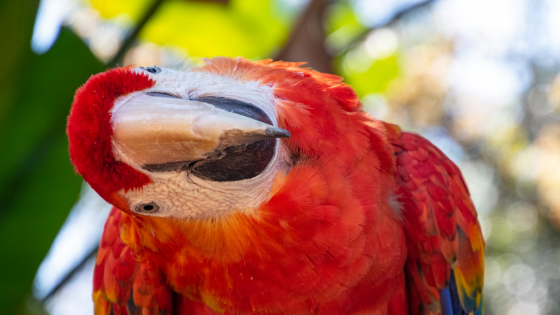
Parrots are not generalist birds. They maintain predictable feeding routes and return to sites that reliably deliver food, water, and safe perches. The Psittaciformes overview on Wikipedia documents over 390 recognized parrot species worldwide, with significant populations across South Asia, Australia, and Sub-Saharan Africa. Many have adapted readily to suburban environments — which means they are already looking for spaces like yours.
Size matters less than you might assume. A well-configured balcony can attract parrots just as reliably as a large backyard, provided the right elements are in place. The sections below explain exactly what those elements are.
Contents
Parrots assess a space against three baseline criteria before settling in: food availability, fresh water, and protection from predators. When your garden satisfies all three consistently, it becomes a regular destination rather than an incidental flyover.
Fruit-bearing plants top the list. Guava, papaya, banana, and fig draw parrots reliably in tropical and subtropical climates. Beyond fruit, parrots forage actively on seed pods, flower nectar, and young leaf shoots. Variety in food sources keeps parrots returning across different seasons, which is why diverse gardens consistently outperform single-crop setups. Supplementary feeders filled with sunflower seeds, safflower, or millet extend the invitation during months when seasonal fruit is scarce. Position feeders at least four feet off the ground and away from exposed areas where predators have clear sightlines.
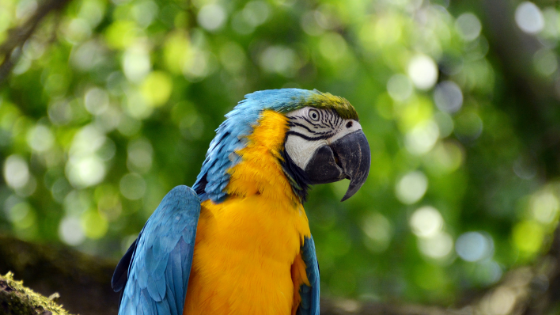
A shallow birdbath with water depth between one and two inches is the most effective water feature for parrots. Change the water every two days to prevent algae buildup and mosquito breeding. For shelter, parrots prefer tall, dense trees or large shrubs from which they can observe surroundings without being easily spotted themselves. Acacia trees, which offer both seed pods and substantial canopy cover, serve double duty in Indian garden settings — they are fast-growing and low-maintenance.
Pro tip: Place your birdbath within a few feet of a perch tree — parrots rarely drink in fully open areas with no quick escape route nearby.
Setting up a parrot-friendly space doesn't require a complete redesign. Most gardens can be adapted incrementally, starting with the elements that deliver the fastest results. Follow these steps in sequence for the most reliable outcome.
Begin with one or two fruit-bearing plants suited to your climate zone. Guava is the most reliable choice across most of India — it fruits multiple times per year and consistently draws parrots. For year-round bird activity, incorporating plants that flower across all seasons adds both nectar sources and structural diversity to your garden. Native flowering plants signal ecological familiarity to local parrot populations.
A ceramic or stone birdbath works better than plastic alternatives, which harbor bacteria more easily and degrade faster in direct sun. Set the bath in a semi-shaded location — full sun heats water rapidly and discourages birds. For balcony setups, a wide, shallow terracotta saucer placed on an elevated stand serves the same function without requiring floor space.
Wooden perch bars or natural branch clusters give parrots a staging area before they commit to feeding. Vertical structures like trellises and climbing frames also serve this purpose. A sturdy trellis positioned near a feeder doubles as both a visual backdrop and a perch station, making it a practical addition to small garden setups where space is at a premium.
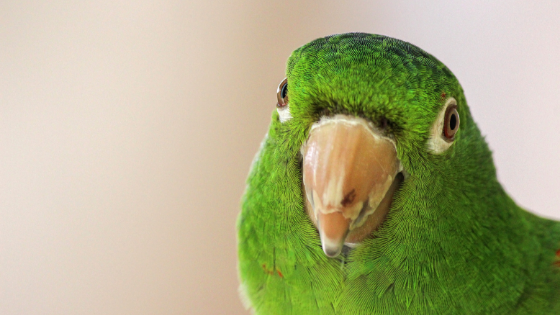
The difference between a beginner configuration and an advanced one comes down to redundancy — multiple overlapping reasons for parrots to stay longer and return more frequently. Both approaches work; the right choice depends on your available space and investment level.
A beginner setup requires just three components: one fruit-bearing plant, one seed feeder, and one water source. This covers the core needs and will attract parrots in areas where the species already exists locally. Even a balcony of 50 square feet can support this configuration using container plants and a wall-mounted feeder. If your balcony has limited surface area, artificial grass options for balcony gardens add visual softness without competing for root space, making the environment feel more naturalistic to visiting birds.
Advanced setups layer multiple food sources across different heights — ground-level fallen fruit, mid-level hanging feeders for seed, and canopy-level trees for in-situ foraging. Water features at two or more locations further increase appeal. Some gardeners add nest boxes to encourage roosting and breeding, though this requires prior research into local species and appropriate box dimensions for the parrot type in your region.
Plant selection is the single most impactful variable in a parrot-attraction strategy. Parrots gravitate toward plants that offer nutrition at different times of year, which is why diversity consistently outperforms monoculture over the long term.
Bottlebrush, hibiscus, and bougainvillea produce nectar-rich flowers that parrots target actively throughout the warmer months. Aerial plants native to India's ecosystems also contribute to biodiversity signals that attract a wider range of bird species, indirectly confirming to parrots that a space is safe and resource-rich. For balcony or patio setups, air-purifying indoor plants like spider plant contribute structural greenery without requiring outdoor ground space.
Note: Avoid placing feeders directly beneath heavily fruiting trees — fermenting fallen fruit and feeder seed consumed together can cause digestive distress in parrots.
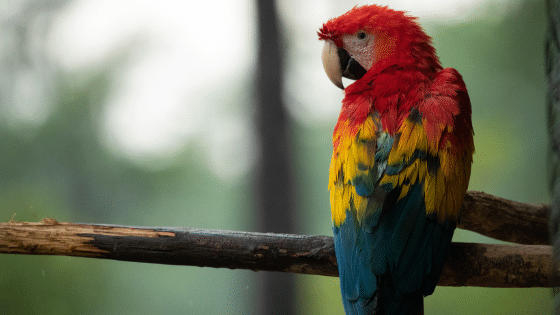
Mulberry, jamun, and neem are reliable draws in South Asian gardens. They fruit consistently and offer dense canopy for shelter. Avoid planting purely ornamental, fast-growing trees that produce minimal fruit — parrots will bypass them entirely. For gardeners in northern India, the unique plant species of Jammu and Kashmir include several native fruiting trees that attract regional parrot populations not found further south.
Reports from urban gardeners across India reveal consistent patterns in what works and what doesn't. These observations offer a grounded look at documented outcomes rather than theoretical recommendations.
In Delhi, Mumbai, and Bengaluru, rose-ringed parakeets — the most common garden parrot across India — are consistently drawn to guava and papaya trees. Gardeners in these cities report that parrots typically establish feeding visits within two to four weeks of a new fruit tree reaching bearing size. The pattern holds even in high-density apartment complexes with small terrace gardens, provided the surrounding neighborhood already supports a parrot population.
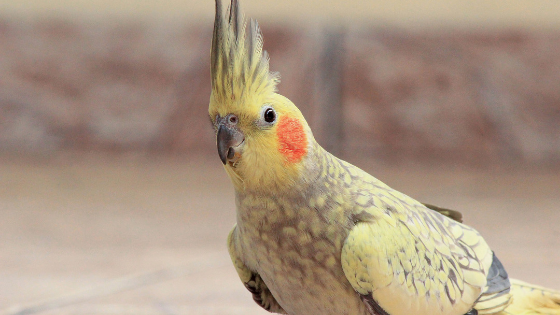
Documented accounts from Mumbai apartment gardeners describe successful parrot visits to balconies as small as 30 square feet, using a single potted guava, a sunflower seed feeder, and a terracotta water dish. The key variable in every successful case was consistency — food and water available at the same location and same time each day. Parrots are creatures of habit and respond well to predictable supply.
The following table compares common garden plants by their attractiveness to parrots, ease of cultivation, and the type of food resource they provide across different seasons.
| Plant | Food Resource | Parrot Appeal | Ease of Growing | Peak Season |
|---|---|---|---|---|
| Guava | Fruit | Very High | Easy | Year-round (tropical) |
| Papaya | Fruit | Very High | Easy | Year-round (tropical) |
| Mulberry | Fruit | High | Easy | Spring – Summer |
| Bottlebrush | Nectar | High | Moderate | Spring |
| Sunflower | Seeds | High | Easy | Summer – Autumn |
| Acacia | Seeds + Canopy Shelter | Moderate – High | Easy | Varies by species |
| Neem | Fruit + Shelter | Moderate | Easy | Spring – Summer |
| Bougainvillea | Nectar | Moderate | Easy | Year-round (warm climates) |
Several widely repeated beliefs about attracting parrots are either overstated or demonstrably inaccurate. Understanding what the evidence actually shows helps you avoid wasted effort.
Space is one of the least predictive variables in parrot visitation rates. What matters is whether the space contains reliable food and water. Documented balcony visits by rose-ringed parakeets directly contradict the idea that parrots only frequent large, open gardens. The limiting factor is almost always food availability, not square footage.
Parrots do feed on plants and can damage fruit crops when a large flock visits regularly. Casual garden visitors — typically pairs or small groups — cause minimal damage in practice. The practical solution is not to avoid attracting them, but to plant with partial foraging in mind: grow more than you need, and build the expectation of sharing into your garden plan from the start.
Seed feeders attract parrots initially but rarely sustain long-term visits on their own. Parrots are intelligent, curious foragers. A seed-only setup quickly becomes predictable and loses its draw. Combining feeders with live, fruiting plants — which offer seasonal variation and behavioral stimulation — produces measurably better results over months and years.
Guava is the most consistently effective plant for attracting parrots across tropical and subtropical regions. It fruits multiple times per year, tolerates a range of soil types, and draws rose-ringed parakeets and other parrot species reliably. In areas where guava doesn't grow well, papaya is a close substitute.
Yes. Documented cases from Mumbai and Delhi show parrots visiting balconies as small as 30 square feet. The key is including a potted fruiting plant, a seed feeder, and a shallow water dish. Consistency in restocking food and water is more important than the size of the space.
Change the water every one to two days. Stagnant water breeds mosquitoes and algae within 48 hours in warm climates, and parrots will avoid contaminated water sources. A clean, shallow bath refreshed regularly is far more effective than a larger, neglected one.
Sunflower seeds and safflower seeds are among the most preferred. Millet and cracked corn also attract parrots, particularly species in South Asia and Australia. Avoid mixes that are predominantly filler seeds like red milo — parrots tend to scatter these and may stop visiting feeders that offer mostly low-value seed.
Parrot visits typically begin within two to four weeks if the local population is established in your area. Parrots scout and communicate food sources within their flock. Once one or two individuals locate your garden, others follow. Consistency is key — changes in feeder location or food type can reset the discovery process.
Nest boxes can encourage roosting and potentially breeding, but they require species-specific dimensions and placement. A nest box sized incorrectly for your local parrot species will be ignored or occupied by other birds. Research the specific cavity dimensions and entry hole diameter for rose-ringed parakeets or whichever species is native to your region before installing one.
Parrots can nibble on young vegetable seedlings and soft herbs, particularly when other food sources are low. Protecting vulnerable seedlings with lightweight netting during the establishment phase mitigates this risk without deterring birds from the garden overall. Mature herb plants are rarely targeted when fruit and seed are available nearby.
Parrots are most active in the early morning, roughly from sunrise until mid-morning, and again in the late afternoon before sunset. These feeding windows correspond to cooler temperatures and lower predator activity. Stocking feeders and refreshing water before dawn maximizes the chance of a visit during peak activity hours.
 |
 |
 |
 |

About Christina Lopez
Christina Lopez grew up in the scenic city of Mountain View, California. For eighteen ascetic years, she refrained from eating meat until she discovered the exquisite delicacy of chicken thighs. Christina is a city finalist competitive pingpong player, an ocean diver, and an ex-pat in England and Japan. Currently, she is a computer science doctoral student. Christina writes late at night; most of her daytime is spent enchanting her magical herb garden.


Get new FREE Gifts. Or latest free growing e-books from our latest works.
Disable Ad block to reveal all the links. Once done, hit a button below
|
|
|
|
 rinjal