Want to know how to make fertilizer sticks at home without spending extra at the garden center? The answer is yes — and the ingredients are often already in the kitchen or shed. For anyone tending plants, herbs, and crops, homemade fertilizer sticks offer a slow-release nutrient option that feeds roots directly over several weeks, reducing how often feeding is required.
Fertilizers Sticks
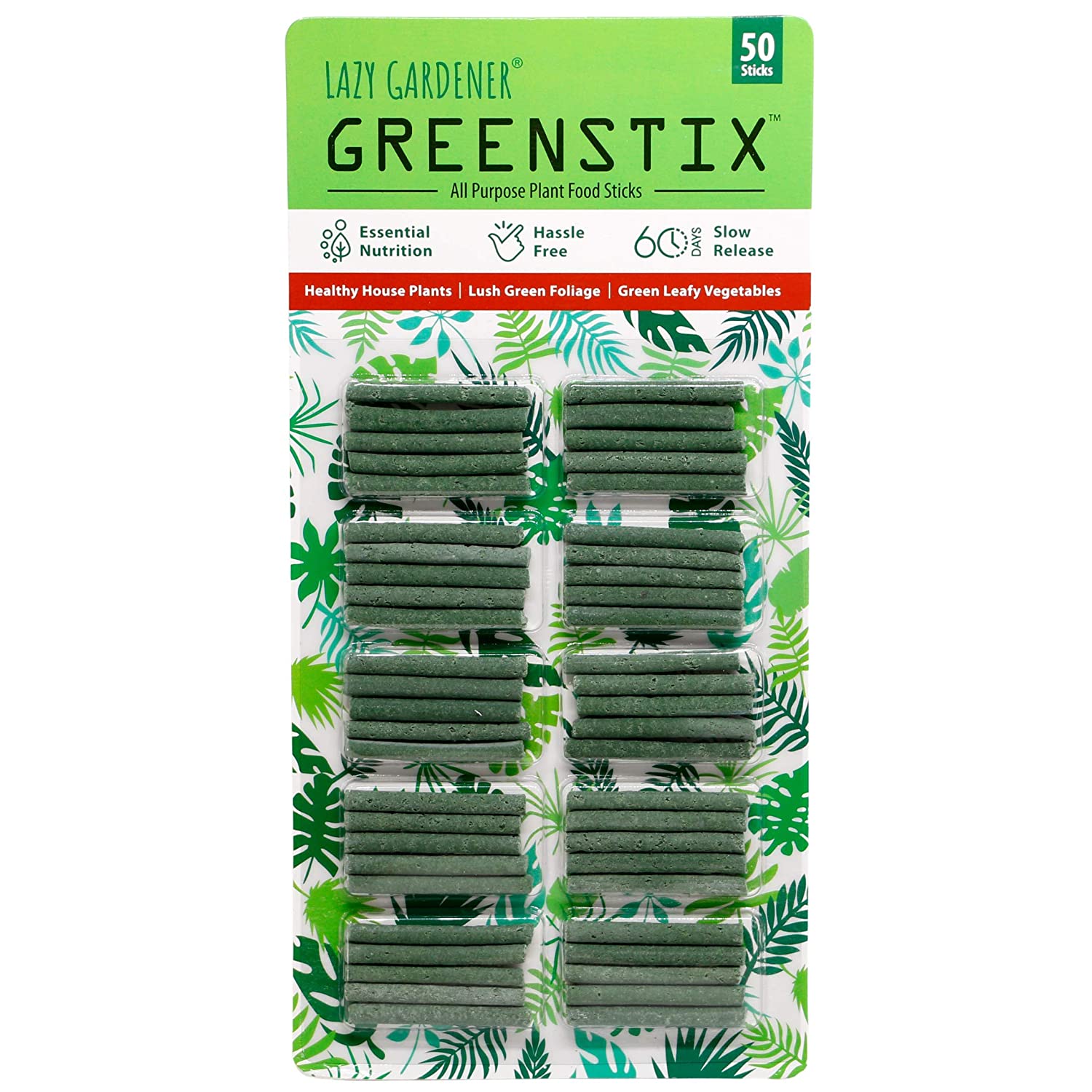
Fertilizer sticks are compressed nutrient plugs pushed into soil near plant roots. As water moves through the soil, each stick slowly breaks down and releases nitrogen, phosphorus, potassium, and trace minerals that support healthy plant growth. The feeding happens below the surface where roots absorb it most efficiently, and one stick typically lasts several weeks before needing replacement.
Making them at home adds another advantage — complete control over the ingredient list. Gardeners growing vegetables like those following a guide on growing leafy vegetables in pots at home can tailor the nutrient ratio to what their specific plants need, rather than settling for a generic commercial formula.
How to Make, Store, and Apply Fertilizer Sticks at Home
The core process for learning how to make fertilizer sticks comes down to mixing dry fertilizer materials with a binder, shaping them, and allowing them to dry fully before use. The following method works reliably across most home garden setups.
Ingredients and Tools Needed
Dry fertilizer blend — a balanced granular fertilizer such as 10-10-10, or a mix of bone meal, blood meal, and greensand for an organic option
Binder — cornstarch mixed with water creates a paste that holds each stick together without introducing unwanted chemicals to the soil
Water — added slowly until the mixture is moldable but not wet or sticky
Mold or shaping tool — a silicone ice tray, a short cardboard tube, or simply hands rolling cylinders works for most batches
Drying surface — a tray lined with parchment paper, placed in a warm and well-ventilated spot away from direct moisture
Step-by-Step Method
Measure out the dry fertilizer at roughly two parts fertilizer to one part cornstarch by volume, which produces a stable and consistent nutrient ratio throughout each stick.
Combine the dry ingredients thoroughly in a bowl before adding any liquid, as this step prevents uneven nutrient distribution inside the finished sticks.
Add water one tablespoon at a time while stirring constantly, stopping when the mixture clumps together and holds its shape when pressed between fingers.
Press the mixture firmly into the chosen mold, or roll it by hand into cylinders about three to four inches long with roughly the diameter of a pencil.
Set the sticks on the lined tray in a warm spot for 24 to 48 hours, waiting until each one feels firm and dry before moving them to storage.
Test firmness by pressing gently — a properly dried stick holds its shape without crumbling, which confirms the binder has fully set and the stick is ready to use.
Fertilizers Sticks
Storage and Application Tips
Store finished sticks in an airtight container away from moisture — a glass jar with a tight lid kept in a cool, dry cabinet preserves potency for up to six months.
Push sticks into the soil about two to three inches deep and two inches away from the main stem to avoid concentrating nutrients against tender root tissue.
For container plants, one to two sticks per pot is typically enough; for raised beds, spacing sticks every six to eight inches along the planting row distributes nutrients evenly.
Replace sticks every four to six weeks during active growth, since most homemade formulas break down faster than commercial versions due to the natural cornstarch binder.
The Best Times to Use Fertilizer Sticks — and When to Skip Them
Knowing when to apply fertilizer sticks is just as important as mastering how to make fertilizer sticks correctly. Timing directly affects how much benefit plants receive from the slow-release feeding cycle.
Signs Plants Are Ready for a Nutrient Boost
Pale or yellowing leaves, especially on older growth near the base of the plant, often signals a nitrogen shortfall
Slow or stunted growth during what should be the most active part of the growing season
Smaller-than-usual fruit or flower production in plants that normally yield abundantly
Soil that has not been amended in six or more weeks during the peak growing period
Container plants are especially prone to nutrient depletion because regular watering flushes minerals out of the pot over time. Gardeners growing cherry tomatoes in containers or tending indoor herb collections often find that fertilizer sticks simplify the feeding schedule considerably.
Situations Where Fertilizer Sticks Are Not the Best Fit
Dormant plants in winter — roots are not actively absorbing nutrients, so sticks dissolve with minimal uptake and the nutrients are largely wasted
Newly transplanted seedlings with tender root systems that can suffer burn from concentrated nutrients placed too nearby
Plants already showing fertilizer burn symptoms, which typically appear as brown or crispy leaf edges from excess mineral salts
Very sandy or fast-draining soil where nutrients flush past the root zone before plants can absorb them
Succulents and cacti that thrive in low-nutrient conditions and rarely need supplemental feeding of any kind
Debunking the Biggest Myths About Homemade Fertilizer Sticks
Several misconceptions about fertilizer sticks circulate widely, and some of them lead gardeners to misuse an otherwise practical tool. Addressing them directly produces a clearer picture of what these sticks can realistically deliver.
Myth: More Sticks Means Faster Growth
This is one of the most persistent errors among new gardeners. Pushing extra sticks into the soil does not speed up growth — it raises the risk of nutrient toxicity (excess minerals beyond what roots can safely process), which causes leaf burn and root damage. Plants absorb nutrients at a pace determined by their biology, not by the quantity of fertilizer placed nearby.
Other Misconceptions Worth Clearing Up
Myth: Homemade sticks are always inferior to commercial ones. Reality: homemade versions using quality ingredients can match or exceed many store-bought brands in nutrient content, with the bonus of knowing exactly what went into them.
Myth: Fertilizer sticks work equally well in any soil. Reality: extremely compacted or water-repelling soil limits how well sticks break down, so basic soil preparation still matters before sticks are inserted.
Myth: Sticks provide an instant nutrient fix. Reality: slow-release formulas take several days to begin releasing nutrients, making them unsuitable for correcting a severe deficiency quickly — liquid fertilizer is faster in urgent situations.
Myth: One formula suits all plants. Reality: nitrogen-heavy blends suit leafy plants best, while phosphorus-forward mixes better support flowering and fruiting. According to Wikipedia's overview of fertilizer chemistry, the N-P-K ratio (nitrogen, phosphorus, potassium) is the most critical variable in matching fertilizer to specific plant needs.
Common Mistakes That Undermine Homemade Fertilizer Sticks
Ingredient Errors
Adding too much water during mixing, which produces sticks that crack apart during drying or crumble when pushed into the soil
Skipping the binder entirely, leaving loose dry material that disperses immediately in wet soil rather than releasing nutrients slowly
Choosing fertilizers with high salt content, which can concentrate near roots and cause burn even at standard placement distances
Mixing incompatible ingredients — combining lime and ammonium-based nitrogen sources, for example, causes nitrogen to off-gas and reduces the nutritional value of the finished sticks
Application Errors
Placing sticks directly against the stem or trunk where concentrated nutrients can damage the most sensitive tissue at the plant's base
Inserting sticks into completely dry soil — watering the area first ensures the stick begins breaking down at the intended pace
Forgetting to replace sticks on schedule, which leaves plants underfed during the period when consistent nutrition matters most
Applying the same quantity during heavy rainy periods as during dry stretches, since rainfall accelerates dissolution and can oversupply nutrients unexpectedly
Gardeners building container setups or raised beds benefit from pairing consistent fertilizing habits with a solid growing foundation — a guide on how to fill an outdoor planter covers the substrate decisions that help fertilizer sticks perform as intended.
Making Fertilizer Sticks Part of a Long-Term Garden Plan
Seasonal Timing
A reliable annual rhythm for fertilizer sticks looks something like the following schedule, which keeps feeding aligned with how plants actually grow through the year:
Early spring: Insert sticks as soon as new growth appears, providing nutrients for the first surge of the growing season
Mid-spring through midsummer: Replace every four to six weeks for continuous feeding during peak productivity months
Late summer: Shift to a lower-nitrogen formula that slows leafy growth and redirects the plant's energy toward fruiting or flowering
Fall: Taper off feeding as temperatures drop and growth slows, which allows plants to harden off naturally before winter
Winter: Skip sticks for most outdoor plants, reserving them only for winter-active indoor varieties that continue growing through the cold months
Pairing With Other Soil Practices
Fertilizer sticks work best as one layer within a broader soil management approach rather than as the sole input. Combining sticks with compost top-dressing, organic mulch, and occasional liquid feeding during the growing season creates a more balanced and resilient nutrient system overall. Gardeners growing herbs indoors — such as those following a guide on growing basil indoors — often find that pairing fertilizer sticks with periodic liquid feeding keeps plants consistently productive all year. Similarly, those cultivating specialty crops like turmeric root at home benefit from the steady, slow-release nutrition that well-made sticks provide across an extended growing season.
Fertilizer Sticks vs. Other Feeding Methods
Understanding how fertilizer sticks compare to other popular options helps gardeners decide when sticks are the right choice and when a different approach makes more practical sense.
Method
Release Speed
Application Frequency
Best For
Main Drawback
Fertilizer Sticks
Slow (weeks)
Every 4–6 weeks
Containers, raised beds
Not suited for urgent deficiency fixes
Liquid Fertilizer
Fast (days)
Every 1–2 weeks
Quick deficiency correction
Requires frequent reapplication
Granular Fertilizer
Medium (days–weeks)
Every 4–8 weeks
Large open garden beds
Can wash away in heavy rain
Compost
Very slow (months)
Seasonally
Long-term soil building
Low immediate nutrient impact
Slow-Release Granules
Slow (months)
Once per season
Low-maintenance gardens
Less precision in placement
The Real Pros and Cons of DIY Fertilizer Sticks
The Upside
Significant cost savings — homemade sticks cost a fraction of commercial brands when bulk dry fertilizers are used as the base ingredient
Complete ingredient transparency, which matters greatly for organic gardeners or those avoiding synthetic chemicals in edible gardens
Customizable nutrient ratios that match specific plant needs rather than relying on a one-size-fits-all commercial formula
Reduced plastic packaging waste compared to buying individually wrapped commercial sticks throughout the growing season
The slow-release mechanism keeps nutrients available longer than most liquid options, reducing the overall frequency of garden feeding tasks
The Downside
Making a batch requires dedicated time — mixing, shaping, and waiting for drying adds up to a couple of hours plus an overnight drying period
Homemade sticks may not be as precisely calibrated as commercial products, particularly for gardeners without access to nutrient content testing tools
Cornstarch binders can attract soil insects in warm, humid climates where organic matter draws pests more readily
Shelf life is shorter than commercial versions — homemade sticks are best used within six months to preserve their nutritional potency
Outdoor use during unpredictable rainfall makes it harder to anticipate how quickly sticks dissolve and when replacement is needed
Frequently Asked Questions
How long do homemade fertilizer sticks last in the soil before needing replacement?
Most homemade fertilizer sticks break down and release their nutrients over a period of four to six weeks, though soil moisture levels and watering frequency affect that timeline considerably, with wetter conditions speeding up dissolution and drier soil slowing the process down.
Can fertilizer sticks made at home be used safely on all types of plants?
Fertilizer sticks work well for most flowering plants, vegetables, herbs, and container specimens, but they are generally not recommended for succulents, cacti, or dormant plants, since those plant types either require very little nutrition or cannot absorb nutrients efficiently during their rest period.
Is it safe to use homemade fertilizer sticks in edible gardens?
Yes, provided the ingredients used are appropriate for food crops — organic inputs such as bone meal, blood meal, and kelp meal are widely used in edible gardens and pose no safety concerns when applied at standard distances from plant stems and at normal replacement intervals.
Key Takeaways
Learning how to make fertilizer sticks at home requires only a dry fertilizer blend, cornstarch as a binder, and a straightforward drying process that most gardeners can complete in an afternoon.
Timing matters as much as technique — sticks deliver the most value during active growing seasons and should be skipped during plant dormancy or for low-nutrient-demand species like succulents.
Homemade sticks offer real advantages in cost and ingredient control over commercial options, but ingredient ratios and placement distances must be followed carefully to avoid root burn.
Slow-release fertilizer sticks perform best as part of a broader soil care routine that also includes compost, mulch, and periodic liquid feeding for a well-rounded nutrient approach.
Truman Perkins is a Detroit-based SEO consultant who's been in the business for over a decade. He got his start helping friends and clients get their websites off the ground, and he continues to do so today. In his free time, Truman enjoys learning and writing about gardening - something he believes is a natural stress reliever. He lives with his wife, Jenny, and their twins in Detroit.


 rinjal