Plants & Farming

10 Flowers That Bloom at Night And Have Sweet Fragrance

reviewed by Truman Perkins

Have you ever stepped outside after dark and caught a wave of sweet perfume drifting through the air — with no idea where it came from? Chances are, you were standing near flowers that bloom at night. These remarkable plants wait for the sun to set before unfurling their petals and releasing some of the most intoxicating scents in the garden. Whether you grow herbs, ornamentals, or a mix of everything, adding night-blooming flowers transforms your outdoor space into something truly magical once the lights go down.

10 Flowers That Bloom at Night And Have Sweet Fragrance

Night-blooming flowers evolved to attract nocturnal pollinators — moths, bats, and certain beetles. That's why their fragrance tends to be stronger and sweeter than daytime varieties. The scent acts like a beacon in the dark. And for you, the gardener, it means your evening patio sessions come with a built-in aromatherapy upgrade.

Below, you'll find a complete guide to growing these beauties. We'll cover which flowers deserve a spot in your garden, how to plant them step by step, common problems and fixes, the best and worst reasons to grow them, myths that need busting, and a side-by-side comparison so you can pick the right ones for your space.

Top 10 Night-Blooming Flowers Worth Growing

Not all night bloomers are created equal. Some produce jaw-dropping fragrance but need babysitting. Others practically grow themselves. Here's a rundown of the ten best flowers that bloom at night, each with a sweet scent that makes summer evenings unforgettable.

Jasmine & Gardenia

Night-blooming jasmine (Cestrum nocturnum) is the undisputed champion of evening fragrance. A single plant can perfume an entire yard. It blooms in clusters of small, tubular greenish-white flowers that open after sunset.
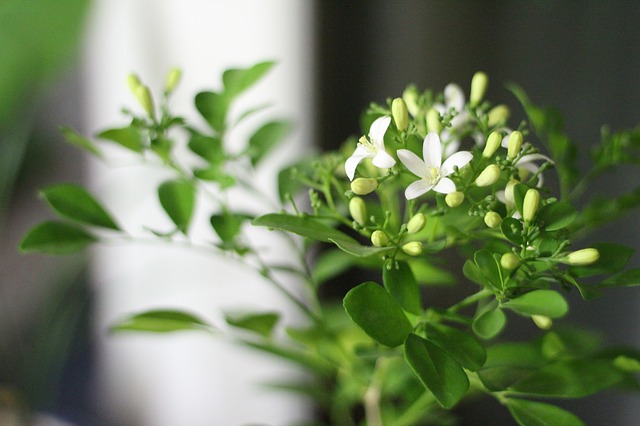
  • Grows as a shrub or trained vine, up to 10–12 feet tall
  • Thrives in USDA zones 9–11 (grow in pots elsewhere and bring indoors for winter)
  • Prefers full sun to partial shade and well-draining soil
  • Blooms repeatedly from spring through fall
Jasmine
Jasmine

Gardenia (Gardenia augusta) opens its waxy, creamy-white blooms in the evening and fills the air with a rich, velvety scent. It's pickier about soil pH (likes acidic, around 5.0–6.5) but rewards you generously when conditions are right. If you enjoy growing fragrant plants, you'll also appreciate learning about colorful flowers that grow in shade — many pair beautifully with gardenias in partly shaded beds.
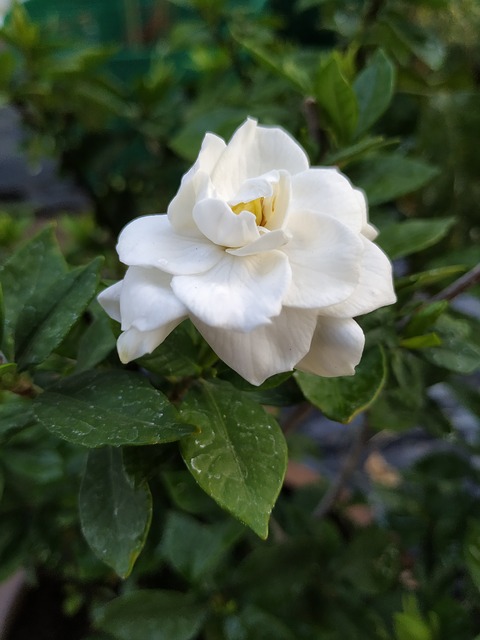
Gardenia Augusta:
Gardenia Augusta:

Moonflower & Evening Primrose

Moonflower (Ipomoea alba) is the night-blooming cousin of the morning glory. Its large, pure-white trumpet flowers unfurl at dusk and glow under moonlight. The fragrance is sweet and light, similar to vanilla.
Moonflower:
Moonflower:
  • Annual vine — fast grower, reaches 10–15 feet in a single season
  • Nick or soak seeds overnight before planting for better germination
  • Give it a trellis, fence, or arbor to climb

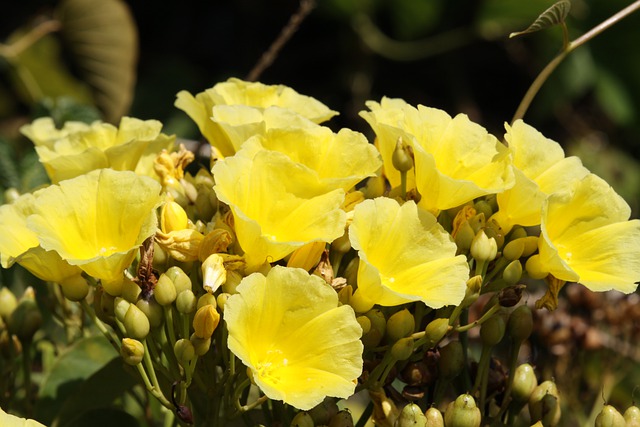
Evening primrose (Oenothera biennis) pops open its bright yellow blooms at dusk so quickly you can actually watch it happen. The scent is mild and lemony. It's a biennial that self-seeds readily, so you plant it once and it comes back on its own. This plant is closely related to other fast-growing species — if you love rapid results, check out the fastest growing trees for your yard too.
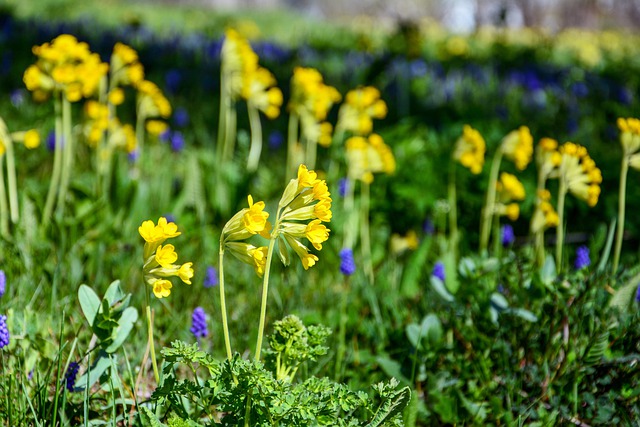
Evening Primrose:
Evening Primrose:

Tuberose, Night Phlox & More

Here are the remaining stars of the night garden:
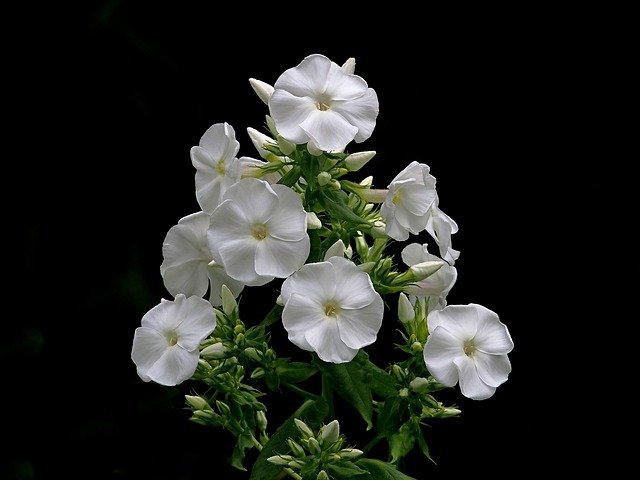
  • Tuberose (Polianthes tuberosa) — Tall spikes of waxy white flowers with an intense, heady perfume. Plant bulbs in spring. Needs warm soil (above 60°F) to sprout.
  • Night phlox (Zaluzianskya capensis) — Tiny pinwheel-shaped flowers with a honey-almond-vanilla scent. Compact growth makes it perfect for borders and containers.
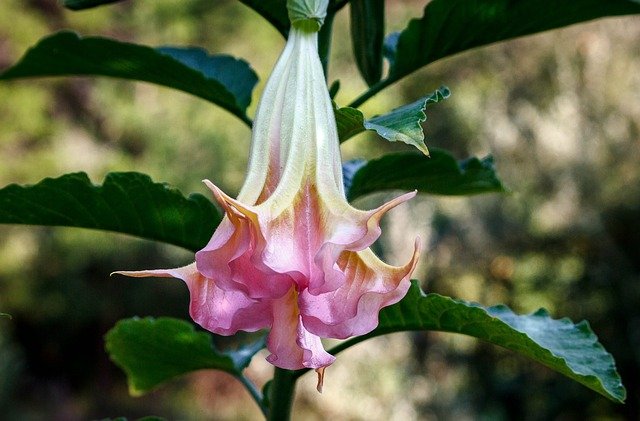
  • Brugmansia (Angel's Trumpet) — Dramatic, pendulous trumpet flowers up to 12 inches long. Powerful sweet fragrance. Every part of this plant is toxic — keep it away from children and pets.
  • Four o'clocks (Mirabilis jalapa) — Open in late afternoon and stay fragrant through the night. Come in pink, yellow, red, and white. Self-seed aggressively.
  • Night gladiolus (Gladiolus tristis) — Creamy yellow flowers with a strong spicy-sweet scent. Hardy in zones 7–10.
  • Chocolate flower (Berlandiera lyrata) — Smells exactly like dark chocolate, especially in the evening. Drought-tolerant and native to the American Southwest.
Night Phlox:
Night Phlox:
Brugmansia:
Brugmansia:
Chocolate flower:
Chocolate flower:

Pro tip: Plant night-blooming jasmine near a bedroom window or patio seating area. The fragrance carries on warm, still air — you'll notice it most on calm summer nights.

How to Grow Flowers That Bloom at Night (Step by Step)

Growing night bloomers isn't complicated. Most of these plants follow the same basic rules. Here's exactly how to get them established and thriving.

Soil & Location Setup

  1. Pick a spot that gets 4–6 hours of daytime sun. Most night bloomers need sun during the day to build the energy they burn at night. Full sun is fine for most varieties.
  2. Test your soil drainage. Dig a hole 12 inches deep, fill it with water, and time how long it takes to drain. If it takes more than an hour, you need to amend with compost or perlite. If you're unsure about your soil, this guide to different types of soil breaks down exactly what you're working with.
  3. Amend the soil. Mix in 2–3 inches of compost. For gardenias, add sulfur or peat moss to lower pH to the 5.0–6.5 range.
  4. Plan for vertical space. Moonflowers and jasmine are climbers. Install trellises, obelisks, or position them near fences before planting.

Planting & Ongoing Care

  1. Start seeds indoors 6–8 weeks before the last frost (moonflower, evening primrose, night phlox) OR plant nursery starts directly outdoors after frost danger passes.
  2. Space plants according to mature size. Jasmine and brugmansia need 4–6 feet between plants. Night phlox and four o'clocks do fine at 12–18 inches apart.
  3. Water deeply once or twice a week rather than a little every day. Deep watering encourages roots to grow downward, making plants more drought-tolerant.
  4. Feed monthly during the growing season with a balanced fertilizer (10-10-10). Switch to a bloom-boosting formula (higher phosphorus, like 5-10-5) once buds appear.
  5. Mulch 2–3 inches deep around the base to retain moisture and keep roots cool.
  6. Deadhead spent blooms regularly to encourage continuous flowering.

Understanding how light cycles affect your plants matters too. Night-blooming flowers are especially sensitive to artificial light pollution — even a porch light can delay blooming. For more on how light impacts plant health, read about whether plants need a day-night cycle.

When to Plant (and When to Skip It)

Timing your planting correctly is the difference between a garden that performs and one that disappoints. Here's a clear breakdown.

Ideal Planting Windows

  • Spring (after last frost): Best time for most night bloomers. Soil temperature should be at least 60°F for tuberose bulbs and moonflower seeds.
  • Early summer: You can still plant nursery-grown jasmine, gardenia, and brugmansia. They'll establish roots through summer and bloom the same year.
  • Fall (mild climates only): In zones 9–11, fall planting gives roots time to establish before the next bloom season.

When You Should Wait

  • During a heatwave. Transplanting when temperatures exceed 95°F stresses roots and can kill young plants outright.
  • When soil is waterlogged. After heavy rains, wait until the soil dries enough to crumble in your hand. Planting in soggy soil invites root rot.
  • Late fall in cold climates. Tropical night bloomers like jasmine and brugmansia won't survive their first frost if planted too late.
  • If you haven't solved a pest problem. Planting new flowers in a bed with an active aphid or whitefly infestation just gives pests fresh targets.

Troubleshooting Night-Blooming Flowers

Even experienced gardeners run into issues with night bloomers. Here are the most common problems and how to fix them fast.

No Blooms or Weak Fragrance

This is the number-one complaint. You planted everything correctly, but nothing is opening at night — or the flowers open but barely smell. Here's what's going wrong:

  • Too much nitrogen fertilizer. High-nitrogen feeds produce lush green growth at the expense of flowers. Switch to a high-phosphorus formula.
  • Not enough sun during the day. Night bloomers need daytime energy. If your plant gets less than 4 hours of direct sun, move it to a brighter spot or grow in a container you can reposition.
  • Artificial light at night. Street lamps, security lights, and even bright porch lights can trick plants into thinking it's still daytime, delaying or preventing blooms.
  • Young plants. Brugmansia and gardenia often won't bloom until their second or third year. Be patient.
  • Temperature too cool. Tuberose and night-blooming jasmine need warm nights (above 60°F) to produce strong fragrance.

Pests & Diseases

  • Aphids cluster on new growth and buds. Blast them off with a strong water spray or treat with neem oil.
  • Whiteflies are drawn to gardenias and jasmine. Yellow sticky traps catch adults. Neem oil handles larvae.
  • Powdery mildew shows up when air circulation is poor. Space plants properly and avoid overhead watering in the evening.
  • Root rot hits overwatered plants, especially tuberose bulbs. If leaves yellow and stems feel mushy at the base, pull the plant, trim damaged roots, and replant in fresh, well-draining soil.
  • Hornworms target moonflower (same family as tomatoes). Hand-pick them at dusk when they're most active.

For a deeper look at managing toxic species safely in your garden, our guide on dangerous plants for gardening covers precautions for brugmansia and similar species.

Warning: Brugmansia (Angel's Trumpet) is stunning but highly toxic. All parts — leaves, flowers, seeds — contain tropane alkaloids. Always wear gloves when pruning, and never plant it where children or pets play unsupervised.

Night-Blooming Flower Myths That Fool Gardeners

There's a lot of bad information floating around about night-blooming plants. Let's clear up the biggest myths.

The "Dangerous at Night" Myth

Myth: Night-blooming flowers release carbon dioxide at night, making them dangerous to keep near bedrooms.

This is one of the most persistent gardening myths, especially in South and Southeast Asia. Here's the truth: all plants release small amounts of CO₂ at night through respiration. The amount is so tiny it has zero measurable effect on air quality in a bedroom, even with a plant on the nightstand.

According to Wikipedia's article on CAM photosynthesis, some plants (like succulents) actually absorb CO₂ at night. But even standard plants produce negligible nighttime CO₂. You'd need hundreds of large plants in a sealed room to notice any difference.

The fragrance of night-blooming jasmine can trigger headaches in sensitive individuals if the plant is directly outside an open window. That's a fragrance sensitivity issue, not a CO₂ problem. The fix is simple — plant it a few feet further from the window.

The "High Maintenance" Myth

Myth: Night-blooming flowers require special, complicated care that beginners can't handle.

Some night bloomers are fussy (looking at you, gardenia). But most are remarkably easy:

  • Evening primrose self-seeds and practically grows wild. It's native to North America and thrives on neglect.
  • Four o'clocks come back every year from tubers and spread without help.
  • Moonflower is an annual vine — plant seeds, provide a support, water occasionally, done.
  • Chocolate flower is a drought-tolerant perennial native to arid regions.
  • Night phlox grows happily in containers on a balcony with minimal fuss.

The "high maintenance" label comes from gardenia and jasmine, which do need attention to soil pH, watering, and pruning. But those two are the exception, not the rule. Start with the easy ones and work your way up.

Quick Comparison: Choosing the Right Night Bloomer

With ten options to choose from, it helps to see them side by side. This comparison covers the key decision factors so you can match plants to your specific conditions.

Side-by-Side Table

Flower Type Fragrance Strength Difficulty USDA Zones Height
Night-blooming Jasmine Shrub Very strong Moderate 9–11 8–12 ft
Gardenia Shrub Strong Hard 8–11 3–8 ft
Moonflower Annual vine Moderate Easy All (annual) 10–15 ft
Evening Primrose Biennial Mild Very easy 4–9 2–5 ft
Tuberose Bulb Very strong Moderate 7–10 2–3 ft
Night Phlox Annual Strong Easy All (annual) 6–12 in
Brugmansia Shrub/tree Very strong Moderate 9–12 6–20 ft
Four O'Clocks Perennial Moderate Very easy 7–11 2–4 ft
Night Gladiolus Bulb Strong Easy 7–10 2–3 ft
Chocolate Flower Perennial Moderate Easy 4–10 1–2 ft

Pros and Cons of a Night Garden

Before you commit, weigh the real advantages and drawbacks of dedicating garden space to flowers that bloom at night.

Pros:

  • Unique sensory experience. Nothing else in gardening compares to fragrant blooms under the stars.
  • Supports nocturnal pollinators. Moths, bats, and other night pollinators are declining. Your garden gives them food sources they desperately need.
  • Extends your garden's "usable hours." If you work during the day, a night garden means you actually get to enjoy your flowers.
  • Low competition for space. Most night bloomers are fine sharing beds with daytime plants. You get two gardens in one.
  • Great for warm climates. In hot regions where daytime gardening is miserable, evening gardens let you enjoy the cooler hours.

Cons:

  • Limited visual impact during the day. Many night bloomers have closed or wilted flowers by morning. Your garden might look underwhelming in daylight.
  • Fragrance can be overpowering. Night-blooming jasmine and tuberose planted too close to windows can cause headaches in sensitive people.
  • Some species are invasive. Four o'clocks, evening primrose, and moonflower self-seed aggressively. You'll spend time pulling unwanted seedlings.
  • Pest monitoring is harder. Checking for pests at night requires a headlamp, and you'll miss problems that are only visible in daylight.
  • Toxic species require caution. Brugmansia and some jasmine varieties are toxic if ingested. Not ideal for households with curious toddlers or pets.

Frequently Asked Questions

Which night-blooming flower has the strongest fragrance?

Night-blooming jasmine (Cestrum nocturnum) wins by a wide margin. A single plant can scent your entire yard. Tuberose comes in second — its fragrance is richer and more complex but doesn't carry as far.

Can you grow night-blooming flowers indoors?

Yes, but with limitations. Night phlox, gardenia, and jasmine all grow well in containers near bright windows. The challenge is providing enough light — at least 4–6 hours of direct sunlight or equivalent grow lights. Also ensure good ventilation so the heavy fragrance doesn't become overwhelming in a closed room. If you're exploring indoor gardening options, our list of top decorative indoor plants includes several that pair well with potted night bloomers.

Are flowers that bloom at night safe around pets?

Most are safe. Evening primrose, moonflower vine (the seeds are toxic, not the flowers), night phlox, and chocolate flower pose minimal risk. However, brugmansia is highly toxic to dogs and cats. Night-blooming jasmine berries are also toxic if eaten. When in doubt, keep toxic species in hanging baskets or fenced-off areas.

How do I make my night garden more visible after dark?

Use low-voltage LED path lights with warm white bulbs (2700K or lower). Avoid bright white or blue-toned lights — they can inhibit blooming. White and pale-colored flowers naturally reflect moonlight, so cluster them together for maximum glow effect. White gravel paths also help light bounce through the space.

Do night-blooming flowers attract mosquitoes?

The flowers themselves don't attract mosquitoes. Mosquitoes are drawn to CO₂, body heat, and standing water — not floral scent. However, if your night garden includes water features, make sure water circulates or treat it with mosquito dunks. The evening primrose actually attracts moths that some bat species feed on, and bats eat enormous quantities of mosquitoes.

Next Steps

  1. Pick 2–3 beginner-friendly night bloomers to start with. Moonflower, evening primrose, and four o'clocks are the easiest. Order seeds or nursery starts now so you're ready for your next planting window.
  2. Audit your garden's light pollution. Walk your yard after dark and note any artificial lights hitting your planned planting areas. Relocate or shield lights that could interfere with blooming.
  3. Prepare one dedicated "night garden" bed. Choose a spot near your patio or seating area, amend the soil with compost, and install any trellises or supports before planting day.
  4. Set up an evening watering schedule. Night bloomers benefit from watering in the early evening — it gives roots time to absorb moisture before the flowers open. Automate with a simple timer if you're forgetful.
  5. Plan companion plantings for daytime interest. Fill gaps between night bloomers with daytime flowers or foliage plants so your bed looks good around the clock. Silver-leaved plants like dusty miller and lamb's ear glow beautifully at night too.
Truman Perkins

About Truman Perkins

Truman Perkins is a Detroit-based SEO consultant who's been in the business for over a decade. He got his start helping friends and clients get their websites off the ground, and he continues to do so today. In his free time, Truman enjoys learning and writing about gardening - something he believes is a natural stress reliever. He lives with his wife, Jenny, and their twins in Detroit.


Follow Christina:

Get new FREE Gifts. Or latest free growing e-books from our latest works.

Disable Ad block to reveal all the links. Once done, hit a button below