Have you ever wondered why your indoor plants look dull and tired no matter how often you water them? The answer is almost always nutrition — and fertilizer spikes for indoor plants might be the simplest fix you've been overlooking. These compact, pre-measured nutrient sticks press directly into potting soil and release plant food slowly over weeks, with zero measuring cups or liquid spills required. If you're growing anything from snake plants to pothos in your home, this guide shows you exactly how to use them for real, visible results. For more plant care ideas beyond this post, explore the full plants, herbs, and farming category.
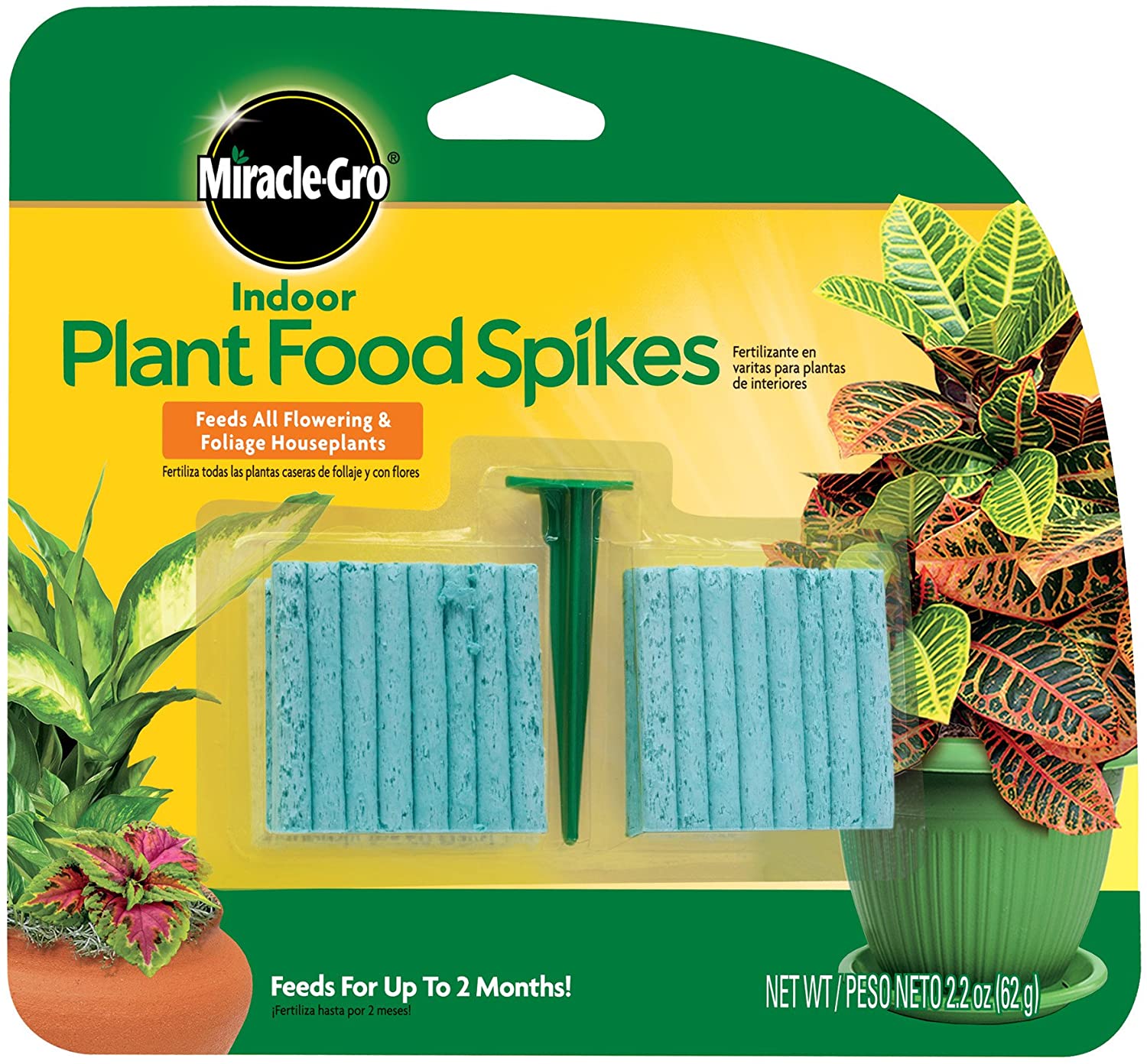
Fertilizer spikes have been around for decades, but plenty of indoor gardeners still overlook them in favor of liquid feeds or granule mixes. That's a missed opportunity. Done right, spikes deliver steady, low-effort nutrition that keeps plants thriving between waterings. The key is knowing where to place them, how often to swap them out, and which plants respond best — and that's exactly what you'll find here.
Whether you're a first-time plant parent or someone who's been nurturing houseplants for years, there's a good chance you're either over-fertilizing, under-fertilizing, or applying nutrients at the wrong time. This post walks you through everything from the basics to a full season-by-season feeding plan, so you can stop guessing and start seeing growth.
Contents
The concept is beautifully simple. A fertilizer spike is a compressed tablet of nutrients — typically nitrogen, phosphorus, and potassium (NPK, the three core plant macronutrients) along with trace minerals — that you push into moist potting soil near the plant's root zone. As you water, moisture slowly dissolves the spike and carries nutrients directly to where the roots can absorb them. No runoff, no waste, no weekly mixing sessions.
Not all spikes are created equal. The NPK ratio on the package tells you what the spike is heavy on. A 12-4-8 formula is nitrogen-forward — ideal for leafy foliage plants. A balanced 6-6-6 works as a solid general-purpose option for most houseplants. Look for formulas that also list secondary nutrients like calcium and magnesium, which support strong cell walls and vibrant leaf color.
Pro tip: Always match the spike formula to your specific plant type. Using a high-nitrogen spike on a cactus can burn roots and actually stunt growth rather than support it.
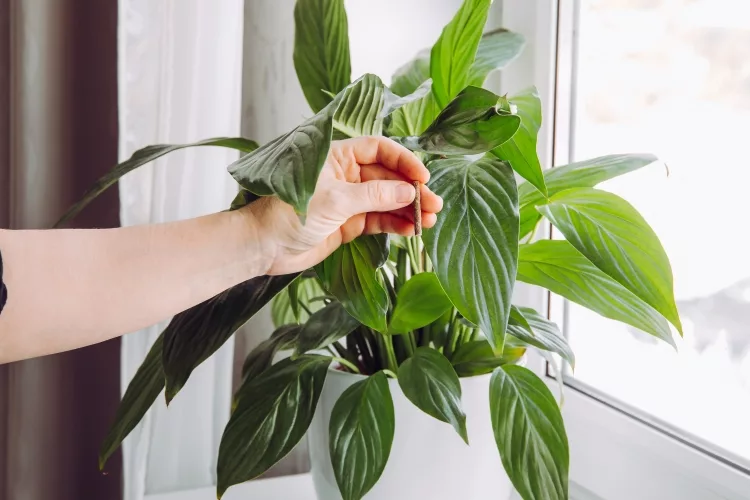
Where you push the spike matters just as much as which formula you choose. Place spikes halfway between the plant's stem and the rim of the pot — that's where the feeder roots (the thin, hair-like roots that actually absorb water and nutrients) are most active. For a standard 6-inch pot, one spike is usually enough. For a 10-inch pot or larger, use two spikes on opposite sides to distribute nutrients evenly.
Push each spike in at a slight angle until the top sits just below the soil surface. This prevents nutrients from evaporating and keeps pets or curious fingers from pulling them out. After inserting, water the pot thoroughly to kick off the slow-release process.
Timing is everything with slow-release fertilizers. Insert spikes at the start of the active growing season — typically spring through early fall — when your plants are pushing out new leaves and need the most fuel. During winter, most houseplants slow down and don't need supplemental feeding at all. Continuing to fertilize during dormancy can push weak, pale growth and stress the plant unnecessarily.
Most manufacturers recommend replacing spikes every 30 to 60 days. Mark the insertion date on a small plant label or set a reminder on your phone. You'll be surprised how easy it is to forget when you last fed your plants, especially during a busy week.
Warning: Never push spikes into dry soil. Always water first. Concentrated nutrients hitting dry roots can cause fertilizer burn, which shows up as brown, crispy leaf tips.
Fertilizer spikes work best as part of a broader care routine, not as a standalone solution. A few habits that amplify their effect:
This is one of the most debated questions in the indoor gardening world. The honest answer: both have their place. Understanding the trade-offs helps you pick the right tool for each situation rather than defaulting to one approach for everything.
| Feature | Fertilizer Spikes | Liquid Fertilizer |
|---|---|---|
| Ease of use | Very easy — push and forget | Requires measuring and mixing each time |
| Feeding duration | 30–60 days per application | 1–2 weeks per application |
| Nutrient distribution | Localized near the spike | Even throughout the entire pot |
| Risk of overfeeding | Low (pre-measured dose) | Higher if not diluted correctly |
| Cost per feeding | Low to moderate | Low when buying concentrates |
| Best for | Busy schedules, steady maintenance feeding | Quick corrections, fast-growing plants |
| Mess factor | None | Can splash or spill during mixing |
Spikes win when convenience matters most. If you travel frequently, work long hours, or simply want to stop keeping a feeding schedule in your head, spikes remove the guesswork. They're also safer for beginners because the pre-measured format makes accidental over-fertilization almost impossible. One correctly placed spike feeds your plant for weeks with no further effort.
According to Wikipedia's overview of fertilizer science, slow-release formulations reduce nutrient leaching and deliver more consistent plant nutrition compared to single-dose applications. That's exactly what a well-placed spike delivers to your indoor plants.
Liquid fertilizers shine when you need to course-correct quickly. If a plant shows signs of deficiency — yellowing leaves, stunted growth, washed-out color — liquid feeding can deliver nutrients within days rather than weeks. They're also a better option for very small pots where there's simply not enough soil volume to effectively dissolve a solid spike over time.
If you'd rather make your own slow-release feeding option at home, check out our detailed post on how to make fertilizer sticks — it's a surprisingly effective DIY alternative that uses ingredients you might already have.
Foliage plants are the biggest winners when you use fertilizer spikes for indoor plants correctly. Pothos, philodendrons, monsteras, snake plants, and ZZ plants all respond well to a steady nitrogen supply. These plants push out new leaves throughout the growing season, so consistent feeding keeps that momentum going strong. A nitrogen-forward spike every 45 days is usually all they need to maintain lush, healthy growth.
If you're growing herbs indoors alongside your foliage plants, the same spike approach applies well there too. Our guide on how to start an indoor herb garden covers the full setup — including feeding strategies that pair naturally with slow-release spikes.
Flowering houseplants like peace lilies, anthuriums, and African violets benefit most from phosphorus-rich spikes that support bloom production. Insert spikes about four weeks before you expect flowers to appear. The slow release means nutrients hit peak availability right when the plant needs them most. Signs that it's working:
Here's where you need to pump the brakes. Succulents and cacti come from nutrient-poor desert environments and are built to survive on very little. Over-fertilizing succulents is one of the fastest ways to damage or kill them. If you choose to use spikes on these plants, use half a spike per pot and only during the active growing season — spring through summer. Skip winter feeding entirely, no exceptions.
Tip: For succulents and cacti, snap the spike in half before inserting it. One half-spike per pot per growing season is genuinely all most of these plants need.
The biggest mistake indoor gardeners make with fertilizer spikes is treating them as a set-it-and-forget-it solution for all 12 months of the year. Plants have growth cycles, and your feeding schedule needs to follow them. Fighting those natural rhythms leads to weak plants and wasted product.
This is when your plants are genuinely hungry. Most tropical houseplants actively push new leaves from late spring through early fall when light levels are high. During this window, insert fresh spikes every 30 to 60 days depending on growth rate and pot size. Fast growers like pothos and spider plants do best at the shorter interval. Slower plants like ZZ plants or cast iron plants are fine at 60-day intervals.
Most houseplants dramatically slow their growth when natural light drops in late fall and winter. During this period, stop fertilizing entirely. The root system is less active, nutrient uptake slows, and any fertilizer you apply is more likely to accumulate as harmful salt crystals in the soil than be absorbed and used by the plant. Remove any unexpired spikes from the previous season at the start of winter.
Use the dormant months to focus on light positioning, humidity trays, and appropriate watering. The moment you notice new growth pushing out in early spring, that's your cue to start feeding again. That first spike of the season often produces the most dramatic visible response.
Even a straightforward product like fertilizer spikes can go wrong in predictable ways. Here are the most common errors — and exactly how to avoid them:
When you get fertilizer spikes right, the results are hard to miss. Within two to four weeks of the first application, most plants show new growth — brighter leaves, stronger stems, and a more vigorous overall shape. Flowering plants push out buds more reliably. Even notoriously slow growers like snake plants tend to produce a new leaf or two during the active season once their nutritional needs are consistently met.
Keep a simple plant log: note the date of spike insertion, the plant's name, and any observations about growth or leaf color. After one full growing season, you'll have a personalized feeding map for every plant in your home. That kind of data is what separates a good plant parent from a great one. It also makes pruning and maintenance tasks easier when you know exactly where each plant is in its growth cycle.
Most fertilizer spikes need replacing every 30 to 60 days during the active growing season. Fast-growing plants in large pots benefit from the shorter 30-day cycle. Slow growers in smaller containers are fine at 60 days. Check the manufacturer's recommendation on the packaging as a baseline, then adjust based on how your specific plants respond.
Yes, but with a caveat. Self-watering pots wick moisture from a reservoir at the bottom, which means nutrients from a spike may not distribute evenly through the full root zone. Place the spike in the upper half of the soil where most feeder roots are active, and make sure the top portion of soil stays consistently moist so the spike can dissolve properly.
Most commercial fertilizer spikes contain NPK compounds that can cause mild stomach upset if ingested by pets. They're not acutely toxic in small amounts, but it's best to press them fully below the soil surface so curious cats or dogs can't dig them out. Some spikes also contain urea or bone meal, which can attract dogs — burying them completely reduces that risk significantly.
Using too many spikes creates an over-concentration of salts and nutrients in the root zone. Symptoms include brown leaf tips, wilting despite adequate watering, and a white crusty residue on the soil surface. If this happens, remove excess spikes immediately and flush the pot several times with plain water to dilute and drain the buildup before resuming a normal feeding schedule.
Wait at least four to six weeks after repotting before inserting fertilizer spikes. Fresh potting mix typically contains starter nutrients, and a newly transplanted plant is focused on establishing roots in its new environment rather than pushing growth. Fertilizing too soon can stress vulnerable new roots. Let the plant settle in first, then begin your feeding schedule once you see active new growth resuming.
 |
 |
 |
 |

About Truman Perkins
Truman Perkins is a Detroit-based SEO consultant who's been in the business for over a decade. He got his start helping friends and clients get their websites off the ground, and he continues to do so today. In his free time, Truman enjoys learning and writing about gardening - something he believes is a natural stress reliever. He lives with his wife, Jenny, and their twins in Detroit.


Get new FREE Gifts. Or latest free growing e-books from our latest works.
Disable Ad block to reveal all the links. Once done, hit a button below
|
|
|
|
 rinjal