Struggling to figure out which flowers for east facing windows actually thrive in that gentle morning light? You're not alone — east-facing window boxes get about 4 to 6 hours of direct sun before noon, then bright indirect light the rest of the day. That mix is a sweet spot for dozens of gorgeous blooms. The trick is picking varieties that love morning rays without getting scorched by harsh afternoon heat. In this guide, you'll find the best flowers for east facing window boxes, along with care tips, a quick comparison table, and mistakes to avoid so your boxes stay colorful all season. If you're exploring other plants, herbs, and farming ideas, this is a great place to start.
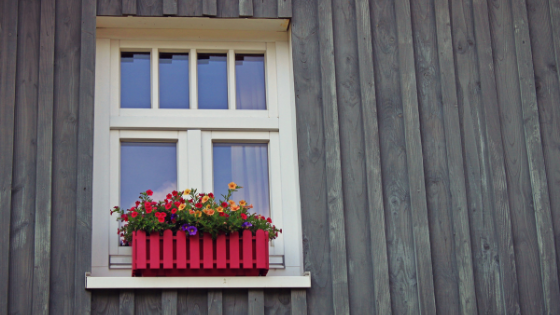
East-facing windows are some of the most forgiving spots for container gardening. The morning sun is cooler and less intense than afternoon sun, which means your soil dries out slower and your blooms last longer. Whether you rent an apartment or own a house, a well-planted window box on an east wall can completely transform your curb appeal.
Below, you'll find 10 proven flowers that do exceptionally well in east-facing window boxes — plus everything you need to keep them thriving from spring through fall.
Contents
Before you pick your plants, it helps to understand what makes an east-facing spot so special. The light profile is completely different from south or west exposures, and that matters for flower selection.
East-facing windows receive direct sunlight from sunrise until roughly noon. That's typically 4 to 6 hours of gentle, cool-spectrum light. Here's why that's a big deal:
If you want to understand more about how light direction affects your plants, check out this guide on direct vs. indirect sunlight.
Window boxes on west or south walls can hit temperatures above 100°F (38°C) on summer afternoons. East-facing boxes avoid that entirely. Your flowers spend the hottest part of the day in shade, which means:
Pro tip: If your east-facing window also gets reflected light from a nearby building or fence, your flowers for east facing windows will perform even better — extra ambient light without extra heat.
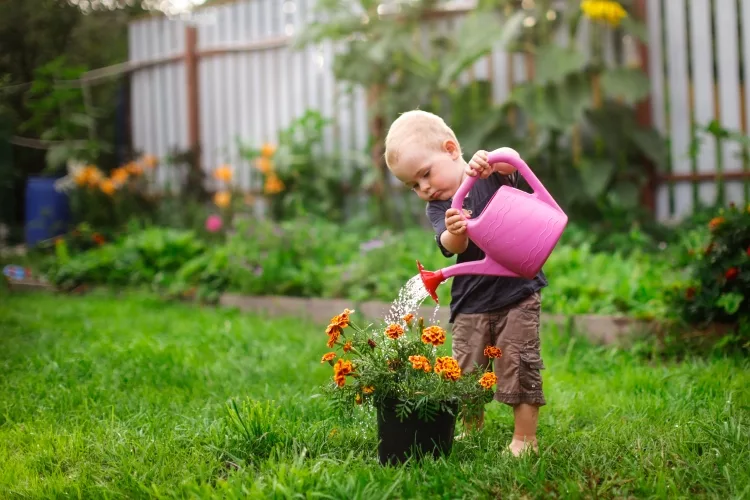
Here are the best performers — every one of these has been proven in part-sun, part-shade conditions. You can mix and match them in the same box for a layered, full look.
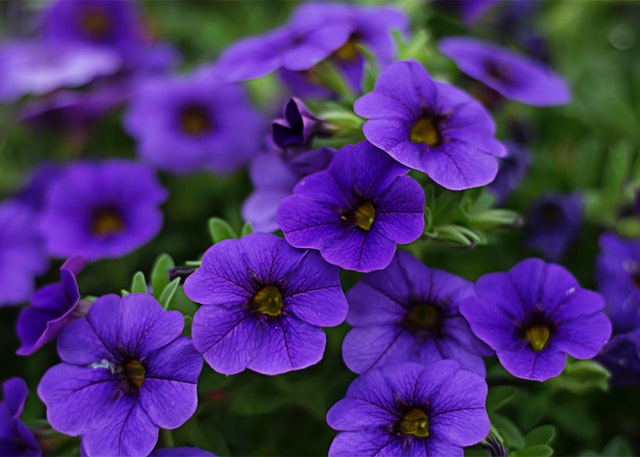
Petunias are the workhorse of window box gardening. They come in every color you can imagine, they trail beautifully over the edge, and they bloom non-stop with minimal effort.
Deadhead (pinch off spent blooms) weekly to encourage new flowers. Skip this step and you'll get leggy stems with fewer blooms.
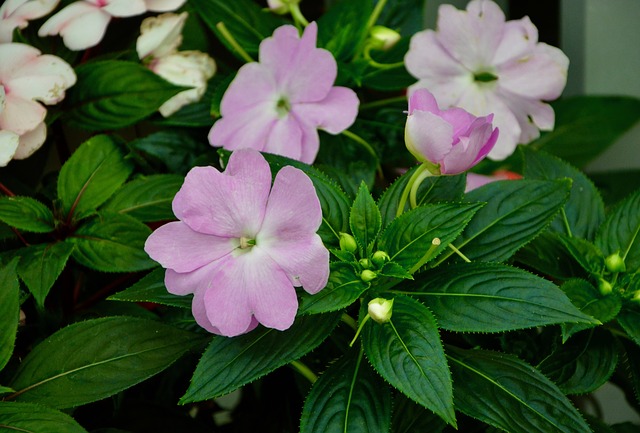
If your east window gets closer to 3–4 hours of sun, impatiens are your safest bet. They actually prefer partial shade and will reward you with masses of color.
New Guinea impatiens handle slightly more sun than standard impatiens and have larger flowers. Either type works well in east-facing boxes.
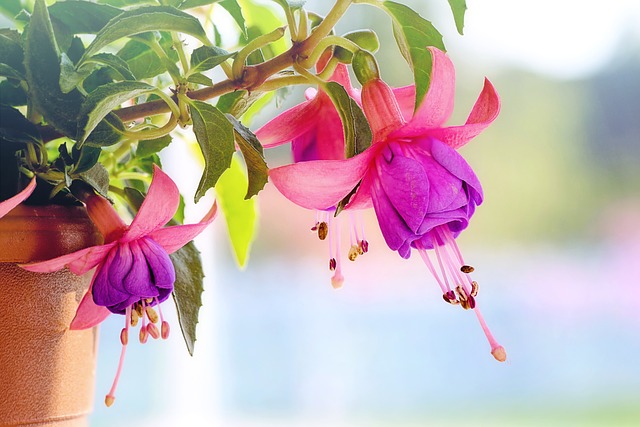
Fuchsias produce those stunning, dangling bell-shaped flowers that look almost exotic. They're a natural fit for east-facing spots because full afternoon sun actually damages them.
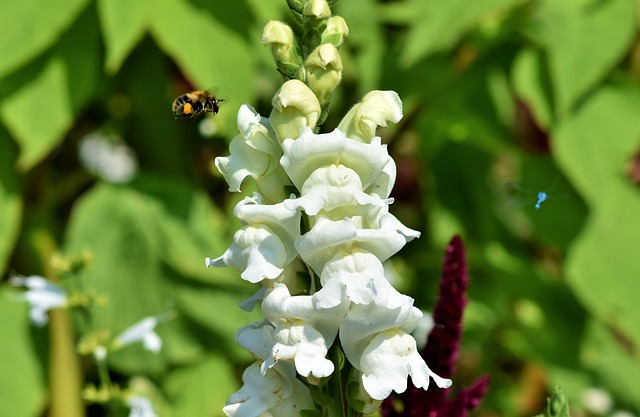
Snapdragons add vertical interest that most trailing flowers can't. They grow upright, produce dense flower spikes, and come in almost every warm color. They're cool-season champs, so they're especially great for spring and fall window boxes.
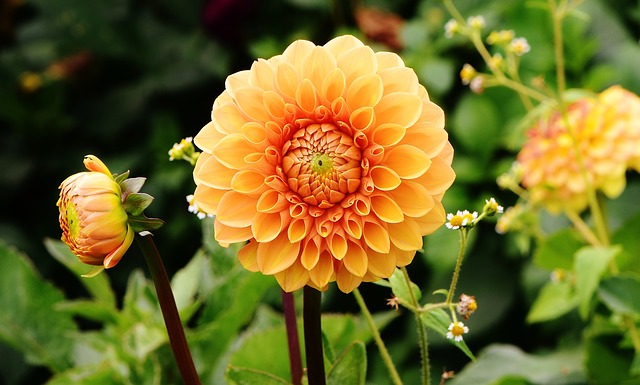
Dwarf dahlias are an underrated pick for flowers for east facing windows. They bloom from midsummer to frost and produce dinner-plate-sized flowers even on compact plants. Stick with varieties under 18 inches tall.
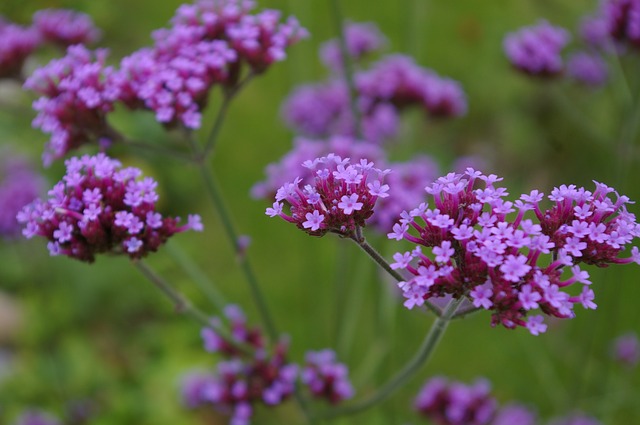
These five round out your options and give you variety across seasons, textures, and growth habits:
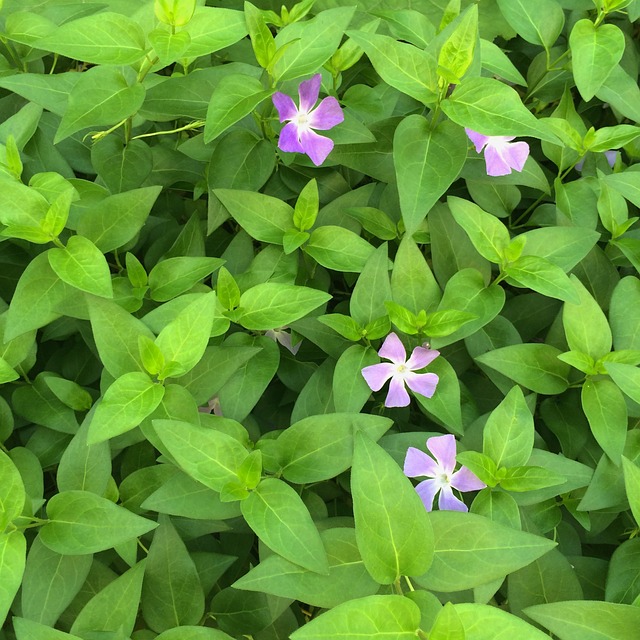
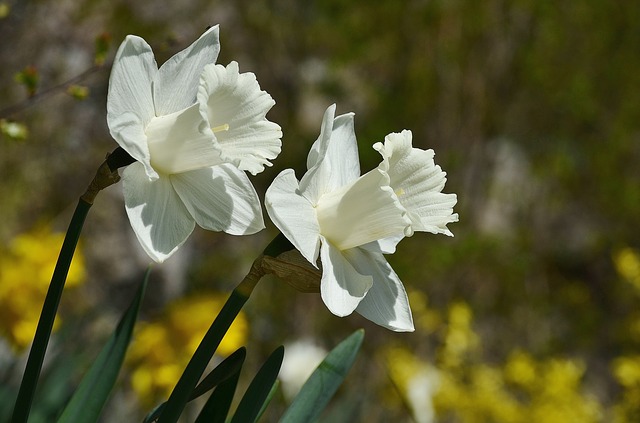
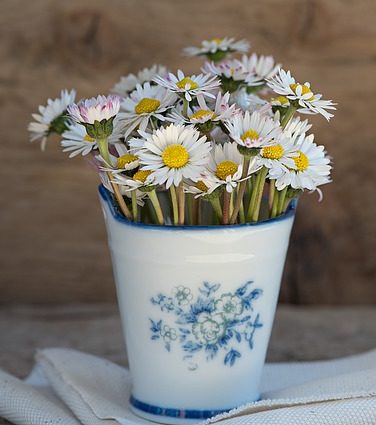
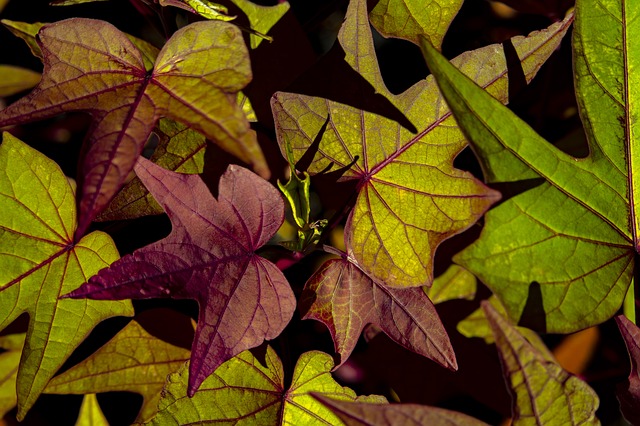
Use this table to pick the right combination for your east-facing window box at a glance.
| Flower | Sun Needed | Water Needs | Growth Habit | Bloom Season | Best For |
|---|---|---|---|---|---|
| Petunias | 4–6 hrs | Moderate | Trailing | Spring–Frost | Non-stop color |
| Impatiens | 2–4 hrs | High | Mounding | Late Spring–Fall | Shadier spots |
| Fuchsia | 4 hrs | High | Trailing | Late Spring–Fall | Unique shape |
| Snapdragons | 4–6 hrs | Moderate | Upright | Spring & Fall | Vertical interest |
| Dahlias (dwarf) | 4–6 hrs | Moderate | Upright | Summer–Frost | Big showy blooms |
| Verbena | 4–6 hrs | Low | Trailing | Spring–Frost | Drought tolerance |
| Vinca Vine | 3–5 hrs | Low | Trailing | Foliage only | Green filler |
| Daffodils | 4–6 hrs | Moderate | Upright | Early Spring | First color of the season |
| Daisies | 4–6 hrs | Moderate | Mounding | Spring–Fall | Classic look |
| Sweet Potato Vine | 3–6 hrs | Moderate | Trailing | Foliage only | Dramatic spiller |
Choosing the right flowers is only half the battle. How you plant and maintain your window box makes the difference between a box that looks good in photos and one that actually stays beautiful for months.
Window boxes dry out faster than ground beds and have zero drainage margin for error. Get these basics right from the start:
Warning: Never use saucers under window boxes that sit in full morning sun. Trapped water heats up and essentially cooks the roots from below.
East-facing boxes need less water than south or west boxes, but they still dry out faster than you'd think. Follow this schedule:
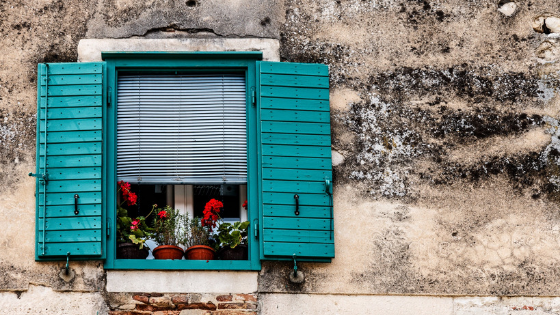
A window box isn't a set-it-and-forget-it project. Your flowers for east facing windows need ongoing care to stay healthy and keep producing blooms all season.
Container plants burn through nutrients fast because every watering flushes some fertilizer out the drainage holes. Here's your feeding plan:
One of the best strategies for year-round curb appeal is rotating your plantings across seasons. Here's a simple rotation plan:
This rotation ensures your window box is never bare. Swap plants out as soon as they fade rather than waiting for them to die completely.
Even experienced gardeners make these errors. Avoid them and you'll be ahead of most people:
Quick reminder: If your plants are getting leggy (long stems, few leaves), they probably need more light. Consider whether your east-facing window is partially blocked by trees, overhangs, or neighboring buildings.
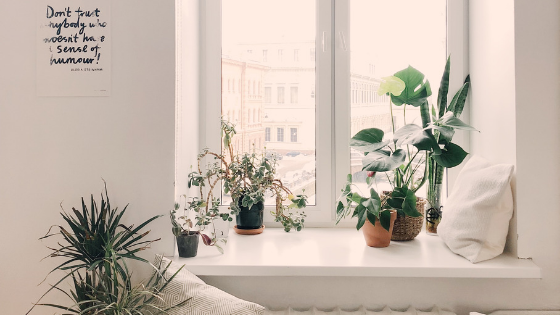
You've picked the right flowers and avoided the common mistakes. Now let's make your window box look like it belongs in a magazine.
Don't just grab whatever's on sale. Plan your colors for maximum impact:
Stick to 2–3 colors maximum per box. More than that looks chaotic from the street.
This is the single most effective design trick for window boxes. Every box should have three types of plants:
Place the thriller in the center or back, fillers around it, and spillers along the front edge. This formula works every single time, regardless of which specific flowers you choose. For more ideas on plants that thrive in similar east-facing conditions, browse our post on plants for an east-facing balcony.
According to the Wikipedia article on window boxes, these containers have been used in European cities since at least the Renaissance period — proof that this simple concept has serious staying power.
Most east-facing window boxes receive 4 to 6 hours of direct morning sunlight. The exact amount depends on obstructions like trees, buildings, or roof overhangs. You can track your specific window using a simple sun calculator app over a few days to get an accurate reading.
Yes. Herbs like parsley, cilantro, chives, and mint do well with 4–6 hours of morning sun. Plant them alongside low-water flowers like verbena or petunias. Avoid pairing herbs with moisture-loving plants like impatiens, since their watering needs differ too much.
Avoid full-sun plants that need 8+ hours of direct light. This includes most roses, lavender, marigolds (they'll be sparse), and zinnias. These plants won't die in an east spot, but they'll produce fewer flowers and look thin compared to the varieties listed above.
Replace or refresh the potting mix at the start of each growing season. Old mix compacts, loses nutrients, and may harbor disease. You can reuse up to 50% of the old mix if you break it up and blend it with fresh potting soil and a handful of compost.
Mulch helps but isn't strictly necessary. A thin layer (half an inch) of shredded bark or cocoa shell mulch slows evaporation and keeps roots cooler. Don't pile it thick — window boxes are too shallow for heavy mulching, and excess mulch can hold too much moisture against stems.
In mild climates (USDA zones 9–11), yes. In colder zones, you'll need to rotate seasonally. Plant cool-season flowers like snapdragons and pansies in spring and fall, warm-season bloomers like petunias and dahlias in summer, and switch to decorative greenery in winter.
Use a box at least 8 inches deep and 8 inches wide. Deeper boxes (10–12 inches) hold more soil, which means more stable moisture levels and bigger root systems. Length should match or slightly exceed your window width for balanced proportions.
Install a drip tray or use a self-watering window box with a built-in reservoir. You can also water slowly in stages — add half the water, wait 10 minutes for it to absorb, then add the rest. This reduces the amount of water that rushes straight through the drain holes.
 |
 |
 |
 |

About Christina Lopez
Christina Lopez grew up in the scenic city of Mountain View, California. For eighteen ascetic years, she refrained from eating meat until she discovered the exquisite delicacy of chicken thighs. Christina is a city finalist competitive pingpong player, an ocean diver, and an ex-pat in England and Japan. Currently, she is a computer science doctoral student. Christina writes late at night; most of her daytime is spent enchanting her magical herb garden.


Get new FREE Gifts. Or latest free growing e-books from our latest works.
Disable Ad block to reveal all the links. Once done, hit a button below
|
|
|
|
 rinjal