If you're searching for the best gardening gloves india has to offer, here's the direct answer: pick a pair matched to your specific task, not just your price point. A glove suited to transplanting seedlings is completely different from one built for pruning thorny shrubs. Whether you manage a rooftop kitchen garden, grow herbs on a balcony, or run a full plants and herbs farming plot, protecting your hands properly makes every session more productive and less painful.

Gardening in India comes with its own particular challenges — bougainvillea thorns, heavy monsoon-soaked clay, and summer heat that makes thick leather gloves nearly unbearable. You need options that hold up to real Indian conditions, not mild-weather European gardens. The market has improved considerably, with solid choices ranging from affordable rubber-coated cotton pairs under ₹200 to purpose-built leather gloves above ₹600.
This guide covers how different glove types match different tasks, which Indian brands are worth your money, how to size and maintain them correctly, and when it actually makes sense to skip gloves altogether. By the end, you'll have a clear picture of what to buy and why.

Contents
Using the wrong glove for a task is one of the most common mistakes home gardeners make. A thick leather glove that protects you from rose thorns makes it nearly impossible to handle a delicate seedling without crushing it. Starting with the task — not the brand or material — is the right approach.
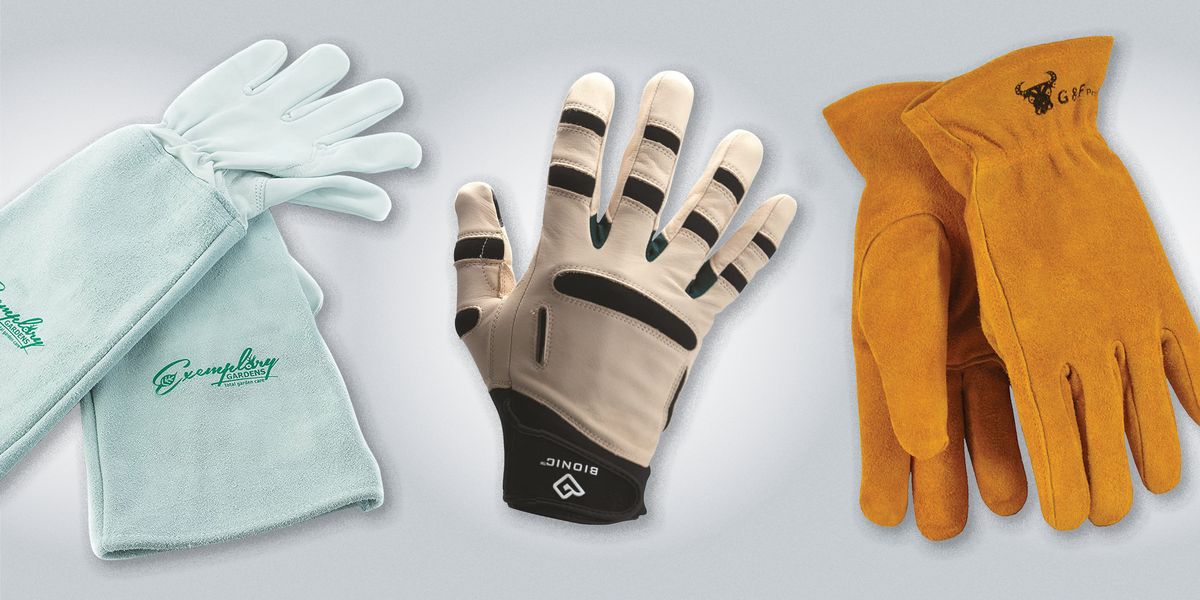
For transplanting seedlings, direct sowing, or pulling shallow weeds, you want a thin, form-fitting glove with strong tactile feedback. Nitrile-coated or latex-dipped cotton gloves are the right choice here. They let you feel the soil and handle small plants without losing sensitivity. If you've also set up a drip irrigation system to keep your beds consistently moist — which reduces weed pressure significantly — our guide to drip irrigation kits in India covers the main options available.
Heavy digging, pruning woody shrubs, or moving rough materials call for reinforced leather or thick synthetic gloves with extended cuffs to protect your wrists. Look for double-stitched seams at the stress points — thumb gussets and fingertips split first. This is also the category where spending a little more pays back quickly, since cheap pairs with thin stitching fail within weeks of regular use.
Turning compost, working waterlogged raised beds, or any monsoon-season digging demands a waterproof outer layer. PVC or fully rubber-coated gloves keep moisture out, but they trap heat fast. A thin cotton liner worn inside reduces sweating and makes longer sessions bearable. If you work with compost regularly, our bagged compost reviews can help you identify which products are easiest to handle without extended glove time.
The Indian market offers a solid range of gardening gloves — better than most gardeners realise. Below are three brands that consistently earn good feedback from both home gardeners and small-scale farmers. After the brand profiles, you'll find a comparison table covering the main glove types by use case and price.
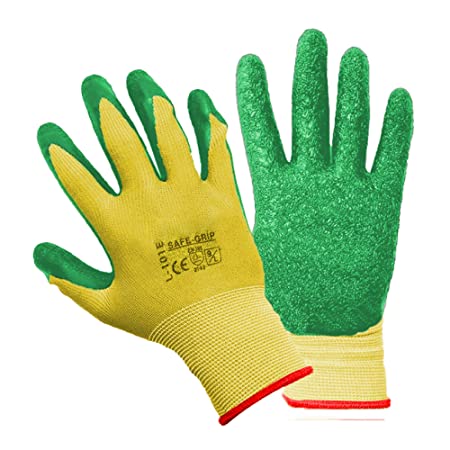
Trustbasket's reusable heavy-duty gloves are a practical entry-level option. The rubber-coated palm and fingers give noticeably better grip than plain cotton in both dry and slightly damp soil. They're machine washable, which is a genuine advantage when you're working with compost or fertilizer-rich beds. They won't survive years of intense pruning work, but for general maintenance they're a sensible buy under ₹300.
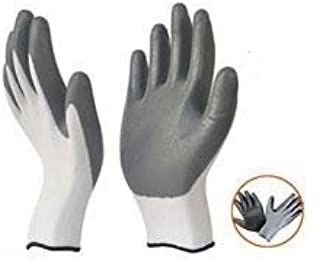
Safeyura draws from its safety workwear background to produce gloves with real puncture resistance — useful when you're working around cactus or pruning thorny bougainvillea. The leather and synthetic leather versions run slightly large, so check the size chart before ordering. Safeyura sits in a useful middle ground between light cotton and full leather, priced around ₹350–₹500, making them a good upgrade from budget rubber-coated pairs.

Jupiter Industries makes planting-specific gloves with rubberized fingertips that allow more precision than most nitrile alternatives. The mesh back keeps hands cooler, which matters considerably in Indian conditions from March through June. They work especially well for raised bed gardening and transplanting tasks. Available on most major Indian e-commerce platforms and generally priced under ₹400.
| Glove Type | Best For | Protection Level | Breathability | Price Range (₹) |
|---|---|---|---|---|
| Rubber-coated cotton | General weeding, watering | Low–Medium | Low | 100–250 |
| Nitrile-coated | Transplanting, precision work | Medium | High | 200–400 |
| Full leather | Heavy digging, pruning | High | Low | 400–800 |
| PVC / Waterproof rubber | Wet soil, compost turning | Medium | Very Low | 150–300 |
| Cut-resistant synthetic | Rose pruning, thorny plants | Very High | Medium | 350–700 |
The process is simpler than it might seem, but skipping a couple of steps leads to buying the wrong size or the wrong material. Start with your task list, then work backwards to the features you actually need.
Measure your dominant hand around the widest part of your palm, excluding the thumb, in inches. Most Indian brands use standard S/M/L/XL sizing, with S covering palms up to about 7 inches and XL covering above 9 inches. A glove that's too loose will bunch at the fingertips and cause blisters; too tight and circulation cuts off during longer sessions. Always read the brand's specific size chart when ordering online — sizing varies noticeably between manufacturers. For a thorough reference on how gloves are constructed, classified, and rated by protection standards, Wikipedia's entry is a useful starting point.
Plain cotton alone offers almost no protection — it's useful only for light, dry tasks. Nitrile coating adds grip and mild puncture resistance without sacrificing feel. Leather is the most durable option for rough physical work but needs conditioning to avoid cracking in dry weather. When you're working with fertilisers and soil amendments, some chemical inputs require gloves even if the label says low-toxicity — our guide to the best fertilizers for vegetable gardens notes which products call for hand protection during application.
Most gardeners use gloves hard and then wonder why they fall apart in a single season. A small amount of regular care extends the life of almost any pair significantly. The key is matching your cleaning method to the glove's material.
Rubber-coated and nitrile gloves can be rinsed under running water while still on your hands, then left to air-dry inside out. Cotton-backed pairs are usually machine washable on a gentle cycle. Never put leather gloves in a washing machine — the heat and agitation will harden and crack the leather permanently. Wipe leather down with a damp cloth after use and apply a small amount of leather conditioner every few weeks to keep the material supple and flexible.
Store your gloves in a dry, shaded spot — not stuffed into the bottom of a wet garden bag. Direct sunlight degrades rubber and weakens stitching over time. A hook near your shed door or a mesh bag hung out of the sun works well. If you keep multiple pairs for different tasks, store them separated by type so you can grab the right one without hunting through a pile.
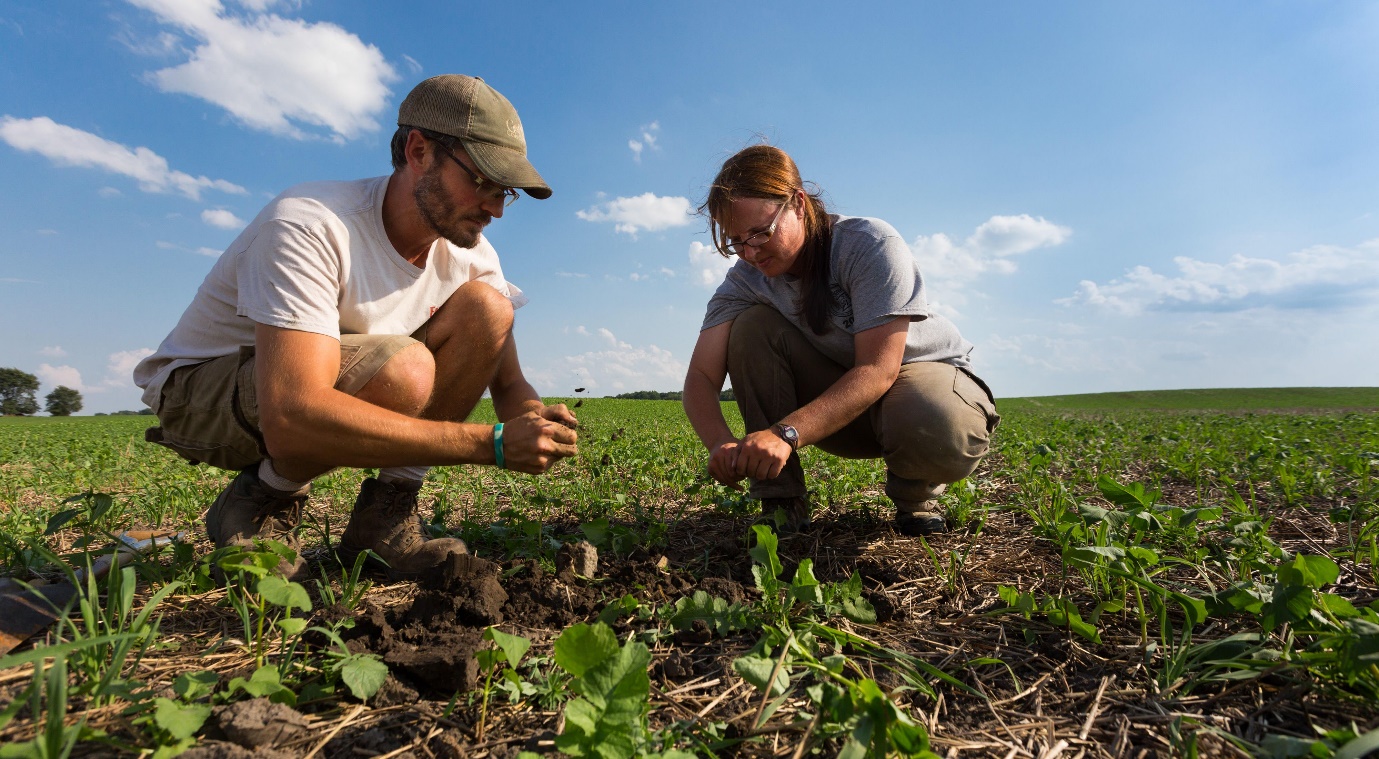
Choosing the right gloves is only part of the picture. A few consistent habits make a real difference in long-term hand health — especially if you're gardening several times a week or managing a larger plot.
When applying pesticides, herbicides, or granular fertilisers, wear a thin nitrile glove underneath a thicker outer glove. This double layer prevents chemical absorption through the skin while the outer glove handles physical hazards. It's also useful during monsoon season when wet gloves feel uncomfortable against bare skin. If pesticide application is part of your routine, pairing good gloves with the right equipment reduces exposure further — our guide on the best backpack sprayers covers options that give you better directional control and less accidental splash-back. For beds that require less intervention overall, flower bed liners help reduce weed growth and keep soil healthier with less effort.
Inspect your gloves after every few sessions. Visible holes, worn-through fingertips, or cracked palm coating are not cosmetic issues — they're gaps in your protection. Pay close attention to seam stitching along the thumb gusset and wrist, which tends to fail before the glove material itself. Budget rubber-coated pairs may need replacing every season under regular use. Quality leather gloves with proper conditioning can realistically last several years.

Gloves are a tool with a specific purpose, not something you wear reflexively every time you step outside. Knowing when they genuinely protect you — and when they actually get in the way — is part of working smarter in the garden.
Precision seed sowing, thinning densely germinated seedlings, and grafting work are often easier bare-handed. Gloves reduce tactile sensitivity significantly, and for tasks where you need to feel exactly what you're doing, the protection trade-off isn't always worth it. Checking soil moisture, feeling for pest damage on leaves, or gently separating roots during repotting are all tasks where your fingertips give you information that gloves simply hide. The rule of thumb: if the task involves a physical hazard or a chemical, put gloves on. If it's purely about feel and precision, consider going without.
It depends on your primary tasks. Nitrile-coated gloves offer the best balance of grip, breathability, and dexterity for most light to medium garden work. For heavy digging and pruning, leather gives better durability and puncture resistance. For monsoon or wet-soil work, PVC or fully rubber-coated gloves are the most practical choice.
Measure the circumference of your dominant hand around the widest part of the palm, excluding the thumb. Compare that measurement against the specific brand's size chart — Indian brands typically run S for 7 inches or below, M for 7–8 inches, L for 8–9 inches, and XL for above 9 inches. Sizing is inconsistent across brands, so always check before ordering online.
You can use them for light tasks like watering or applying liquid fertiliser, but household rubber gloves aren't built for the stress of digging or pruning. They tear more easily on rough surfaces, offer little puncture protection, and become uncomfortable quickly in warm conditions. Purpose-made gardening gloves are worth the modest extra cost for anything beyond casual tasks.
Budget rubber-coated pairs used regularly may only last a single growing season. Mid-range nitrile or synthetic gloves typically last one to two seasons with proper care. Quality leather gloves, if conditioned regularly and stored correctly, can last several years. The clearest sign it's time to replace any pair is visible damage to the palm coating, fingertip wear-through, or failing seam stitching.
Full leather gloves can become quite uncomfortable in peak summer heat because they trap warmth and don't breathe well. If you need leather-level protection in summer, look for split leather or leather-palm gloves with a breathable mesh or cotton back panel. These give you the puncture and abrasion resistance of leather where you need it most, with better airflow on the back of the hand.
Finding the best gardening gloves india offers isn't complicated once you know what each type is actually built for. Start by identifying your most common tasks, pick a material that matches those demands, and invest a little extra in sizing and care to make the pair last. Head to your local garden supply store or browse the Indian e-commerce platforms with the comparison table above as your reference, and you'll walk away with gloves that genuinely improve how you work in the garden.
 |
 |
 |
 |

About Christina Lopez
Christina Lopez grew up in the scenic city of Mountain View, California. For eighteen ascetic years, she refrained from eating meat until she discovered the exquisite delicacy of chicken thighs. Christina is a city finalist competitive pingpong player, an ocean diver, and an ex-pat in England and Japan. Currently, she is a computer science doctoral student. Christina writes late at night; most of her daytime is spent enchanting her magical herb garden.


Get new FREE Gifts. Or latest free growing e-books from our latest works.
Disable Ad block to reveal all the links. Once done, hit a button below
|
|
|
|
 rinjal