reviewed by Christina Lopez
If you want one product that handles most flower bed situations without overthinking it, the ECOgardener Premium Landscape Fabric earns the top spot for its balance of durability, moisture control, and straightforward installation. That said, the right liner for your garden depends on more than just popularity — your soil type, planting style, and how long you want the barrier to last all play a role.
Flower bed liners (also called weed barriers or landscape fabric) do one main job: block weeds from stealing nutrients and sunlight from your plants while letting water and air reach the roots. In 2026, the market has more options than ever — from biodegradable kraft paper that enriches your soil as it breaks down, to commercial-grade woven polypropylene that can last 25 years in full sun. Whether you're lining a small raised bed or covering a large garden pathway, there's a product on this list built for your needs.
We've rounded up seven of the best flower bed liners available right now. Each pick is reviewed honestly — strengths, weaknesses, and who it's best suited for. If you're also thinking about feeding your garden after getting your weed control sorted, check out our guide to the best fertilizers for vegetable gardens to keep things growing strong. You can also browse our full gardening reviews section for more product roundups.

Contents





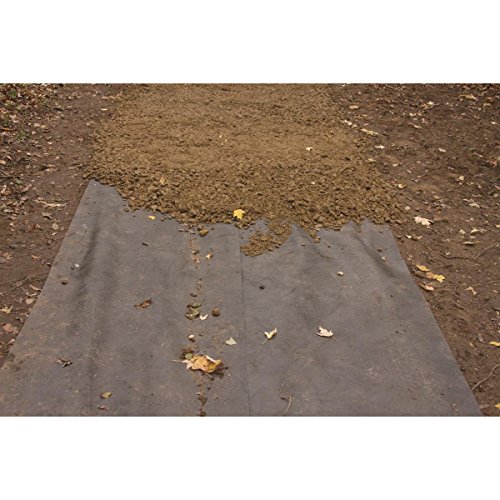

The ECOgardener Premium Landscape Fabric earns its reputation as a dependable all-rounder. The 4ft x 50ft roll gives you 200 square feet of coverage right out of the box — enough for a generous flower bed or several smaller bordered sections. The fabric is woven tightly enough to block weed growth while still being permeable, meaning rainfall and irrigation water pass through rather than pooling on the surface.
What sets this option apart from cheaper alternatives is how it handles soil moisture. The mat acts as a barrier against evaporation, which means your flower bed stays hydrated longer between watering sessions. That's a real win in warmer climates or during dry summers. Installation is simple: unroll, cut to size with scissors or a utility knife, anchor with landscape staples (sold separately), and you're done. No special tools required.
The fabric holds up well under mulch (wood chips or gravel work great on top of it) and doesn't degrade quickly in UV exposure. If you're new to using landscape fabric, this is a solid starting point — it won't fight you during setup and delivers noticeable weed reduction within a season.
Pros:
Cons:
If you're on a tight budget or just want to try landscape fabric for the first time without spending a lot, the Amazon Basics Weed Barrier is worth a look. The 3 x 50 foot roll covers 150 square feet at a price point that's hard to argue with. It's a heavy-duty woven fabric that prevents weed germination and growth while remaining breathable — air, water, and nutrients still reach your soil underneath.
This fabric works beyond just flower beds. Amazon markets it for farming, gardening, paving, and gravel projects — and that versatility is accurate. Laid under a gravel pathway or used as a base before poured concrete, it helps prevent erosion and keeps materials in place. The black color also helps absorb heat, which can give a slight boost to soil temperatures in early spring planting.
The main trade-off here is longevity. Budget fabric tends to degrade faster under prolonged sun exposure compared to commercial-grade options. If you're covering a permanent bed you won't be replanting for years, you might want to spend more. But for annual or seasonal beds, or for areas you're still experimenting with, this delivers solid value.
Pros:
Cons:
This biodegradable kraft paper weed barrier is a completely different animal from synthetic landscape fabrics — and that's the point. Made from 100% natural, unbleached kraft paper, it's designed to break down over time and return nutrients to your soil rather than contributing to plastic waste. If you garden with sustainability in mind, this is your liner. The 4 x 100 foot roll is generous and gives you a lot to work with.
The open-fiber structure of the kraft paper allows air and water to circulate freely while providing a physical barrier that suppresses weed germination during the critical early season. As the paper decomposes — which typically happens over one to two seasons — it releases organic compounds that improve soil texture and support microbial activity. This is especially useful for depleted or clay-heavy soils that benefit from organic matter being worked back in naturally.
The practical limitation is that biodegradable means temporary. You're not getting a 5-year or 10-year weed solution here. Think of it as a single-season or short-term weed suppressant that also doubles as mulch material. It works beautifully in vegetable gardens and annual flower beds where you're turning the soil each year anyway. For permanent perennial beds, a synthetic option will serve you better long-term.
Pros:
Cons:
The Scotts 25-Year Professional Weed Barrier is built for gardeners and homeowners who want to lay it once and not think about it for a very long time. The UV-protected polypropylene (a type of durable woven plastic) construction is what sets this apart — it resists breakdown from sun exposure, which is the main reason cheaper fabrics fail prematurely. The 3ft x 150ft roll gives you 450 square feet of coverage, making it ideal for longer borders, pathways, and large garden beds.
Polypropylene landscape fabric at this quality level is what professional landscapers use. It's walkable, meaning you can step on it during installation or for occasional garden access without it tearing or shifting. The fabric reduces soil erosion on slopes and banks — a real benefit if your flower beds are on any kind of grade. Chemical-free weed control means you're not adding anything to your soil or water table, which is good news for both your plants and the environment.
Installation follows the same basic pattern as other fabric: lay, cut, secure with landscape staples. The length of 150 feet means you'll have plenty of overlap room to get good coverage without gaps where weeds can sneak through. If you're planning a hardscape project — gravel paths, decorative stone areas, or patio borders — this is worth the investment. Also pair this with good fertilization by checking out our vegetable garden fertilizer guide to keep your flower beds thriving year after year.
Pros:
Cons:
This product takes a different approach entirely. Instead of a flat roll of fabric you pin down across a whole bed, these are two pre-sized felt mulch mat rolls designed to create garden pathways — specifically the strips between raised beds or garden rows. Each piece is 8.2 feet by 2 feet, and you get 10 garden lawn spikes included to secure them. The recycled felt material is a smart alternative to rubber mats — no odor, no peeling, and it can be cut to any shape you need.
Laying these down between your rows creates that satisfying "finished garden" look — clean edges, no muddy footpaths, and a defined separation between planting areas and walking areas. The felt suppresses weeds along the pathway while keeping your feet out of the mud during wet weather. It feels more like a proper path than a strip of plastic sheeting, and it holds its shape through repeated foot traffic without shifting around.
The main limitation is obvious: these are pathway strips, not bed covers. If you want to cover a large planting area, you'd need multiple sets and a lot of cutting. But for the specific use case of garden pathway edging and between-row coverage, these are excellent. They're also reusable, which makes them more economical than single-season paper mulch if you replant the same beds each year.
Pros:
Cons:
Typar is a brand name in professional landscaping circles for good reason. The Typar 50350 is a 3-ounce (referring to the fabric weight per square yard, which indicates its thickness and density) black landscape fabric used widely by commercial installers. At 3 oz weight, this fabric is noticeably more substantial than entry-level weed barriers — you can feel the difference in your hands immediately. The 3 x 50 foot roll delivers 150 square feet of professional-grade coverage.
The design balances weed suppression with soil breathability. It's woven at a tight enough density to prevent most weed seedlings from pushing through, but the polypropylene fibers still allow water and dissolved nutrients to drain down to root level. Professional landscapers frequently choose Typar because it holds its position under gravel and stone without bunching or folding over time — an important quality when you're using it as a base layer for hardscaping.
If you're dealing with an aggressive weed problem and have tried lighter fabrics before without success, stepping up to Typar's weight class makes a real difference. Pair it with proper edging and a top dressing of mulch or gravel for maximum effectiveness. For serious weed problems beyond just the bed liner, our roundup of the best crabgrass killers can help you tackle any breakthrough growth around the edges.
Pros:
Cons:
When you have serious acreage to cover, the DeWitt Professional Max is the product to reach for. This is a 4-foot by 250-foot commercial-grade woven fabric — that's 1,000 square feet in a single roll. The scale alone separates it from everything else on this list. DeWitt is an established name in commercial landscaping, and this fabric reflects that heritage: it's built to resist punctures, tears, weed push-through, and sun damage all at once.
The woven construction gives it flexibility that makes installation manageable even with large rolls. You can customize coverage easily — cut it to fit irregular shapes around trees, shrubs, or garden beds of any size. Despite being commercial grade, it's not stiff or unwieldy. Lightweight for its density, it handles well solo or with a partner helping to unroll longer runs.
The application range here is genuinely wide. Use it for large residential garden makeovers, commercial landscaping projects, agricultural row covers, or as a permanent base under gravel driveways and parking areas. If you're also dealing with persistent weed encroachment from the lawn side, pairing this with a commercial weed eater to clean up edges regularly will give you the most complete weed management system. This is the fabric for people who want to lay it once and move on.
Pros:
Cons:
Not every flower bed liner works the same way in every garden. Before you order, take a few minutes to think through what you actually need. Here's what to look at:
This is the first and most important decision. Synthetic landscape fabric (polypropylene or woven plastic) lasts longer — often 5 to 25 years depending on quality — and is the better choice for permanent beds, hardscapes, pathways, and any area you don't plan to replant or turn over regularly. Biodegradable options like kraft paper mulch are ideal for annual vegetable gardens and seasonal flower beds where you're working the soil each year. They break down and improve your soil in the process, but they won't last more than one to two seasons.
Measure your beds before you buy. Running short and needing to splice pieces together creates gaps where weeds push through — and those gaps defeat the purpose of the liner. Always buy slightly more than you think you need. Roll width matters as much as total area: a 3ft-wide roll requires more overlapping rows to cover a wide bed than a 4ft-wide roll. For large projects, a commercial roll like the DeWitt 4' x 250' costs more upfront but eliminates seaming issues entirely.
A good flower bed liner blocks weeds but not water or oxygen. This sounds obvious, but very cheap fabric or solid plastic sheeting can suffocate your soil and create drainage problems. Look for fabrics described as "breathable" or "permeable." The EPA's soil health guidance emphasizes that healthy soil needs consistent air and water exchange — a quality landscape fabric maintains that while still suppressing weeds. If water pools on top of your fabric after rain rather than draining through, you have the wrong product.
Sunlight is the enemy of landscape fabric. The UV radiation (ultraviolet rays from the sun) that degrades plastic also attacks synthetic landscape fabric over time. Quality options like the Scotts 25-Year use UV-stabilized polypropylene that resists this breakdown for decades. If your fabric will be exposed to direct sun — not covered with mulch or stone — UV resistance becomes a critical spec. If the fabric will be mostly covered, a less expensive option may serve you just as well.
Yes, but with a caveat. Quality landscape fabric effectively prevents most weed seeds in the soil below from germinating and reaching sunlight. However, over time, debris and organic matter accumulate on top of the fabric, and airborne weed seeds can germinate in that top layer — not in your soil. Regular cleaning of the surface and maintaining a mulch cover on top significantly reduces this issue. The better the fabric quality and the more carefully it's installed (overlapping edges, proper staking), the more effective it will be.
Yes, in most cases. Mulch on top of landscape fabric serves two important purposes: it protects the fabric from UV degradation, and it provides an additional layer of weed suppression. Wood chip mulch, bark mulch, or decorative gravel all work well. A 2-3 inch layer is typically sufficient. The combination of fabric plus mulch is far more effective than either alone.
This is an important distinction. Landscape fabric is woven or non-woven and permeable — water and air pass through it while it blocks weed growth. Plastic sheeting is a solid barrier that blocks everything, including water and oxygen. Using solid plastic in a flower bed will suffocate roots, prevent irrigation from reaching the soil, and eventually damage or kill your plants. Always use landscape fabric, not plastic sheeting, in active planting areas.
It depends heavily on the material and quality. Budget synthetic fabric may last 2-5 years. Mid-range fabric lasts 5-10 years when properly installed and covered with mulch. Professional-grade options like the Scotts 25-Year are rated for up to 25 years of service. Biodegradable kraft paper lasts only one to two growing seasons by design. Felt mulch mats fall somewhere in the middle — reusable for several seasons before they need replacement.
Yes. The standard approach is to lay the fabric first, then cut X-shaped slits at each planting location. Your plant or seedling goes through the slit, and the fabric folds back around the stem. Make the slits just large enough for the root ball — too large and weeds will find the gap. For large shrubs or trees, cut a larger opening and tuck the edges back neatly around the base. This method works well for perennials and permanent plantings.
For gardens you're actively managing and replanting each year, biodegradable kraft paper is an excellent eco-friendly choice. It breaks down naturally, adds organic matter to your soil, and doesn't contribute to plastic waste. However, it's not the right choice for every situation — permanent beds and hardscape projects still benefit from long-lasting synthetic fabric because they don't need to be replaced annually. The best choice for the environment is whichever product you actually replace least often.
Whether you need a long-term solution for a permanent perennial bed, an eco-friendly option for your vegetable patch, or heavy-duty commercial coverage for a large landscaping project, there's a flower bed liner on this list that fits your situation — take what you've learned here, match it to your specific garden needs, and pick the one that'll actually work for how you garden in 2026.
 |
 |
 |
 |

About Christina Lopez
Christina Lopez grew up in the scenic city of Mountain View, California. For eighteen ascetic years, she refrained from eating meat until she discovered the exquisite delicacy of chicken thighs. Christina is a city finalist competitive pingpong player, an ocean diver, and an ex-pat in England and Japan. Currently, she is a computer science doctoral student. Christina writes late at night; most of her daytime is spent enchanting her magical herb garden.


Get new FREE Gifts. Or latest free growing e-books from our latest works.
Disable Ad block to reveal all the links. Once done, hit a button below
|
|
|
|
 rinjal