A few years back, I carried home a tiny jade plant from a roadside nursery — no label, no care instructions, just instinct. Three weeks later, without a single watering, it looked better than when I'd bought it. That one experience turned me into a full-on succulent enthusiast. If you've been searching for the best indoor succulents for India, you're already on the right track. These drought-tolerant, water-storing plants are perfectly suited to India's warm climate, and with the right setup you can keep them thriving on minimal effort. Explore the full range of plant care topics in our plants, herbs, and farming guide.
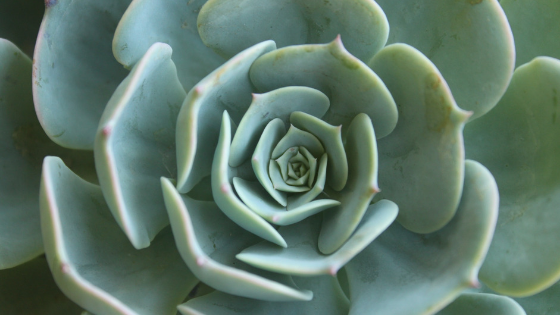
India's succulent scene has expanded dramatically over the past decade. You'll find them on apartment windowsills, office desks, and balcony shelves from Chennai to Delhi. The appeal is obvious: visually dramatic, low-maintenance, and remarkably forgiving of busy schedules. Whether you have a sun-drenched south-facing window or a corner that only catches a couple of hours of morning light, there's a species that will work for your space.
What makes India especially good for succulents is the naturally warm, sunny climate most of the year. Most succulents evolved in arid or semi-arid regions with intense heat, infrequent rainfall, and fast-draining soil — conditions that parallel large parts of the Indian subcontinent. The variables you need to manage are monsoon-season humidity, coastal moisture, and the occasional north Indian winter chill. Get those right, and your plants will flourish.

Contents
India's tropical and subtropical climate lines up almost perfectly with what most succulents evolved to handle. Temperatures between 18°C and 36°C — standard in most Indian cities for the majority of the year — sit right inside the comfort zone for these plants. You don't need a greenhouse, heating lamps, or any special equipment. A bright windowsill, decent airflow, and the right soil mix will carry you most of the way.
Coastal cities like Mumbai and Kochi do add a challenge: high humidity encourages fungal root rot if air circulation is poor. Inland cities like Hyderabad, Pune, and Delhi are far more forgiving. Wherever you live, placing your succulents near an open window or in a fan-ventilated room makes a genuine difference. Succulents also share ideal growing conditions with many top air-purifying indoor plants — good light and airflow benefit both categories, making them natural companions on a windowsill.
Not every succulent performs equally well across India's diverse conditions. Here's a quick comparison of the species that consistently deliver results for Indian growers:
| Succulent | Light Needs | Watering Frequency | Humidity Tolerance | Best Region |
|---|---|---|---|---|
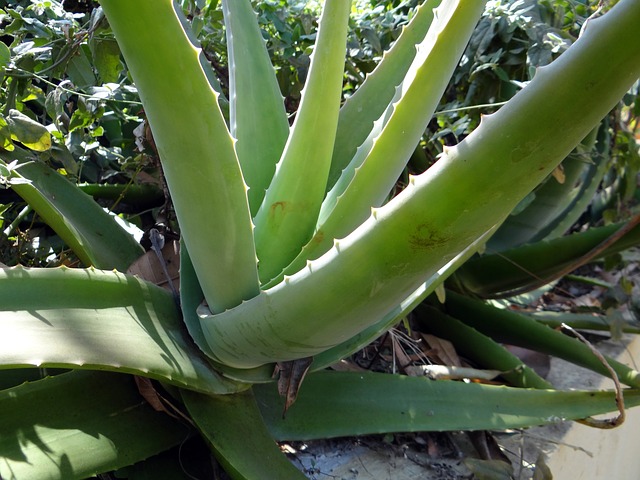
| Aloe Vera | Bright indirect | Every 2–3 weeks | Moderate | All India |
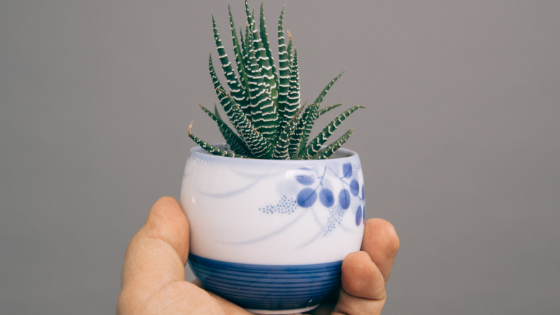
| Haworthia | Low to medium | Every 2–3 weeks | High | Coastal cities |
| Echeveria | Bright direct | Weekly (summer) | Low | Dry inland areas |
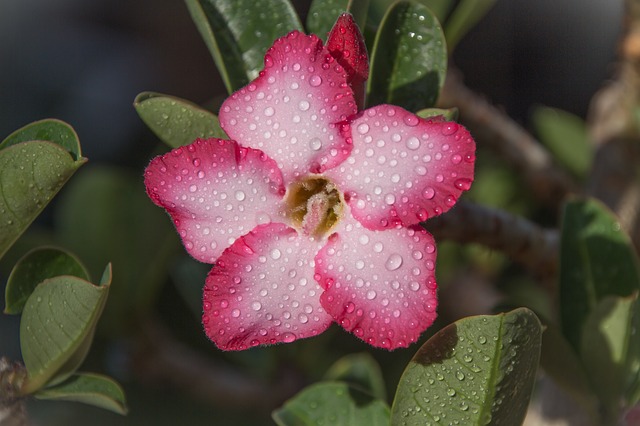
| Adenium | Full sun | Weekly | Low–Moderate | All India |
| Kalanchoe | Bright indirect | Every 10–14 days | Moderate | All India |
| Sedum | Bright indirect | Every 2 weeks | Moderate | North/Central India |
| Euphorbia | Bright direct | Every 2 weeks | Low | Dry regions |
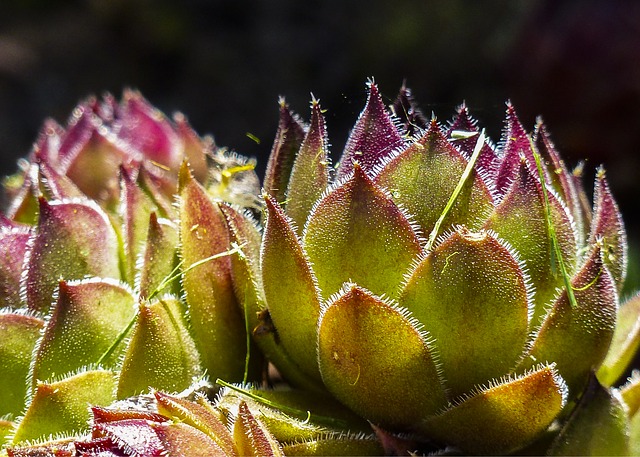
| Sempervivum | Bright indirect | Every 3 weeks | Low | North India (cooler) |
Aloe Vera is the most versatile choice for Indian homes. It tolerates a wide range of light, has genuine medicinal value, and adapts to nearly every climate zone across the country. Read the complete guide to Aloe Vera to understand just how useful this plant becomes beyond decoration — the gel alone has dozens of household applications.
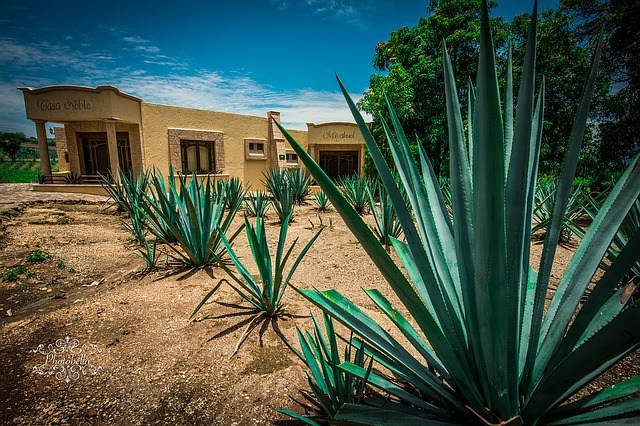
Agave deserves special mention for its architectural drama. While larger varieties belong outdoors, dwarf cultivars do remarkably well in substantial indoor pots. If you want to understand the full profile of one fascinating species, the guide to Agave Potatorum: plant facts, appearance, and care tips is worth reading — it covers growth habits, appearance, and what this plant needs to thrive.
The single most important decision you'll make is your soil mix. Standard garden soil holds far too much moisture and will rot succulent roots within weeks. You need a fast-draining cactus mix — either store-bought or homemade. A reliable DIY formula: two parts coarse sand or perlite mixed with one part regular potting mix. This gives roots enough nutrients while letting water drain freely.
For containers, drainage holes are non-negotiable. Terra cotta pots are the gold standard — they're porous, wicking away excess moisture through their walls. Ceramic and plastic pots work, but you'll need to water less frequently to compensate. Container selection matters for all indoor plants; the same thinking behind choosing the right pot for snake plants applies directly to your succulent setup.
Pro tip: Always choose a pot just 1–2 cm wider than the plant's root ball — oversized containers hold surplus damp soil that sits against the roots and triggers rot.
Setting things up correctly from the beginning eliminates most of the problems new growers encounter. The extra ten minutes spent on proper drainage saves months of troubleshooting dead or struggling plants.
Overwatering kills more succulents in India than any other single cause. It's a counterintuitive problem — you kill your plant with too much care. The signs appear subtly at first: leaves turn soft and slightly translucent, then yellow, then mushy at the base. By the time you notice, root rot is usually well established and very difficult to reverse.
The fix is direct: water only when the top 2–3 cm of soil is completely dry. Push your finger into the soil — if it feels damp at all, wait another few days. During monsoon season, your succulents may need no supplemental watering whatsoever if ambient humidity is high enough. According to Britannica's overview of succulent plants, these species store water in specialized tissues specifically to survive extended dry periods — frequent watering works directly against their natural biology.
The second most common mistake is placing succulents in dim corners because they look decorative there. Most species need 4–6 hours of bright light daily. A north-facing window with no direct sun will slowly etiolate your plants — they stretch toward light, become leggy, and lose the compact rosette shape that makes them attractive.
Wrong soil compounds the problem. Many beginners use standard potting mix from a garden center, which retains far too much moisture. Compare this to acid-loving indoor plants that actively need rich, moist, nutrient-dense soil — succulents are the polar opposite. Using the same medium for both categories guarantees failure for one of them.
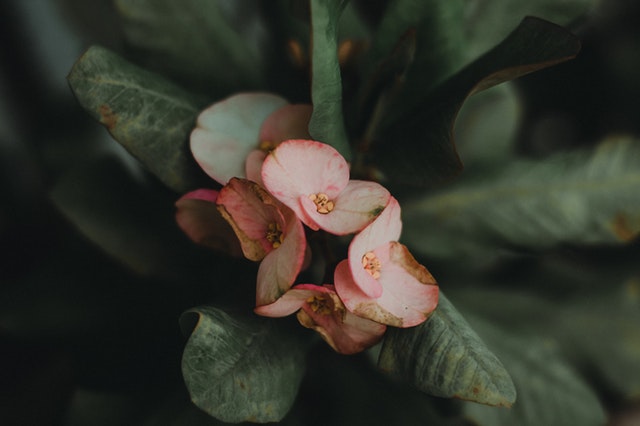
India's distinct seasonal pattern directly determines how you water. Treating all three seasons the same is one of the most common errors among new succulent growers.
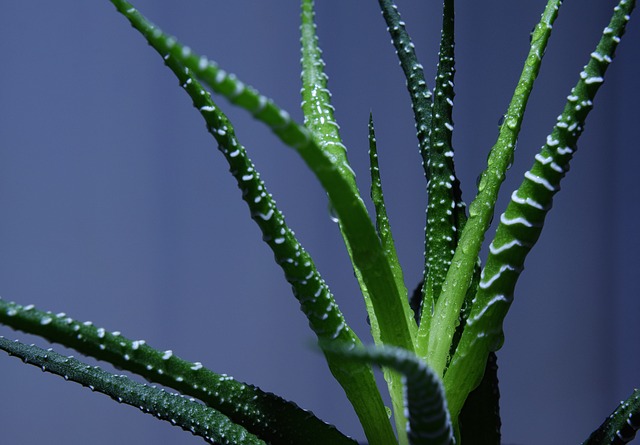
Succulents communicate their needs clearly once you know the signals. Learn to read the plant rather than following a rigid calendar.
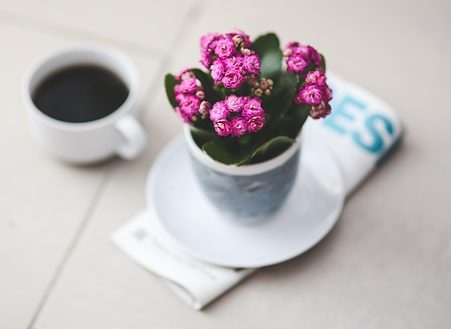
Kalanchoe is an excellent indicator species — when thriving, it produces vibrant clusters of flowers for weeks. When something is off, blooms drop almost immediately. Pair it with other flowering varieties for a colorful indoor display; the guide to 365-day flowering plants in India has excellent companion options that share similar care requirements.
Succulents are naturally light feeders. They evolved in nutrient-poor soils and do not respond well to heavy fertilizing. Over-feeding causes fast, weak, watery growth and significantly increases susceptibility to pests and disease. Fertilize once a month during the growing season (summer) and not at all during monsoon and winter. That's the complete rule.
Use a balanced diluted liquid fertilizer at half the dose listed on the label. A 20-20-20 NPK formula works well across most species. Avoid nitrogen-heavy formulas, which push leafy growth at the expense of the tight, architectural form that makes succulents attractive. Organic compost tea is an excellent gentle alternative if you prefer a fully natural approach.
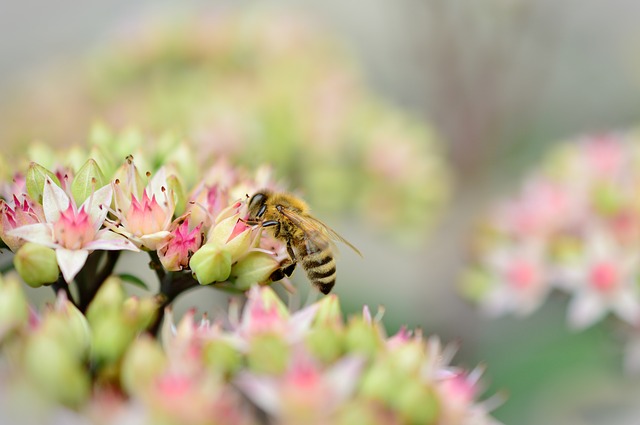
Succulents grow slowly, but they will eventually outgrow their containers. Watch for these signals:
Repot in early spring at the start of the growing season, moving up only one pot size at a time. Larger jumps in container size hold too much excess soil moisture around the roots.
Propagation is one of the most rewarding aspects of growing succulents. Leaf cuttings work for most rosette-forming types — Echeveria, Sedum, and Sempervivum all respond well. Stem cuttings suit taller species like Euphorbia and Adenium. If you want to display multiple varieties together in a single creative arrangement, the comparison between vivarium and terrarium setups walks you through which container style best suits succulent groupings.
Warning: Euphorbia species produce a milky white sap that is toxic and causes skin and eye irritation — always wear gloves when cutting, propagating, or repotting them.
The internet is full of well-meaning but incorrect succulent advice. Here are the myths doing the most damage, along with the reality:
Myth 1: Succulents don't need water. False. They need water — just less of it, and far less frequently. Complete neglect over weeks or months will kill them just as certainly as overwatering.
Myth 2: Any soil works fine. Regular potting mix retains too much moisture for succulents. Without proper drainage, roots rot quickly — especially during India's monsoon when ambient humidity is already high.
Myth 3: Succulents thrive in low light. Most species require 4–6 hours of bright light daily. Only Haworthia and Gasteria genuinely tolerate low-light conditions. Every other species will slowly etiolate, weaken, and become susceptible to pests in a dim corner.
Myth 4: Misting is a good watering method. Misting only dampens the leaf surface without delivering water to the roots. It promotes fungal issues on leaves and contributes nothing meaningful to plant hydration. Water deeply and infrequently — that's the correct approach.
Myth 5: Decorative pebbles on top look great and help drainage. Surface gravel traps moisture near the soil line and makes it much harder to judge when the soil is actually dry. Skip the top dressing until you're confident reading your plant's water signals.
Succulents belong alongside the finest indoor plants for Indian homes — their structural beauty, minimal water requirements, and wide species variety make them accessible regardless of your skill level or living situation. Whether you're assembling a windowsill collection with a dozen varieties or choosing a single statement plant for your desk, they genuinely earn their place. Combine them with other low-maintenance indoor options from the guide to the best herbs to grow indoors for a functional and beautiful indoor garden setup.
Haworthia is the most forgiving option for Indian indoor conditions. It tolerates low light better than almost any other species, handles high humidity without complaint, and needs watering only every 2–3 weeks. It's the ideal starting point if you're new to growing succulents.
Yes — Indian summers are actually ideal for most succulents. Temperatures between 25°C and 38°C align closely with their native climate. Keep them in bright but indirect light during peak afternoon hours to prevent leaf scorch, and check soil moisture more frequently since pots dry out faster in heat.
Reduce watering to once every 3–4 weeks during monsoon, and confirm your pots have clear, unblocked drainage holes. Move plants away from windows where rainwater splashes directly onto the soil. Terra cotta pots help considerably — their porous walls wick away excess moisture passively.
Only during the active growing season — roughly March through June. Use a balanced liquid fertilizer at half the recommended dose, applied once per month. Skip feeding entirely during monsoon and winter. Over-fertilizing produces weak, fast growth that makes plants more susceptible to pests and disease.
Haworthia and Gasteria are the only mainstream succulents that genuinely tolerate indirect or filtered light long-term. All other species need a minimum of 4–6 hours of bright light daily. A south- or east-facing window is the practical minimum for keeping most succulents healthy indoors.
Combine two parts coarse sand or perlite with one part regular potting soil for fast drainage. Pre-packaged cactus mix from garden centers also works well and saves time. Never use standard garden soil alone — it compacts and retains moisture, creating exactly the conditions that cause root rot.
Local nurseries, weekend plant bazaars, and online platforms like Amazon and Flipkart all stock a solid range of common species. Specialty plant sellers on Instagram now offer rare and imported varieties with pan-India shipping. Always inspect plants for healthy firm leaves, no soft spots, and no visible pests before buying.
 |
 |
 |
 |

About Christina Lopez
Christina Lopez grew up in the scenic city of Mountain View, California. For eighteen ascetic years, she refrained from eating meat until she discovered the exquisite delicacy of chicken thighs. Christina is a city finalist competitive pingpong player, an ocean diver, and an ex-pat in England and Japan. Currently, she is a computer science doctoral student. Christina writes late at night; most of her daytime is spent enchanting her magical herb garden.


Get new FREE Gifts. Or latest free growing e-books from our latest works.
Disable Ad block to reveal all the links. Once done, hit a button below
|
|
|
|
 rinjal