India is home to over 60 native succulent species, yet most gardeners still assume these plants are too delicate for the subcontinent's extremes. That assumption is wrong. You can absolutely grow succulents in Indian climate conditions — from Rajasthan's blazing summers to Kerala's monsoon-heavy coast — provided you understand what they actually need. This guide gives you the full picture: the right pots, the right soil mix, a seasonal care schedule, and the best varieties to start with. For more plant care resources, browse the plants, herbs, and farming category on Trinjal.
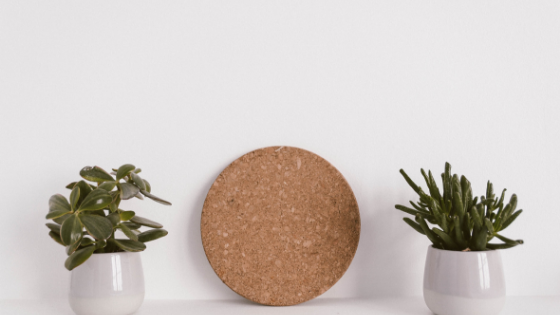
Succulents store water in their fleshy leaves and stems — that's their core survival mechanism. But that same water-storing ability makes them vulnerable to root rot the moment drainage fails. India's monsoon season, which delivers anywhere from 600 mm to over 3,000 mm of rain annually depending on region, is the number-one challenge for succulent growers here.
The good news: once you set up the right container and soil mix, succulents in India practically look after themselves. You're not fighting the climate — you're working with it.
Contents
India spans six major climate types. Succulents don't respond the same way across all of them. Here's how the main zones break down:
According to the Wikipedia entry on succulent plants, most succulent species originate from semi-arid environments with distinct wet and dry seasons — which closely mirrors India's own monsoon-dry weather cycle. That's why, with the right management, India is actually a workable environment for succulents.
Succulents belong to a wide group of plants with thick stems that use specialized tissue to store moisture. Many use a process called crassulacean acid metabolism (CAM) — they open their stomata at night instead of daytime, dramatically cutting water loss in hot conditions.
What this means practically for you as an Indian gardener:
Pro tip: Wrinkled or shriveled leaves mean your succulent needs water. Mushy, translucent leaves at the base mean you've already overwatered — remove from the pot, let the roots air-dry for two days, and repot in fresh gritty mix.

Your pot choice is the single most consequential decision you'll make when setting up succulents in India. Drainage holes are non-negotiable. If a pot doesn't have at least one drainage hole, drill one or find a different pot entirely.
Best container options for Indian conditions:
For terrace and rooftop setups, the sizing principles in this guide on choosing the right size for vertical garden pots apply directly to succulent containers — especially the advice around drainage and weight distribution.
Pot sizing matters just as much as material:
Standard potting mix retains too much water for succulents in India's climate. You need a fast-draining, gritty blend that moves water through in seconds.
DIY succulent mix for Indian conditions:
This mix drains almost immediately after watering. During the monsoon, even gritty mixes can stay wet too long if pots sit in standing water — always raise them on pot feet or bricks to keep drainage holes clear and airflow under the base.
You don't need an elaborate toolkit. These basics cover everything:
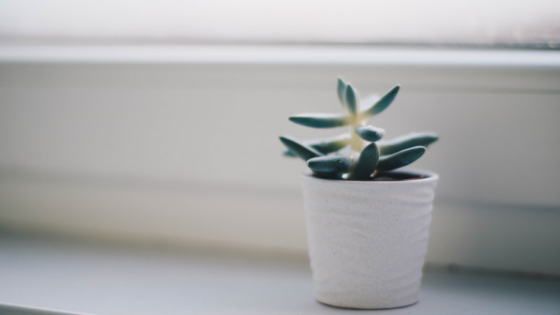
You can grow new succulents from plants you already own, completely free. Three methods work reliably in Indian conditions, ranked here by success rate:
Avoid propagating during peak monsoon. High humidity and reduced light in July and August create ideal conditions for fungal rot on cuttings. Late summer (September) and post-monsoon (October–November) are the best windows to propagate.
These varieties consistently perform well across most Indian regions and are widely available at nurseries:
If you're setting up succulents on a terrace alongside other container plants, the terrace gardening guide for Hyderabad covers container placement, sun mapping, and airflow — all directly applicable to a mixed succulent setup.
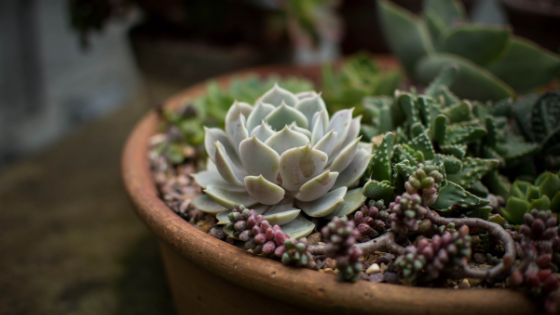
Summer (March–June) is the active growth season for most succulents in India. They push out new leaves, produce offsets, and often flower. Take advantage of this window:
This is where most Indian gardeners lose their succulents. The monsoon itself isn't the enemy — poor preparation is. Follow these steps before the first rains arrive:
Warning: Even one week of standing water in the pot during monsoon can kill a well-established succulent. Check that drainage holes aren't blocked by roots or soil debris before the rains begin — this single step prevents most monsoon losses.
If you want to put monsoon water to productive use in other parts of your garden, this guide on rainwater harvesting for home garden irrigation shows how to collect and redirect rainfall effectively.
Winter across most of India (November–February) is mild enough that succulents need minimal intervention. A few adjustments apply:
Understanding how to water indoor plants correctly without overwatering is especially useful for succulents kept inside during winter — the same soil-moisture-first principles apply directly here.
Succulents aren't perfect for every gardener or every situation. Here's a clear-eyed breakdown before you commit:
| Factor | The Advantage | The Real Challenge |
|---|---|---|
| Watering needs | Very low — once a week or less in most seasons | Easy to kill with overwatering, especially for beginners who follow instinct |
| Heat tolerance | Handles Indian summers well up to around 42°C | Leaf scorch occurs above 45°C — move indoors during extreme heat waves |
| Monsoon adaptability | Can survive well if moved to shelter with correct drainage | Requires active management — you can't simply leave them outdoors through peak rains |
| Maintenance effort | Extremely low compared to flowering annuals or vegetables | Mealybugs and scale insects establish quickly if left unchecked |
| Cost | Easily propagated at home — essentially free once you have a parent plant | Rare imported species can be expensive to source in India |
| Space | Perfect for small balconies, windowsills, and compact terrace corners | Large varieties like Agave and tree Aloe need more room than most expect |
| Growth speed | Slow growth means infrequent repotting and low input requirements | Among the slowest growing plants in the houseplant world — patience is genuinely required |
| Pest and disease pressure | Fewer pest problems than most tropical ornamentals | Root mealy bugs are invisible until significant damage is done — regular unpotting checks help |
For diagnosing and treating pest problems that spread from succulents to the rest of your garden, this guide on common plant diseases and organic treatment methods covers identification and control strategies that work for ornamentals as well as edibles.
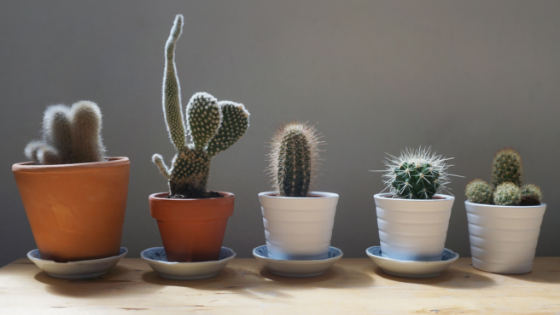
Choosing the right variety for your specific region makes an enormous difference in success rates. This comparison covers the most widely available succulents at Indian nurseries:
| Variety | Best Indian Regions | Light Needs | Monsoon Tolerance | Indoor/Outdoor | Difficulty Level |
|---|---|---|---|---|---|
| Aloe vera | All regions | Full sun to partial shade | High (with good drainage) | Both | Very Easy |
| Kalanchoe | Coastal, South India, Northeast | Bright indirect light | High | Both | Easy |
| Haworthia | All regions (ideal for indoor) | Low to medium indirect | Medium | Indoor preferred | Easy |
| Echeveria | Arid and subtropical zones | Full sun (4–6 hrs) | Low — needs monsoon shelter | Covered outdoor | Moderate |
| Crassula (Jade Plant) | All regions | Bright indirect to partial sun | Medium | Both | Easy |
| Sedum | North India, Deccan Plateau | Full sun | Medium | Outdoor | Easy |
| Euphorbia (Milk Bush) | Arid and semi-arid zones | Full sun | Low — keep very dry | Outdoor | Moderate |
| Gasteria | All regions (shade-tolerant) | Low to filtered light | Medium-High | Indoor preferred | Easy |
If you're combining succulents with edible plants or herbs on a shared terrace, keep in mind that succulents' low watering schedule conflicts with the daily needs of most vegetables. Group plants by water requirement — succulents on one side, herbs and vegetables on the other. This approach also makes pest management much simpler across your whole setup.
Learning to grow succulents in Indian climate conditions comes down to three fundamentals: a gritty free-draining soil mix, a porous pot with reliable drainage, and the discipline to stop watering during monsoon. Pick one beginner-friendly variety from the comparison table above — Aloe vera or a Jade Plant are the safest starting points — set it up in terracotta with a proper mix, and commit to the seasonal care schedule outlined here. Once you see how resilient and low-maintenance these plants genuinely are, expanding your collection becomes the natural next step.
 |
 |
 |
 |

About Truman Perkins
Truman Perkins is a Detroit-based SEO consultant who's been in the business for over a decade. He got his start helping friends and clients get their websites off the ground, and he continues to do so today. In his free time, Truman enjoys learning and writing about gardening - something he believes is a natural stress reliever. He lives with his wife, Jenny, and their twins in Detroit.


Get new FREE Gifts. Or latest free growing e-books from our latest works.
Disable Ad block to reveal all the links. Once done, hit a button below
|
|
|
|
 rinjal