reviewed by Truman Perkins
What separates a productive Indian vegetable patch from one that perpetually underperforms? More often than not, the answer lies in the soil amendment program — specifically, whether gardeners are using the best vermicompost brands India currently offers. Vermicompost has become the go-to organic fertilizer for serious home growers, balcony gardeners, and small-scale farmers alike. This guide, part of Trinjal's coverage of plants, herbs, and farming, evaluates the top brands in the Indian market based on nutrient profiles, packaging quality, price, and real-world user outcomes.
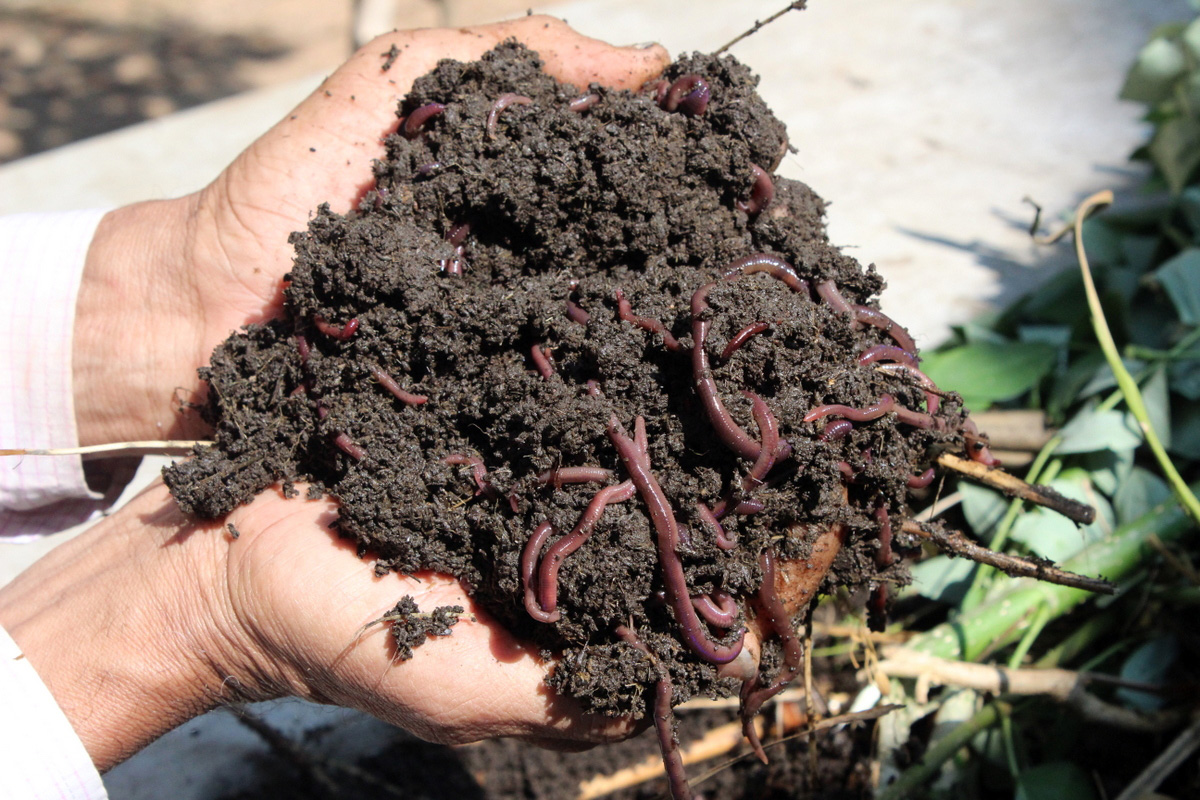
Vermicompost — the humus-rich output of earthworm digestion — has earned broad endorsement from soil scientists and organic farming advocates. According to Wikipedia's overview of vermicompost, worm castings typically contain five to eleven times more nitrogen, phosphorus, and potassium than ordinary soil, alongside beneficial microorganisms that suppress plant pathogens. For Indian conditions — marked by variable monsoon patterns, diverse soil types, and growing demand for chemical-free produce — vermicompost addresses multiple challenges in a single amendment.
The Indian market now hosts dozens of branded vermicompost products, ranging from small artisanal producers to large-scale e-commerce players. Not all formulations are equal. The analysis below cuts through marketing claims and focuses on what matters: consistency, nutrient density, packaging integrity, and value per kilogram.
Contents
Vermicompost is produced when earthworms — most commonly Eisenia fetida (red wigglers) — process organic waste. The resulting material is not simply decomposed matter. It is a biologically active amendment packed with measurable advantages over synthetic alternatives:
The microbial load in worm castings is what distinguishes vermicompost from chemical fertilizers. Chemical NPK feeds plants directly but does nothing for soil biology. Vermicompost feeds the soil ecosystem, which in turn feeds the plant — a fundamentally different and more sustainable mechanism.
Urban gardening in India has expanded sharply over the past decade. Balcony gardens, terrace farms, and kitchen herb patches are now common in metro and tier-2 cities. This growth coincides with increasing consumer concern about pesticide residues in commercially grown produce. Vermicompost fits this moment precisely: it is organic by definition, improves yield reliably, and is available in convenient packaged formats from established brands with traceable certification.

The table below summarizes the leading best vermicompost brands India gardeners can purchase today, based on commonly available pack sizes, approximate price points, and stated certification status.
| Brand | Pack Sizes | Price Range (₹/kg approx.) | Certification | Best For |
|---|---|---|---|---|
| Trustbasket | 900g, 5kg, 10kg | 30–45 | Organic certified | Container gardening, vegetables |
| Booster | 1kg, 5kg | 25–40 | NPOP compliant | Raised beds, soil conditioning |
| Ugaoo | 1kg, 3kg, 5kg | 35–50 | Organic certified | Indoor plants, seedlings |
| Kraft Seeds | 900g, 2kg | 30–42 | Organic | General purpose top-dressing |
| Dr. Earth | 500g, 1kg | 40–55 | Organic certified | Premium potted plants |
Price per kilogram varies significantly by pack size. Bulk purchases of 5kg and above consistently deliver lower per-unit costs — a factor worth calculating before committing to any brand for a full growing season.
Trustbasket is among the most widely reviewed vermicompost brands on Indian e-commerce platforms. Its 900g pouch serves as a popular entry point, while the 5kg and 10kg bags appeal to gardeners managing multiple containers or raised beds. User reports consistently highlight the following characteristics:
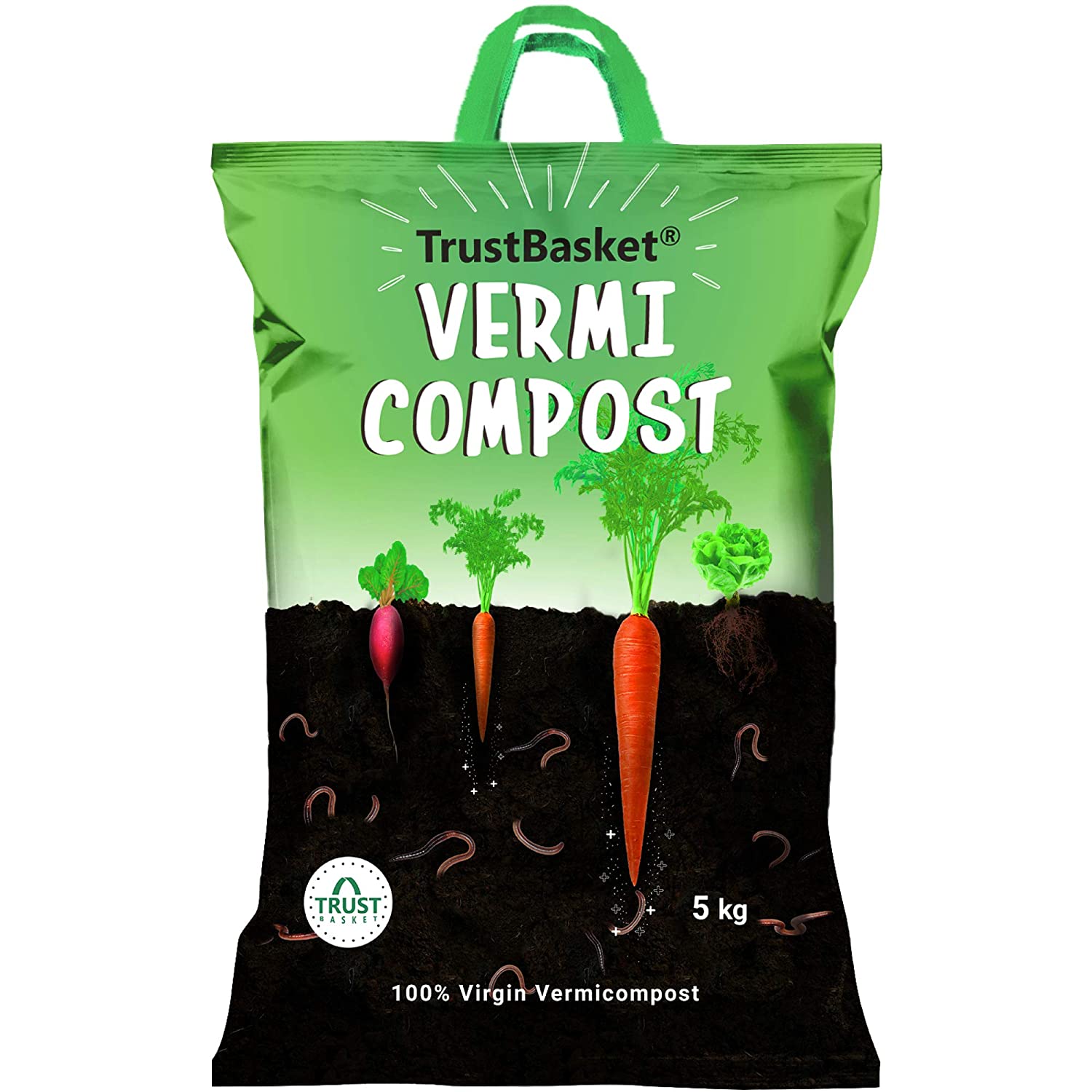
Trustbasket stands out as a reliable all-rounder for container vegetable growers and herb gardeners. Those cultivating tomatoes, chilies, or leafy greens in pots report consistent performance across multiple growing cycles, making it a dependable repeat purchase.
Booster targets gardeners who prioritize soil structure improvement alongside nutrient supply. Its formulation is marketed with emphasis on NPOP (National Programme for Organic Production) compliance, lending credibility in the certified-organic segment. Reported user observations include:
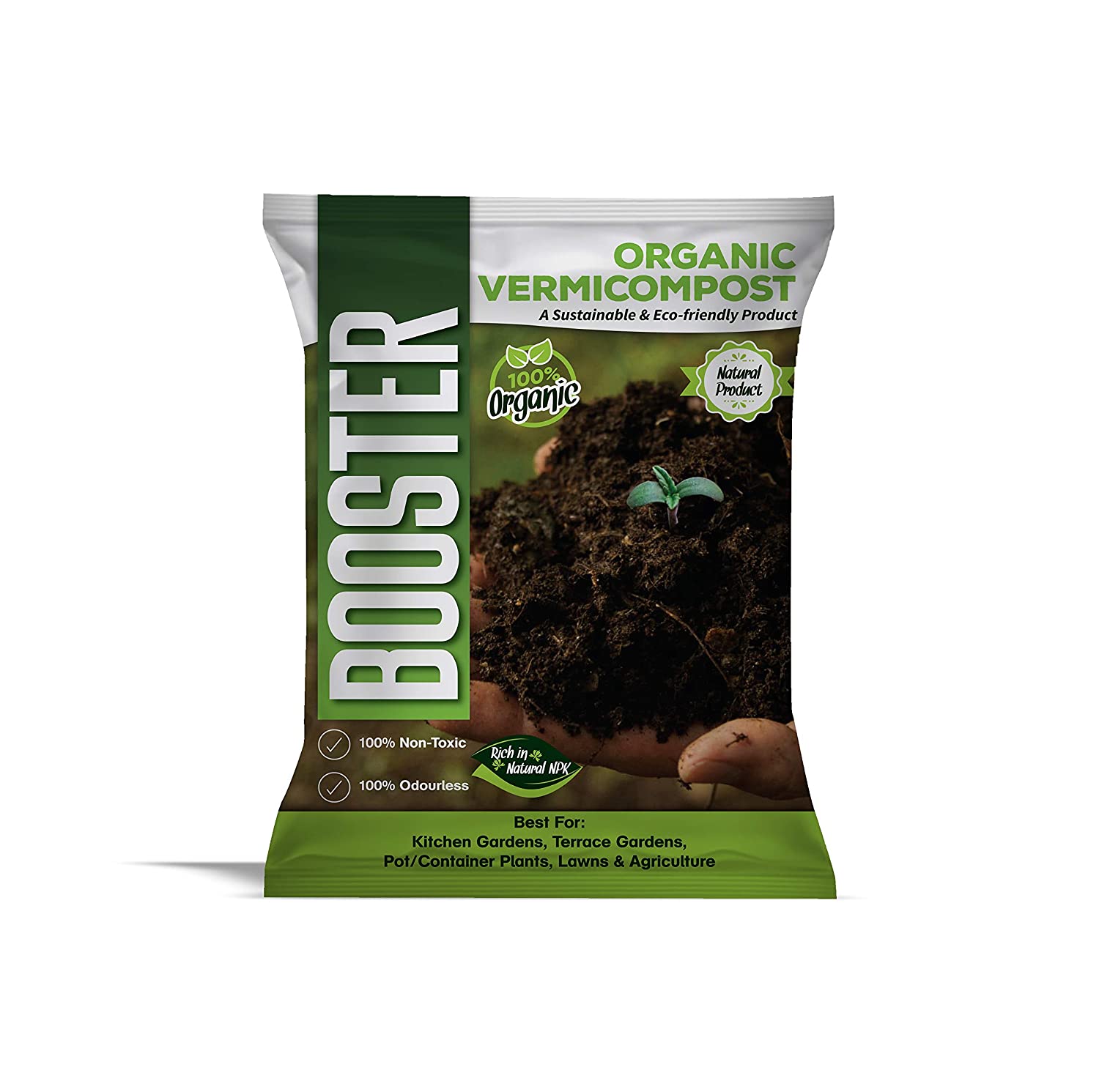
Pro tip: When amending clay-heavy soil, mix Booster vermicompost at a 1:4 ratio with existing soil and water thoroughly after application — this activates the microbial community within 48 hours and accelerates structural improvement.
Ugaoo has built a strong direct-to-consumer brand around gardening supplies, and its vermicompost reflects that premium positioning. The product ships in well-sealed, moisture-resistant packaging — a critical detail given India's monsoon-season humidity and the damage that moisture intrusion causes to microbial viability. Key strengths observed by users:
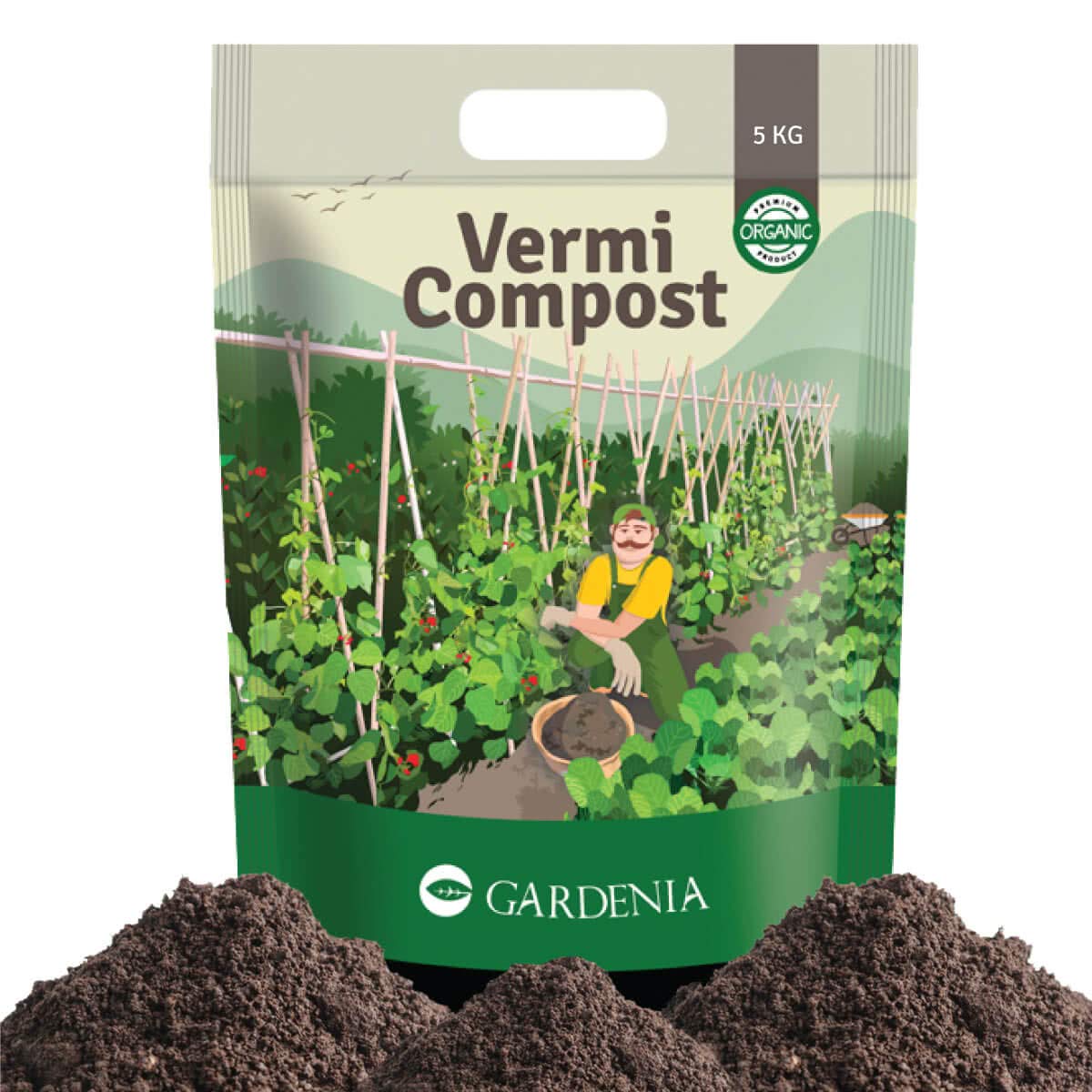
For gardeners researching soil amendments and conditioners more broadly, Ugaoo's vermicompost pairs effectively with perlite or coarse sand in indoor potting mixes, improving drainage without sacrificing the nutrient retention that worm castings provide.
Beyond the three featured brands, several other products appear regularly in Indian gardening communities:
Dosage determines whether vermicompost enhances growth or creates nutrient imbalances. Standard application guidelines for Indian growing conditions:
Application technique affects how quickly vermicompost integrates into the existing soil biology. Proven methods used by experienced Indian gardeners:
The window around transplanting is when vermicompost delivers its most measurable benefit. Transplant shock — a leading cause of slow establishment — is significantly reduced when roots encounter biologically active substrate from day one. Gardeners transplanting tomato or chili seedlings into vermicompost-amended beds consistently report:
Those focused on pot-based growing can find complementary guidance in Trinjal's list of best vegetables to grow in containers in India, which pairs directly with a vermicompost-based potting strategy for maximizing yield in limited spaces.
Repeated chemical fertilization depletes soil organic matter and microbial diversity. Vermicompost acts as a biological reset for exhausted plots. Applied at 4–6 kg per square meter before the kharif or rabi season, it restores humus levels and reintroduces microbial populations that intensive chemical programs suppress over time. Results are measurable within a single growing cycle: improved water retention, reduced surface crusting, better aeration, and noticeably darker soil color — a reliable visual indicator of rising organic matter content.
Gardeners new to organic amendments benefit from products that are forgiving, consistent, and straightforward to use. Beginner-friendly criteria include:
Trustbasket and Ugaoo score highest on beginner-friendly metrics due to accessible pack sizes, transparent brand documentation, and strong community presence in Indian gardening forums where first-time users can find application advice.
Warning: New gardeners frequently over-apply vermicompost assuming more is always better — excess application at rates above 30% of total soil volume can disrupt pH balance and temporarily lock out calcium and magnesium; stick to recommended rates.
Seasoned growers making bulk purchases for multiple raised beds or a small kitchen farm operation weigh different factors than beginners:
Experienced growers also frequently supplement packaged vermicompost with homemade worm bins, using branded product to bridge gaps between harvest cycles and maintain consistent soil biology year-round.
Vermicompost is nutrient-dense, not neutral. Applying at rates above 30% of total soil volume creates conditions where nitrogen becomes too readily available, promoting excessive vegetative growth at the expense of fruiting and flowering. Symptoms of overuse are consistent across plant types:
The correction is direct: dilute the existing medium with additional coarse river sand or coco peat, and reduce application frequency to once every six to eight weeks rather than monthly.
Packaged vermicompost loses microbial viability when stored incorrectly. Common storage errors and their measurable consequences:
The case for incorporating the best vermicompost brands India offers into a regular soil management program is well-supported by agronomic evidence and consistent gardener feedback across diverse growing conditions. For most home gardeners, Trustbasket delivers the strongest balance of price, availability, and reliable performance; those scaling to raised beds or small farm plots should evaluate Booster for bulk value, while indoor plant enthusiasts will find Ugaoo's packaging and particle consistency worth the modest premium. Start with a single growing cycle at a 20–25% incorporation rate, observe the plant and soil response, and adjust frequency from there — the improvement in root health, yield, and soil structure will make the investment straightforward to justify season after season.
 |
 |
 |
 |

About Truman Perkins
Truman Perkins is a Detroit-based SEO consultant who's been in the business for over a decade. He got his start helping friends and clients get their websites off the ground, and he continues to do so today. In his free time, Truman enjoys learning and writing about gardening - something he believes is a natural stress reliever. He lives with his wife, Jenny, and their twins in Detroit.


Get new FREE Gifts. Or latest free growing e-books from our latest works.
Disable Ad block to reveal all the links. Once done, hit a button below
|
|
|
|
 rinjal