What if the most effective remedies for everyday ailments were already growing in a kitchen window or a backyard pot? They can be. Growing medicinal plants to grow at home is one of the most practical decisions any gardener makes — combining the satisfaction of cultivation with genuine, well-documented health benefits. This guide delivers a plant-by-plant breakdown of ten herbs worth prioritizing, along with honest assessments of cost, care requirements, and the mistakes that derail most beginners. Browse the full plants, herbs, and farming category for deeper dives into individual species and growing techniques.
10 Medicinal & Herbal Plants to Grow at Home
The ten plants selected here span a wide range of therapeutic applications: immune support, skin care, anti-inflammatory relief, stress reduction, and culinary medicine. All ten thrive in containers, raised beds, or small garden plots, making them accessible to urban and suburban growers alike. According to the National Center for Complementary and Integrative Health, several of these herbs have been evaluated in clinical studies, lending scientific weight to their traditional uses.
For growers new to herb cultivation, starting an indoor herb garden requires far less equipment than most assume. A south-facing windowsill, quality potting mix, and consistent watering habits form the foundation. What follows are the details every serious herb grower needs before breaking ground — from plant selection and setup through harvesting, processing, and long-term maintenance.
The Healing Toolkit: What These Plants Actually Treat
Understanding the therapeutic role of each plant prevents the common trap of growing herbs that duplicate each other's benefits. The most effective home medicinal gardens cover several distinct categories: immune modulation, topical healing, digestive support, and neurological calm. Approaching the garden with these categories in mind — rather than simply growing what looks attractive — produces a genuinely functional apothecary.
Plant-by-Plant Therapeutic Profiles
Gingko Tree
Ginkgo (Ginkgo biloba) — Supports cerebral circulation and cognitive function. Best grown in large containers or as a garden specimen. Slow-growing but extraordinarily long-lived; patience is the primary requirement.
Echinacea (Echinacea purpurea) — The benchmark immune-support herb. Both roots and aerial parts carry active compounds. A perennial that returns reliably each season once established.
Turmeric (Curcuma longa) — Potent anti-inflammatory driven by curcumin. Requires warm temperatures and partial shade; ideal in containers that can be moved indoors during cold months.
Lavender (Lavandula angustifolia) — Reduces anxiety and promotes sleep. Dried flowers, essential oil, and fresh sprigs all carry therapeutic value. Highly drought-tolerant once established in well-drained soil.
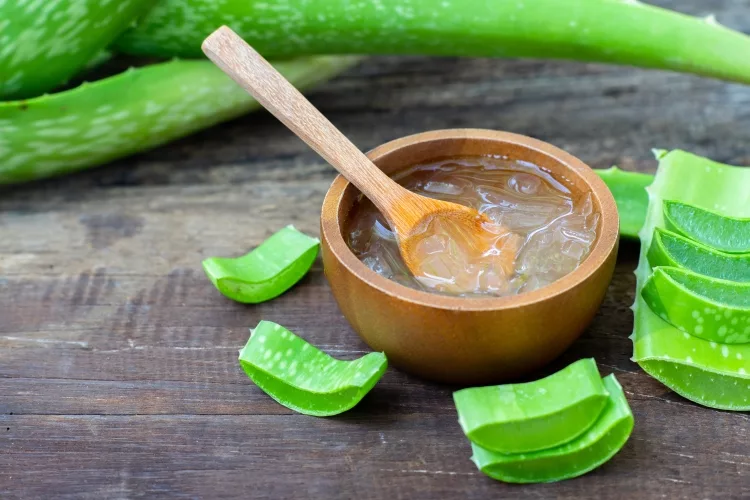
Aloe Vera (Aloe barbadensis miller) — Unmatched for topical burn and wound care. The gel inside mature outer leaves is active immediately after harvest, requiring no processing.
Parsley (Petroselinum crispum) — Rich in vitamins C and K; supports kidney health and acts as a mild diuretic. A biennial often grown as an annual for continuous fresh yield.
Oregano (Origanum vulgare) — High in carvacrol, a compound with documented antimicrobial properties. Culinary use delivers the same active compounds as medicinal preparations.
Marjoram (Origanum majorana) — Closely related to oregano, with a milder flavor and strong digestive benefits. Particularly effective as a tea for bloating and indigestion.
Basil (Ocimum basilicum) — Anti-inflammatory and rich in eugenol. Thrives in warm, sunny conditions and produces abundantly from midsummer through first frost.
Tulsi / Holy Basil (Ocimum tenuiflorum) — A revered adaptogen in Ayurvedic tradition. Manages cortisol, supports immunity, and carries a distinctive clove-like aroma. The detailed Krishna Tulsi plant care guide covers variety-specific growing advice for this species.
Echinacea
Growers dealing with chronic headaches will find additional options in the guide to indoor plants that help with headaches — several of which overlap with this list and are well-suited to compact indoor spaces.
Quick Reference: All 10 Plants at a Glance
Plant
Primary Therapeutic Use
Sunlight
Water Needs
Growing Difficulty
Ginkgo
Cognitive support, circulation
Full sun
Moderate
Moderate
Echinacea
Immune modulation
Full sun
Low–Moderate
Easy
Turmeric
Anti-inflammatory
Partial shade
Moderate
Moderate
Lavender
Anxiety, sleep support
Full sun
Low
Easy
Aloe Vera
Skin healing, burns
Indirect / full sun
Very low
Easy
Parsley
Kidney support, vitamins
Full sun to partial
Moderate
Easy
Oregano
Antimicrobial
Full sun
Low
Easy
Marjoram
Digestive support
Full sun
Low–Moderate
Easy
Basil
Anti-inflammatory, adaptogen
Full sun
Moderate
Easy
Tulsi (Holy Basil)
Stress relief, immune support
Full sun
Moderate
Moderate
How to Grow Medicinal Plants at Home: A Practical Setup Guide
10 Medicinal & Herbal Plants to Grow at Home
The setup phase determines long-term success more than any other variable. Mediocre soil, wrong container size, or poor light placement will undermine even the most resilient herbs. Getting these fundamentals right before planting a single seed saves substantial time and money in the seasons that follow.
Choosing the Right Growing Environment
Indoor setups: South- or west-facing windows provide the most daily light hours. Supplement with a grow light (2,000–5,000 lux) during winter months for heat-loving plants like turmeric and basil.
Outdoor containers: Use pots with adequate drainage holes — no exceptions. Terra cotta is ideal for Mediterranean herbs (lavender, oregano, marjoram) that prefer drier conditions between waterings.
Raised beds: Excellent for echinacea and parsley. Raised beds warm faster in spring and allow more extensive root development than standard ground planting in compacted soils.
Hydroponics: Basil, parsley, and tulsi adapt well to soil-free systems. The hydroponics herb garden guide covers setup options and nutrient management for home growers in practical detail.
Step-by-Step: From Seed to First Harvest
Test soil pH before planting. Most medicinal herbs prefer a pH of 6.0–7.0. The guide to testing soil pH explains both digital meter and chemical test kit methods clearly.
Select seeds or transplants strategically. Transplants speed the process for slow germinators like echinacea and ginkgo. Seeds work well for fast starters like basil, parsley, and marjoram.
Plant at the correct depth. Most herb seeds go no deeper than twice their diameter. Turmeric rhizomes are planted 5–7 cm deep with a bud node facing upward.
Water correctly from day one. Overwatering is the top killer of containerized herbs. Water thoroughly, then allow the top inch of soil to dry before watering again. The complete guide to watering plants and herbs covers frequency by species and season.
Label every container immediately. Basil and tulsi are nearly identical as seedlings. Mislabeling creates compounding confusion over the growing season.
Thin seedlings early. Overcrowded seedlings compete for nutrients and airflow. Thin to the strongest plant per pot once the first true leaves appear — this is not optional for optimal yield.
Begin harvesting once plants reach one-third of mature size. Earlier harvesting stunts root development; delayed harvesting reduces potency as plants shift energy toward seed production.
Turmeric Powder
Honest Pros and Cons of a Home Medicinal Herb Garden
Growing medicinal plants at home carries genuine advantages — but also real constraints that commercial herb suppliers have already solved at scale. Growers who enter this practice with clear expectations are far more likely to maintain it across multiple seasons rather than abandoning it after the first difficult summer.
Advantages Worth Knowing
Zero pesticide exposure: Home-grown herbs avoid the pesticide residues commonly found on commercially dried herbs, particularly imports.
Fresh availability year-round with minimal infrastructure, especially for indoor growers with adequate light.
Significantly higher potency in fresh-harvested material compared to commercially dried equivalents, which often sit in supply chains for months.
Cost savings accumulate over time, particularly for herbs used frequently — basil, parsley, and lavender pay for their containers within a single season.
Dual-use value: culinary and medicinal applications from the same plant reduce overall garden footprint and eliminate redundancy.
Therapeutic extraction is accessible at home without specialized equipment — the introduction to making herbal extracts and tinctures explains practical processing techniques for most of the plants on this list.
Limitations to Accept Upfront
Ginkgo requires years to reach harvestable size — impractical for immediate therapeutic use, though worth planting as a long-term garden specimen.
Turmeric and other tropical species demand specific temperature ranges; cold climates require supplemental heat or careful indoor overwintering.
Home-grown herbs cannot guarantee standardized concentrations of active compounds the way pharmaceutical-grade extracts do. The variability is real.
Space constraints limit how many species can be grown simultaneously at meaningful, usable quantities.
Pest pressure — particularly aphids on basil and tulsi, and spider mites on lavender — requires consistent monitoring without access to commercial-grade controls.
Lavender
Best Practices for Long-Term Herb Garden Success
The difference between a productive medicinal herb garden and an abandoned one typically comes down to a handful of sustainable habits established early. These are not complicated — but they are consistent. Half-measures do not translate to half-results; they usually translate to failure.
Harvesting and Processing
Harvest in the morning after dew has dried. Essential oil concentration peaks at this time for lavender, oregano, and marjoram — afternoon harvesting yields measurably less potent material.
Never remove more than one-third of a plant at one time. This threshold ensures rapid regrowth without stressing the root system or triggering bolting.
Dry small-leaved Mediterranean herbs by hanging in bundles in a warm, dark, well-ventilated space. Any retained moisture during drying leads to mold and complete yield loss.
Store dried herbs in sealed glass jars away from direct light. Potency degrades significantly after twelve months regardless of storage quality — rotate stock accordingly.
Freeze fresh aloe vera gel in ice cube trays for convenient topical use year-round without refrigerating entire leaves.
For tulsi and basil, pinch flower buds as they appear. Allowing flowering directs the plant's energy away from leaf production and substantially reduces the growing season.
Soil Health and Feeding
Amend container soil annually. Potting mix degrades structurally and nutritionally over time, compacting around root zones and reducing drainage capacity.
Use a balanced, low-nitrogen fertilizer for Mediterranean herbs. High-nitrogen inputs push leafy growth at the expense of essential oil production — the precise opposite of what medicinal growers want from lavender, oregano, and marjoram.
Mulch outdoor beds with straw or wood chips to retain moisture and suppress weeds competing with echinacea and lavender root zones.
Companion planting improves overall garden health: basil repels certain pest insects from adjacent beds, while lavender and oregano attract the pollinators that benefit every plant in the space.
Aloe Vera
Starting Costs and Budget Breakdown
A functional medicinal herb garden does not require significant upfront spending. Most of the cost is front-loaded in containers and soil; ongoing annual expenses drop sharply after the first season as perennial species self-sustain and annual seeds can be saved from harvest. Understanding the true cost structure prevents both underspending (which leads to poor setup) and overspending on unnecessary equipment.
Initial Investment
Seeds or transplants: $2–$5 per species from seed; $4–$12 per transplant. Purchasing seeds for fast-germinating species (basil, parsley, oregano) and transplants for slow starters (echinacea, lavender) represents the most cost-efficient approach.
Containers: $5–$20 per pot depending on size and material. Terra cotta at the $8–$12 range delivers the best drainage and breathability for most herbs on this list.
Potting mix: $15–$25 for a 40-liter bag of quality herb-specific mix. Cheap universal potting mixes retain too much moisture and consistently cause root rot in Mediterranean herbs.
Grow light (optional): $25–$80 for a basic LED panel sufficient for a 4–6 plant indoor setup. Essential for turmeric and basil in climates with fewer than 6 hours of winter sun.
pH meter: $10–$30 for a reliable digital meter. A one-time purchase that protects every future season's planting decisions.
Estimated total startup cost for all ten species: $80–$200, depending on sourcing decisions and whether a grow light is included in the initial setup.
Parsley
Ongoing Annual Costs
Soil top-dressing or partial replacement: $10–$20 per year for container-grown plants.
Fertilizer: $5–$15 per year for slow-release granules applied at the start of each growing season.
Seed replacement (annuals only — basil, parsley, marjoram): $5–$15 per year. Perennials like echinacea, lavender, and ginkgo require no annual repurchase once established.
Total ongoing cost: typically under $50 per year once the garden is established, making this one of the lowest-cost supplemental health investments available to home gardeners.
Oregano
Critical Mistakes That Sabotage Medicinal Herb Gardens
Most failed herb gardens share the same handful of avoidable errors. The frustrating part is that none of them require expert knowledge to prevent — they simply require awareness. Knowing them before they happen is the most efficient form of troubleshooting available to any home grower.
Watering and Drainage Errors
Overwatering kills more containerized herbs than any other cause. Lavender, oregano, and marjoram actively prefer dry-out periods between waterings. Consistently moist soil triggers root rot within days in these species — the damage is often irreversible before visible symptoms appear.
Using pot saucers without emptying them after rainfall or watering creates standing water beneath the container, replicating the effect of poor drainage even in otherwise well-draining pots.
Inconsistent watering for moisture-sensitive plants like basil and tulsi causes leaf drop, premature bolting, and significantly reduced medicinal yield across the season.
Using tap water high in chlorine without allowing it to off-gas overnight stresses sensitive seedlings, particularly echinacea and turmeric during their first weeks of growth.
Marjoram
Harvesting at the Wrong Time
Harvesting echinacea root before the plant has completed at least two full growing seasons yields minimal active compound concentration. The patience required here is non-negotiable.
Allowing lavender or oregano to reach full flower before harvest reduces the essential oil content remaining in leaves and stems — harvest just as the first buds show color, before full bloom.
Cutting basil stems too low removes the lateral growth nodes needed for regrowth. Always cut just above a leaf node pair to preserve the plant's ability to regenerate quickly.
Harvesting aloe leaves from the center rosette rather than the outer perimeter stunts the plant's capacity to regenerate productive leaves in future weeks.
Harvesting turmeric rhizomes before full die-back of the aerial plant in autumn yields immature rhizomes with substantially lower curcumin content than fully cured ones.
Basil
Key Takeaways
Growing medicinal plants to grow at home is achievable on a budget under $200 for a full ten-species setup, with ongoing annual costs typically falling below $50 once perennials are established.
The ten plants covered — ginkgo, echinacea, turmeric, lavender, aloe vera, parsley, oregano, marjoram, basil, and tulsi — collectively address immune support, skin healing, digestion, stress relief, and anti-inflammatory needs without overlap.
Harvesting technique and timing determine medicinal potency more than any other variable; most growers lose yield not to pests or disease but to incorrect harvest practices applied season after season.
Soil pH, drainage, and light placement are the three foundational variables that determine whether a medicinal herb garden thrives or stagnates — establishing all three correctly before planting prevents the majority of common failures.
Christina Lopez grew up in the scenic city of Mountain View, California. For eighteen ascetic years, she refrained from eating meat until she discovered the exquisite delicacy of chicken thighs. Christina is a city finalist competitive pingpong player, an ocean diver, and an ex-pat in England and Japan. Currently, she is a computer science doctoral student. Christina writes late at night; most of her daytime is spent enchanting her magical herb garden.




 rinjal