Are certain garden staples secretly harboring toxic compounds? Most people are surprised to discover that the answer is yes — and that many of the most common plants that contain cyanide are found in everyday kitchens and backyard gardens worldwide. Our team at Trinjal has compiled this comprehensive guide, available through our plants and herbs farming section, to help gardeners and growers understand which species carry cyanogenic glycosides, why these compounds exist, and how proper preparation renders most of them entirely safe to consume.
Plants contain cyanide
Cyanide in plants is not an accident of chemistry. It is an evolutionary defense mechanism refined over millions of years. Cyanogenic glycosides, the precursor compounds responsible for cyanide release, are stored safely in plant tissue and only liberate hydrogen cyanide when the plant is damaged, chewed, or improperly processed. Understanding this mechanism is the first and most important step toward growing and consuming these plants without incident.
Our team notes that concern around cyanide-bearing plants is frequently overstated in popular discourse. When gardeners and cooks follow straightforward preparation guidelines, risk drops to negligible levels. The five species examined in this guide represent the most commonly encountered examples in South Asian and global gardens alike — ranging from essential food crops to familiar orchard fruits.
Plants that contain cyanide do not store free hydrogen cyanide in their tissues under normal conditions. Instead, they produce cyanogenic glycosides — stable chemical compounds that release hydrogen cyanide (HCN) only when enzymatic breakdown occurs, typically triggered by physical damage, chewing, or incorrect cooking. According to Wikipedia's overview of cyanogenic glycosides, more than 2,500 plant species have been identified as cyanogenic, spanning food crops, ornamentals, and wild species across every inhabited continent.
How the Compound Works
The mechanism is elegant in its simplicity and formidable in its effect:
Cyanogenic glycosides are stored in plant vacuoles, physically separated from the enzymes — primarily beta-glucosidases — that would otherwise break them down.
When plant tissue is crushed, chewed, or cut, cell walls rupture and the glycoside contacts its enzyme.
The resulting reaction releases hydrogen cyanide gas, a sugar molecule, and a carbonyl compound.
Heat, prolonged soaking, fermentation, and drainage all disrupt this reaction at different stages and with varying degrees of effectiveness.
The speed and completeness of HCN release depends heavily on the specific glycoside involved, the processing method applied, and environmental conditions such as temperature and pH.
This evolutionary strategy deters insects, herbivores, and fungal pathogens with remarkable efficiency. Our team finds it a compelling example of plant biochemistry in action — one that also appears in species producing defensive alkaloids and stimulants. Readers interested in other notable compounds produced by garden plants may find our article on plants that contain caffeine an equally informative companion read.
Dosage and Danger Thresholds
Toxicity depends entirely on quantity consumed, processing method used, and the individual's body weight and health status. General thresholds most researchers reference include:
Lethal dose for adults: approximately 0.5–3.5 mg HCN per kilogram of body weight, varying by exposure route and metabolic condition.
Cassava (bitter varieties): raw root can contain 200–300 mg HCN equivalent per kilogram of fresh tissue — sufficient to pose serious risk if consumed in quantity without processing.
Apple seeds: contain roughly 1–4 mg amygdalin per seed, a quantity that poses negligible risk in typical incidental ingestion.
Lima / butter beans: commercially sold varieties in regulated markets are bred to stay below 200 mg HCN per kilogram; traditional varieties from certain regions may exceed 1,000 mg/kg.
Stone fruit kernels (peach, cherry): a single peach kernel can contain up to 89 mg amygdalin — well above safe thresholds if consumed deliberately.
Safety note: The primary danger from cyanide-containing plants arises almost exclusively from consuming large quantities of raw, unprocessed material — a scenario that proper cultivation knowledge and standard cooking practices almost entirely eliminate.
Five Plants That Contain Cyanide: A Comparative Overview
The following five species represent the most frequently encountered plants that contain cyanide in both domestic gardens and small-scale agricultural settings. Our team has arranged these in order of practical relevance to home gardeners, from highest general risk to lowest.
Plant
Cyanide-Bearing Part
Primary Compound
Max HCN Concentration
Risk Level (raw)
Rendered Safe By
Cassava
Root, leaves
Linamarin
Up to 300 mg/kg (bitter variety)
High (bitter); Low (sweet)
Soaking, pressing, thorough cooking, fermentation
Butter Beans (Lima)
Whole raw bean
Linamarin
Up to 1,000 mg/kg (traditional wild varieties)
Moderate–High (wild); Low (commercial)
Soaking, vigorous boiling, discarding water
Peaches / Nectarines
Kernel inside pit
Amygdalin
~89 mg per kernel
Moderate (if kernel consumed)
Discard pit and kernel entirely
Cherries
Kernel inside pit
Amygdalin
~3–17 mg per pit kernel
Low–Moderate (if pit cracked)
Discard pits; never crack open
Apple
Seeds only
Amygdalin
~1–4 mg per seed
Very low (incidental ingestion)
Avoid crushing or grinding seeds
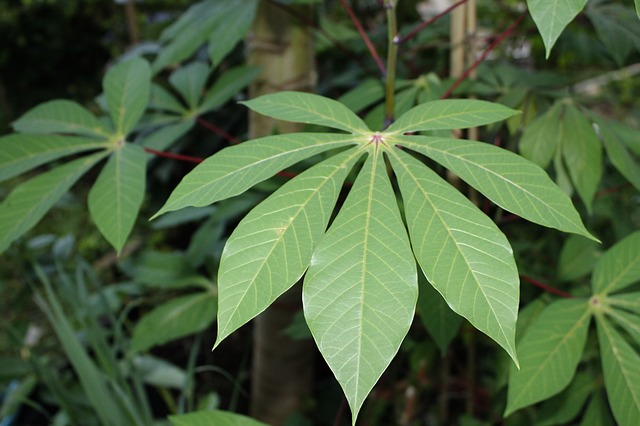
Cassava
Cyanide In Cassava
Cassava (Manihot esculenta) is arguably the most significant cyanide-containing plant in global agriculture. It serves as a dietary staple for hundreds of millions of people across Africa, Asia, and Latin America. Two distinct categories exist, and the distinction is critical:
Sweet cassava: low cyanogenic content, generally safe after brief cooking without elaborate processing.
Bitter cassava: high linamarin concentration in both root and leaves; requires extended soaking, grating, pressing, and full cooking before it is safe to consume.
Our team notes that cassava is particularly valuable for anyone exploring productive food gardening, as its starch yield per hectare rivals or surpasses many staple crops under tropical conditions. However, that productivity advantage comes with an absolute requirement: processing knowledge must accompany cultivation.
Apple Seeds
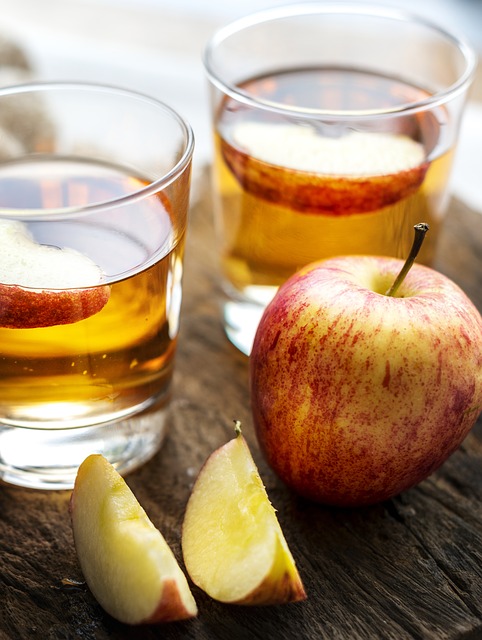
Apple Cider Vinegar
Apple seeds (Malus domestica) contain amygdalin concentrated in the seed kernel. The concentration per individual seed is relatively low, and most individuals who inadvertently swallow one or two intact seeds face negligible risk — the hard seed coat prevents enzymatic activation in most cases. However, deliberately crushing or grinding significant quantities of seeds elevates exposure substantially.
Apple flesh and skin carry no cyanogenic compounds whatsoever.
Apple cider and apple juice made from whole pressed apples contain only trace, toxicologically insignificant amygdalin levels.
Our team recommends treating apple seeds as a non-food component regardless of quantity — not because individual seeds are dangerous, but because there is no benefit that justifies any level of exposure.
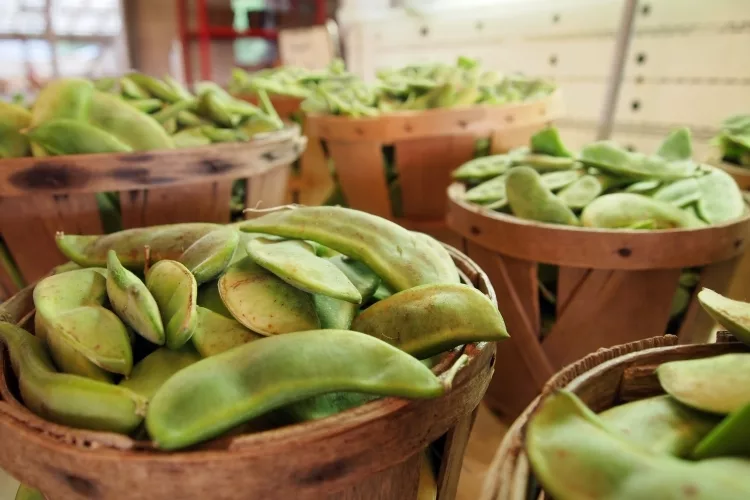
Butter Beans
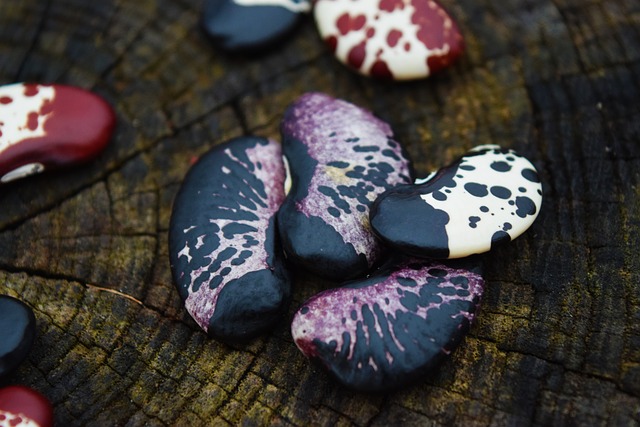
Butter Beans Cyanide
Butter beans (also known as lima beans, Phaseolus lunatus) are among the most widely cultivated legumes that produce linamarin. The degree of cyanogenic content varies dramatically by variety and geographic origin. Commercial varieties sold in regulated markets are selectively bred for low cyanogen content, but traditional varieties from certain South American and African regions may carry concentrations many times higher than their commercial counterparts.
Raw butter beans of any variety should never be consumed without cooking — this is non-negotiable.
Boiling in ample fresh water and discarding that water removes the majority of cyanogenic compounds effectively.
Slow cooking at low temperatures without a prior vigorous boil does not reliably neutralize linamarin and should be avoided as a standalone preparation method.
Cherries
Cherries
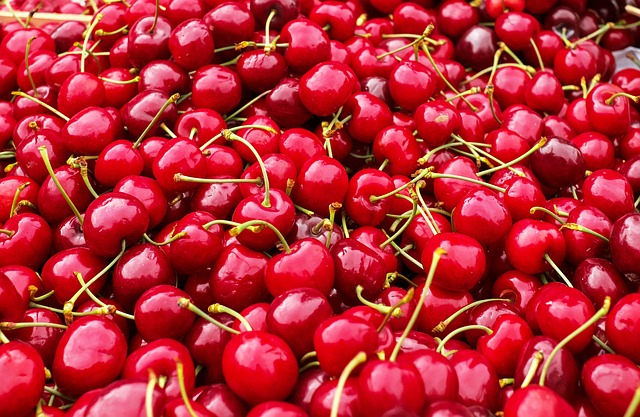
Cherry pits contain amygdalin concentrated within the kernel inside the hard outer stone. The flesh of the cherry itself is entirely free of cyanogenic compounds and is safe in any quantity. The risk arises exclusively when the pit is cracked open and the inner kernel chewed or ground. Our team notes that cherry pits used in jam production or liqueur infusion — where the outer stone remains fully intact — pose no meaningful HCN risk, as amygdalin does not dissolve through an unbroken shell in standard preparation timescales.
Peaches and Nectarines
Peaches
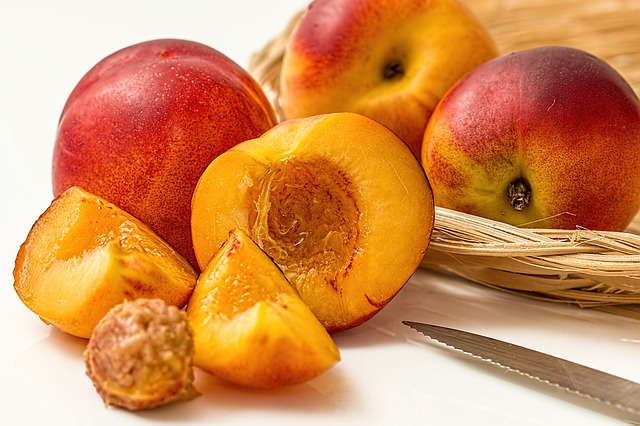
Peaches (Prunus persica) and nectarines share the same cyanogenic chemistry as cherries, but with higher amygdalin concentration in their pit kernels. Some folk-remedy traditions have advocated consuming these bitter inner kernels for purported health benefits. Our team's position aligns with established food safety consensus: a single peach pit kernel can contain up to 89 mg of amygdalin, a quantity that exceeds safe thresholds for most adults and should be avoided entirely, regardless of claimed benefits.
How to Safely Prepare and Handle These Plants
Safe consumption of plants that contain cyanide depends on consistent application of well-tested preparation techniques. Our team outlines the most reliable methods for each category below.
Cassava Preparation Steps
Cassava requires the most rigorous processing of any commonly grown food plant in this group. For bitter varieties especially, each step below is essential:
Peel thoroughly — the outer skin and the sub-skin layer carry the highest concentration of linamarin. Remove both generously.
Grate or slice finely — increased surface area accelerates cyanide breakdown during the soaking phase.
Soak in water — submerge grated or sliced cassava for a minimum of 24–48 hours, changing the water at least twice. This step alone removes 50–70% of cyanogenic glycosides from bitter varieties under controlled conditions.
Press or drain completely — squeeze out remaining liquid before cooking; the expressed liquid carries dissolved cyanogenic compounds and should be discarded.
Cook at full temperature — boiling, roasting, or frying at high heat destroys residual HCN. Partial or low-temperature cooking is insufficient.
Ferment when possible — traditional fermentation methods used in gari or fufu production represent the most complete detoxification pathway available, reducing HCN content to near-zero in properly fermented products.
Legume and Stone Fruit Preparation
For butter beans and related cyanogenic legumes, the preparation sequence is straightforward:
Soak dried beans in cold water for at least 8–12 hours before any cooking begins.
Discard soaking water completely — it must not be used as cooking stock.
Boil vigorously for a minimum of 10 minutes in fresh water before reducing to a simmer for full cooking.
Ensure kitchen ventilation during boiling; HCN released as steam dissipates rapidly in open air but should not concentrate in enclosed spaces.
For stone fruits (cherries, peaches, nectarines) and apple seeds:
Consume only the fruit flesh; collect and discard pits without cracking them open.
For preserves using whole unpitted fruit, limit infusion times and avoid any process that would crack or score the pit.
Discard any pits found cracked or split during harvest or processing — do not attempt to salvage or use them.
Risks and Protective Benefits: An Honest Assessment
The conversation around plants that contain cyanide is often polarized — either dismissed as entirely irrelevant or treated with unnecessary alarm. Our team presents a balanced view informed by documented research.
Documented Risks
Acute poisoning is possible when large quantities of raw, unprocessed bitter cassava are consumed — documented primarily in food-insecure regions where processing steps are skipped out of necessity.
Konzo, an irreversible paralytic neurological disease, is directly linked to prolonged dietary reliance on insufficiently processed cassava in equatorial Africa — a serious public health concern in affected regions.
Subacute toxicity from repeated small exposures may accumulate over time, particularly where diets lack sulfur-containing amino acids that the body uses to detoxify low-level HCN.
Children face proportionally higher risk than adults due to lower body weight relative to equivalent food quantities consumed.
Individuals with compromised kidney or liver function may process HCN more slowly, increasing sensitivity to lower exposures.
Potential Protective Properties
Research into cyanogenic glycosides has uncovered properties that remain subjects of ongoing scientific inquiry:
Amygdalin has been studied in various therapeutic contexts, though no regulatory body in any major jurisdiction has approved it for medical use based on current evidence.
The cyanogenic chemistry that protects plants from pests may contribute to reduced insect pressure in mixed plantings — a phenomenon our team has observed anecdotally when cassava is grown alongside susceptible crops.
Properly processed cassava is nutritionally dense, providing resistant starch and dietary fiber that support digestive health when it forms part of a balanced diet.
Our team also finds it instructive to consider how plants more broadly interact with their chemical environment. Anyone interested in plant-based compounds and their effects may appreciate our guide on plants that absorb harmful radiation, which explores another dimension of how plants mediate their chemical surroundings.
Troubleshooting Common Growth and Safety Issues
Growing cyanide-containing plants raises practical questions that our team has encountered repeatedly across gardening consultations. Below are the most common concerns and our recommended responses.
Cassava-Specific Concerns
Problem: Root tastes excessively bitter even after boiling. Solution: The soaking period was insufficient or the water was not changed. Restart with a full 36–48 hour soak, change the water twice, press thoroughly, then cook again in fresh water.
Problem: Difficulty distinguishing sweet from bitter cassava varieties at the point of purchase. Solution: Request explicit variety identification from the supplier before purchase. Bitter varieties typically exhibit a more pronounced pungent smell when freshly cut raw — sweet varieties have a comparatively neutral, starchy scent.
Problem: Cassava leaves turn yellow and drop prematurely. Solution: Leaf yellowing is generally unrelated to cyanide content and most commonly signals nitrogen deficiency, waterlogging, or pest damage. Consult resources on common vegetable plant diseases for further diagnostic guidance.
Problem: Livestock grazing near cassava plants. Solution: Fence cassava plots to prevent animal access. Cattle, goats, and small animals are susceptible to HCN toxicity from raw cassava foliage at doses lower than those affecting humans.
Bean and Stone Fruit Concerns
Problem: Cooking water from butter beans has an unusual sulfurous smell. Solution: This is expected — the odor indicates that cyanogenic compounds are volatilizing during boiling. Ensure adequate kitchen ventilation and always discard the cooking water without exception.
Problem: Children have access to stone fruit trees in the garden. Solution: Establish clear garden rules that pits must never be cracked open or chewed. Place signage near cherry, peach, and nectarine trees if young children frequent the space regularly.
Problem: Uncertainty about cyanogen content in locally purchased butter beans. Solution: In most regulated markets, commercially sold dried butter beans comply with established maximum cyanogen limits. Standard soaking and boiling remain advisable regardless of assumed variety, as a consistent safety practice that adds no meaningful cost or effort.
When These Plants Are Safe — and When They Are Not
A clear framework assists gardeners and cooks in making well-informed decisions about incorporating these species into daily practice.
Conditions That Make Consumption Safe
Cassava has been peeled, soaked for the full recommended period, pressed, and thoroughly cooked at high temperature.
Butter beans have been soaked in cold water, boiled vigorously in fresh water, and the cooking water has been discarded before the final preparation step.
Only the flesh of stone fruits (cherries, peaches, nectarines) is consumed; pits are collected and discarded whole and intact.
Apple seeds are swallowed incidentally and intact — not deliberately chewed, ground, or consumed in volume.
All processing occurs in well-ventilated environments where any released HCN gas can dissipate freely into ambient air.
Situations to Avoid Entirely
Never consume raw bitter cassava in any form — even a moderate portion can produce HCN levels sufficient to cause serious harm in adults and potentially lethal exposure in children.
Avoid slow-cooking butter beans without a prior vigorous boil — sustained low heat does not reliably neutralize linamarin and may paradoxically accelerate enzymatic activity in some conditions.
Do not crack stone fruit pits to access the inner kernel under any circumstances, regardless of folk-remedy claims about the bitter kernel's purported benefits.
Avoid feeding raw or improperly processed cassava to livestock, particularly poultry and small animals whose lower body weight makes them disproportionately vulnerable.
Pregnant individuals and young children should be especially cautious around all plants in this group — safe thresholds are proportionally lower, and the consequences of overexposure are more severe.
Cultivation Tips for Responsible Gardeners
Our team has gathered practical guidance specifically for those growing any of these five species in home or small commercial garden settings. Responsible cultivation and responsible consumption are equally important parts of the equation.
Growing Best Practices
When selecting cassava varieties for home cultivation, choose labeled sweet varieties from reputable nurseries or agricultural supply sources. Purchasing planting stakes from established suppliers significantly reduces the risk of inadvertently establishing a high-cyanogen bitter variety in a home garden.
Label all cassava plots and storage areas clearly with variety name and planting date — confusion between sweet and bitter cassava at harvest can have serious consequences.
Grow butter beans in well-drained soil with consistent moisture. Severe water stress does not meaningfully increase cyanogen content in commercial varieties, but it does reduce yield and bean quality — two equally important concerns.
Plant stone fruit trees (cherries, peaches, nectarines) in locations where fallen fruit can be collected and processed promptly. Rotting fruit with cracked or split pits on the ground represents a low but unnecessary exposure pathway, particularly for garden animals and foraging wildlife.
Maintain good records of which varieties are grown in each plot. This is standard good practice for any food garden and becomes especially relevant when growing species with variable cyanogenic content.
Storage and Labeling
Store processed cassava products — flour, starch, or cooked root — separately from raw, unprocessed material at all times to prevent any cross-contamination or confusion at the point of use.
Label all home-dried or fermented cassava products with the variety name, processing method used, and processing date. This information is critical for anyone other than the primary grower who may later access the stored product.
Dried butter beans retain their full cyanogen content until cooked and must be stored in clearly labeled, sealed containers, positioned out of reach of children and away from ready-to-eat foods.
When harvesting stone fruit for jams, preserves, or infused beverages, establish a consistent pit-collection workflow during processing to ensure pits are disposed of rather than left loose in the preparation area.
Our team recommends reviewing storage setups seasonally, particularly at harvest time, when large quantities of raw material are temporarily on hand and household traffic through the kitchen or storage area is elevated.
Key Takeaways
Plants that contain cyanide are widespread in common gardens and food systems, but established preparation and cooking methods eliminate virtually all meaningful risk for healthy adults following standard guidelines.
Cassava poses the most significant practical concern among home-grown cyanide-containing species; extended soaking, pressing, and full-temperature cooking are non-negotiable steps for bitter varieties and should not be abbreviated.
Stone fruit pits (cherries, peaches, nectarines) and apple seeds carry amygdalin, but risk remains negligible when only the fruit flesh is consumed and pits are discarded intact without cracking.
Responsible cultivation — including correct variety selection, clear storage labeling, and consistent adherence to preparation protocols — allows gardeners to grow these plants safely and productively within any well-managed home garden.
Christina Lopez grew up in the scenic city of Mountain View, California. For eighteen ascetic years, she refrained from eating meat until she discovered the exquisite delicacy of chicken thighs. Christina is a city finalist competitive pingpong player, an ocean diver, and an ex-pat in England and Japan. Currently, she is a computer science doctoral student. Christina writes late at night; most of her daytime is spent enchanting her magical herb garden.


 rinjal