My first papaya tree went in the ground on a whim. No research, no plan — just a few seeds pressed into a pot of garden soil. Eight months later I was giving away bags of fruit to everyone in my building. If you've been assuming that easy tropical fruit trees to grow are out of reach for the average home gardener, this guide is going to change that thinking completely. These trees are not exotic mysteries reserved for professional orchardists — many of them are forgiving, fast-fruiting, and perfectly suited to backyard gardens, rooftop setups, and even large containers. Explore our full plants, herbs, and farming section for more guides on growing food at home.
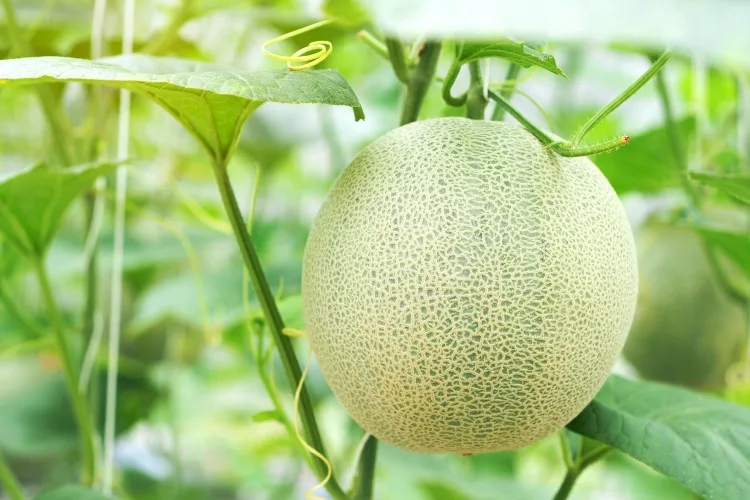
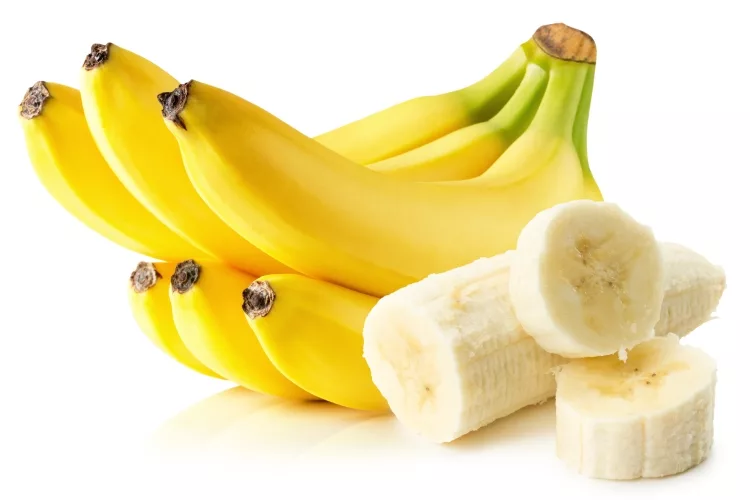
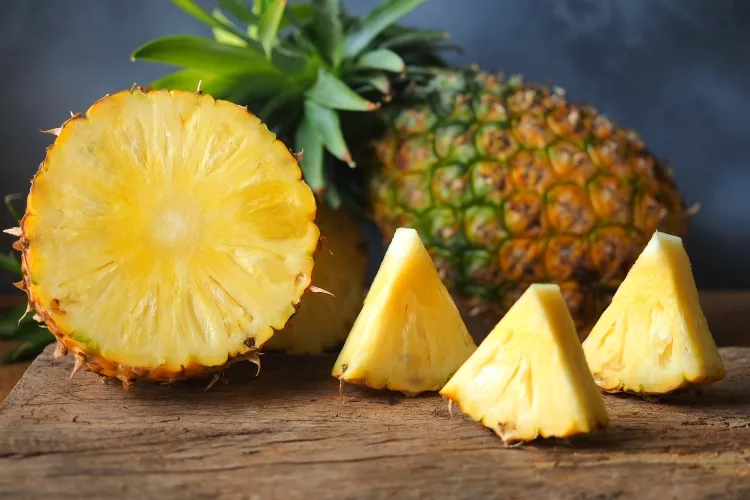
Tropical fruits.
The key is knowing which tree matches your space, climate, and experience level. Plant the wrong tree in the wrong spot and you'll spend years frustrated with no fruit to show for it. Plant the right one and you'll be harvesting within a year. This guide walks you through ten of the best options, broken down honestly so you can make a confident choice before you ever visit a nursery.
From papayas that fruit in under a year to jackfruits that feed an entire neighborhood, there's something on this list for every kind of gardener. Let's dig in.
Why Tropical Fruit Trees Deserve a Spot in Your Garden
Tropical fruit trees have fed communities across Asia, Africa, and Central America for thousands of years. According to Wikipedia's overview of tropical fruits, many of these species originated in humid equatorial regions but have proven remarkably adaptable — thriving today in subtropical climates, Mediterranean zones, and even temperate areas with mild winters when grown in containers.
What makes them so compelling for home gardeners right now is a combination of factors:
Nutritional density — Papayas and mangoes are among the most nutrient-rich fruits available, packed with vitamins A and C, folate, and powerful antioxidants.
Multiple harvests per year — Once established, most tropical fruit trees don't fruit once and stop. Guava, banana, papaya, and dragon fruit produce repeatedly through the growing season.
Low input after establishment — The first one to two years require more attention. After that, mature tropical trees are surprisingly self-sufficient.
Dual-purpose value — These trees provide canopy shade, attract bees and butterflies, and make your garden more visually interesting — all while producing food.
Accessible for small spaces — Dwarf varieties and container-suitable species mean you don't need a large plot. A sunny terrace or balcony is often enough.
Beyond home consumption, some of these trees also carry serious commercial potential. If you're curious about which trees generate income at scale, this guide on 20 profitable trees for farming in India covers several tropical fruit species in detail.
The shift toward home food production has made tropical fruit trees more popular than ever. Nurseries now stock dwarf and grafted varieties that weren't available a decade ago. The learning curve has never been lower.
10 Tropical Fruit Trees Easy to Grow
10 Easy Tropical Fruit Trees to Grow at a Glance
Before you commit to a tree, it helps to see the landscape. These ten species represent the best easy tropical fruit trees to grow across a range of climates, spaces, and experience levels. Some will fruit in under a year. Some take the better part of a decade. Understanding this upfront saves you enormous frustration.
Side-by-Side Comparison Table
Tree
Difficulty
Space Needed
Time to First Fruit
Container Friendly?
Minimum Temperature
Papaya
Very Easy
Small
6–12 months
Yes (large pot)
10°C
Banana
Very Easy
Medium
9–15 months
Yes (dwarf varieties)
10°C
Dragon Fruit
Very Easy
Small
1–2 years
Yes
5°C
Fig
Easy
Small–Medium
1–2 years
Yes
−10°C (dormant)
Guava
Easy
Small–Medium
2–4 years
Yes
3°C
Lemon / Lime
Easy
Small
1–3 years (grafted)
Yes
2°C
Starfruit
Easy–Moderate
Medium
3–5 years
Yes
10°C
Mango
Moderate
Large (or dwarf)
3–5 years (grafted)
Yes (dwarf)
10°C
Avocado
Moderate
Large
3–4 years (grafted)
Yes (grafted)
2°C
Jackfruit
Moderate
Large
3–8 years
No
12°C
Use this table as your first filter. Match trees to your current setup — space, temperature, and patience level. Then read the detailed breakdown below before making your final choice.
Beginner Trees vs. Trees for Experienced Growers
One of the most avoidable mistakes in home gardening is starting with a tree that demands more than your current skill level allows. You don't need to master everything at once. Choose trees that match where you are right now, build confidence, and level up from there.
Start With These If You're New
These five species are the most forgiving easy tropical fruit trees to grow for anyone at the beginning of their journey. They reward basic care, tolerate occasional neglect, and produce results quickly enough to keep you motivated.
Papaya — Technically a large herbaceous plant, not a true tree — but it fruits like one. Start seeds directly in a pot of well-draining soil. You'll see fruit within six to twelve months. It handles short dry spells without drama and grows fast enough to show progress week by week.
Banana — Plant a sucker (a shoot growing from the base of a mature plant) and water consistently. Dwarf Cavendish and Grand Naine varieties are bred for small spaces and containers. One plant becomes a clump over time, ensuring continuous production as new suckers replace harvested stems.
Dragon Fruit — A climbing cactus that needs a trellis or post for support. Plant cuttings in sandy, fast-draining soil. It roots easily and starts fruiting within one to two years. Night-blooming flowers are spectacular. Almost nothing kills it except waterlogged roots.
Fig — Drought-tolerant once established. Grows happily in containers. Bears fruit twice a year in warm climates — once in early summer, once in autumn. Very few pest or disease problems compared to other fruit trees. Grows well even with minimal fertilizing.
Lemon and Lime — Buy grafted trees, not seedlings grown from store-bought seeds. Grafted citrus fruits in one to three years and tells you clearly what it needs: yellowing leaves signal iron deficiency, leaf curl signals water stress. Easy to read, easy to fix.
Always buy grafted saplings over seed-grown trees — grafted plants fruit years sooner, are true-to-type, and come from proven rootstocks that resist soil-borne diseases.
Ready for a Bigger Challenge?
These trees are absolutely worth growing — but they ask more of you. They need larger spaces, more specific soil conditions, longer waiting periods, or more precise care during establishment.
Mango — The king of tropical fruit and worth every bit of effort. Full-size trees get large, but grafted dwarf varieties like Mallika, Alphonso, or Irwin are purpose-built for home gardens. Needs a distinct dry period in winter to trigger flowering. Without that dry spell, many trees just grow leaves.
Avocado — Growing from a pit is a fun kitchen project, but you'll wait seven to ten years for fruit and may never get any. Buy a grafted tree. Most avocado varieties need cross-pollination from a different flowering-type tree nearby. Also sensitive to frost, salt, and waterlogging.
Jackfruit — Grows into a large tree producing fruits that can weigh 20–35 kg each. Not suitable for containers. Needs deep, well-draining soil, consistent moisture during the first two years, and genuine long-term commitment. The reward — sweet, meaty fruit — is extraordinary.
Starfruit (Carambola) — A beautiful tree with waxy, crisp fruit. It's not difficult exactly, but it's slower than papaya or fig and more sensitive to cold. Plant in a sheltered spot and give it consistent water through fruiting season.
How to Keep Your Tropical Fruit Trees Thriving
Maintenance
Tropical fruit trees share a handful of fundamental needs. Get these right and you'll avoid 90% of the problems that cause trees to underperform or die outright.
Soil and Watering Fundamentals
Drainage is the single most critical factor for every tropical fruit tree on this list. These are not swamp plants. They need water at their roots, not standing around them.
Use well-draining, loamy soil with a pH between 5.5 and 7.0 for most species.
Amend clay-heavy soils with coarse river sand or perlite (a lightweight volcanic mineral used to improve aeration) before planting.
Water deeply and infrequently. The goal is to encourage deep root growth, not shallow moisture dependency.
Let the top 3–5 cm of soil dry out between waterings. Stick a finger into the soil to check — if it's still moist at that depth, wait another day.
Apply a 5–8 cm layer of organic mulch (wood chips, straw, or dry leaves) around the base of each tree, keeping it at least 10 cm away from the trunk to prevent rot.
Getting the soil mix right before planting saves enormous trouble later. This guide on how to prepare your own potting soil at home covers the exact ratios and amendments that work for tropical species in Indian conditions.
Sunlight and Feeding
Tropical fruit trees evolved in full sun environments. Less than six hours of direct sunlight daily and most trees will grow — but they won't fruit well, if at all.
Position trees on the south or southwest side of your plot for maximum daily sun exposure.
Avoid planting near large structures or mature trees that cast long shadows in the afternoon.
Fertilize three times per year: at the start of the growing season, mid-season, and after the main harvest.
During vegetative growth, use a balanced NPK (nitrogen-phosphorus-potassium) fertilizer to build leaf and stem mass.
Switch to a low-nitrogen, high-phosphorus formula six to eight weeks before expected flowering to encourage fruit set rather than more leaf growth.
Organic alternatives that work well for all tropical species: vermicompost, compost tea, banana peel compost, and neem cake (a byproduct of neem oil extraction, used as a slow-release organic fertilizer).
Container Growing Tips
Container growing is a genuine option for most trees on this list. Here's what actually works:
Choose containers at least 50–60 cm wide and deep. Bigger is almost always better for root development.
Use dwarf or semi-dwarf varieties specifically bred for containers — standard-size mango and banana roots need room that containers can't realistically provide.
Terracotta pots dry out faster than plastic or glazed ceramic — good for dragon fruit and fig, less ideal for moisture-loving papaya and banana.
Container trees need more frequent feeding (every six to eight weeks) because nutrients leach out rapidly with regular watering.
Repot every two to three years or when you see roots escaping from drainage holes. Root-bound trees stop fruiting.
If you're growing on a rooftop or balcony, the principles of terrace gardening apply directly here. This guide on how to start terrace gardening in Hyderabad covers load-bearing limits, drainage setup, and container selection in practical terms.
Mistakes That Quietly Kill Tropical Fruit Trees
Most tree failures come down to a small set of preventable errors. These aren't obscure technical problems — they're common, fixable, and easy to avoid once you know what to look for.
Overwatering and Drainage Problems
Overwatering kills more tropical fruit trees than any pest or disease combined. The frustrating part is that the symptoms — yellowing leaves, wilting, drooping — look exactly like underwatering. So gardeners water more and accelerate the damage.
Check soil moisture at 5 cm depth before every watering session. Only water if the soil feels dry at that point.
Never allow containers to sit in saucers filled with standing water.
If you suspect root rot: remove the tree from its pot, inspect the roots (healthy roots are firm and white or tan; rotted roots are soft, black, and smell foul), trim all affected roots cleanly, dust with a fungicide powder, and repot in fresh, dry mix.
In-ground trees in clay soil: dig a 60 cm deep hole, fill the bottom 20 cm with gravel or broken terracotta pieces before adding soil — this creates a drainage layer that prevents waterlogging.
Underestimating Your Climate
Every tree on this list has a minimum temperature threshold. Drop below it — even briefly — and you can lose years of growth in a single cold night.
Cold-tolerant options: Fig survives dormant cold down to −10°C. Guava and lemon/lime handle brief dips to 2–3°C without serious damage.
Frost-sensitive species: Papaya, banana, and dragon fruit need protection any time temperatures approach 10°C. Move containers indoors. Use frost cloth for in-ground plants.
True tropical requirements: Jackfruit and starfruit need consistently warm conditions throughout the year. These are not outdoor trees in cooler climates without a greenhouse.
Other Common Errors
Planting too deep — The root flare (where the trunk widens at the base) must sit at or slightly above soil level. Burying it invites crown rot.
Skipping annual pruning — Light pruning each year keeps the canopy open, improves air circulation, reduces fungal disease pressure, and directs energy into fruit production rather than excess vegetative growth.
Starting with the wrong pot size — A small container stunts root development and slows fruiting. Start with the largest practical pot for your space.
Not mulching — Bare soil around the base dries out fast, loses nutrients rapidly, and invites weed competition that robs your tree of water and fertilizer.
Ignoring pest monitoring — Fruit flies, mealybugs, and scale insects can devastate a crop if left unchecked. Walk your trees weekly during fruiting season and act at the first sign of infestation.
Honest Pros and Cons of Growing Tropical Fruit Trees
Here's the version no one gives you at the nursery — the full picture of what you're signing up for.
The Real Benefits
Unmatched fruit quality — A mango or papaya picked fully ripe from your own tree is incomparable to anything you'll buy. Commercial fruit is harvested early and cold-stored for weeks. Yours won't be.
Decades of returns — Fig and guava trees can fruit productively for 20–40 years. One investment, decades of harvests.
Environmental impact — Every tree you grow sequesters carbon, cools your immediate environment, provides habitat for pollinators, and reduces your household's dependency on industrial food supply chains.
Year-round interest — Flowering, fruiting, seasonal change — tropical trees give your garden a dynamic, living quality that ornamental plants alone can't match.
Low ongoing cost — After setup, the primary inputs are water, occasional fertilizer, and your time. The return on investment compounds year after year.
Connection to food systems — Growing your own food builds practical knowledge that carries across everything else you grow. Understanding one fruit tree teaches you soil, water, nutrition, and pest management simultaneously.
The Drawbacks No One Mentions
The waiting period is real — Even papaya and banana take six to fifteen months. Mango from a grafted tree: three to five years. Avocado: three to four years minimum for grafted, much longer from seed. You need patience upfront before any reward arrives.
Space is a genuine constraint — Full-size mango and jackfruit trees are large. Jackfruit canopies can spread 8–10 metres wide. You either commit to dwarf varieties or you need real land.
Pest and disease pressure peaks at harvest — The moment fruit starts forming, pest pressure spikes. Fruit flies are especially destructive. You'll need a consistent monitoring and management routine during fruiting season.
Glut management — A healthy guava or banana clump produces more than most families can consume in a short harvest window. You need a plan: neighbors, preserving, selling, composting excess.
Climate constraints for cooler zones — If your winters get cold, you're limited to container growing with winter protection, or cold-hardy species only. That narrows your options and adds cost.
The best time to plant a tropical fruit tree was years ago — the second best time is today, in whatever space you have, with whatever tree fits your life right now.
Truman Perkins is a Detroit-based SEO consultant who's been in the business for over a decade. He got his start helping friends and clients get their websites off the ground, and he continues to do so today. In his free time, Truman enjoys learning and writing about gardening - something he believes is a natural stress reliever. He lives with his wife, Jenny, and their twins in Detroit.


 rinjal