reviewed by Truman Perkins
Last summer, I watched a flock of birds strip my cherry tomato plants bare in under an hour. Weeks of careful watering and pruning — gone before lunch. That's when I finally invested in garden nets for plants, and honestly, it changed everything about how I protect my garden. Whether you're dealing with hungry birds, heavy rain battering your seedlings, or scorching heat wilting your greens, the right netting can act as a simple shield that keeps your plants and herbs thriving all season long.
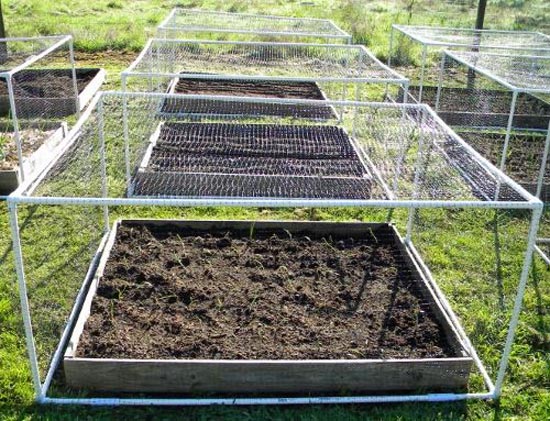
Garden nets come in dozens of materials, mesh sizes, and configurations. Picking the wrong one can mean wasted money or — worse — trapped wildlife. But picking the right one? You'll wonder why you didn't start sooner. This guide walks you through every type of garden net, how to install them properly, and the mistakes that trip up most gardeners.
Think of netting as an insurance policy for your garden. It won't replace good soil, proper watering, or the right sunlight conditions, but it handles the threats you can't control — weather and wildlife.
Contents
Not all garden nets serve the same purpose. The type you need depends entirely on what you're protecting against. Here's a breakdown of the main categories.
Bird netting is the most popular type, and it's designed to keep birds away from fruits, vegetables, and seedlings. Key features include:
Smaller mesh (1/4 inch) also blocks insects like cabbage moths. Larger mesh lets pollinators through but still keeps birds out.
Shade cloth reduces sunlight intensity and lowers temperature around your plants. You'll find it rated by shade percentage:
If your area regularly hits temperatures above 95°F (35°C), shade cloth can drop the temperature around your plants by 10-15 degrees.
These are heavier-duty nets with tighter weaves. They cushion the impact of hail and reduce the force of heavy rain hitting delicate leaves and flowers. Most are made from high-density polyethylene (HDPE) and last 3-5 seasons with proper care.

You might think netting is overkill — until you lose a harvest. Here's what's actually at stake.
According to the USDA Wildlife Services, birds cause millions of dollars in crop damage annually across the United States. In a home garden, even a small flock can:
Netting is a humane, chemical-free solution. You're not harming the birds — just redirecting them elsewhere.
Extreme weather hits home-grown vegetables especially hard. Garden nets help with:
Pro tip: If you're using shade cloth during a heatwave, water your plants in the early morning before the net traps warmth. Evening watering under shade cloth can encourage fungal growth.
Garden netting seems straightforward, but these errors are surprisingly common — and they can do more harm than good.
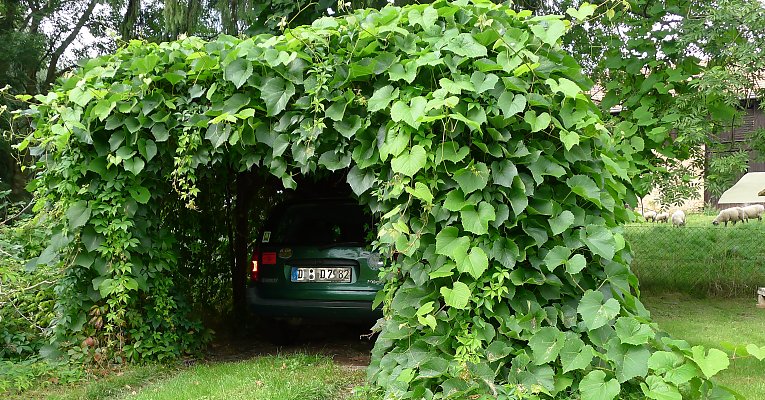
You don't need an elaborate setup to start protecting your plants today. These methods take under 30 minutes each.
The key with any setup is making sure you can still access your plants for watering, harvesting, and inspection. Clip-on fasteners make removal and reattachment easy.
Choosing the right garden nets for plants comes down to material, mesh size, and what you're protecting against. This table gives you a side-by-side look.
| Net Type | Material | Mesh Size | Best For | Lifespan | Price Range |
|---|---|---|---|---|---|
| Bird Netting | Polyethylene | 1/2" – 3/4" | Birds, large pests | 2-3 seasons | $ |
| Insect Netting | Fine polyester | 1/16" – 1/4" | Aphids, moths, beetles | 2-4 seasons | $$ |
| Shade Cloth | HDPE knitted | N/A (rated by %) | Heat, sun scorch | 5-8 seasons | $$ |
| Anti-Hail Net | HDPE woven | 1/4" – 1/2" | Hail, heavy rain | 3-5 seasons | $$$ |
| Trellis/Climbing Net | Nylon or jute | 4" – 6" | Plant support | 1-3 seasons | $ |
| Windbreak Net | Woven HDPE | N/A (rated by %) | Wind reduction | 5-10 seasons | $$$ |
As a general rule, spend more on shade cloth and windbreak netting since they last the longest. Budget bird netting works fine for a season or two, but premium versions with reinforced edges save you money over time.
Different plants need different netting strategies. Here's how to match the right net to what you're growing.
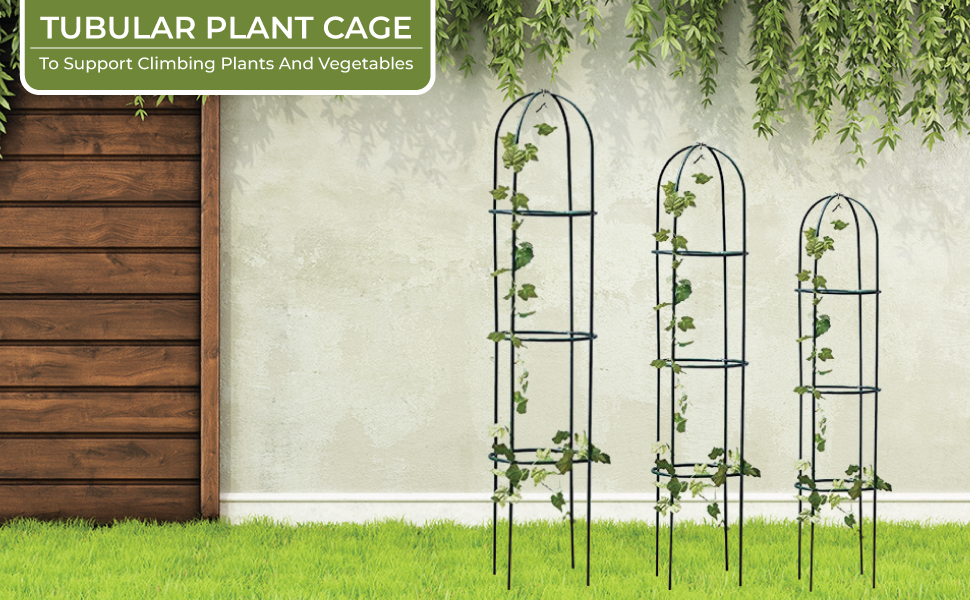
Trellis netting doubles as both support and protection for climbing plants. Vines like peas, beans, cucumbers, and fast-growing fruit plants grab onto the wide mesh and grow upward naturally.
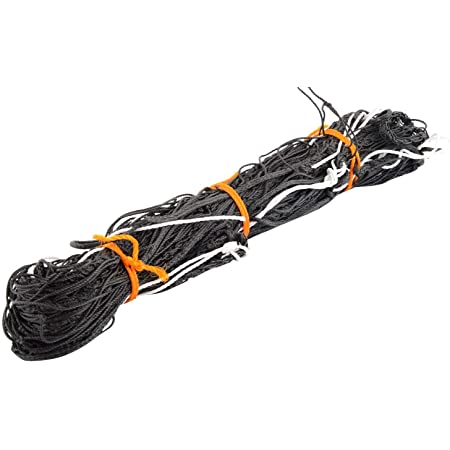
For vegetables, your netting choice depends on the threat. Here's a quick guide:
If you're growing in raised beds, PVC hoops that slot into the bed frame make netting incredibly easy to put on and take off. Many gardeners who grow in containers with potting soil find that lightweight clip-on netting works best.
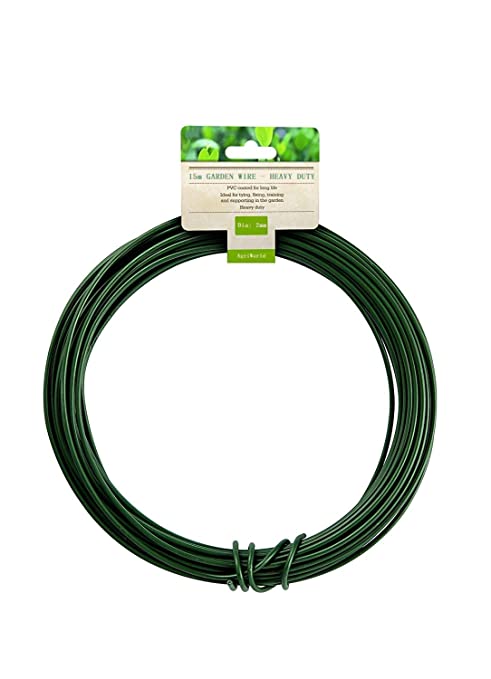
Fruit trees are the biggest challenge for netting because of their size and shape. Your options include:
For berry bushes, make sure your netting is taut. Loose netting sags into the berries, and birds will peck right through it.
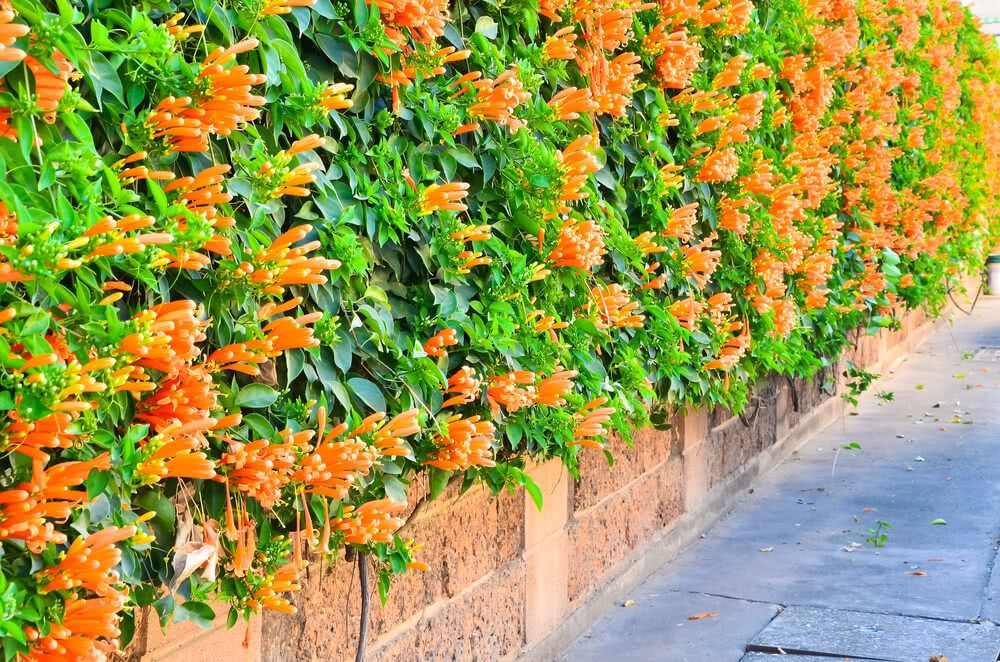
Once you've picked your netting and set it up, these tips will help you get the best results season after season.
Keep a small toolkit near your garden for net maintenance: zip ties, landscape pins, binder clips, a pair of scissors, and repair tape. Having these handy means you'll actually fix problems instead of putting them off.
A mesh size of 1/2 inch to 3/4 inch works best for most bird species. If you also want to block smaller pests like cabbage moths, go with 1/4 inch mesh. Just keep in mind that finer mesh also blocks beneficial pollinators, so you may need to remove it during flowering periods.
Yes, if installed incorrectly. Netting that sits directly on foliage can cause abrasion, trap moisture against leaves (leading to fungal issues), and restrict growth. Always use a support structure — hoops, stakes, or cages — to keep netting at least 3-4 inches away from your plants.
Use netting with a 1-inch or larger mesh size, which allows bees and butterflies to pass through. Alternatively, remove netting during morning hours when pollinators are most active and replace it in the afternoon. For crops that don't need pollination (leafy greens, root vegetables), fine mesh is perfectly fine to leave on full-time.
Standard bird netting won't stop squirrels or rabbits — they chew through it easily. For these pests, you'll need hardware cloth (welded wire mesh) with 1/2-inch openings or smaller. Bury the bottom edge 6 inches deep to prevent digging underneath.
It depends on the material. Budget polyethylene bird netting lasts 1-2 seasons. UV-stabilized HDPE shade cloth can last 5-8 seasons. Proper storage — cleaning, drying completely, and keeping out of direct sunlight when not in use — extends the life of any netting significantly.
Garden nets alone don't provide meaningful frost protection because they don't trap heat. For frost, you're better off using row cover fabric (frost cloth) which is designed to insulate. However, you can layer frost cloth under a net frame to keep it from blowing away in winter winds.
 |
 |
 |
 |

About Truman Perkins
Truman Perkins is a Detroit-based SEO consultant who's been in the business for over a decade. He got his start helping friends and clients get their websites off the ground, and he continues to do so today. In his free time, Truman enjoys learning and writing about gardening - something he believes is a natural stress reliever. He lives with his wife, Jenny, and their twins in Detroit.


Get new FREE Gifts. Or latest free growing e-books from our latest works.
Disable Ad block to reveal all the links. Once done, hit a button below
|
|
|
|
 rinjal