What if the most durable solution to airborne dust around homes and urban properties was already available at the local nursery? Evidence from environmental science suggests that trees for controlling dust pollution represent one of the most cost-effective, long-term interventions that property owners and urban planners can deploy. Particulate matter suspended in outdoor air settles on leaf surfaces, bark, and within dense canopy structures — removing it from the air column before it reaches windows, gardens, and lungs. Readers interested in the broader world of plant-based environmental management will find Trinjal's plants, herbs, and farming section a useful companion to the guidance below.
The U.S. Environmental Protection Agency classifies particulate matter — specifically PM2.5 and PM10 — among the most significant outdoor air quality hazards, linking chronic exposure to cardiovascular disease, respiratory illness, and premature mortality. Urban foresters have documented for decades that strategically planted trees measurably reduce ground-level particulate concentrations on the leeward side of planting sites. The reduction is not anecdotal — it is physically measurable using particle counters positioned downwind of established tree barriers.
The critical variable is species selection. Leaf texture, canopy density, growth rate, and regional climate compatibility each determine whether a tree will function as a genuine dust filter or simply occupy soil and water. This guide examines the species with the strongest documented performance records, the planting strategies that produce measurable results, and the errors that render even well-intentioned plantings ineffective.
Contents
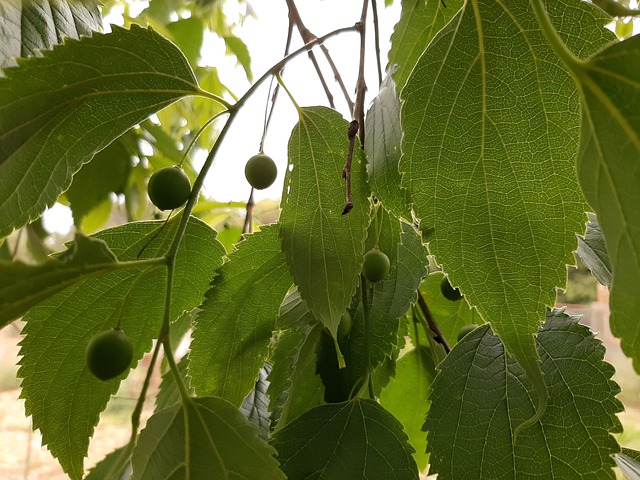
Trees trap airborne dust through a combination of physical impaction, gravitational settling, and electrostatic attraction. Leaves with rough, hairy, or waxy surfaces — classified as pubescent or glandular in botanical literature — capture significantly more particulate matter than smooth-leaved counterparts. The Hackberry (Celtis australis) and Silver Linden (Tilia tomentosa) consistently rank among the highest-performing species in peer-reviewed European urban forestry studies, largely due to the microscopic surface structures of their leaves that act as particle traps.
Canopy volume amplifies the leaf-surface effect substantially. A mature tree with a broad crown intercepts a far greater volume of moving air — and the particles suspended within it — than a narrow or sparsely foliated specimen of equivalent height. Research from urban forestry programs indicates that a single mature deciduous tree positioned in a high-traffic urban corridor can sequester several kilograms of dust annually. This figure scales considerably when trees are planted in rows or multi-layer green barrier configurations designed specifically for dust management.
Pro tip: Prioritize species with hairy or rough leaf undersides — botanical research indicates they trap fine particulate matter at rates two to three times higher than smooth-leaved alternatives of comparable canopy size.
| Tree Species | Scientific Name | Leaf Texture | Growth Rate | Climate Suitability | Dust Filtration Rating |
|---|---|---|---|---|---|
| Hackberry | Celtis australis | Rough, sandpaper-like | Medium-fast | Temperate, semi-arid | High |
| Field Elm | Ulmus minor | Rough, slightly hairy | Medium | Temperate | High |
| Silver Linden | Tilia tomentosa | Hairy underside | Medium | Temperate | Very High |
| Silver Maple | Acer saccharinum | Smooth above, pale below | Fast | Temperate | Medium-High |
| Turkey Oak | Quercus cerris | Deeply textured | Medium-slow | Mediterranean, temperate | Very High |
| Ginkgo | Ginkgo biloba | Smooth, waxy | Slow-medium | Temperate | Medium |
| Peepal | Ficus religiosa | Smooth, broad | Fast | Tropical, subtropical | Medium |
| Neem | Azadirachta indica | Small, compound leaflets | Fast | Tropical, semi-arid | Medium-High |
Effective dust-filtering plantings follow a defined sequence, and skipping any step reduces outcomes proportionally. Step 1 — Site Assessment: Identify the primary dust source (road, construction zone, agricultural field) and record prevailing wind direction. Trees planted perpendicular to the dominant wind deliver maximum filtration. Document soil type and drainage characteristics before purchasing any planting stock. Step 2 — Species Selection: Match candidate species to the local hardiness zone and the seasonal pattern of the dust source. Deciduous trees deliver peak filtration during the growing season; evergreen species extend coverage through winter.
Step 3 — Spacing: Position most medium-to-large species 4–6 meters apart to allow full crown expansion. A staggered double row increases filtration efficiency by 30–40% compared to a single-row planting — a well-documented finding from agricultural windbreak research. Step 4 — Soil Preparation: Amend compacted or nutrient-deficient soils before installation. Loose, well-aerated soil accelerates root development and, in turn, crown expansion. Gardeners seeking natural soil amendments should consult Trinjal's detailed guide on worm castings as a fertilizer amendment — the organic matter they provide significantly improves establishment rates for newly planted trees. Step 5 — Irrigation: Deep, infrequent watering during the first two growing seasons establishes root architecture that supports long-term canopy expansion.
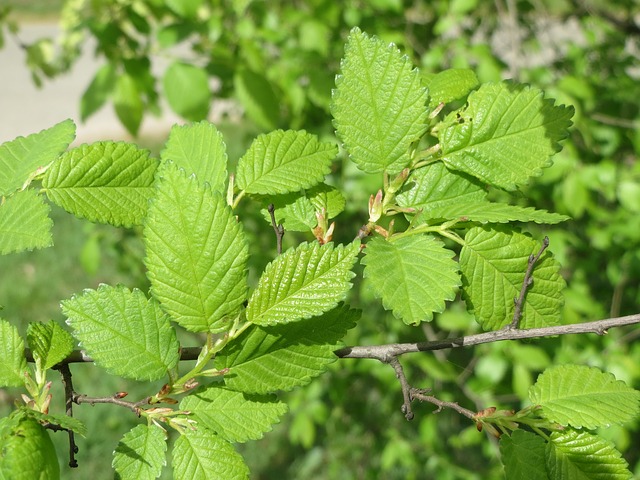
For property owners new to dust-mitigation planting, a single-species row of trees along the windward property boundary is the recommended starting point. Species such as Silver Maple (Acer saccharinum) and Field Elm (Ulmus minor) tolerate a range of soil types and establish relatively quickly compared to slower-maturing alternatives. A 10-meter row of properly spaced Silver Maples can reduce dust deposition on the leeward side by as much as 50% within three growing seasons, based on windbreak performance data from agricultural extension research programs.
Continuity is the beginner's most important operational principle. A planting row with even a 2–3 meter gap allows wind to accelerate through the opening rather than deflect around the barrier — a phenomenon documented in wind tunnel and field studies as the "gap effect." This acceleration pulls particulate-laden air through the opening at increased velocity, dramatically reducing the effectiveness of the entire barrier. The first planting priority is a gapless, continuous row, even if individual specimen sizes are modest at establishment.
Warning: A single gap of 2–3 meters in a windbreak row can reduce dust-filtering effectiveness by up to 60% across the entire barrier — fill gaps immediately with fast-establishing species rather than waiting for neighboring trees to expand.
Urban planners and landscape professionals work with multi-layer systems combining a tall canopy layer (15+ meters at maturity), a mid-story of smaller trees (5–10 meters), and a shrub base. This three-tier structure mimics natural forest edge ecology and achieves filtration efficiencies substantially higher than single-species rows — particularly for fine PM2.5 particulates that pass through single-layer canopy gaps without being intercepted.
India's urban planting programs illustrate the principle at scale. Trinjal's coverage of top roadside plants in India documents how Peepal (Ficus religiosa), Neem (Azadirachta indica), and similar species serve dual roles — particulate filtration and urban heat reduction — within multi-species boulevard plantings along high-traffic corridors. The dual-function logic extends directly to residential properties: species selected for dust control consistently deliver secondary benefits including shade, biodiversity support, and measurable carbon sequestration.
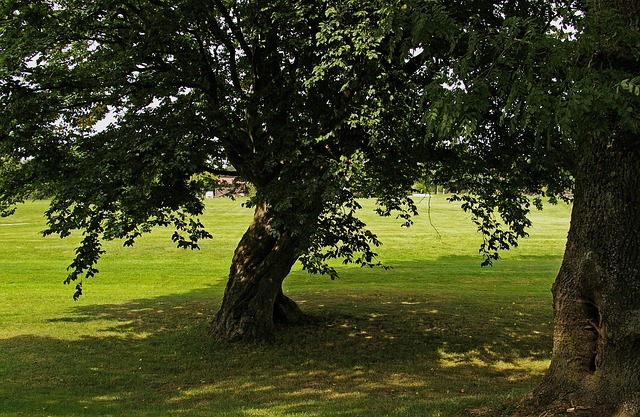
The most prevalent error observed across residential and municipal planting programs is choosing a tree based on availability or visual appeal rather than documented performance in the target climate. Ginkgo (Ginkgo biloba), for example, is widely planted in temperate urban environments and performs respectably as a particulate filter, but it struggles in arid or semi-arid conditions where canopy density remains limited and filtration efficiency falls. Every species decision for trees used in controlling dust pollution must begin with a regional climate assessment, not a generic best-trees list derived from European or North American research applied uncritically to different geographies.
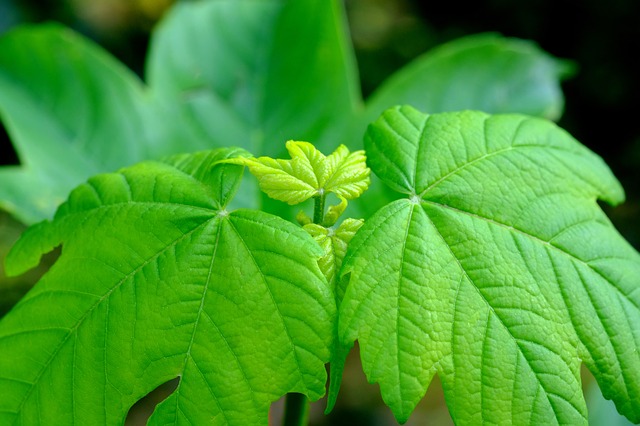
A related error involves selecting fast-growing pioneer species that achieve impressive canopy coverage within five years but become structurally unstable or disease-prone thereafter, forcing replacement and resetting the filtration timeline. Medium-growth species with documented urban longevity — Turkey Oak, Silver Linden, Field Elm — typically deliver superior lifetime filtration value despite slower initial establishment. The compounding returns of a tree that matures fully and remains structurally sound for 40–60 years vastly exceed those of a fast-grower replaced twice in the same period.
Pro insight: Before finalizing any species list, cross-reference candidates against the regional forestry extension office's recommended urban trees — locally adapted selections consistently outperform imported favorites over a 10–20 year performance horizon.
Overcrowding produces suppressed, narrow crown development, directly reducing the canopy volume that drives dust capture. The 4–6 meter spacing standard exists because mature crown diameters for most medium-to-large dust-filtering species fall within that range. Planting at 2–3 meter intervals may appear productive in the first two years but results in structurally compromised, columnar crowns by year five — precisely when the barrier should be approaching peak filtration performance.
Maintenance neglect compounds spacing errors over time. Trees not pruned to maintain an open, well-distributed canopy develop dense interior branching that traps moisture, restricts air circulation, and increases disease susceptibility. Annual light pruning during the first five years keeps crown structure optimal for air filtration. For those managing the broader ecological health of a planting site, Trinjal's guide on plants that produce oxygen at night offers valuable context on managing plant density and canopy structure for sustained air quality improvement across mixed-species gardens.
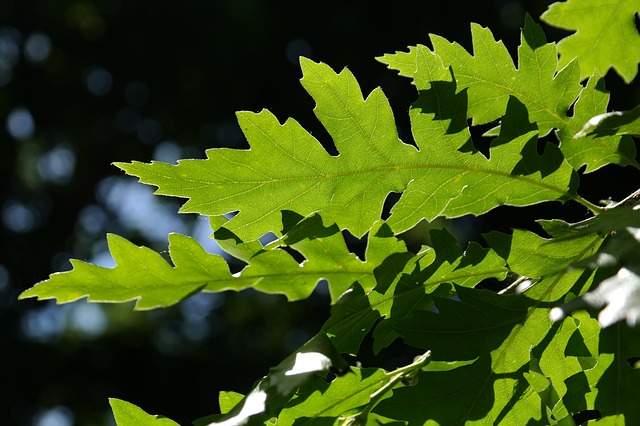
Property owners dealing with an active dust source — a nearby construction project, a newly cleared field, a heavily trafficked unpaved road — often cannot wait a decade for a tree barrier to mature. Certain species deliver measurable filtration benefit within 12–18 months of planting under favorable conditions.
Silver Maple (Acer saccharinum) ranks among the fastest-establishing broad-leaved dust-filtering trees, capable of 60–90 centimeters of vertical growth per season under adequate soil moisture. Hackberry (Celtis australis) follows closely, with the additional benefit of documented drought tolerance once established — a significant practical advantage in drier inland climates where many fast-growing alternatives fail under water stress. Hackberry's rough, sandpaper-like leaf surface captures fine particulate matter at rates that rival species with significantly larger canopy volumes.
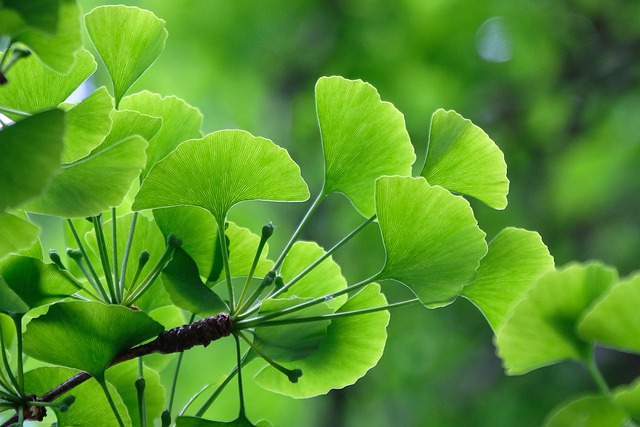
Turkey Oak (Quercus cerris) grows more slowly during its first three years but compensates with exceptionally dense foliage and a deeply textured leaf surface. Environmental scientists studying urban particulate deposition have recorded Turkey Oak's filtration performance among the highest of any deciduous species studied in temperate European conditions. For gardeners and property managers who can tolerate a longer establishment window, Turkey Oak represents the highest long-term return among all the species discussed here.
Deciduous trees lose their filtration capacity during the dormant season — a meaningful gap in climates where dust sources remain active through winter months. Road dust, dry winter winds, and continued construction operations generate particulate load year-round in many regions. Dense evergreen conifers with compact needle arrangements maintain particle capture function through the cold months. In practice, the most effective dust barriers in cold climates combine a fast-establishing deciduous outer row for warm-season canopy volume with an evergreen inner row that maintains filtration when leaves have fallen. This hybrid approach costs more to establish but eliminates the seasonal performance gap that single-species deciduous rows cannot avoid.
A tree barrier that fails to produce a measurable reduction in visible particulate deposition within two to three growing seasons is communicating a diagnosable problem. The most common above-ground indicators of underperformance include visible gaps in canopy coverage, stunted crown development relative to published species norms, chlorotic (yellowing) foliage, and premature leaf drop before seasonal senescence. These symptoms overlap with multiple causes, which is why diagnosis must precede any remedial action.
Soil compaction — often invisible above ground — is the single most frequently identified root cause in failing urban tree plantings. Compaction restricts oxygen exchange in the rhizosphere, slowing growth without producing obvious foliar symptoms until the problem is well advanced. A penetrometer test quantifies soil density precisely and identifies compaction zones that require active remediation. Agricultural supply retailers stock penetrometers widely; any reading above 300 psi in the top 30 centimeters of the soil profile indicates compaction levels that will prevent normal root development and crown expansion.
Diagnosis must always precede corrective action. Replanting before addressing root causes simply restarts the failure cycle with new planting stock. The remediation sequence follows a logical order: soil testing first, species audit second, structural pruning third, and gap-filling fourth. Attempting all four simultaneously spreads resources too thin and makes it impossible to isolate which intervention produced improvement.
Gap-filling with fast-establishing species — Silver Maple and Hackberry are the most reliable choices — addresses immediate coverage deficits while slower-maturing specimens like Turkey Oak are allowed the time they need to develop. Fertilization plays a supporting role but does not substitute for correct site management. Nitrogen-deficient trees produce smaller, thinner leaves with reduced surface area, directly diminishing dust capture capacity. A balanced soil amendment program applied in spring before the growing season restores leaf size and density within a single season in most cases. The most effective remediation programs combine soil correction, targeted structural pruning, and species-appropriate gap-filling executed in deliberate sequence — not as simultaneous interventions.
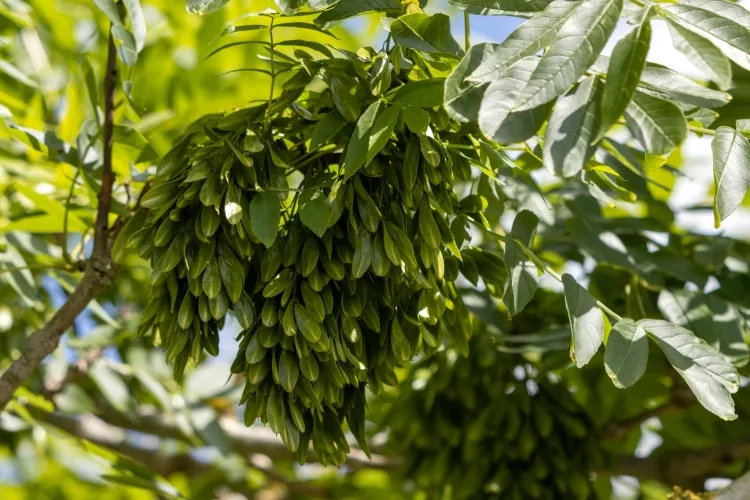
Silver Linden (Tilia tomentosa) and Turkey Oak (Quercus cerris) are among the highest-rated species in environmental science literature for dust filtration, owing to their densely textured leaf surfaces and broad canopy development at maturity. For faster results in temperate climates, Hackberry (Celtis australis) is widely recommended due to its combination of rough leaf texture, drought tolerance, and moderate establishment speed.
Fast-establishing species like Silver Maple and Hackberry can deliver a measurable reduction in leeward dust deposition within 12–18 months of planting under adequate moisture and soil conditions. Slower-maturing species like Turkey Oak and Silver Linden require three to five years to develop the canopy density needed for high-efficiency filtration, but their long-term performance significantly exceeds that of faster-growing alternatives.
Yes, provided they are positioned correctly relative to the primary dust source and prevailing wind direction. Even a short, continuous row of three to five medium-sized trees planted perpendicular to the dominant wind creates a measurable filtration zone downwind. The key variables are species selection, row continuity without gaps, and appropriate spacing — all of which apply at small garden scales exactly as they do in large-scale municipal planting programs.
 |
 |
 |
 |

About Truman Perkins
Truman Perkins is a Detroit-based SEO consultant who's been in the business for over a decade. He got his start helping friends and clients get their websites off the ground, and he continues to do so today. In his free time, Truman enjoys learning and writing about gardening - something he believes is a natural stress reliever. He lives with his wife, Jenny, and their twins in Detroit.


Get new FREE Gifts. Or latest free growing e-books from our latest works.
Disable Ad block to reveal all the links. Once done, hit a button below
|
|
|
|
 rinjal