NASA research published in the late 1980s found that certain indoor plants that produce oxygen can remove up to 87 percent of air toxins in just 24 hours — a figure that continues to shape how botanists and interior designers approach indoor greenery. For anyone managing air quality in a home, apartment, or office, the right plant selection is not merely decorative. It is a practical, low-cost strategy for improving the environment people breathe every day. Trinjal's plants, herbs, and farming category covers everything from soil composition to plant care, and oxygen-producing houseplants sit at the center of that knowledge base.

The relationship between plants and oxygen is grounded in photosynthesis — the process by which plants absorb carbon dioxide (CO₂) and release oxygen (O₂) using light energy. Indoors, where ventilation is often limited, this exchange can make a measurable difference in how a space feels and functions. Some species are far more efficient at this process than others, and understanding which plants perform best allows households to make informed decisions about what to grow and where to place it.
The following guide covers the top 20 indoor plants that produce oxygen, explains how to care for them effectively, and outlines placement strategies that maximize their benefit. Whether the goal is cleaner air in a bedroom, a more productive home office, or a healthier living room, these plants offer a science-backed path forward.
Contents
Photosynthesis requires three inputs: light, water, and carbon dioxide. Indoors, natural light is often reduced and air circulation is limited. Despite these constraints, many houseplant species have adapted to low-light environments and continue to photosynthesize at meaningful rates. The oxygen they release accumulates in enclosed spaces, gradually improving air quality.
The phytoremediation (the use of plants to remove pollutants from an environment) literature consistently supports the use of indoor plants not only for oxygen production but for the absorption of volatile organic compounds (VOCs) such as benzene, formaldehyde, and trichloroethylene — chemicals commonly off-gassed by furniture, paint, and cleaning products.
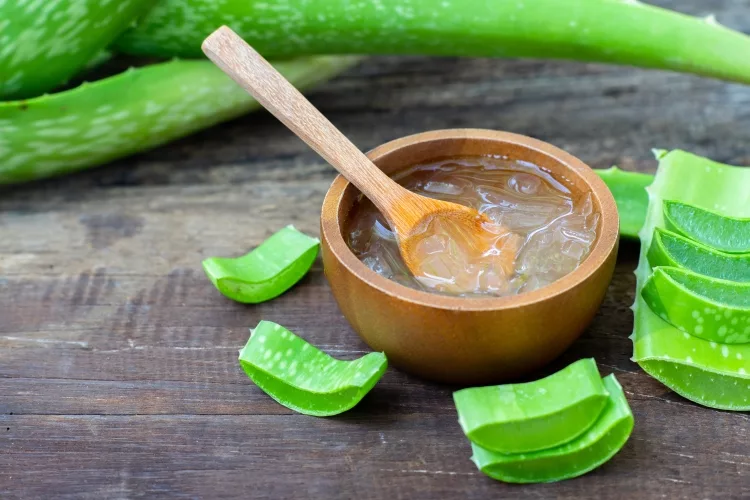
Most plants absorb CO₂ and release O₂ during daylight hours. However, a subset of species — including aloe vera, snake plants, and orchids — use Crassulacean Acid Metabolism (CAM), a photosynthetic pathway that allows them to absorb CO₂ at night and release oxygen continuously. These plants are particularly valuable in bedrooms where nighttime air quality matters most.
Pro Tip: Place CAM-metabolism plants such as snake plants or aloe vera on bedside tables to benefit from their nighttime oxygen release while sleeping.
| # | Plant Name | Light Need | CAM (Night O₂) | Difficulty | Best Location |
|---|---|---|---|---|---|
| 1 | Areca Palm | Bright indirect | No | Easy | Living room |
| 2 | Snake Plant | Low to bright | Yes | Very easy | Bedroom |
| 3 | Money Plant (Pothos) | Low to moderate | No | Very easy | Any room |
| 4 | Boston Fern | Indirect/filtered | No | Moderate | Bathroom, kitchen |
| 5 | Peace Lily | Low to moderate | No | Easy | Office, bedroom |
| 6 | Spider Plant | Bright indirect | No | Very easy | Kitchen, office |
| 7 | Aloe Vera | Bright direct | Yes | Easy | Bedroom, windowsill |
| 8 | Bamboo Palm | Bright indirect | No | Easy | Living room |
| 9 | Rubber Plant | Bright indirect | No | Easy | Living room, office |
| 10 | Weeping Fig (Ficus) | Bright indirect | No | Moderate | Living room |
| 11 | Gerbera Daisy | Full sun | Yes | Moderate | Sunny windowsill |
| 12 | Chinese Evergreen | Low to moderate | No | Very easy | Office, hallway |
| 13 | Dracaena | Indirect | No | Easy | Office, living room |
| 14 | Philodendron | Low to moderate | No | Easy | Any room |
| 15 | ZZ Plant | Low | No | Very easy | Dark corners |
| 16 | English Ivy | Indirect to moderate | No | Easy | Bathroom, hallway |
| 17 | Orchid | Bright indirect | Yes | Moderate | Bedroom, windowsill |
| 18 | Jade Plant | Bright direct | Yes | Easy | Sunny windowsill |
| 19 | Tulsi (Holy Basil) | Full sun | Yes | Moderate | Kitchen window |
| 20 | Golden Pothos | Low to moderate | No | Very easy | Any room |
The following profiles cover each plant's oxygen-producing strengths, care requirements, and ideal indoor placement.

Oxygen production is directly tied to photosynthetic activity, which depends on light availability. Placing a sun-loving plant in a dark corner will drastically reduce its output. The following framework helps match plants to available light:
Rotating pots 90 degrees every two weeks encourages even leaf growth and ensures all sides of the plant receive adequate exposure, which supports more uniform oxygen production across the entire canopy.
Managing humidity levels also plays a supporting role in plant health. Species like the Boston fern and peace lily perform better when ambient humidity stays above 50 percent. Grouping humidity-sensitive plants together creates a shared microclimate. For a deeper look at species that actively control moisture levels, the guide on indoor plants that absorb humidity and maintain temperature covers 15 species in detail.
Overwatering remains the single most common cause of houseplant decline. Root rot reduces a plant's ability to absorb water and nutrients, which in turn suppresses photosynthesis and oxygen output. General guidelines:
Feeding supports vigorous leaf growth, which increases the total photosynthesizing surface area. Slow-release fertilizer spikes offer a convenient, low-effort delivery method. For full usage instructions, the guide on how to use fertilizer spikes for indoor plants provides a step-by-step approach suited to most of the species listed above.

A strategically assembled collection of indoor plants that produce oxygen throughout multiple daylight and nighttime hours outperforms any single-species arrangement. The principle is simple: combine daytime photosynthesizers with CAM plants to maintain continuous oxygen production across a full 24-hour cycle.
A recommended starter combination for a single room:
This three-tier approach ensures the space never goes entirely without active oxygen production. Larger rooms may benefit from duplicating the arrangement — one cluster near the primary seating area, and one cluster near the sleeping or work area.
Note: Avoid placing more than 15–20 plants in a small sealed room without ventilation, as excessive CO₂ absorption overnight by non-CAM plants can temporarily reduce air quality before daytime photosynthesis resumes.
One of the most common obstacles to building a robust indoor plant collection is the fear of high-maintenance schedules. Scaling up effectively requires selecting species with compatible care requirements so that watering, feeding, and light adjustments can be managed in a single routine.
Practical scaling principles:
Bedrooms represent the highest-priority zone for oxygen-producing plants. Adults spend approximately one-third of their lives in a sleeping environment. CO₂ levels in sealed bedrooms can climb noticeably during the night without ventilation. Placing two to four CAM plants — snake plants, aloe vera, orchids, and gerbera daisies — in a standard-sized bedroom creates a meaningful buffer against CO₂ accumulation.
Home offices present a similar case. Cognitive performance is sensitive to CO₂ concentration: studies suggest that levels above 1,000 parts per million (ppm) are associated with measurable declines in decision-making ability. A cluster of three to five oxygen-producing plants near a desk creates a localized cleaner-air zone. Spider plants and pothos are particularly well-suited to desk environments due to their compact footprint and tolerance for artificial lighting.
Open-plan living rooms and shared office environments benefit from larger specimens — areca palms, rubber plants, and weeping figs — positioned near seating clusters. These high-volume oxygen producers serve both functional and aesthetic roles, acting as living room dividers or focal points while continuously improving air quality.
Commercial workplaces that have introduced oxygen-producing plant clusters near workstations have reported informal improvements in perceived air freshness and employee comfort. While controlled scientific data on commercial office greening specifically remains limited, the botanical mechanism is well-established: more leaf surface area, more photosynthesis, more oxygen.
Key considerations for shared spaces:
The areca palm is widely cited as the most productive oxygen-generating houseplant under typical indoor conditions. Its large leaf area and high transpiration rate allow it to release significant quantities of oxygen and moisture throughout the day. The snake plant and aloe vera supplement daytime producers by continuing to release oxygen at night through CAM photosynthesis.
Yes, within measurable limits. The NASA Clean Air Study demonstrated that certain houseplants reduce concentrations of common indoor pollutants including benzene, formaldehyde, and trichloroethylene. However, the oxygen contribution of a single plant in a large room is modest. Multiple plants working together — particularly when the room is occasionally ventilated — produce the most noticeable air quality improvement.
Research suggests approximately one medium-to-large plant per 100 square feet of floor space as a general baseline. For a 200-square-foot bedroom, two large plants or four to six smaller plants would provide a meaningful contribution. Prioritizing species with large leaf surface areas, such as areca palm or rubber plant, increases efficiency per plant.
No. The oxygen produced by household plants is supplementary, not sufficient as a primary life-sustaining source. A human requires approximately 550 liters of oxygen per day. Even a dense indoor garden cannot replicate the gas exchange of outdoor ecosystems. The value of indoor oxygen-producing plants lies in improving air freshness, reducing VOC concentrations, and supplementing ventilation — not replacing it.
The snake plant (Sansevieria) is consistently recommended for beginners. It tolerates low light, irregular watering, and fluctuating temperatures without significant decline. It releases oxygen at night via CAM metabolism, requires minimal feeding, and rarely suffers from pest problems. The ZZ plant and golden pothos are close alternatives for environments with very limited natural light.
The air inside any home is only as clean as the choices made to fill it — and a well-chosen collection of oxygen-producing plants is one of the simplest, most evidence-backed investments any indoor environment can make.
 |
 |
 |
 |

About Truman Perkins
Truman Perkins is a Detroit-based SEO consultant who's been in the business for over a decade. He got his start helping friends and clients get their websites off the ground, and he continues to do so today. In his free time, Truman enjoys learning and writing about gardening - something he believes is a natural stress reliever. He lives with his wife, Jenny, and their twins in Detroit.


Get new FREE Gifts. Or latest free growing e-books from our latest works.
Disable Ad block to reveal all the links. Once done, hit a button below
|
|
|
|
 rinjal