Have you ever wondered whether the plants sitting quietly on your windowsill could be actively preventing that familiar throbbing in your temples? They can — and the mechanisms behind it are well understood. Indoor plants that help headaches work through three distinct pathways: filtering volatile organic compounds from your air, releasing therapeutic aromatic compounds that calm your nervous system, and regulating indoor humidity that directly controls sinus pressure. Explore Trinjal's plants, herbs, and farming guides and you'll find an entire world of natural remedies that address what synthetic pain relief typically masks instead of fixing.
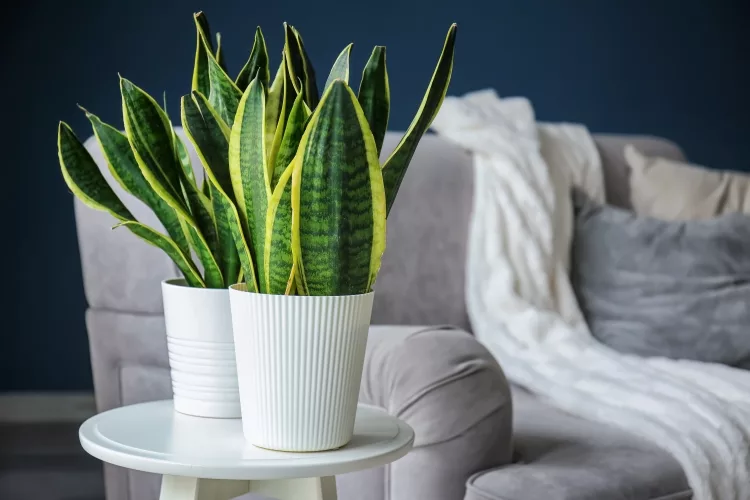
Your indoor environment contributes to headache frequency far more than most people acknowledge. According to Wikipedia's overview of headache causes, tension-type headaches — the most prevalent variety worldwide — are frequently triggered by environmental irritants, including VOCs released by synthetic furniture, paint, and cleaning products that accumulate in poorly ventilated spaces. Choosing the right houseplants creates conditions where those triggers shrink rather than build unchecked.
This guide walks you through ten proven plants, covering placement strategies, care fundamentals, a full comparison table, and the persistent myths that prevent people from taking plant-based headache prevention seriously enough to act on it.
Contents
Some plants deliver results through scent alone, which makes them the fastest-acting tools in your collection. These three use aromatic compounds that your olfactory system processes almost immediately, interrupting the nervous tension that fuels most stress-driven headaches before it escalates.
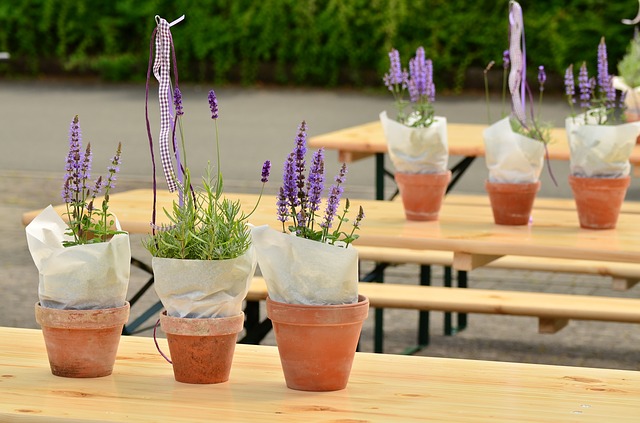
Lavender is the single most well-researched plant for headache relief, and it earns that status honestly. Its primary aromatic compound, linalool, acts on your limbic system, reducing anxiety and muscle tension that drive most stress-triggered headaches. Place it on a south-facing windowsill where it receives at least six hours of direct light each day.
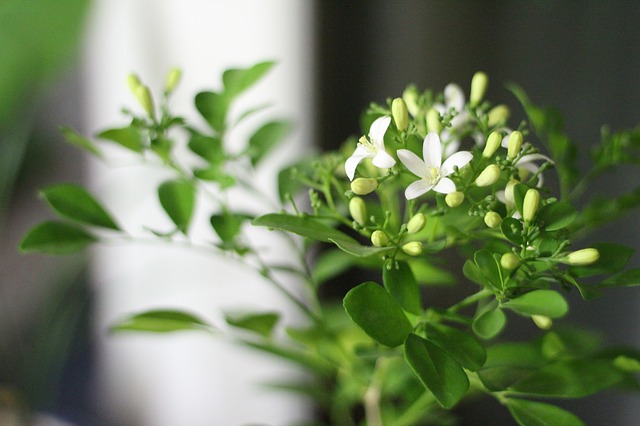
Jasmine's scent reduces your heart rate and lowers cortisol, which translates directly into less muscular tension around your neck and scalp — the physical root of most tension headaches. It performs particularly well in bedrooms, where its calming effect improves sleep quality and cuts down on the morning headaches that poor rest reliably produces.
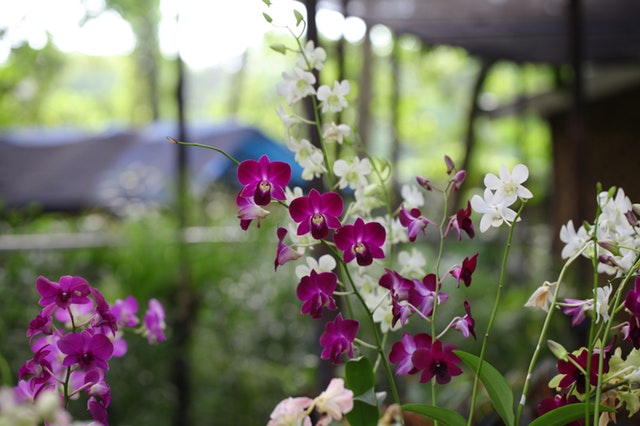
Orchids absorb carbon dioxide at night and release fresh oxygen into the room, making them genuinely useful in spaces where CO2 buildup during sleep contributes to morning headaches. They also regulate air moisture subtly, supporting the humidity balance that prevents sinus-related headaches from developing in sealed, climate-controlled rooms.
Place an Orchid on your bedroom nightstand to reduce nighttime CO2 levels — most people notice a measurable drop in morning headache frequency within two weeks of consistent placement.
Understanding which headache types respond to plant-based interventions helps you choose the right species for your specific situation rather than guessing.
Plants are environmental tools — they improve the air conditions around you, but they don't treat neurological disorders or address hormonal causes of chronic migraines. Use them as a complementary prevention layer, not as a substitute for medical evaluation when your headaches are severe or persistent.
These seven plants combat headaches primarily through air quality improvement, targeting the invisible chemical and humidity conditions that most headache sufferers never connect to their symptoms.
| Plant | Primary Mechanism | Best Room | Light Needs | Watering Frequency |
|---|---|---|---|---|
| Snake Plant | VOC filtration, nighttime oxygen | Bedroom | Low to bright indirect | Every 2–6 weeks |
| Peace Lily | Benzene & formaldehyde removal | Living room / Office | Low to medium indirect | Weekly |
| Golden Pothos | VOC scrubbing, fast-growing | Any room | Low to bright indirect | Every 1–2 weeks |
| Boston Fern | Humidity regulation | Bathroom / Kitchen | Bright indirect | Twice weekly |
| Bamboo Palm | VOC removal, humidity boost | Living room | Bright indirect | Weekly |
| Aloe Vera | Benzene absorption, air purification | Kitchen / Office | Bright direct | Every 2–3 weeks |
| Succulents | Nighttime CO2 absorption | Bedroom / Desk | Bright direct | Every 2–4 weeks |
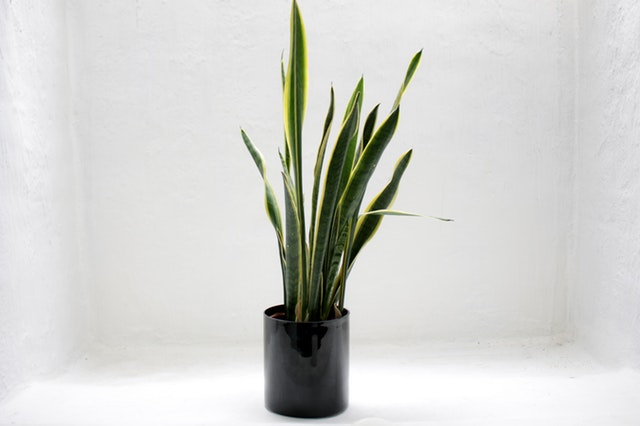
The Snake Plant is the most forgiving air purifier you can own, surviving low light and infrequent watering while continuously filtering formaldehyde, benzene, and trichloroethylene from your air. Its nighttime oxygen production makes it especially effective in bedrooms, where CO2 accumulation during sleep is a documented and underappreciated headache trigger for many people.
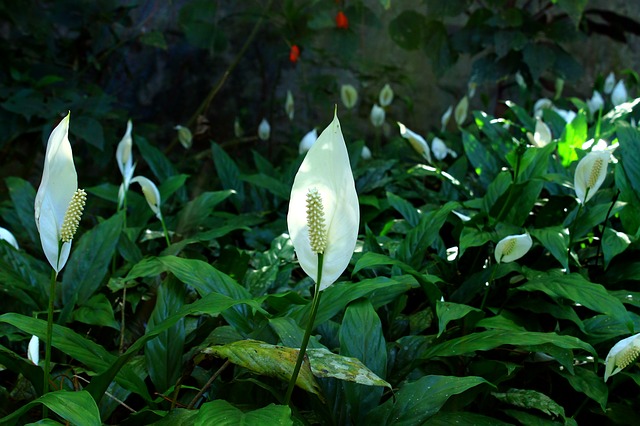
Peace Lily is one of the most powerful VOC removers available in a common houseplant, targeting benzene and formaldehyde with documented efficiency in enclosed spaces. It also transpires moisture steadily, helping maintain the humidity range your sinuses require. Learning how to prune a Peace Lily correctly keeps it dense and filtering at its full capacity rather than declining into a sparse, less effective plant.
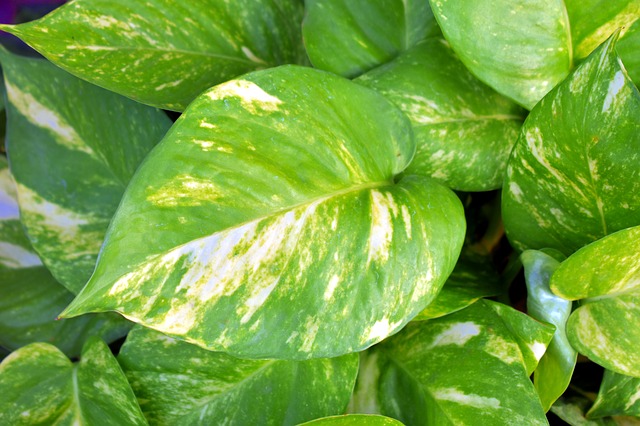
Golden Pothos grows rapidly and absorbs carbon monoxide and formaldehyde at a rate that outperforms many slower-growing species. Its trailing growth habit makes it ideal for high shelves and hanging baskets, where it filters air across a wider vertical range and provides better room coverage without consuming any floor space at all.
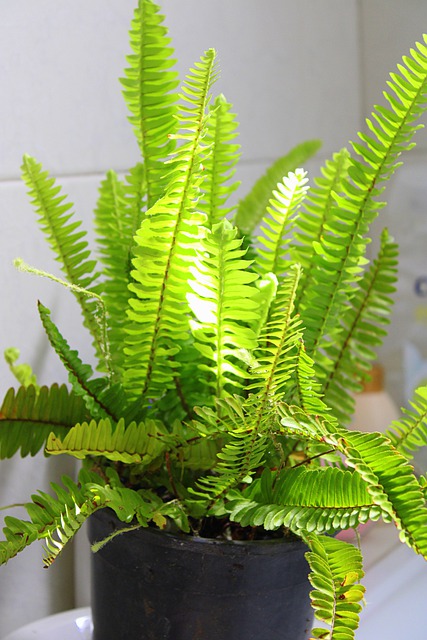
Boston Fern is the definitive humidity regulator among common houseplants, releasing consistent moisture through transpiration that keeps your indoor air in the 40–60% range — the optimal zone for preventing sinus pressure headaches from forming. Pair it with plants from the top oxygen-producing indoor species list to build a genuinely layered air-quality system in your home.
If your home's humidity drops below 30% during winter, placing a Boston Fern near your heating vent directly counteracts the drying effect that turns dry-air sinus pressure into a full headache.
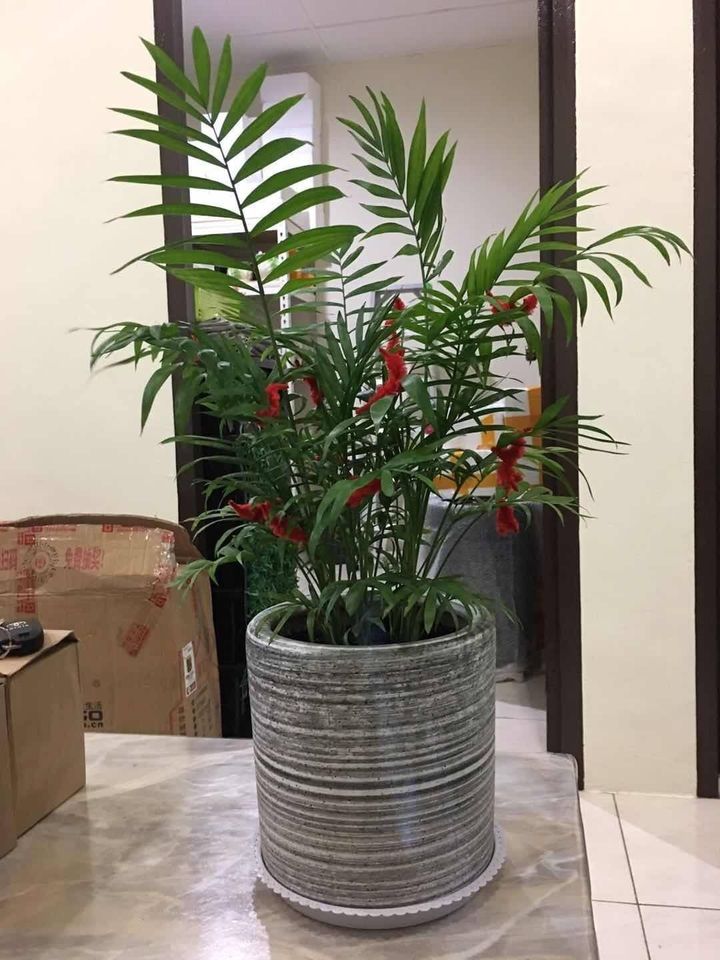
Bamboo Palm combines VOC removal with substantial moisture output, making it one of the most multifunctional headache-fighting plants on this list. Its large leaf surface area processes significant air volume each day, and its preference for bright indirect light makes it perfectly suited to living rooms and open-plan spaces where people spend the most concentrated time.
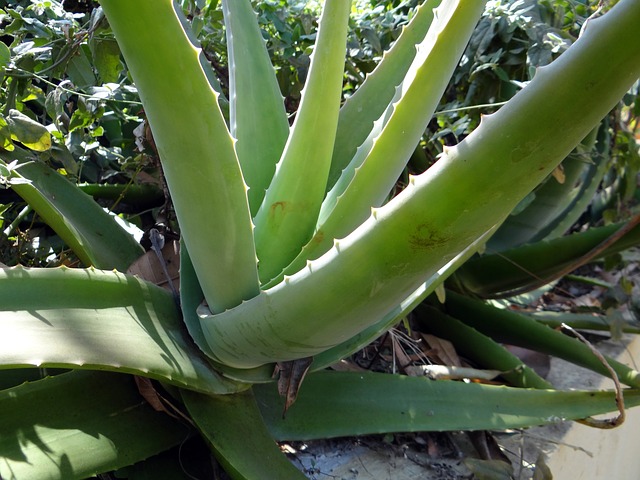
Aloe Vera absorbs benzene and formaldehyde from the air while requiring almost none of your attention to thrive. It's ideal for kitchens and home offices, where cleaning products and synthetic materials release VOCs continuously throughout the day. Its gel also has a direct topical application for headache relief — a small amount applied to your temples delivers a cooling, anti-inflammatory effect within minutes.
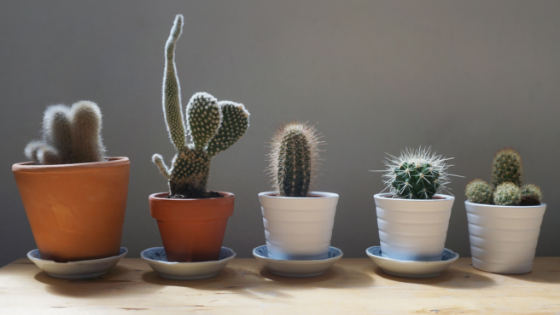
Succulents perform Crassulacean Acid Metabolism (CAM) photosynthesis, absorbing CO2 at night rather than during the day, which actively reduces nighttime CO2 buildup in your bedroom. A cluster of small succulents on your nightstand or desk creates a micro-environment of consistently cleaner air in the space where you spend the most concentrated, stationary time each day.
Strategic placement multiplies the effectiveness of every plant on this list, because a plant's filtering capacity depends directly on how well room air circulation moves across its leaf surface.
A healthy plant filters air far more efficiently than a stressed, root-bound, or underwatered one — and a neglected plant provides a fraction of the benefit it's capable of delivering. Follow these principles to keep your entire collection performing consistently.
Misinformation leads people to abandon plant-based strategies before they see results, or to carry unrealistic expectations that inevitably lead to disappointment. Here are the most persistent myths, corrected with an accurate picture of what the evidence actually shows.
Lavender is the most evidence-backed choice for tension headaches, because linalool directly reduces cortisol and muscle tension — the two primary drivers of this headache type. Pair it with a Snake Plant for VOC filtration if your indoor air quality is also a contributing factor to your symptoms.
Two to four healthy plants in your most frequently occupied rooms is enough to produce measurable air quality changes. Plant health matters more than quantity — a thriving Peace Lily in a standard bedroom processes substantially more air than four neglected, root-bound plants in the same space.
Yes — Boston Fern and Bamboo Palm are both high-transpiration plants that release consistent moisture, helping maintain the 40–60% humidity range that keeps sinus membranes from drying out and becoming inflamed. One Boston Fern in your bedroom during winter counteracts heating systems that strip moisture from the air overnight.
Peace Lily, Golden Pothos, and Aloe Vera are toxic to cats and dogs if ingested, so place them out of reach or substitute with Boston Fern, Bamboo Palm, or Orchid, which are considered pet-safe. Always verify current toxicity data before introducing any new plant to a home with animals or young children.
In a standard room with two to four active plants, measurable air quality changes occur within 24 to 48 hours as the plants begin filtering VOCs and stabilizing humidity. Most people notice a reduction in headache frequency after one to two weeks of consistent exposure to the improved environment, not immediately.
The indoor plants that help headaches covered in this guide are a practical, low-maintenance upgrade to your environment that delivers compounding benefits every day you spend inside your home. Start by adding two or three of the best-matched plants to your bedroom and home office this week, follow the placement and care guidance above, and observe your headache frequency over the next two weeks — the results will make the case for expanding your collection far better than any article can.
 |
 |
 |
 |

About Christina Lopez
Christina Lopez grew up in the scenic city of Mountain View, California. For eighteen ascetic years, she refrained from eating meat until she discovered the exquisite delicacy of chicken thighs. Christina is a city finalist competitive pingpong player, an ocean diver, and an ex-pat in England and Japan. Currently, she is a computer science doctoral student. Christina writes late at night; most of her daytime is spent enchanting her magical herb garden.


Get new FREE Gifts. Or latest free growing e-books from our latest works.
Disable Ad block to reveal all the links. Once done, hit a button below
|
|
|
|
 rinjal