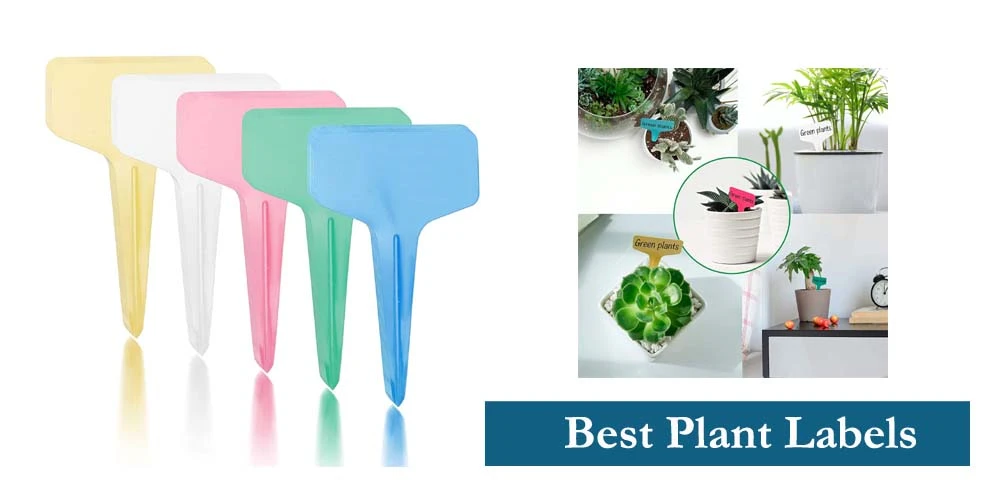
Our top pick for most gardeners in 2026 is the Kensizer 1000-Pack Plastic Plant Labels — a waterproof, UV-resistant stake set that delivers reliable performance at a price that makes bulk labeling genuinely practical. That said, the right label depends entirely on material preference, garden size, and how long most buyers need the markers to last in the elements.
Plant labels are one of those garden tools that seem minor until a seed tray gets shuffled around and suddenly no one can tell the basil from the cilantro. Whether managing a small container herb garden or a sprawling vegetable plot, keeping plants organized is a real time-saver — especially when growing dozens of varieties from seed. According to Wikipedia's overview of plant labeling, professional nurseries have relied on standardized markers for over a century to track cultivars through long growing cycles.
We tested and researched seven of the most popular plant label options available this year, covering plastic stakes, galvanized metal tags, ceramic herb signs, bamboo markers, chalkboard wood tags, wrap-around plastic tags, and heavy-duty iron stakes. Our team evaluated each for build quality, weather resistance, legibility over time, and overall value. If anyone is also building out their container setup, our guides on the 15 best outdoor planter pots and 13 best organic potting soils pair well with choosing the right labeling system. Browse more options in our gardening reviews section.
Contents







The Kensizer 1000-pack is the go-to option for seed-starting season when hundreds of trays need labeling fast. Each stake measures 10 cm long by 2 cm wide — a slim, T-style profile that slides easily into potting mix without disturbing roots. The PVC plastic construction is UV-resistant and fully waterproof, and the set includes a gel pen for immediate use. We found the labels held up through multiple outdoor watering cycles without curling or cracking.
One important note from our testing: the included gel pen works well initially, but standard marker ink can fade outdoors over a full season. Most buyers using these long-term should invest in a dedicated waterproof marker pen for best results. The white surface accepts ink cleanly and stays legible under most lighting conditions. At 1,000 pieces, this pack covers a serious growing operation at a fraction of what metal or ceramic alternatives cost per unit.
The narrow width does limit the amount of text that can fit on each label, but for standard plant names and seed dates, there's enough room. We consider this the strongest bulk-value option for seed trays, nursery flats, and high-volume container gardens.
Pros:
Cons:
GardenMate's zinc metal labels are among the most substantial options we tested. At 11.5 inches total height with a label area of 3.5 x 1.25 inches, these stakes stand visibly above most plant foliage — easy to spot from a standing position without bending down. The galvanized steel construction resists rust reliably, and the slightly sloping label face makes reading natural while walking the garden rows.
The two-foot stake design drives firmly into compacted soil and resists tipping during wind or heavy rain far better than single-spike alternatives. Our team tested these across both raised beds and in-ground plots and found them notably stable even in loose potting mix. The zinc nameplate surface accepts pencil marks well, which is actually preferable for longevity — pencil doesn't wash off and can be erased for reuse.
At 50 per pack, these are priced for gardeners who want a premium, permanent solution rather than disposable seasonal markers. Anyone growing perennial beds, shrub borders, or specialty collections in 2026 will find these worth the investment.
Pros:
Cons:
These ceramic herb markers sit in a completely different category from the functional plastic and metal options on this list. JarThenaAMCS includes 12 pieces, each featuring a different herb illustration — basil, chives, cilantro, dill, lavender, mint, oregano, parsley, rosemary, sage, thyme, and lemon balm. Each stake measures approximately 1 x 5.5 inches, making them compact enough for small container pots and window boxes.
The ceramic material is genuinely weather-resistant and won't rust or corrode the way metal tags eventually might in humid climates. The pre-printed herb names eliminate the need to write anything, which is ideal for herb gardens where the plants don't change. Our team found the decorative quality noticeably higher than most alternatives — these would look appropriate in a gift set or displayed in a kitchen herb window garden. For those also growing herbs indoors, pairing these with the best indoor plants for bedroom creates a cohesive, organized display.
The limitation is obvious: once a gardener has all 12 herbs covered, these markers can't be repurposed for vegetables, flowers, or unusual varieties. Home buyers specifically building a culinary herb garden will find them charming and practical in equal measure.
Pros:
Cons:
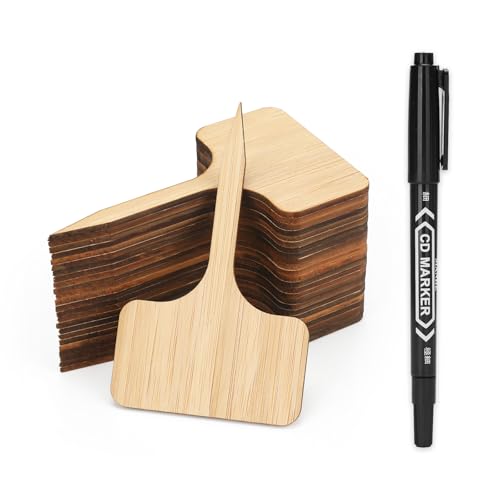
KINGLAKE's bamboo markers appeal directly to gardeners who want to minimize plastic use. This 60-pack T-style marker is made from natural high-quality wood — fully biodegradable and a strong fit for organic gardens where keeping synthetic materials out of the beds matters. Each label is 4 inches long with a 2.36-inch wide top that provides a genuinely comfortable writing surface, larger than most plastic alternatives in this price range.
The set includes a permanent marking pen, which is a useful addition given that bamboo's natural texture can absorb some markers unevenly. We found the markers sturdy enough for repeated insertion and removal across a season — these can be cleaned off and reused, unlike single-use biodegradable options. The T-type head design stays flat against the soil surface, making labels easy to read without kneeling.
One trade-off worth noting: natural wood materials will eventually degrade if left outdoors through multiple wet seasons. For most buyers using these for seasonal vegetable plots or annual seed starting, this isn't a practical issue. For permanent perennial beds, the metal options on this list hold up longer.
Pros:
Cons:
These chalkboard-style plant tags from KINGLAKE occupy a niche between purely functional markers and decorative garden accents. At 7.1 inches tall with a generous 3.15-inch wide blackboard surface, these are among the largest writing areas we tested in the wood category. The chalk writing surface makes labels erasable and endlessly reusable — a real advantage for gardeners who rotate crops seasonally or want to relabel containers frequently.
The rustic wood aesthetic suits cottage gardens, raised bed setups, and display containers particularly well. Our team found these visually attractive enough to use in planters near an entry or patio space where presentation matters. The chalkboard coating accepts standard chalk and chalk markers cleanly. Chalk markers, in particular, produce bold readable text that holds up through light rain better than dry chalk alone.
The 20-piece count keeps this option from competing with the bulk plastic sets for high-volume seed operations. This is a better fit for buyers who want fewer, reusable markers with strong visual presence rather than disposable stakes by the hundreds. At 20 pieces, these work best for established beds where plant variety doesn't change dramatically mid-season.
Pros:
Cons:
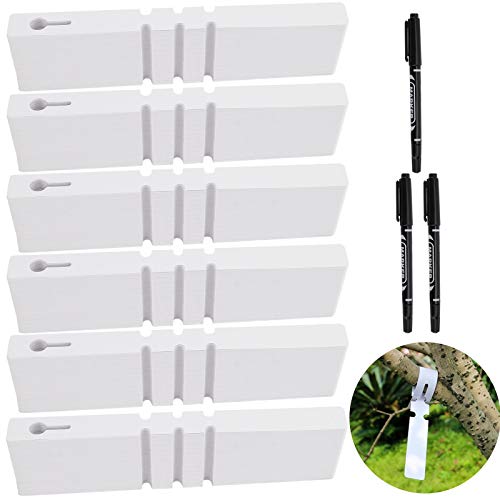
The ZOENHOU wrap-around tag takes a fundamentally different approach from every other option on this list. Rather than a soil stake, these white PVC tags wrap and lock around stems, branches, or any plant material — making them the only option here that works equally well on trees, shrubs, and climbing vines. The 1,200-piece count is substantial, and the adjustable three-size design adapts to different branch diameters without additional tools.
Premium PVC material gives these tags genuine toughness — they flex rather than snap under stress, and our team found them weather-resistant across multiple outdoor test cycles. The locking tab holds securely on branches without slipping, and the flat label surface offers enough room for plant names, dates, and brief notes. These are a practical solution for nursery operations tracking grafts, orchardists labeling fruit tree cultivars, or anyone managing woody plant collections.
For standard vegetable or flower seed trays, these are overkill — the wrap design doesn't translate well to small seedling plugs or compact cell packs. But for anyone labeling established trees or large container shrubs, no stake-style label comes close to the same stability. Anyone building out a larger outdoor plant setup might also consider pairing these with a proper outdoor storage deck box to keep extra tags and garden supplies organized.
Pros:
Cons:
FORUP's galvanized iron labels are the heaviest-duty soil stake option we tested. At 10.63 inches tall with a label area of 3.58 x 1.24 inches, these are slightly taller and wider than the GardenMate zinc option, giving a bit more writing room. The galvanized iron coating provides serious rust resistance — our team left these exposed through rain, morning dew, and direct sun over several weeks with no visible degradation. The two-foot stake design drives deep and stays fixed through wind and heavy watering.
The slightly tilted label angle is a thoughtful ergonomic detail. Labels can be read from a normal standing position without crouching, which adds up to genuine convenience when checking a long row of plants. The silver finish is clean and professional-looking in both formal garden beds and more naturalistic planting schemes.
One maintenance note from FORUP's own product description: scratching through the galvanized coating exposes raw iron that will rust. Most buyers should write on these with a soft-tip marker or pencil rather than anything abrasive. Handled properly, these should last multiple growing seasons without visible deterioration.
Pros:
Cons:
The biggest decision when selecting plant labels in 2026 comes down to material — and each category has genuine trade-offs:
Label size is a practical constraint that many buyers underestimate at purchase time. A narrow 2 cm plastic stake fits plant names fine, but variety codes, seed dates, and transplant notes quickly run out of space. Our team recommends prioritizing labels with at least 3 cm of label width for anyone tracking detailed cultivation records. Metal stakes in the 3–4 inch label-width range offer enough room for name, date, and a brief source note without crowding.
The writing surface texture matters as much as size. Smooth plastic or zinc surfaces accept most marker types without bleeding. Bamboo and rough wood surfaces may require a dedicated paint marker for clean, readable text. Chalkboard surfaces offer the unique advantage of being fully erasable — a strong fit for gardeners who relabel frequently.
Short 4-inch plastic stakes are nearly invisible once a plant fills in around them — which is fine for seed trays but makes garden-bed labels easy to lose. Taller metal stakes at 10–12 inches stay visible above most herbaceous plants through the full growing season. Consider the mature height of the plants being labeled: low annuals and ground covers can get by with short markers, while taller perennials, shrubs, and vegetable rows benefit from labels tall enough to read without parting the foliage.
Pack sizing ranges dramatically across this list — from 12 ceramic pieces to 1,200 plastic wrap tags. Most buyers planning a full garden season should calculate their labeling needs before purchasing, since buying in multiple small packs adds up quickly. Plastic bulk packs deliver the lowest cost per label by a wide margin. Metal labels cost more per unit but can be reused across multiple seasons, which shifts the value equation for permanent plantings. Ceramic and chalkboard options make more sense as accent pieces or for dedicated herb gardens than as primary labeling systems for a mixed vegetable plot.
Galvanized metal — either zinc or galvanized iron — consistently performs best outdoors over multiple seasons. The zinc or iron coating resists rust even in consistently wet climates. Ceramic is also highly weather-resistant but comes in pre-printed designs that can't be customized. UV-stabilized PVC plastic is a reliable third option for seasonal use, though it won't match the multi-year lifespan of quality metal stakes.
Yes — most plastic, metal, and ceramic labels can be wiped clean and reused. Plastic labels marked with permanent marker can often be cleaned with a small amount of rubbing alcohol. Metal labels accept pencil marks that are easy to erase. Chalkboard wood tags are specifically designed for repeated re-labeling. Natural bamboo labels may not survive full reuse cycles if they've been outdoors through a wet season, though many can last two or more seasons with proper storage over winter.
A dedicated waterproof or weatherproof permanent marker is the most reliable choice for outdoor plastic labels. Standard ballpoint and gel pen ink fades with UV exposure and washes off in rain faster than permanent marker formulations. Sharpie-type markers in fine point work well on most smooth white plastic surfaces. For metal labels, pencil is actually a practical option — it stays legible outdoors, doesn't wash off, and can be erased for reuse without solvents.
A small container herb or vegetable garden typically needs 20–50 labels per season. A medium home garden with multiple raised beds and a seed-starting setup generally needs 100–300 labels. Serious home growers starting seeds in trays may go through 500–1,000 labels in a single spring season. Large-scale community garden plots or small nursery operations often find 1,000-piece bulk plastic packs to be the most practical option. Ceramic or chalkboard labels are better suited as accent pieces rather than primary coverage for high-volume labeling.
Galvanized metal labels are generally considered safe for vegetable garden use. Galvanized steel uses a zinc coating, and while zinc is a metal, the amounts that might leach into surrounding soil from a small stake are negligible under normal garden conditions. There is no evidence that galvanized garden stakes pose a health risk to edible crops at typical garden densities. Gardeners with specific concerns about organic certification should check with their certifying body, as standards vary by region and certification program.
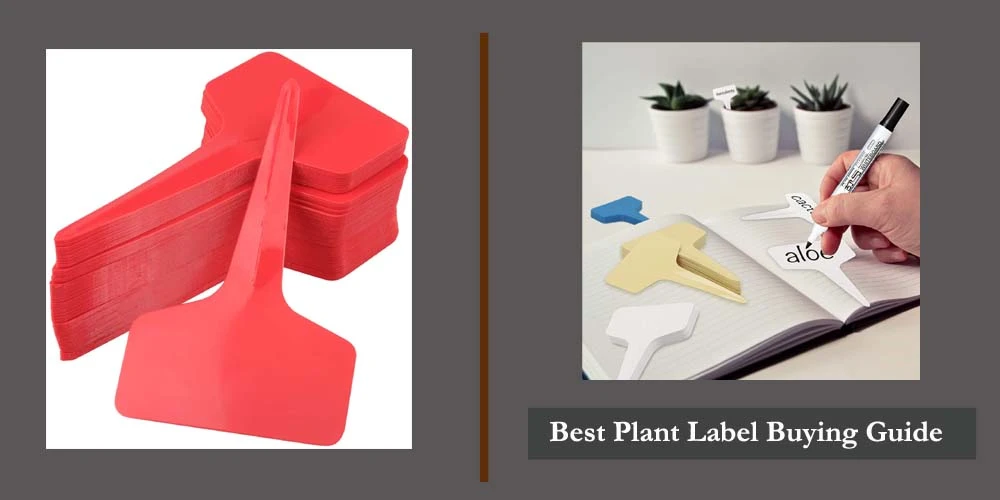
T-type labels have a wider flat head that sits horizontally atop the stake, providing a larger writing surface and preventing the label from sinking into the soil. Flat stakes are a simple pointed strip — easier to insert in tight spaces like cell packs but with a smaller writing area. Most gardeners find T-type labels more practical for in-ground use, while flat stakes are better suited to small seedling containers where space is at a premium. Both styles are widely available in plastic, bamboo, and wood.
The right plant label is the one that survives your climate, holds enough text to be useful, and costs little enough that running out never slows the garden down.
 |
 |
 |
 |

About Christina Lopez
Christina Lopez grew up in the scenic city of Mountain View, California. For eighteen ascetic years, she refrained from eating meat until she discovered the exquisite delicacy of chicken thighs. Christina is a city finalist competitive pingpong player, an ocean diver, and an ex-pat in England and Japan. Currently, she is a computer science doctoral student. Christina writes late at night; most of her daytime is spent enchanting her magical herb garden.


Get new FREE Gifts. Or latest free growing e-books from our latest works.
Disable Ad block to reveal all the links. Once done, hit a button below
|
|
|
|
 rinjal