reviewed by Truman Perkins
Learning how to grow mint in containers is one of the smartest moves you can make as a gardener — it keeps this aggressive spreader contained while giving you fresh herbs on demand. Whether you've got a sunny balcony, a kitchen windowsill, or a sprawling patio, container-grown mint thrives with minimal fuss. If you enjoy growing herbs indoors, you'll find mint even easier than projects like growing ginger root indoors. This guide covers everything you need to get started — from picking the right pot to harvesting armfuls of fragrant leaves.
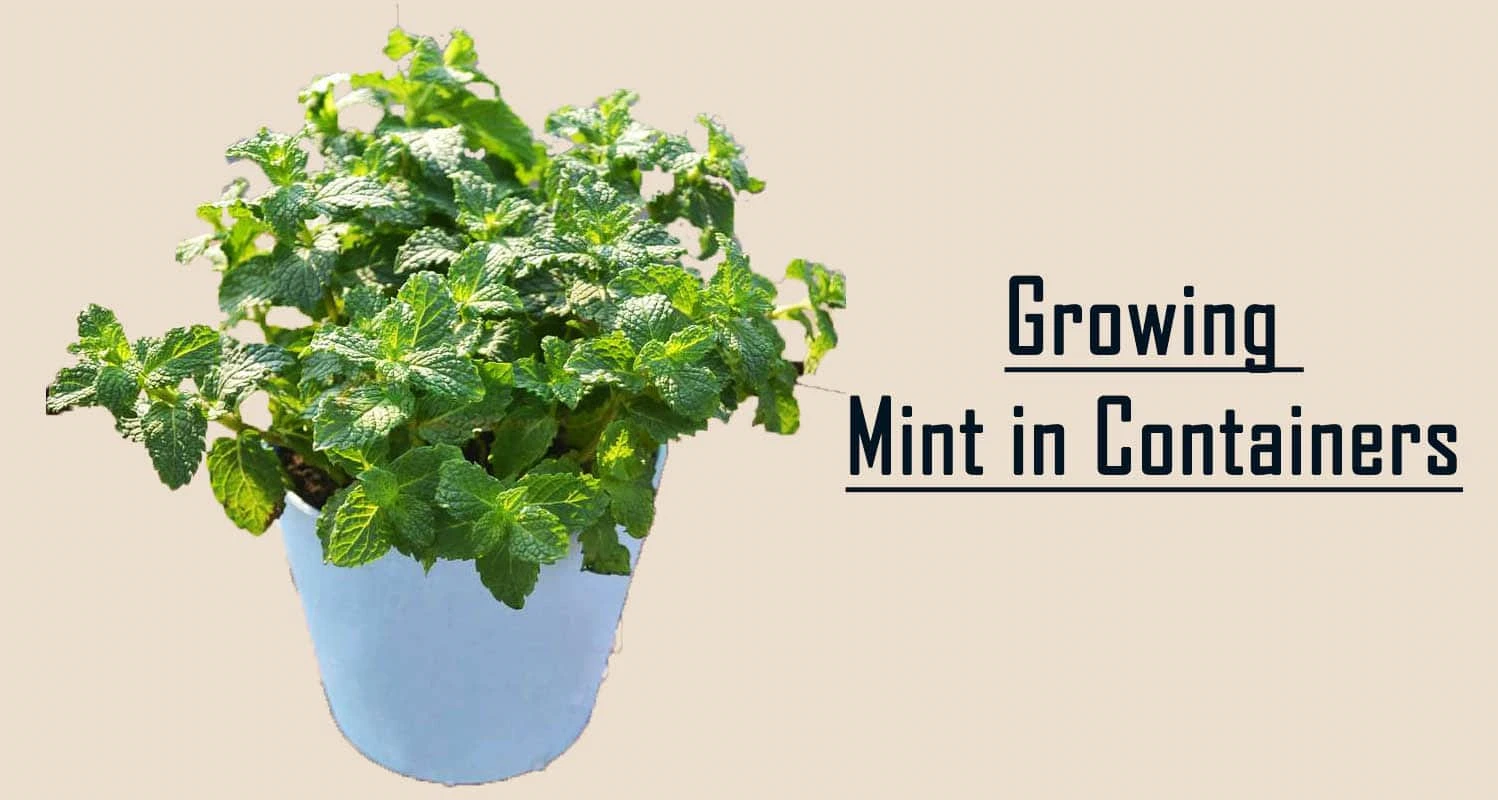
Mint belongs to the genus Mentha, a group of around 20 species known for vigorous growth and aromatic oils. Plant it directly in a garden bed and it'll colonize every inch within a single season. That's precisely why containers are the go-to method for most growers — you get all the flavor without the hostile takeover. Indoor and outdoor container setups each have their advantages, and you can switch between them as seasons change.
Below, you'll find a step-by-step breakdown of supplies, growing conditions, troubleshooting, and harvesting strategies so your mint stays productive and healthy all season long.
Contents
You don't need a fancy setup to grow mint successfully. A few well-chosen supplies make the difference between a scraggly plant and a lush, fragrant bush you'll harvest from constantly.
Mint's root system spreads horizontally, so go wide rather than deep. A container that's at least 12 inches in diameter and 8–10 inches deep gives roots enough room to establish without becoming rootbound too quickly. Material matters less than you'd think — plastic, ceramic, fabric grow bags, and terracotta all work. Just make sure there are drainage holes at the bottom.
If you're considering fabric options, check out our roundup of the best grow bags for indoor or outdoor gardening to find the right fit.
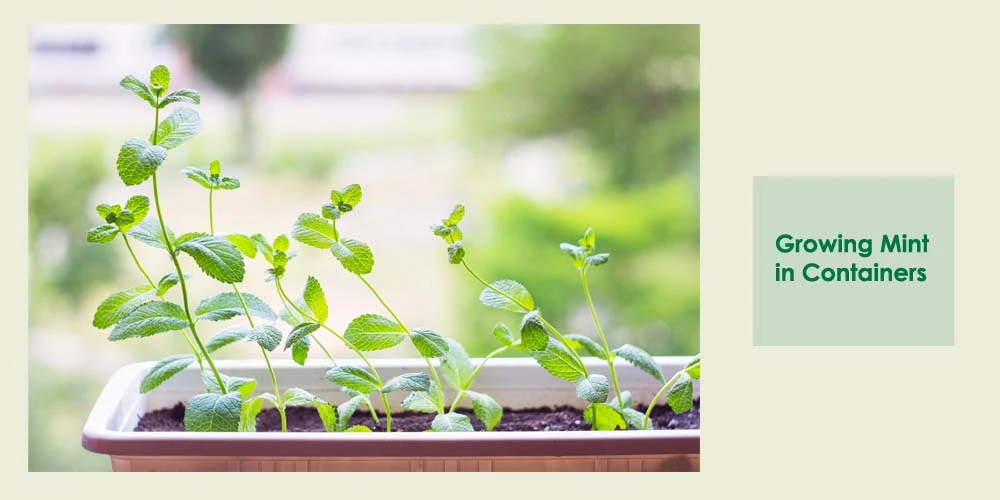
Mint prefers rich, well-draining soil with a pH between 6.0 and 7.0. A standard potting mix amended with perlite or coarse sand works perfectly. Avoid using garden soil — it compacts in containers and chokes the roots.
Feed with a balanced liquid fertilizer (10-10-10) every 4–6 weeks during the growing season. Mint isn't a heavy feeder, so don't overdo it — too much nitrogen actually reduces the concentration of essential oils in the leaves.
There are dozens of mint species and cultivars available, and most adapt beautifully to container life. Your choice comes down to intended use and flavor preference.
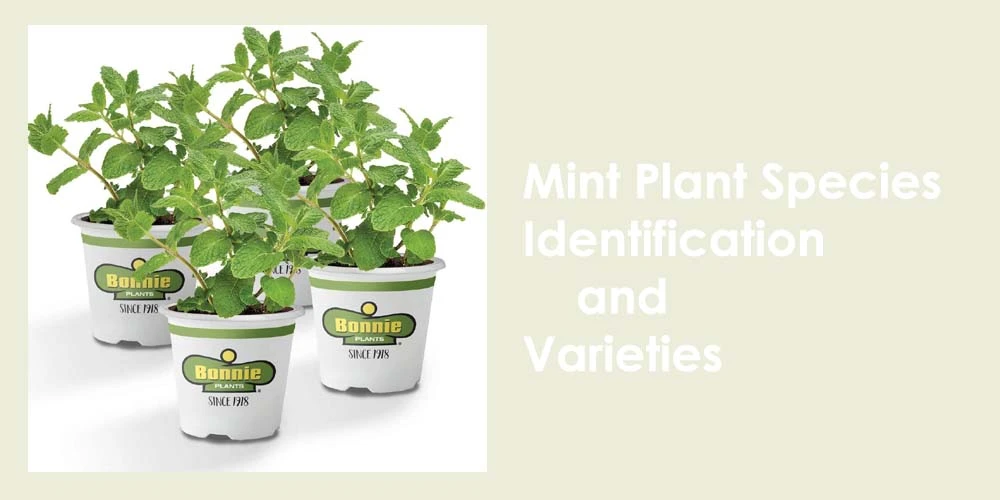
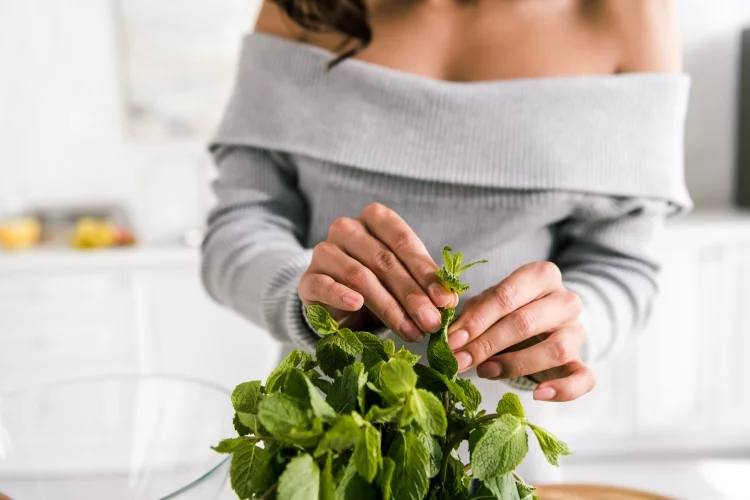
Peppermint (Mentha × piperita) delivers that classic cooling punch — perfect for teas, desserts, and cocktails. It prefers partial shade and consistently moist soil.
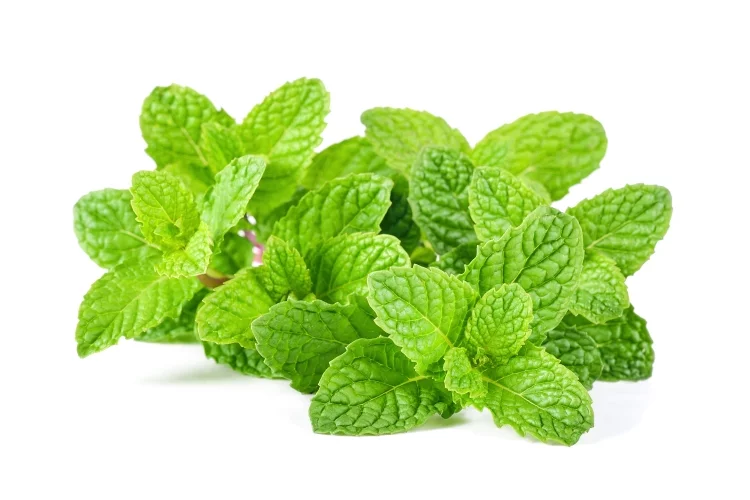
Spearmint (Mentha spicata) has a milder, sweeter flavor and is the go-to for savory dishes, salads, and Middle Eastern cuisine. It's arguably the most versatile variety for kitchen use.
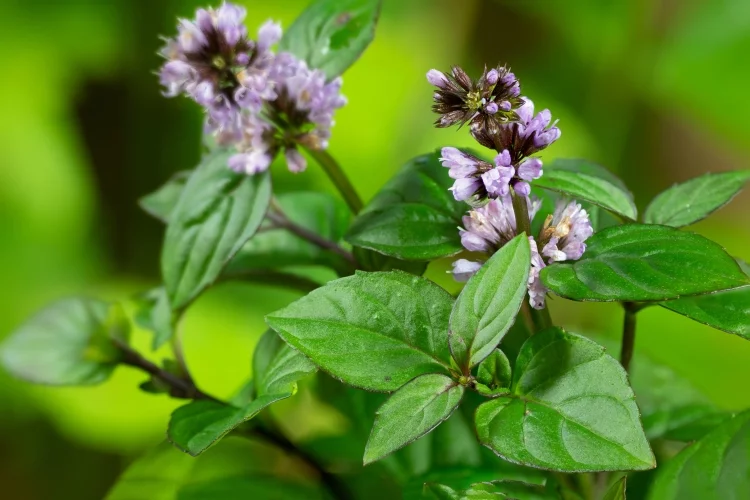

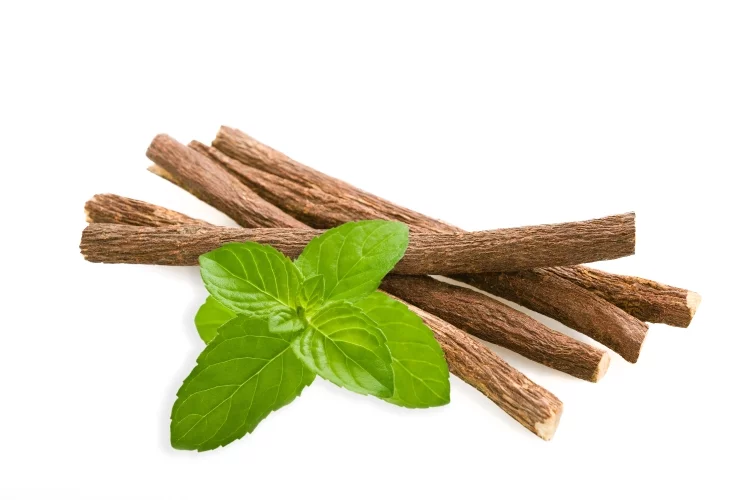
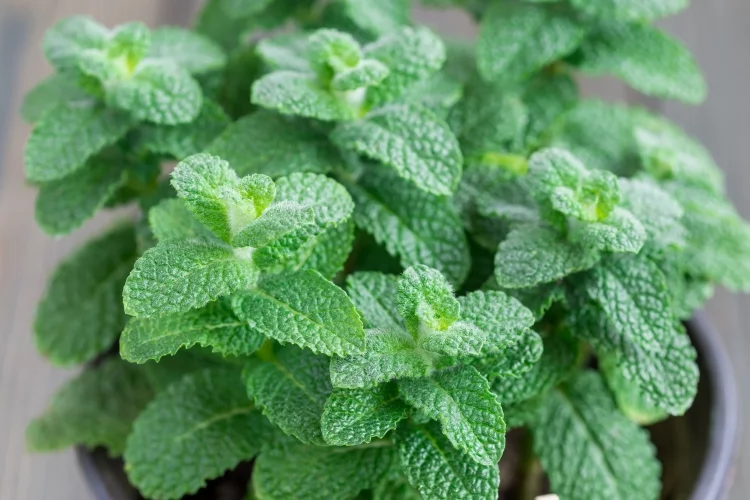
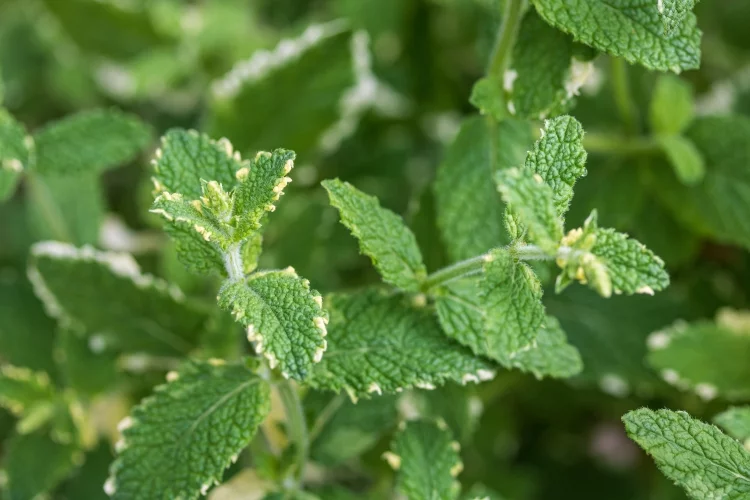
| Variety | Flavor Profile | Best Use | Growth Habit |
|---|---|---|---|
| Orange Mint | Citrusy, floral | Fruit salads, infused water | Upright, 18–24 in. |
| Chocolate Mint | Cocoa undertones | Desserts, hot chocolate | Spreading, 12–18 in. |
| Licorice Mint | Anise-like | Herbal teas, garnishes | Upright, 24–36 in. |
| Apple Mint | Fruity, mild | Jellies, cold drinks | Bushy, 18–24 in. |
| Pineapple Mint | Sweet, tropical | Ornamental, cocktails | Compact, 12–16 in. |
You can grow multiple varieties in separate containers and keep them side by side. Just avoid planting different mints in the same pot — they'll cross-pollinate and hybridize, muddying the flavors.
One of the biggest advantages of learning how to grow mint in containers is flexibility. You can move pots between indoor and outdoor settings based on the season and your available space.
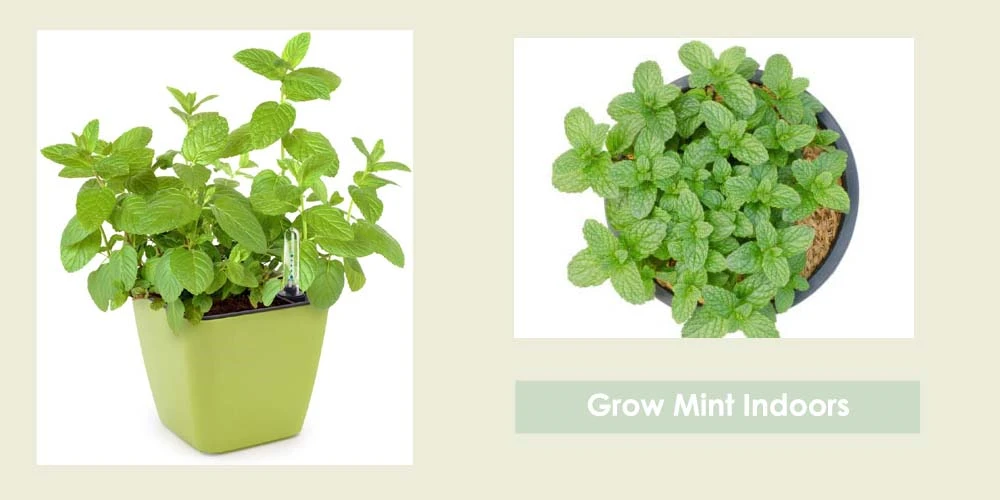
Indoor mint needs at least 4–6 hours of direct sunlight daily. A south-facing window is ideal. If natural light falls short, a basic LED grow light on a timer fills the gap — 12–14 hours of supplemental light keeps plants compact and productive.
Indoor growing works year-round, making it a solid option if you're working with limited gardening space.
Outdoors, mint is far less demanding. It handles full sun to partial shade, though afternoon shade in hot climates (zones 9+) prevents leaf scorch. Place containers on patios, balconies, or decks where you can access them easily for harvesting.
Mint is hardy in USDA zones 3–11, but container roots are more exposed to temperature swings than in-ground plants. In zones 3–5, overwintering in an unheated but frost-free space is your safest bet.
Container growing is overwhelmingly the recommended approach for mint, but it's worth understanding both sides before you commit.
Advantages:
Limitations:
The trade-offs are minor compared to the headache of removing invasive mint runners from your flower beds. Containers give you control — and that's worth the extra watering.
Mint is tough, but it's not bulletproof. Here are the issues you're most likely to encounter and how to handle them quickly.
Aphids are the number-one pest you'll deal with. They cluster on new growth and suck sap, causing curled, yellowing leaves. A strong blast of water knocks most of them off, and neem oil spray handles persistent infestations. For a full treatment guide, see our article on how to get rid of aphids naturally.
Mint rust shows up as small orange or brown pustules on the undersides of leaves. Remove and destroy affected foliage immediately — don't compost it. Improve air circulation by thinning dense growth and avoiding overhead watering.
Powdery mildew appears as a white, dusty coating on leaves, usually when airflow is poor and humidity is high. Space containers apart, prune for airflow, and apply a baking soda spray (1 tablespoon per gallon of water) as a preventive.
Leggy, stretched growth means insufficient light. Move the container to a brighter location or add supplemental lighting. Yellowing lower leaves typically signal overwatering — let the soil dry out slightly between waterings.
Start harvesting once your plant reaches 6–8 inches tall. The key to a bushy, productive plant is pinching stems just above a leaf node rather than pulling individual leaves. This forces the plant to branch out, doubling your harvest points with every cut.
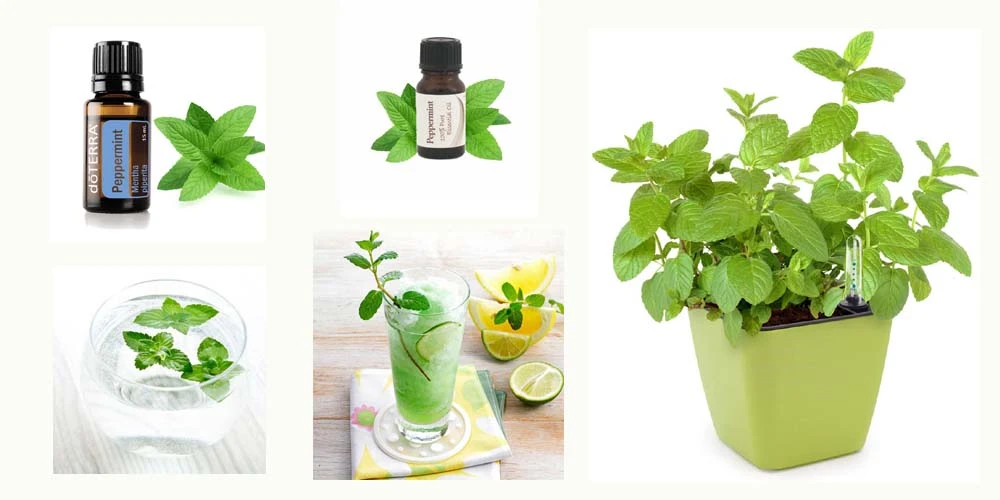
Fresh mint elevates everything from iced tea and mojitos to tabbouleh and lamb dishes. You can also dry leaves in a dehydrator or freeze them in ice cube trays with water or olive oil for long-term storage. Browse our gardening reviews for tools that make harvesting and preserving herbs even easier.
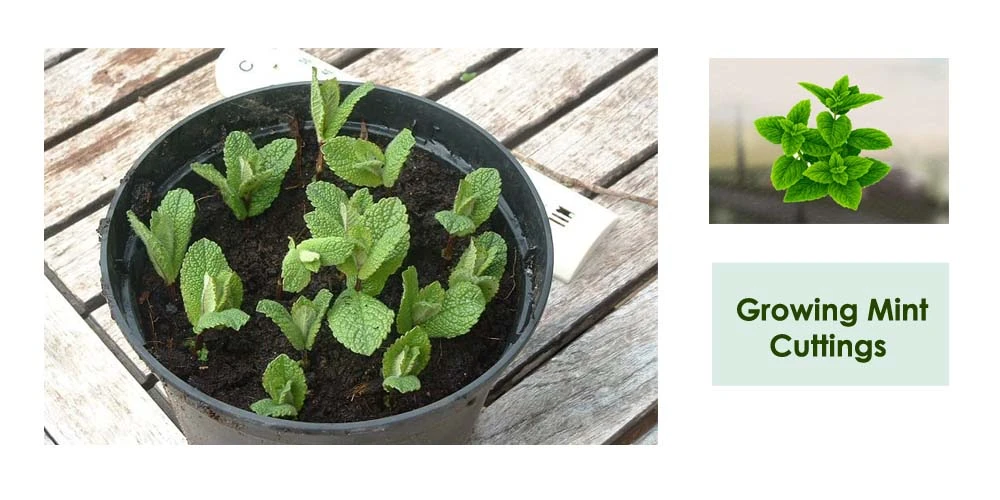
Mint propagates ridiculously easily from cuttings. Snip a 4–6 inch stem, strip the lower leaves, and place it in a glass of water. Roots appear within 5–7 days. Once roots reach an inch long, transplant into a prepared container.
You can also divide an established plant every spring. Pull the rootball out of the pot, separate it into 2–3 sections with a clean knife, and repot each section in fresh soil. Division reinvigorates older plants that have become woody or less productive.
Starting from seed is possible but slow and unreliable — most mint cultivars don't come true from seed. Cuttings and divisions are faster and give you an exact clone of the parent plant.
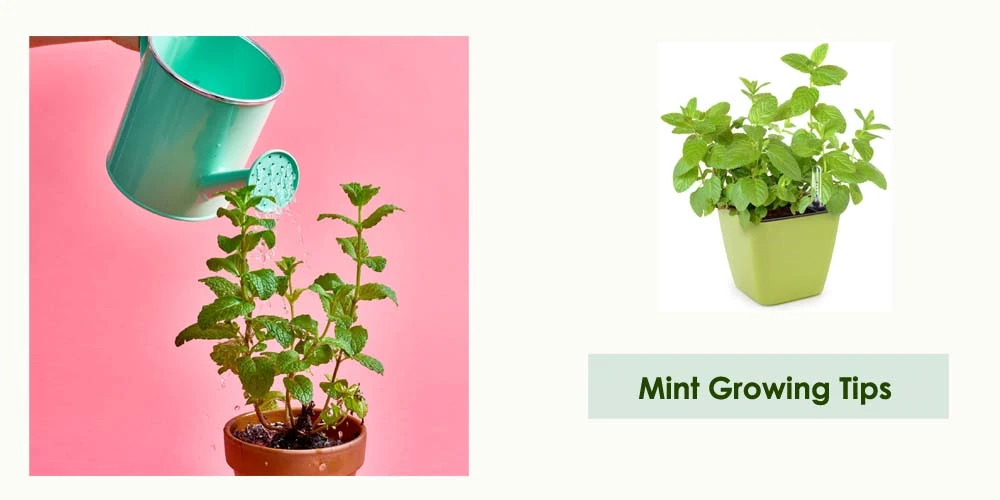
Water when the top inch of soil feels dry — typically every 1–2 days outdoors in summer and every 3–4 days indoors. Mint likes consistently moist (not soggy) soil. Containers with drainage holes prevent waterlogging, which causes root rot.
Yes. Indoors, mint grows year-round with adequate light and temperatures between 65–75°F. Outdoors, it goes dormant in winter but returns in spring in zones 3–11. Move containers indoors before hard frost to maintain continuous harvests.
A container at least 12 inches wide and 8–10 inches deep works well for a single plant. Mint spreads laterally, so width matters more than depth. Larger pots (16–18 inches) let plants establish bigger root systems and produce more foliage.
Mint performs best in 4–6 hours of direct sunlight daily. It tolerates partial shade and actually prefers afternoon shade in hot climates (zones 9+). Too little light produces leggy stems with reduced flavor and aroma.
Yellowing leaves usually indicate overwatering, poor drainage, or nutrient deficiency. Check that your pot has functioning drainage holes, let soil dry slightly between waterings, and feed with a balanced liquid fertilizer every 4–6 weeks during the growing season.
It's not recommended. Different mint species cross-pollinate easily, producing hybrid offspring with muddied flavors. Grow each variety in its own container to preserve distinct flavor profiles.
Regular harvesting is the best prevention. Pinch or cut stems just above leaf nodes every 1–2 weeks to encourage branching. Ensure the plant gets enough light — leggy growth almost always traces back to insufficient sunlight.
Cuttings are far superior. They root in 5–7 days, produce a genetic clone of the parent, and reach harvestable size weeks faster than seed-grown plants. Most named mint cultivars don't come true from seed anyway.
You now have everything you need to grow mint in containers — indoors, outdoors, or both. Grab a 12-inch pot, fill it with well-draining mix, and start with a cutting or nursery transplant for the fastest results. Within a few weeks, you'll be pinching off fresh leaves for your cooking, drinks, and teas, wondering why you didn't start sooner.
 |
 |
 |
 |

About Truman Perkins
Truman Perkins is a Detroit-based SEO consultant who's been in the business for over a decade. He got his start helping friends and clients get their websites off the ground, and he continues to do so today. In his free time, Truman enjoys learning and writing about gardening - something he believes is a natural stress reliever. He lives with his wife, Jenny, and their twins in Detroit.


Get new FREE Gifts. Or latest free growing e-books from our latest works.
Disable Ad block to reveal all the links. Once done, hit a button below
|
|
|
|
 rinjal