What's the single best pot for your orchids in 2026 — and does it even matter which one you choose? It absolutely does, and if you've ever watched a Phalaenopsis decline despite perfect watering, the container is likely the culprit. Our top pick is the Lechuza ORCHIDEA Self-Watering Pot, which combines a beautiful exterior with a reservoir system that all but eliminates overwatering — the number-one killer of orchids worldwide. But it's not the right choice for every grower, and that's exactly why this guide exists.
Orchids are not like most houseplants. Their roots need air just as much as moisture, which is why standard potting soil and sealed ceramic pots spell disaster. Whether you grow Phalaenopsis, Cattleya, or Dendrobium, the container you choose directly controls root health, watering frequency, and ultimately whether your plant blooms year after year. You can browse our broader gardening reviews for more plant care resources, but this post zeroes in on one specific, high-stakes decision: the pot.
We've researched and compared dozens of orchid pots — clear plastic, terracotta clay, glazed ceramic, self-watering — to bring you this definitive 2026 list. Each pick below has been selected for its drainage design, material quality, and real-world performance with live orchid roots. By the end, you'll know exactly which pot fits your growing style, your home décor, and your plant's needs.

Contents







If you want a pot that practically manages itself, the Lechuza ORCHIDEA is the gold standard for self-watering orchid containers in 2026. The system works through a reservoir built into the base: water sits below a transparent liner, and the orchid's roots draw moisture upward through capillary action only when they need it. You fill the reservoir every 1–2 weeks instead of guessing whether the bark has dried out, which transforms orchid care from anxious daily checking to confident, scheduled maintenance.
The pot ships as a complete set — a matte white outer planter (7.1 inches wide, 7.7 inches tall), a transparent inner liner with ventilation slots, and a bag of Lechuza-Pon substrate. That substrate is the key detail most reviews gloss over. It's a mineral granulate that holds just enough moisture while allowing excellent airflow around roots. You're not just buying a pot; you're buying a calibrated growing system. The matte white finish is refined without being flashy, sitting cleanly in modern and minimalist interiors alike.
One honest trade-off: the Lechuza system rewards growers who are consistent. If you overfill the reservoir repeatedly, roots can still rot in standing water — the system slows mistakes, but doesn't eliminate them entirely. The 7.1-inch diameter is ideal for medium Phalaenopsis, but large specimen plants may outgrow it. For growers who travel frequently or simply want a worry-free setup, this pot delivers a level of reliability that no bare plastic pot can match.
Pros:
Cons:
For the orchid grower who wants function without spending much, the TRUEDAYS 4-pack delivers exactly what orchid roots need at a price that makes stocking up painless. Each 5-inch clear pot is designed from the ground up for orchid culture — multiple drainage holes on the sides and bottom ensure water never pools, and the fully transparent walls let you see root color, moisture levels, and bark saturation without lifting the pot or disturbing the plant. Visibility is the biggest advantage of clear plastic pots, and TRUEDAYS executes this well.
The plastic feels solid enough to resist cracking under normal repotting stress. These aren't flimsy one-season disposables — you can wash and reuse them across multiple repotting cycles, which makes the value-per-pot even better than the upfront price suggests. At 5 inches, they're a strong fit for standard Phalaenopsis and compact Dendrobium. They also drop cleanly into most decorative ceramic cachepots, so you get the airflow benefits of a slotted plastic liner with the aesthetics of a nicer outer pot.
The main limitation is straightforward: clear plastic isn't particularly attractive on its own, and it discolors somewhat over months of sun exposure. If you grow in a bright south-facing window, consider pairing these with an outer cover pot or rotating them occasionally. Still, for beginner orchid growers learning to read root health visually, this pack is one of the best teaching tools available — you see exactly what's happening beneath the bark.
Pros:
Cons:
When you grow orchids of different ages and sizes, a single pot size rarely covers everything. This 6-pot set solves that problem immediately by giving you two each of three sizes: 4.3, 5.5, and 6.1 inches. That range spans seedlings and compacts all the way up to mature specimen plants, so when repotting day arrives, you're not scrambling to order the right size. Having the right size pot on hand is half the battle with orchids, which need snug containers to bloom reliably.
The material is high-quality PP plastic — noticeably thicker and stiffer than budget alternatives. Drop these pots and they bounce rather than shatter, which matters during repotting when things inevitably get fumbled. The drainage and ventilation hole design has been thoughtfully upgraded: the perforations are sized to keep bark and moss mix from falling through while still providing meaningful airflow. That's a genuine design improvement over older clear pots where potting medium would pour out of oversized slots.
Clear walls make root monitoring easy, and the pots are reusable and dishwasher-safe for sterilization between plants. The main trade-off of this set is that two pots per size may not be enough if you're running a large collection. But if you're a home grower with 6–15 plants across different growth stages, this single purchase covers nearly every repotting scenario you'll face for a season.
Pros:
Cons:
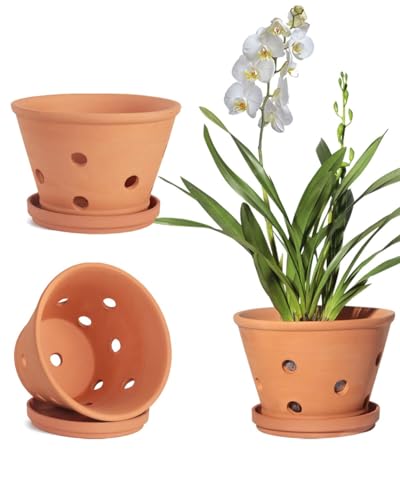
Clay terracotta is the oldest orchid pot material for a reason: it breathes. The vensovo terracotta pots are baked at 1,796°F, which produces dense, crack-resistant walls that still allow gas and moisture exchange through their porous surface. Porous clay walls regulate root zone humidity in a way that no plastic can replicate — moisture evaporates through the sides, which both cools the root zone and speeds the dry-out cycle between waterings. For orchid growers in humid climates where overwatering is a constant risk, terracotta provides a natural buffer.
What sets these pots apart from standard terracotta is the side hole design. The body of each pot has multiple perforations specifically positioned to circulate air around the root mass, not just drain water from the bottom. At 6 inches outer diameter and 4.6 inches tall, the dimensions suit most standard Phalaenopsis. Each pot ships with a matching saucer, which catches excess water cleanly and looks polished on a windowsill. The manufacturer tested each piece with a 3-foot drop test before shipping, which matters — terracotta that chips on delivery is a persistent problem with cheaper clay pots.
You should know upfront that terracotta is heavier than plastic and will need more frequent watering during warm months because moisture evaporates through the walls. If you're used to watering every 10–14 days with plastic, expect to water every 7–10 days with terracotta in summer. But for growers who tend to overwater — and that's most of us — the extra drying speed is a feature, not a problem. If you're also thinking about other specialty containers, our guide to best pots for indoor plants covers materials in even more depth.
Pros:
Cons:
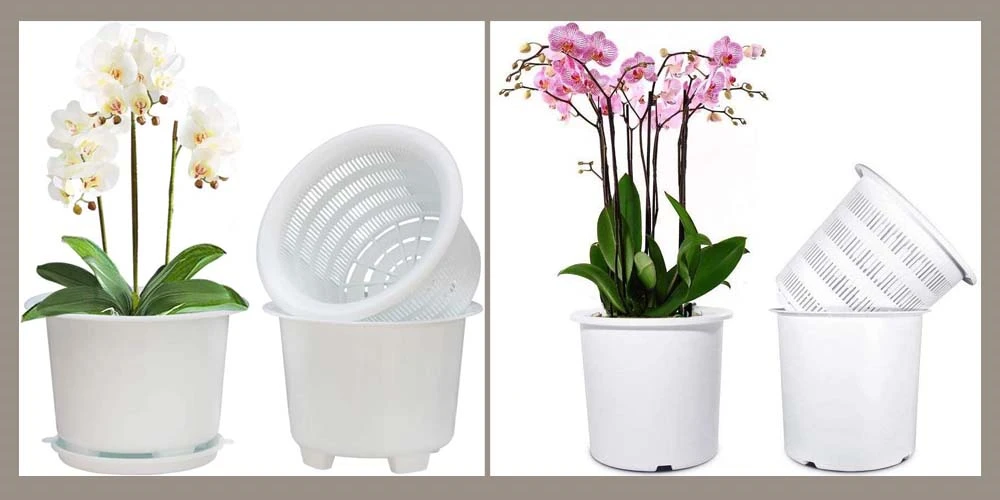
rePotme is one of the most respected names in dedicated orchid supply, and these slotted clear pots explain why. The design goes further than standard drainage holes — deep vertical slots run up the sides of each pot, creating a level of airflow that mimics the aerial root exposure orchids experience growing on tree bark in nature. These slots are the defining feature: they allow roots to extend outward slightly, remain fully aerated, and dry out quickly after watering, preventing the stagnant moisture pockets that lead to root rot.
The 6-inch diameter is a versatile size that fits mature Phalaenopsis and medium-sized Cattleya, Oncidium, and Dendrobium. The crystal-clear plastic incorporates UV stabilizers, meaning these pots resist yellowing and brittleness even under bright grow lights or a sunny window — a detail that matters over a multi-year repotting cycle. They work with bark, moss, semi-hydroponic media, or any other potting mix without clogging or degrading. Three pots per pack gives you enough to handle a small collection in a single order.
The slots do mean that loose potting media like fine perlite or small moss strands can work their way out over time. These pots perform best with chunky bark mixes or larger media grades. They're also designed to be used as inner liner pots inside a more decorative outer container — the slots become a visual feature rather than a design concern. For a grower who prioritizes root health above all else, these rePotme pots deliver the most orchid-appropriate airflow environment on this list.
Pros:
Cons:
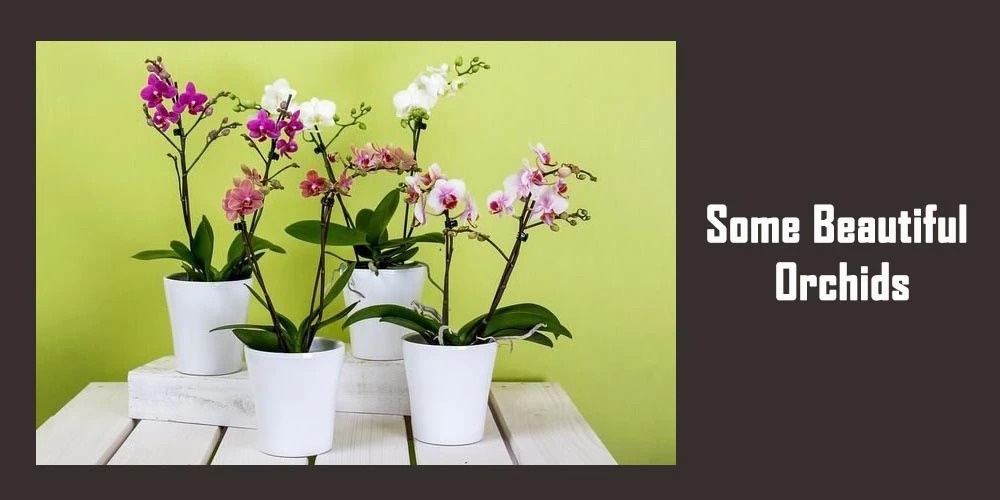
Most orchid pots force you to choose between function and appearance. The D'vine Dev solves that trade-off with a two-piece design: a glazed olive-green ceramic outer pot with lattice cutouts for airflow, and a practical clear plastic nursery insert that handles drainage independently. You get the warmth and sophistication of a full-glazed ceramic piece on your shelf while the roots inside live in a properly aerated, draining environment. This 2-in-1 system is the best design solution for growers who care about both aesthetics and plant health.
The glazed finish is high quality — not the thin coating that chips under normal use, but a full ceramic glaze that holds up to watering splashes and humidity without clouding or peeling. The lattice cutout design adds visual texture and allows some passive airflow through the outer pot while also letting light filter to the nursery insert inside. The included nursery pot has drainage holes and the saucer is unusually tall, which enables bottom watering — a technique that thoroughly saturates bark media without leaving roots sitting in pooled water.
The 4.5-inch diameter is compact, making this pot the right fit for Phalaenopsis minis, small compacts, or younger plants. Larger standard orchids will outgrow it. But within its size range, this is the most visually polished orchid pot on this list — the kind of piece that makes your orchid look like décor rather than a plant project. If you're shopping for gifts or want your windowsill collection to look intentional rather than improvised, this is the pot to reach for. Those interested in pairing plants with the right accessories might also find our roundup of best plant saucers useful for keeping displays clean and water-damage free.
Pros:
Cons:
T4U makes terracotta pots specifically engineered for orchid growers who understand root science, and the difference in design compared to generic clay pots is immediately apparent. Each 6-inch pot has nine side ventilation holes measuring 0.4 inches each — that's a specific, deliberate specification rather than a vague "multiple holes" claim. Those nine vents are sized precisely to allow meaningful airflow while still holding orchid bark and moss media inside the pot without constant spillage. The nine-vent configuration is the most technically refined side-hole design on any terracotta pot in this price range.
The clay itself is unglazed, which is the correct choice for orchid culture. Unglazed terracotta breathes through its entire surface area — every square inch of the pot wall participates in moisture regulation and air exchange. This makes overwatering much harder because the walls actively wick excess moisture away from the root zone. For beginners who tend to water on a schedule rather than by feel, the forgiving nature of unglazed clay provides a genuine safety margin. According to orchid biology, most epiphytic species evolved with roots exposed to open air and rapid drying cycles — unglazed terracotta is the closest approximation of those conditions in a pot.
A set of four 6-inch pots at this price is genuinely good value for a terracotta product of this quality. The pots are heat-resistant and notably stable — heavier than plastic, they won't tip over under a top-heavy Phalaenopsis spike. Experienced growers who've lost plants to wobbly plastic pots will appreciate that stability. Pair these with a moisture meter to dial in your watering intervals when transitioning from plastic, and you'll quickly find the rhythm these pots reward.
Pros:
Cons:
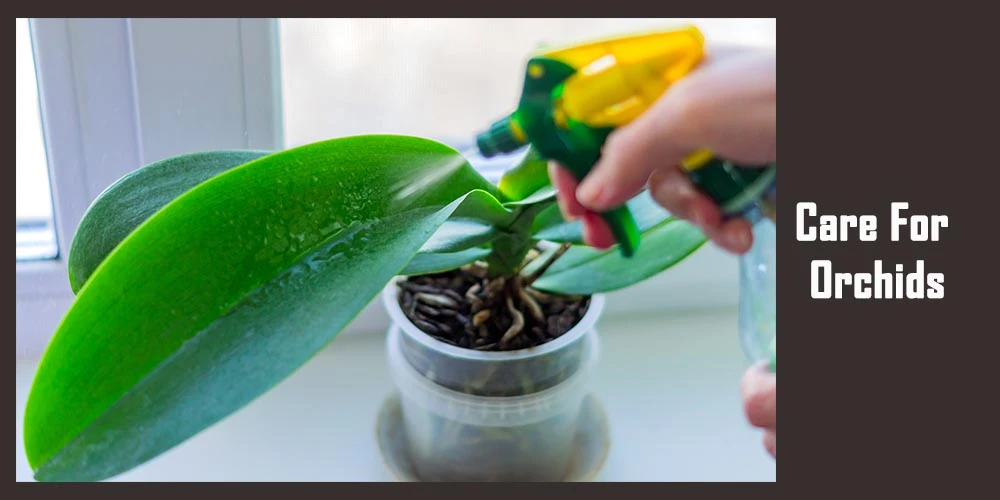
Choosing the right orchid pot is less about brand preference and more about matching the container to your growing conditions, your orchid species, and your own watering habits. Here are the four criteria that actually matter when you're standing in front of a shelf of options — or scrolling through listings.
Material controls airflow, moisture retention, and root health more than any other variable. Unglazed terracotta is the most forgiving material for overwater-prone growers because the porous walls actively remove excess moisture by evaporation. Clear plastic is the best material for root monitoring and for beginners who need visual feedback on root health and bark moisture. Glazed ceramic looks the best but offers no passive moisture regulation — it functions as a cachepot unless specifically designed with drainage holes and inserts, like the D'vine Dev above. For most Phalaenopsis growers, clear plastic with a decorative ceramic outer pot is the most practical combination in 2026.
A single drainage hole at the bottom is the minimum, not the ideal. Orchid roots need 360-degree airflow, which means side ventilation holes matter just as much as bottom drainage. Look for pots with perforations up the sides of the pot wall — not just at the rim. The hole sizing matters too: holes that are too large let media fall through and require constant topping up, while holes that are too small restrict airflow without adding any protection. Products like the T4U terracotta and the rePotme slotted pots represent opposite ends of the design spectrum, and both solve the ventilation problem effectively in different ways. For growers who also maintain other specialty plants, the same principles apply — our guide on best pots for aloe plants covers drainage design in a closely related growing context.
Resist the instinct to size up when repotting. Orchids bloom most reliably when their roots are slightly crowded — a pot that's 1–2 inches wider than the root ball is the correct target, not the largest pot that fits on your shelf. Oversized pots hold excess moisture in unused media at the perimeter, which rots the outer roots and stresses the plant even if you water carefully. When shopping multi-size sets like the 3-size clear pot set reviewed above, use the smaller size rather than the larger one when you're unsure. It's better to repot again in a year than to lose a plant to an overly spacious container.
Self-watering orchid pots — primarily represented by the Lechuza ORCHIDEA on this list — are worth the premium price if you travel frequently, forget to water, or grow in a very dry climate where bark dries out faster than ideal. The reservoir system slows the watering rhythm without creating waterlogged conditions, provided you use the manufacturer's recommended substrate. Standard pots require more attentive care but give you more direct control over the root environment, which experienced growers often prefer. The choice between self-watering and standard ultimately comes down to your lifestyle and collection size: one or two prized plants benefit from the precision of a self-watering system; a collection of thirty plants across multiple species is easier managed with consistent standard containers.
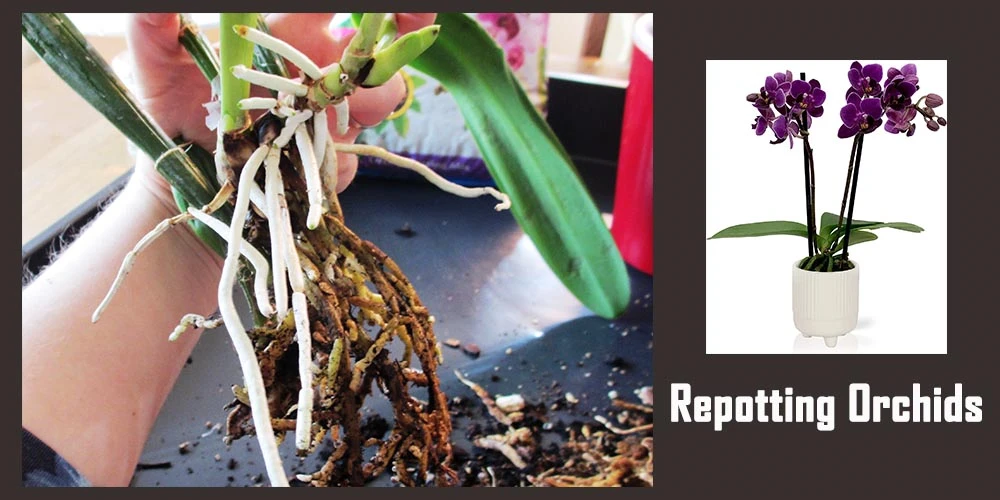
Clear plastic pots with side ventilation holes are the most practical choice for most home orchid growers because they allow root monitoring and provide good drainage. Unglazed terracotta is the best choice for growers in humid climates or those who tend to overwater, as the porous walls actively remove excess moisture. Glazed ceramic pots work best as decorative outer containers paired with a functional plastic or terracotta inner liner.
Yes. Standard garden pots are designed to retain moisture, which is the opposite of what orchids need. Orchids are predominantly epiphytes — they evolved growing on tree bark with their roots exposed to air and rapid drying cycles. Orchid-specific pots have side holes or slots in addition to bottom drainage, and they're typically sized snugly around the root mass rather than providing excess soil volume. Using a standard pot with no side ventilation is one of the most common reasons orchids fail to rebloom.
Clear pots are highly beneficial, especially for beginners, because they let you observe root color and moisture levels without disturbing the plant. Healthy orchid roots are bright green when recently watered and silvery-grey when dry and ready for water. This visual cue removes the guesswork from watering schedules. That said, clear pots discolor over time under direct light, and they're not as attractive as ceramic or terracotta options — many growers use clear plastic as an inner liner inside a more attractive outer pot.
Most orchids need repotting every 18–24 months. The triggers to look for are roots escaping over the rim in large quantities, bark media that has broken down into fine particles and compacted, or roots that have turned brown and mushy rather than staying firm and white. When repotting, move to a pot only 1–2 inches larger than the current one — resist the temptation to size up significantly. Spring, just after blooming finishes, is the ideal window for repotting Phalaenopsis in 2026.
Standard terracotta pots with only a bottom drainage hole are a significant upgrade over plastic nursery pots, but they're not ideal for orchids because they lack side ventilation. Orchid-specific terracotta pots like the vensovo and T4U options reviewed here are designed with multiple side holes that allow the kind of root-zone airflow orchids require. If you only have standard terracotta available, it's usable, but you'll need to compensate by choosing a very open, chunky potting mix and watering more carefully.
A standard mature Phalaenopsis grows best in a 5–6 inch pot. When you repot, choose a pot that's 1–2 inches wider than the current root ball — no more. Many growers mistakenly use 8 or 10-inch pots thinking more space means healthier growth, but this actually delays or prevents reblooming. The snug fit encourages root-to-wall contact, which signals the plant that its root system has filled the available space and triggers the flowering response. Use a 4-inch pot for miniature Phalaenopsis varieties.
 |
 |
 |
 |

About Truman Perkins
Truman Perkins is a Detroit-based SEO consultant who's been in the business for over a decade. He got his start helping friends and clients get their websites off the ground, and he continues to do so today. In his free time, Truman enjoys learning and writing about gardening - something he believes is a natural stress reliever. He lives with his wife, Jenny, and their twins in Detroit.


Get new FREE Gifts. Or latest free growing e-books from our latest works.
Disable Ad block to reveal all the links. Once done, hit a button below
|
|
|
|
 rinjal