reviewed by Christina Lopez
Manual watering wastes up to 50% more water than timed automated systems — a figure that demands serious attention from every gardener committed to efficiency and plant health. Automatic water sprinklers for gardens have evolved well past simple oscillating heads on a hose-end timer; modern systems integrate soil moisture sensors, pressure-compensating nozzles, and smart weather-responsive controllers. If you grow in the plants, herbs, or farming space, understanding irrigation automation is as fundamental as knowing your soil type or sun exposure patterns.
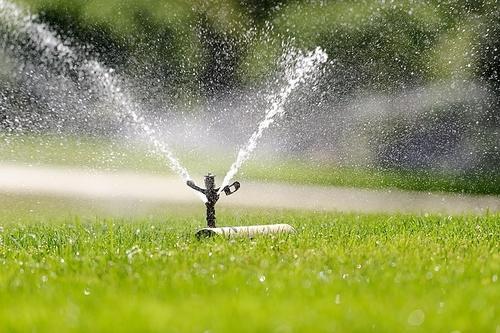
A well-designed automatic irrigation system delivers water at the right time, in the right volume, precisely where root zones need it most. The gap between a system that optimizes plant health and one that waterloggs your beds — or leaves them chronically dry — comes down to setup decisions most gardeners make once and rarely revisit. This guide takes you through each of those decisions with the rigor they deserve: system selection, timing strategy, common misconceptions, and long-term maintenance.
Whether you are converting from hand-watering or upgrading an aging hose-end timer, these principles apply across garden scales and climate zones. Understanding the full picture before you buy or install prevents the expensive retrofitting that catches so many gardeners off guard in their second season.
Contents
Every automatic irrigation setup, regardless of scale or price point, runs on the same four-part architecture: a water source, a controller, a valve manifold, and distribution heads. Your controller — whether a basic mechanical dial or a Wi-Fi-connected smart hub — sends a signal to open solenoid valves, allowing pressurized water to flow through lateral lines to the sprinkler heads. The controller is the brain, but the heads determine actual coverage quality. Pressure matters more than most beginners realize; most residential heads are calibrated to operate at 30–45 PSI. Run them at 70 PSI without a pressure reducer and you get fine mist instead of irrigation — droplets that evaporate before ever penetrating the soil surface.

Fixed spray heads deliver a continuous fan-shaped pattern at a set radius — typically 4 to 15 feet — and apply water quickly, making them ideal for small, densely planted beds that need even saturation without extended run times. Rotary heads spin and throw streams in wide arcs, covering larger areas at a slower application rate, which makes them the right choice for lawns and wide vegetable rows where clay soils need time to absorb moisture before runoff begins. Oscillating heads cover a rectangular footprint efficiently but are more vulnerable to wind drift than pop-up rotors buried flush to grade, limiting their effectiveness in exposed positions.
For raised beds and container-dense setups, micro-spray heads and drip emitters extend the automatic water sprinklers for gardens concept to a precision scale. These low-volume emitters deliver water directly at the root zone, cutting evaporation losses dramatically and protecting foliage from constant wetting. If you already maintain a careful routine for watering your plants and herbs, an automatic drip system replicates that precision without the daily time commitment.
| Head Type | Coverage Radius | Application Rate | Best For | Wind Resistance |
|---|---|---|---|---|
| Fixed Spray | 4–15 ft | High (1.5–2.5 in/hr) | Small beds, borders | Low |
| Rotary Rotor | 15–50 ft | Low (0.4–1.0 in/hr) | Lawns, wide rows | High |
| Oscillating | Up to 3,600 sq ft | Medium (1.0–1.8 in/hr) | Rectangular garden beds | Medium |
| Micro-Spray | 2–8 ft | Very low (0.1–0.5 in/hr) | Raised beds, containers | Low |
| Drip Emitter | Point source | Ultra-low (0.5–2 GPH) | Root-zone irrigation, herbs | None |
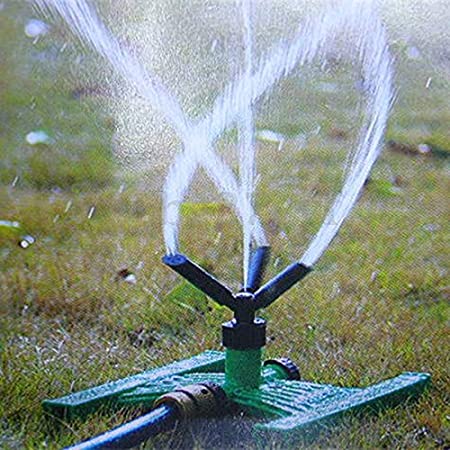
If you are starting your irrigation journey, a hose-end timer paired with a quality oscillating or three-arm rotating sprinkler delivers automated watering without any trenching or plumbing work. The three-arm rotating design covers circular zones efficiently and requires nothing more than a standard garden hose connection. These units cost under $30 and, combined with a $20 digital timer, give you seven-day scheduling with multiple daily run slots — a genuine upgrade from manual watering with minimal financial commitment.
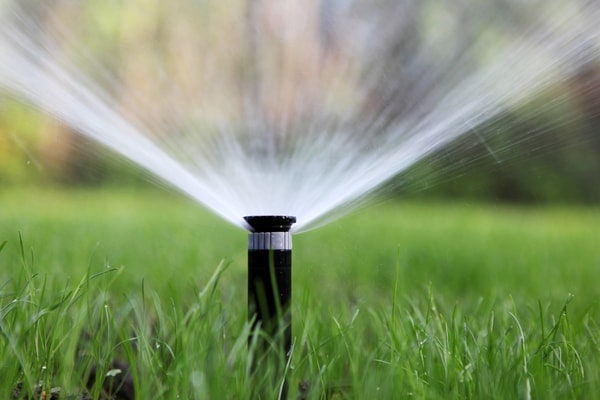
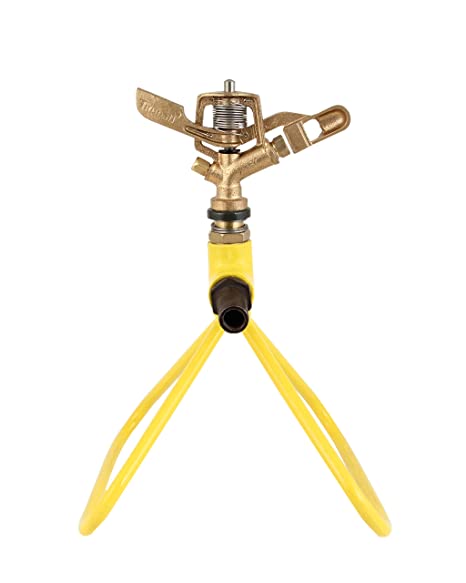
The Topbathy adjustable sprinkler and similar multi-arm garden heads represent the next step up: adjustable nozzle angles, heavier brass internals, and coverage patterns you can fine-tune without tools. These suit gardeners who have a defined bed shape but are not yet ready to commit to underground pipe runs. The limitation is that these systems still require you to reposition the head between zones, which undermines the automated benefit once your garden expands past a single irrigated area.
Pro tip: Always schedule your automatic sprinkler runs between 5 and 7 AM — evaporation is lowest at that hour, foliage dries fully before nightfall, and you dramatically reduce fungal disease pressure across every plant type.
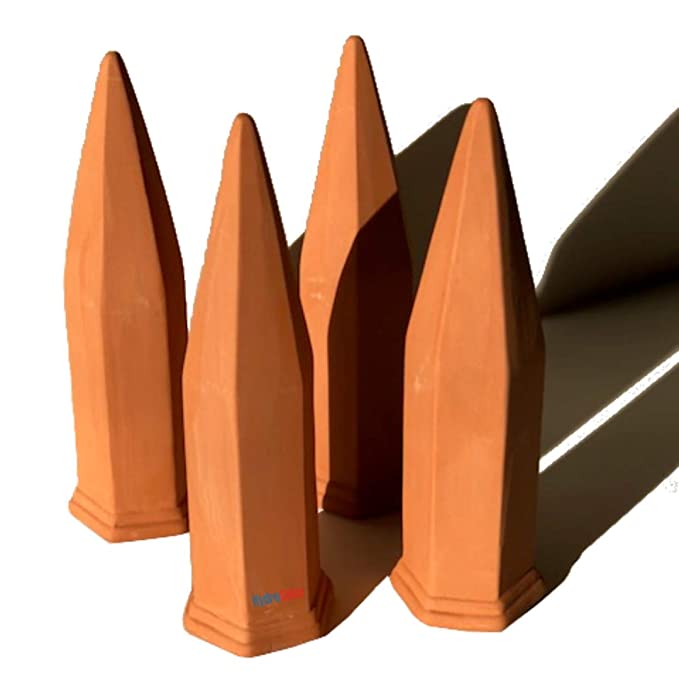
Multi-zone in-ground systems with smart controllers represent the serious end of the irrigation spectrum. Individual solenoid valves control discrete zones — each matched to specific plant communities, sun exposure, and soil type — while a smart controller pulls real-time WaterSense-certified evapotranspiration data to skip cycles when rainfall has already met weekly demand. These systems routinely reduce water consumption by 30–50% compared with fixed-schedule timers, making them the most cost-effective choice at scale. If you grow a productive kitchen garden alongside ornamentals and lawn areas, multi-zone architecture is the only approach that serves each plant community's genuinely different water requirements.
Installation involves laying polyethylene or PVC lateral lines, positioning valve boxes at logical manifold points, and programming zone runtimes using head precipitation rates and soil infiltration data. Many serious gardeners tackle this as a single DIY weekend project after properly tilling and preparing the garden beds — the soil work and pipe-laying share the same disruption window, making it logical to combine both operations into one efficient effort.
Automatic sprinkler systems perform at their best when your irrigation schedule must hold steady regardless of your personal calendar — during travel, heat waves, or demanding work periods that leave no time for hose duty. Established vegetable beds, fruit trees, berry canes, and lawn areas all respond well to consistent soil moisture cycling, and automation delivers that consistency far more reliably than human memory or intuition. Gardens with uniform, well-defined bed shapes — rectangular rows, circular beds, or clear lawn perimeters — also lend themselves to efficient sprinkler coverage with minimal overlap waste and predictable run-time calibration.
Automation is not the correct solution for every gardening scenario, and recognizing the exceptions saves you from wasted setup cost. Newly seeded areas — especially grass seed or fine herb seeds — need very frequent, very light irrigation that no standard schedule handles well; a dedicated seed-zone micro-spray head on its own solenoid valve is far more appropriate for that stage. Steep slope gardens create runoff problems with any head that applies water faster than the soil can absorb it, ruling out fixed spray heads entirely in favor of slow-application rotors or drip line systems. During intense monsoon periods, particularly relevant if you follow monsoon gardening practices adapted to Indian growing conditions, a rain sensor or smart controller becomes non-negotiable — running sprinklers through heavy rainfall is both wasteful and genuinely harmful to many crop root systems.
Warning: Never run overhead sprinklers on tomatoes, squash, or moisture-sensitive herbs during high-humidity periods — switch those beds to drip lines to eliminate foliar wetness and the fungal infections that follow it.
The overwatering reputation attached to automatic irrigation systems comes almost entirely from poorly calibrated setups — timers programmed by guesswork rather than actual precipitation rate measurements. A properly calibrated rotary rotor running for 20 minutes in a loam-soil bed applies roughly 0.5 inches of water, which is precisely what most established garden plants need per irrigation cycle. Overwatering is a programming problem, not a technology problem. Place a flat-bottomed container — a tuna can works perfectly — in each zone during a test run, measure the collected depth, and use that number to set your runtime. That single calibration step eliminates the overwatering problem in most gardens permanently and costs you nothing beyond 20 minutes of observation.
The perception of high cost usually comes from comparing entry-level DIY setups against contractor-installed multi-zone systems — an unfair comparison that inflates the perceived entry price dramatically. A hose-end timer plus a quality sprinkler head costs under $50 and automates a 2,000-square-foot zone immediately with zero installation labor. Even a complete three-zone in-ground system with a smart controller and quality rotary heads runs $300–$500 in materials for a capable DIYer. This system delivers reliable results for a decade with basic seasonal maintenance, and water savings in metered supply areas offset a meaningful portion of that cost over time — the return on investment is consistent across virtually every home garden scenario.
At the start of each growing season, run every zone manually while walking each head position, watching for clogged nozzles, tilted heads, or coverage gaps that have developed from soil settling or root intrusion beneath lateral lines. Clean clogged nozzles by removing the head, soaking the nozzle body in white vinegar for 30 minutes, then flushing with clean water before reinstalling — most hard-water blockages dissolve completely without any replacement parts needed. A 15-minute seasonal walkthrough prevents the majority of mid-season failures that force emergency repairs during the hottest weeks of the year. Check your pressure regulator with an inexpensive gauge; worn diaphragms are the single most common cause of misting and accelerated nozzle wear across all system types.
Uneven coverage — dry patches within an otherwise well-irrigated zone — almost always traces back to one of three causes: a clogged or mis-rotated head, a zone pressure imbalance, or a wiring fault on a solenoid valve. Start by manually activating the zone and walking every head: a head not popping up to full height indicates low pressure in that lateral line, which points to a partially closed valve or an active pipe leak underground. A head rotating through the wrong arc is a simple mechanical adjustment — most rotors have a slot on the top that accepts a small rotor key or flat screwdriver to reset both arc and radius independently. Solenoid faults that leave a zone permanently open or permanently closed are both diagnosable with a $10 multimeter in under 10 minutes of methodical testing, without any guesswork required.
Runtime depends entirely on your head type and its precipitation rate. Rotary heads typically need 20–30 minutes to apply 0.5 inches of water; fixed spray heads reach the same delivery in 8–12 minutes. Measure actual output with a flat container during a test run before setting any permanent schedule, then adjust based on whether soil remains dry at a 2-inch depth before the next scheduled cycle.
Early morning, between 5 and 7 AM, is the standard for good reason — evaporation rates are at their lowest, water pressure is highest before residential demand peaks, and foliage dries completely before evening. Evening watering leaves surfaces wet overnight, creating ideal conditions for fungal diseases across most garden plant types.
Yes — a backflow preventer is required by plumbing code in most jurisdictions and prevents irrigation water, which may carry fertilizers or soil bacteria, from siphoning back into your potable water supply under pressure-drop conditions. A simple atmospheric vacuum breaker costs under $15 and installs directly on the hose bib in minutes with no special tools.
Chronic overwatering from excessive runtimes causes root oxygen deprivation and root rot across most garden plants; chronically wet foliage on susceptible species accelerates fungal spread rapidly. Both problems stem from miscalibrated programming rather than any flaw in the technology — correct the schedule and the plant stress stops immediately without any need for chemical intervention.
Install a rain sensor — an inexpensive plug-in device that bypasses the controller after a defined rainfall threshold is reached — or upgrade to a smart controller with local weather station integration. Either solution ensures your system does not run during or after significant rainfall, preventing waterlogging and delivering a measurable reduction in your seasonal water bill.
For irregularly shaped or large garden areas, rotating rotary heads apply water more evenly at lower precipitation rates, which reduces runoff on clay and compacted soils significantly. Oscillating heads cover rectangular footprints efficiently and suit formal vegetable rows well, but their overhead spray pattern is less wind-resistant and more prone to evaporation loss in exposed or windy garden positions.
A thorough inspection at the start of each growing season and a mid-season check during peak irrigation periods covers the maintenance needs of most home systems. In areas with hard water or elevated sediment loads, clean the internal filters inside each head every 6–8 weeks during peak season to maintain full flow rate and consistent coverage across all zones.
 |
 |
 |
 |

About Christina Lopez
Christina Lopez grew up in the scenic city of Mountain View, California. For eighteen ascetic years, she refrained from eating meat until she discovered the exquisite delicacy of chicken thighs. Christina is a city finalist competitive pingpong player, an ocean diver, and an ex-pat in England and Japan. Currently, she is a computer science doctoral student. Christina writes late at night; most of her daytime is spent enchanting her magical herb garden.


Get new FREE Gifts. Or latest free growing e-books from our latest works.
Disable Ad block to reveal all the links. Once done, hit a button below
|
|
|
|
 rinjal