A single cord of hardwood produces roughly 20 pounds of ash — a byproduct most gardeners discard without a second thought. That's a significant missed opportunity, because wood ash for plants is one of the most cost-effective soil amendments available at zero cost. Packed with calcium, potassium, and trace minerals, it can raise soil pH, repel slugs, and feed vegetable beds simultaneously. Gardeners exploring the broader world of plants, herbs, and farming have long relied on wood ash as a chemical-free garden booster with real, measurable results.
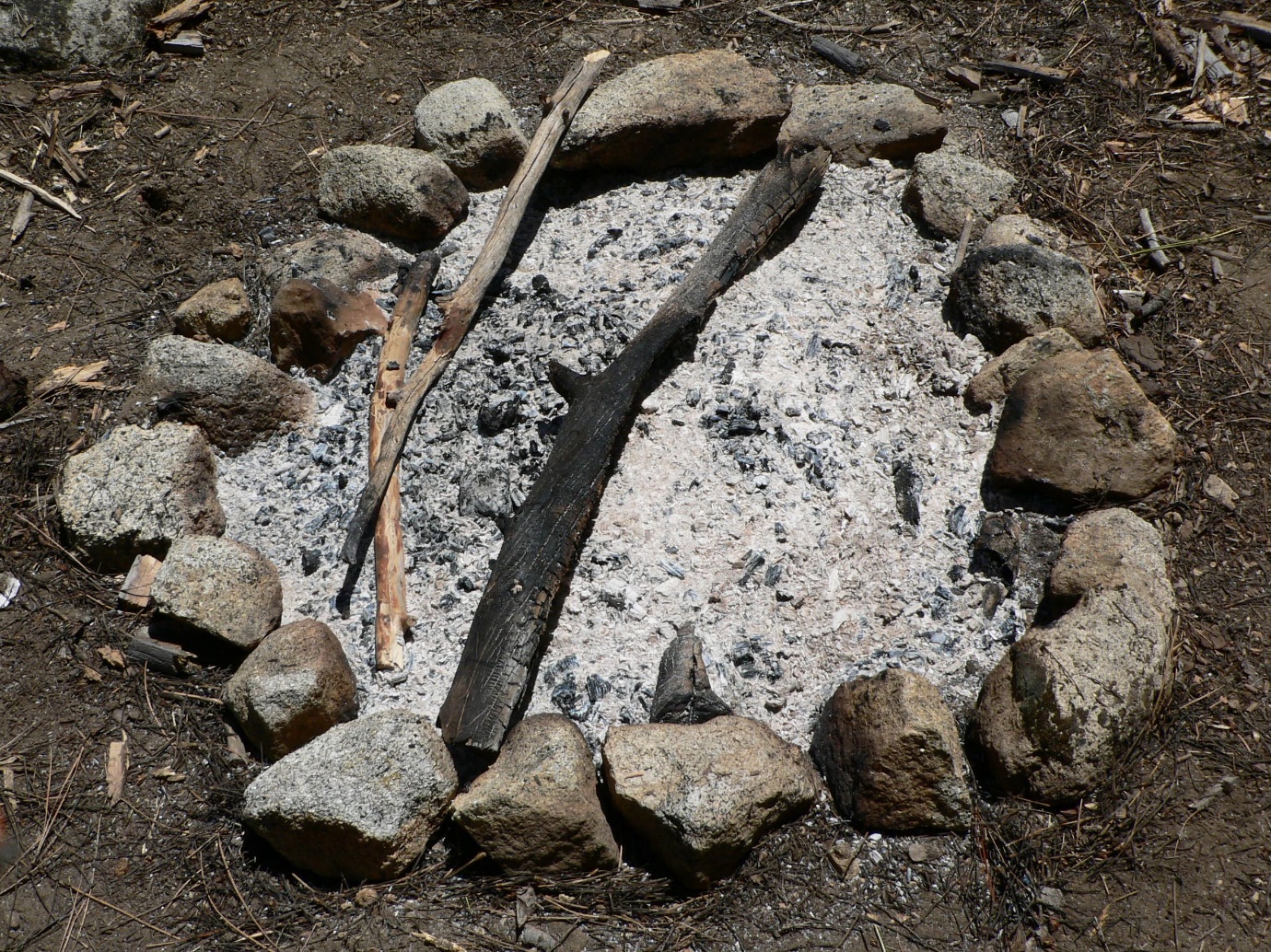
The chemistry behind wood ash is straightforward. When wood burns completely, what remains is concentrated mineral content — primarily calcium carbonate (roughly 25–45% by weight), potassium (5–7%), and smaller amounts of phosphorus, magnesium, and boron. According to Wikipedia's overview of wood ash, the exact mineral composition shifts depending on tree species, burn temperature, and moisture content of the original wood.
Understanding those variables separates casual users from gardeners who get consistent results. Not all ash is equal, not every plant benefits from it, and timing matters considerably more than most guides suggest. The sections below break down exactly how, when, and where to apply wood ash — including the situations where it would do more harm than good.
Contents
Wood ash is highly alkaline — its pH typically falls between 9 and 11. That single fact explains most of its garden applications. Acidic soils (pH below 6.0) restrict nutrient availability for many vegetables and fruit crops. Adding wood ash nudges the pH upward, unlocking nutrients that were already present but chemically unavailable to plant roots.
The primary nutrients found in wood ash include:
Experienced gardeners know that wood ash is not a complete fertilizer. It contains no nitrogen, so it works best alongside compost or organic matter rather than as a standalone amendment. Beginners sometimes treat it as a cure-all — that approach leads to over-application and soil chemistry problems that take seasons to correct.
Not all firewood yields equally useful ash. Hardwood species — oak, maple, hickory, walnut — produce ash with higher mineral density and lower resin content. Softwood ash from pine, spruce, or fir is lighter and less mineral-rich, though it still provides some pH-raising benefit when hardwood isn't available.
Coal ash, charcoal briquette ash, and ash from treated, painted, or composite wood should never reach the garden. These materials can introduce heavy metals and chemical residues that accumulate in soil over time. Only clean wood ash from untreated natural timber qualifies as a safe garden amendment.

Wood ash performs best under specific circumstances. Soil that tests below pH 6.5 is the primary target. Brassicas — cabbage, broccoli, Brussels sprouts, kale — prefer slightly alkaline conditions and respond particularly well. Clubroot disease, a fungal pathogen that attacks brassica roots, also struggles in higher-pH environments, making ash a dual-purpose solution in affected beds.
Other situations where wood ash delivers clear value:
Testing soil before any application removes guesswork. A basic pH test kit costs under $10 at most garden centers and provides the data needed to apply ash with confidence rather than speculation.
Always test soil pH before adding wood ash — applying it to already-alkaline soil above pH 7.0 can lock out phosphorus and cause visible stunting within a single growing season.
Several garden scenarios call for keeping wood ash well away. Acid-loving plants — blueberries, azaleas, rhododendrons — cannot tolerate the pH shift ash creates. Their nutrient uptake depends on acidic conditions; raising pH even slightly triggers yellowing leaves, weak growth, and poor fruit set.
Other situations to avoid:
For gardeners already managing common vegetable plant diseases organically, soil pH awareness matters especially. Many fungal pathogens are pH-sensitive, and unintended swings in either direction can create new problems alongside the ones being treated.
Wood ash acts faster than agricultural lime. While ground limestone can take weeks or months to fully shift pH, ash begins working within days. A quarter-pound per square foot applied as a top-dressing can show measurable pH change in as little as one week. For gardeners dealing with mid-season acidity in a brassica bed, that speed makes a genuine practical difference.

The trade-off is predictability. Because ash particles are far finer than ground limestone, the reaction is faster but also less stable long-term. It leaches more readily after heavy rain. Reapplication every one to two seasons is typically needed to maintain the effect — another reason annual soil testing is worth the small investment.
Dry wood ash creates a physical barrier that slugs and snails actively avoid. The fine alkaline particles irritate soft body tissue on contact. Dusting a ring around vulnerable seedlings, hostas, or lettuce provides immediate protection without any synthetic input. The limitation is moisture — ash loses effectiveness when wet and needs reapplication after rain or irrigation.
Applied as a light surface dusting around plant bases, wood ash can also reduce pressure from some soft-bodied insects during critical growth periods. It won't eliminate established pest populations on its own, but as one layer of an integrated approach, the reduction in feeding damage is measurable and worth the effort.
Potassium is a macronutrient plants use in large quantities — for photosynthesis regulation, water movement through cells, and fruit and root development. Most garden soils benefit from regular replenishment, particularly where heavy-feeding crops like tomatoes, squash, and corn grow season after season in the same beds.
Wood ash delivers potassium in a form that releases gradually through soil microbial activity. Unlike synthetic potash fertilizers that spike nutrient levels and can cause salt stress, ash feeds plants steadily across a full growing season. Gardeners practicing hot or cold composting can incorporate small quantities of ash directly into the pile, where it counterbalances natural acidity that builds up during active decomposition and contributes potassium to the finished amendment.
Add a light dusting of wood ash between compost layers to neutralize acidity and boost potassium content — without disrupting the microbial activity that drives the entire decomposition process.
Beyond its chemical role, calcium in wood ash promotes soil flocculation — the process by which fine soil particles cluster into stable aggregates. Better aggregation improves drainage in clay-heavy soils and water retention in sandy ones. These structural improvements compound gradually over multiple seasons of consistent, measured application.
The key is moderation. Applying more ash than soil chemistry actually requires doesn't accelerate these benefits — it creates new problems. Annual soil testing lets gardeners apply the right amount rather than guessing, and it confirms whether improvements are genuinely taking hold over time.
Before any ash reaches the garden, a few preparation steps matter:
Storing ash in a dry, covered container (a metal bin or sealed bag) preserves its potassium content. Wet ash rapidly loses water-soluble potassium through leaching, reducing its value as a fertilizer amendment before it even reaches the garden.
The standard maintenance rate for wood ash is 1 pound per 100 square feet per season. For soils testing well below pH 5.5, rates up to 5 pounds per 100 square feet may be appropriate — but always retest 4–6 weeks later before deciding whether more is needed.
| Application Method | Best Use | Rate / Notes |
|---|---|---|
| Surface broadcast | Established vegetable beds, lawns | Spread evenly; work into top 2–3 inches of soil |
| Compost layer addition | Active compost pile building | Light dusting between layers; avoid heavy concentration in one spot |
| Furrow application | Root vegetables, garlic, onion bulbs | Mix into planting trench before seeding or transplanting |
| Liquid drench (diluted) | Foliar spray or targeted soil drench | 1 tablespoon per gallon of water; use sparingly and rarely |
| Pest barrier ring | Slug and snail control around seedlings | Dry ash circle around plant base; reapply after every rain event |
One non-negotiable rule: never apply wood ash at the same time as nitrogen fertilizers. The alkalinity of ash converts ammonium nitrogen to ammonia gas, releasing it into the air rather than into the soil. Space ash and nitrogen applications at least two weeks apart to avoid this waste.
Gardeners who also practice worm composting should exercise extra caution. Earthworms and red wigglers are sensitive to direct exposure to concentrated ash. At recommended soil application rates the impact is generally minimal, but concentrated dumps near active worm populations can cause harm.
Vegetables with neutral-to-slightly-alkaline pH preferences show the most consistent, visible response to wood ash applications. The following crops are reliable candidates:
Fruit trees planted in acidic soil benefit from annual ash applications around the drip line — the area beneath the outermost branches where feeder roots are most active. Apples and pears show particularly strong responses. Stone fruits — peaches, plums, cherries — also tolerate moderate ash application without issue.
Berry bushes are sharply divided. Strawberries tolerate light application and benefit from the potassium during fruit development. Raspberry and blackberry canes generally respond well to spring applications around the root zone. Blueberries and cranberries cannot tolerate wood ash under any circumstances — their strict pH requirements of 4.5–5.5 are fundamentally incompatible with ash chemistry, and even one application can set plants back significantly.
Most garden soils benefit from one application per growing season. The safest practice is to test pH before each application and apply only when the reading falls below the target range for the crops being grown. Annual testing prevents over-application, which is harder to correct than under-application and can persist for multiple seasons.
Wood ash can substitute for lime in many situations since both are calcium-rich and alkaline. However, lime acts more slowly and is easier to dose precisely for large-scale corrections. Ash is better suited as a supplemental amendment or for small, targeted pH adjustments where its faster action is an advantage.
Yes, when applied at appropriate rates on soil that genuinely needs pH adjustment. Clean wood ash from untreated timber is free of chemical residues and has been used in vegetable gardens for centuries. The main risks are over-application and use on acid-loving crops — both of which a basic soil test helps avoid.
Store in a dry, covered metal container away from rain and moisture. Wet ash loses water-soluble potassium rapidly through leaching, significantly reducing its fertilizer value before it even reaches the garden. A sealed metal bin or heavy-duty plastic bag in a covered shed works well for seasonal storage.
With caution. Container soils have limited buffering capacity, so pH changes from ash happen quickly and are difficult to reverse. A very small pinch per pot may help brassicas or asparagus grown in containers, but testing with pH strips before and after is strongly advised to avoid overshooting the target range.
Some nutrient leaching occurs after heavy rain, especially with potassium, which is highly water-soluble. Working ash into the top two to three inches of soil rather than leaving it on the surface significantly reduces loss. Applying just before a heavy rain event is generally poor timing and wastes the amendment.
Wood ash contains approximately 5–7% potassium oxide (K₂O) — lower than dedicated synthetic potash fertilizers, which range from 50–60%. The advantage of ash is its slow-release nature: soil microbes make it available to plants gradually over a full season rather than delivering a sharp spike that can stress root systems.
Direct exposure to concentrated ash can irritate earthworms, but when incorporated into soil at recommended rates, the impact is minimal. Earthworms generally thrive in the near-neutral pH range that appropriate ash use promotes. The risk comes from dumping large quantities in one spot — spreading applications evenly avoids creating localized zones that are hostile to beneficial soil life.
Wood ash rewards the patient gardener who tests first and applies with restraint — used with care, a free byproduct of the fireplace becomes one of the most versatile tools in the organic garden.
 |
 |
 |
 |

About Truman Perkins
Truman Perkins is a Detroit-based SEO consultant who's been in the business for over a decade. He got his start helping friends and clients get their websites off the ground, and he continues to do so today. In his free time, Truman enjoys learning and writing about gardening - something he believes is a natural stress reliever. He lives with his wife, Jenny, and their twins in Detroit.


Get new FREE Gifts. Or latest free growing e-books from our latest works.
Disable Ad block to reveal all the links. Once done, hit a button below
|
|
|
|
 rinjal