Studies show that vertical gardens can produce up to 70% more yield per square foot than traditional flat beds — but only when you get the vertical garden pots size right from the start. Pick a pot that's too small and your plants stall before they fruit. Go too large and you're hauling unnecessary weight up a wall or fence. Getting this one decision right is the foundation of everything else in your plant care and herb growing journey.
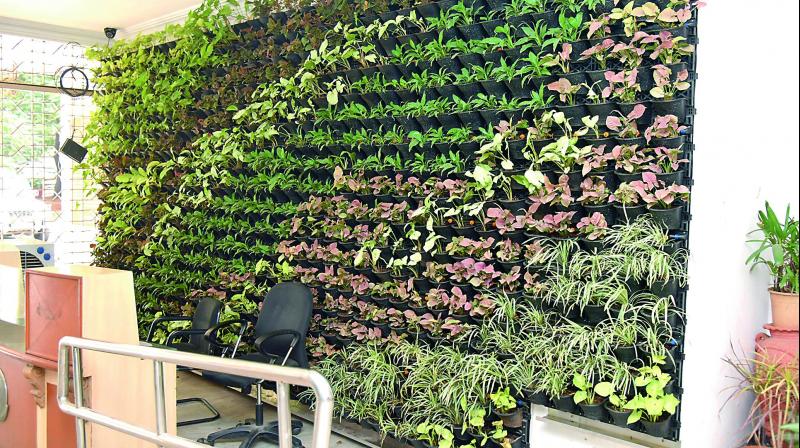
The root system of your plant determines the minimum pot depth you need. Shallow-rooted herbs like basil and mint need as little as 6 inches of soil depth. Deep-rooted vegetables like tomatoes and peppers need at least 12 inches — sometimes more. Understanding this match between root depth and container volume is what separates thriving vertical gardens from neglected ones.
This guide covers pot types and materials, a size comparison by plant category, the most common sizing mistakes, and real examples of vertical planters that actually work. Whether you're setting up your first herb wall or adding a second tier to an existing system, you'll leave with a clear plan.
Contents
Before you think about dimensions, you need to pick the right material. Not all pot types perform equally on walls, railings, or tiered stands. Weight, drainage, and moisture retention all factor directly into vertical garden performance.
Plastic is the most common choice for vertical systems — and for good reason:
The trade-off: plastic doesn't breathe. In hot climates, soil in small plastic pots can overheat and cook roots. Always choose UV-treated plastic for any outdoor vertical garden.
Fabric bags have become a go-to for vertical herb growing. Air pruning — where roots stop growing naturally at the fabric edge — produces denser, healthier root structures than plastic. The downside is they dry out faster, so you water more often. For a balcony herb wall, 4- to 6-gallon fabric pockets work well for most herbs and compact vegetables.
These mount directly to fences, walls, or pergola posts. They're typically narrow — 4 to 8 inches deep — which limits what you can grow in them. Stick to shallow-rooted plants: lettuce, herbs, strawberries, and succulents. Going deeper than 8 inches in a wall-mounted planter adds significant weight per pocket, which creates anchoring problems over time.

Matching vertical garden pots size to plant type is non-negotiable. Use this reference table before you buy a single container:
| Plant Type | Min. Pot Depth | Min. Volume | Recommended Pot Size |
|---|---|---|---|
| Basil, cilantro, parsley | 6 inches | 0.5 gallon | 6–8 inch round |
| Mint, thyme, oregano | 6–8 inches | 1 gallon | 8 inch round |
| Lettuce, spinach, kale | 6–8 inches | 1–2 gallons | 8–10 inch wide |
| Strawberries | 8 inches | 1.5 gallons | 8–10 inch round |
| Peppers, eggplant | 12 inches | 3–5 gallons | 10–12 inch round |
| Compact tomatoes | 12–14 inches | 5 gallons | 12–14 inch round |
| Cucumbers, beans | 12 inches | 3–5 gallons | 10–12 inch round |
Treat these numbers as a hard floor, not a target. Going slightly larger never hurts. Going smaller always does.
Use pots under 6 inches only for:
Don't try to grow edibles in anything under 6 inches. The root mass simply can't develop enough to support productive plants season after season.
This is the sweet spot for most vertical herb gardens. A 6- to 8-inch pot holds enough soil volume for herbs to root properly and produce consistently. If you're growing mint vertically, read our guide on how to grow mint in pots without it spreading — containment is actually an advantage in a vertical system, where spreading is structurally impossible anyway.
Large pots belong in freestanding vertical systems — tiered stands, floor planter towers — not mounted on walls. A 5-gallon pot filled with moist potting mix weighs roughly 40–50 lbs. Multiply that across a wall-mounted system and you're looking at serious structural risk. For anything wall-mounted, cap yourself at 10 inches depth maximum.
Most failed vertical gardens don't die from disease or pests. They die from container sizing errors made before the first seed ever went in.
This is the most common mistake. Here's exactly what happens when you undersize:
The fix is straightforward: always go one pot size up from the minimum recommendation in the table above. The small additional cost is irrelevant compared to the yield difference.
Oversizing causes different but equally damaging problems:
For herbs and shallow-rooted leafy greens, anything over 10 inches is overkill. Match the pot to the plant's actual needs, not to your aesthetic preference for big, dramatic containers.
You don't always catch sizing errors before planting. Here's how to diagnose and correct them after the fact.
If your plants are wilting despite wet soil, root rot from waterlogging is the likely cause — often triggered by an oversized pot. Follow these steps:
Prevention is better than treatment. Every vertical pot must have functional drainage holes — no exceptions, regardless of pot material or system type.
If growth has flatlined, the pot is almost certainly too small. Clear signs include roots circling the pot base, soil drying within 24 hours, and yellowing lower leaves despite regular feeding. Upgrade to the next size up and incorporate a slow-release granular fertilizer into the new mix. For leafy greens like spinach, our guide on growing spinach in containers covers soil preparation and feeding strategies that apply directly to vertical setups.
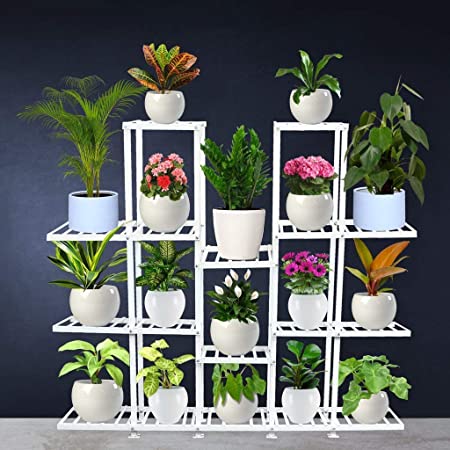
Your pot sizing strategy should match where you are in your vertical gardening experience. A beginner's setup looks — and should look — very different from an established multi-tier system.
Start with a single vertical column or wall panel of 6–8 pots. Keep the setup simple and consistent:
According to Wikipedia's overview of vertical gardens, the concept scales from a few wall pockets to entire building facades — but the core sizing principles stay the same at every scale. Get your watering rhythm right before you expand.
Once you've mastered the basics, you can mix pot sizes intentionally across tiers:
This graduated approach optimizes weight distribution across the entire structure and ensures heavier, more demanding plants get the root space they need at the base.
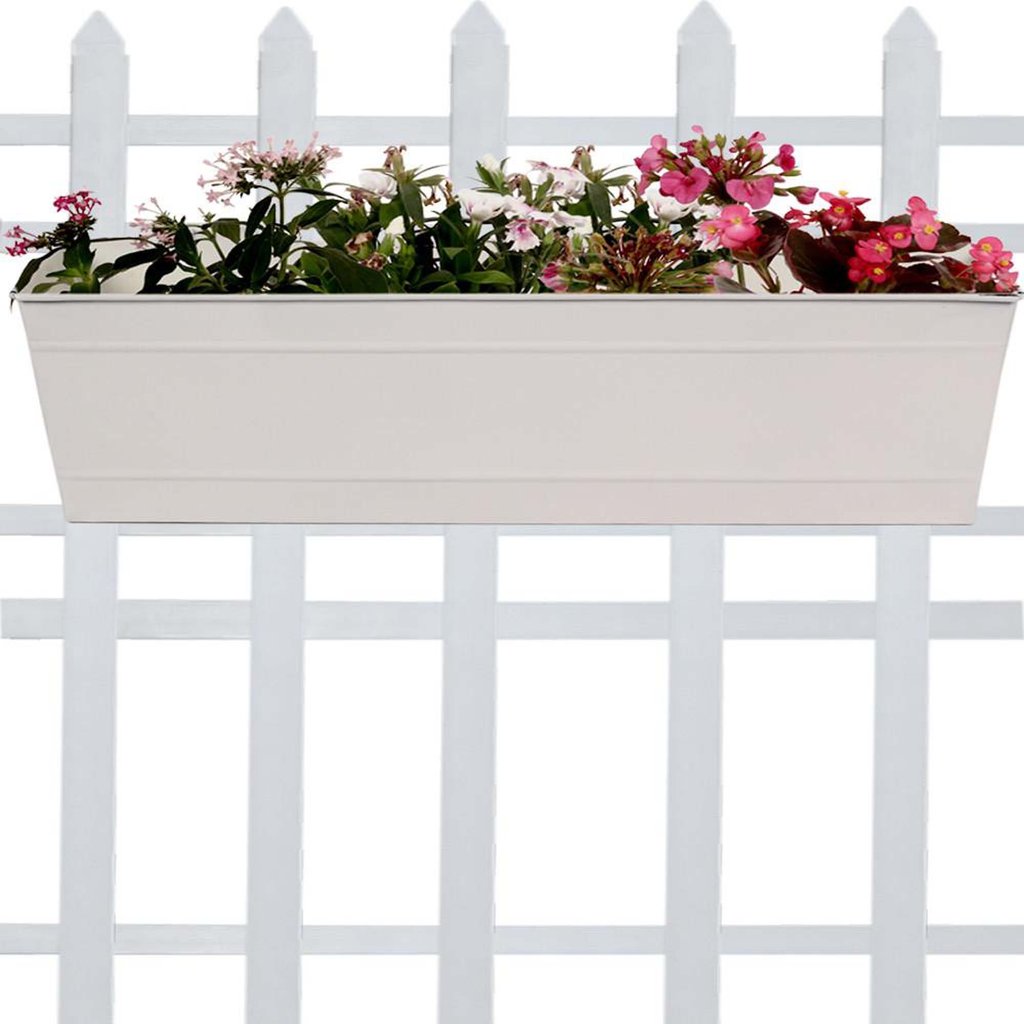
Real vertical garden setups use specific planter configurations. Here's what works in practice across the most common system types.
Rectangular railing planters — like the Trustbasket model shown above — are designed to straddle balcony railings. They typically measure 12–18 inches long, 5–6 inches wide, and 6–8 inches deep. That depth limits you to herbs, lettuce, and strawberries. The structural advantage is that the weight loads onto the railing itself rather than a wall, which is far safer for most balcony setups.
Sizing guide for railing planters:
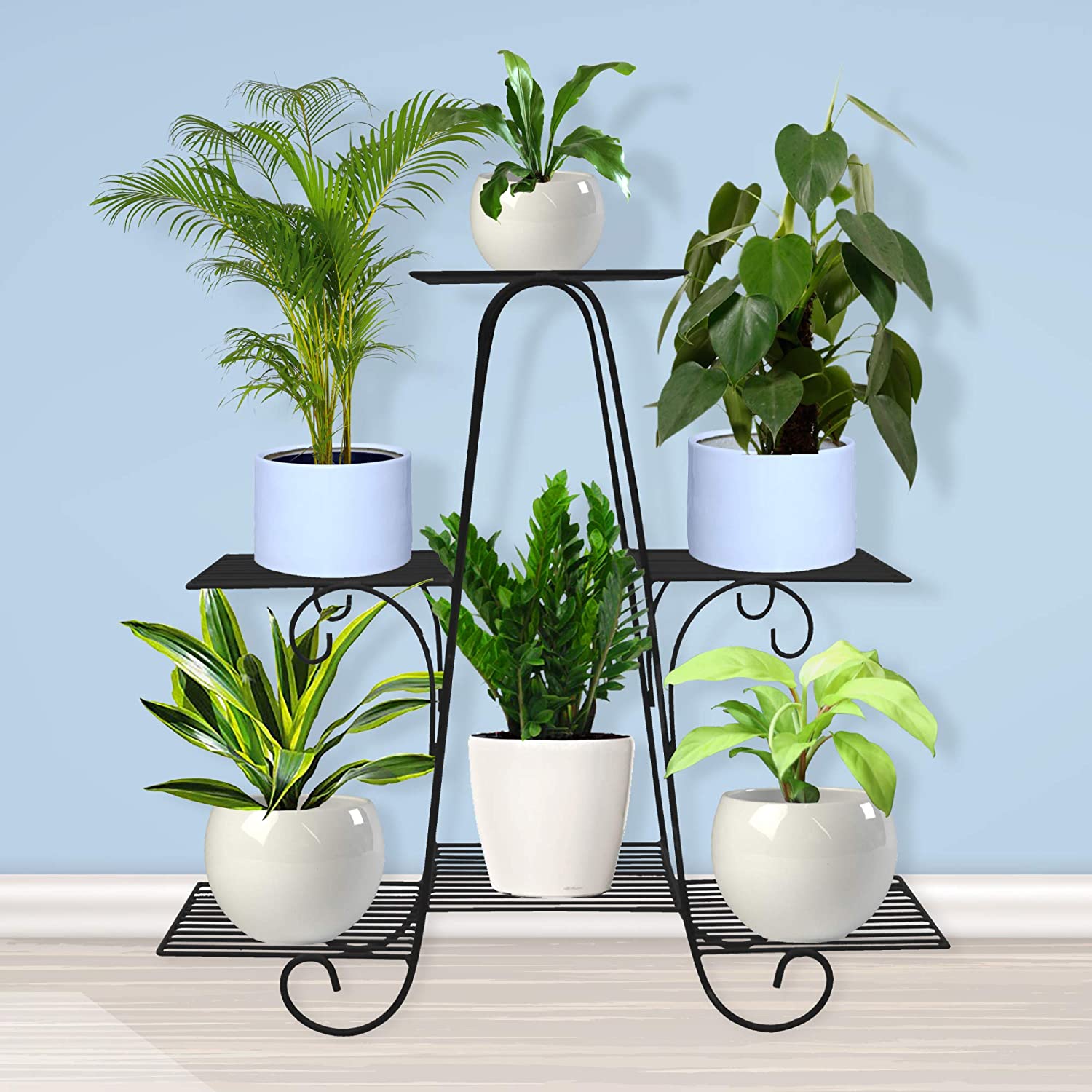
Freestanding tiered stands — like the Trustbasket Marvel and Orian models — give you the most sizing flexibility because the structure carries all the weight. You're not limited by wall anchor capacity, so larger pots on lower tiers are completely viable.
Recommended configurations for tiered stands:
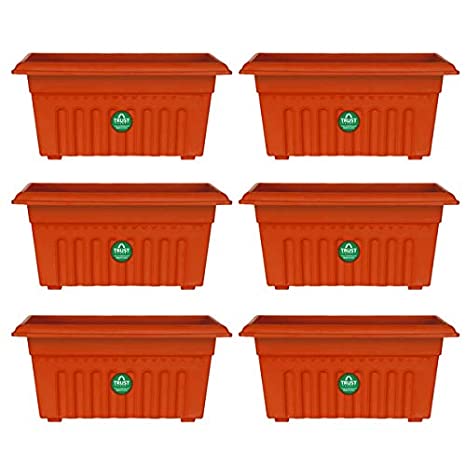
UV-treated rectangular plastic planters perform particularly well in tiered systems. They resist sun degradation, and the rectangular footprint maximizes soil volume in a given space — giving roots more lateral room than a round pot of the same nominal diameter.
For most herbs — basil, cilantro, parsley, thyme — the minimum is a 6-inch pot with at least 0.5 gallon of soil volume. Mint needs slightly more room: use an 8-inch pot to allow lateral root spread. Going smaller than 6 inches produces stressed, underperforming plants that never reach their yield potential.
You can if you're growing only herbs and leafy greens — an 8-inch pot is a workable universal size for that plant category. But if you're mixing herbs with vegetables like peppers or tomatoes, you need larger pots for the vegetables. A uniform-size setup does not work across different plant types.
Most compact vegetables need at least 10–12 inches of depth. Tomatoes and cucumbers require 12–14 inches minimum. Leafy vegetables like spinach and lettuce manage with 6–8 inches. Root vegetables like carrots and beets are not practical for vertical gardens — their long taproots make harvesting in vertical systems nearly impossible.
Yes — without exception. Pots without drainage holes accumulate water at the bottom of the soil column, creating anaerobic conditions that lead directly to root rot. If your chosen pot doesn't have holes, drill them before planting. Place a small piece of mesh or a coffee filter over each hole to prevent soil from washing out during watering.
 |
 |
 |
 |

About Christina Lopez
Christina Lopez grew up in the scenic city of Mountain View, California. For eighteen ascetic years, she refrained from eating meat until she discovered the exquisite delicacy of chicken thighs. Christina is a city finalist competitive pingpong player, an ocean diver, and an ex-pat in England and Japan. Currently, she is a computer science doctoral student. Christina writes late at night; most of her daytime is spent enchanting her magical herb garden.


Get new FREE Gifts. Or latest free growing e-books from our latest works.
Disable Ad block to reveal all the links. Once done, hit a button below
|
|
|
|
 rinjal