Have you ever stood in front of two completely different growing systems and wondered which one actually belongs in your garden? The debate over hydroponic vs aquaponic gardening has a definitive answer — it just depends on what you want to grow, how much time you commit, and how deep into the system you're willing to go. Both methods cultivate plants without traditional soil, yet the differences between them shape everything from your startup investment to your weekly maintenance routine. If you've spent time exploring our gardening reviews, you already know that modern growing methods come with real trade-offs worth understanding before you spend a dollar.

Hydroponics delivers nutrients directly to plant roots through a carefully controlled water solution, giving you precision that soil gardening simply cannot match. Aquaponics builds a living ecosystem where fish waste fertilizes your plants naturally, and your plants clean the water for the fish — a closed loop that mimics nature's own recycling system. These two systems share a soilless foundation, but they diverge sharply in complexity, startup costs, and what you actually get at harvest time, and understanding those divergences is what separates growers who build thriving systems from those who troubleshoot for months wondering what went wrong.
Whether you're planning a compact indoor herb setup or a large backyard installation, the choice you make here will define your growing experience for years to come. This guide walks you through the real differences, the honest trade-offs, and the practical steps to get either system running correctly from day one.
Contents
Before you invest in a single component, you need to clear the noise that surrounds both systems, because bad information leads to expensive, time-consuming mistakes that set you back months before you even produce a single harvest. Most beginners approach these systems with assumptions pulled from marketing material rather than real growing experience, and those assumptions shape decisions they later regret.
This is the most common mistake growers make, and it costs them time and real money. The two systems share one characteristic — soilless growing — and that's where the similarity ends completely. Hydroponics is a plant-only system where you control every nutrient through synthetic or organic solutions that you mix and manage yourself. Aquaponics is a full ecosystem that includes fish, beneficial bacteria, and plants working together in a biological cycle that you must steward with consistency and patience.
Aquaponics does use fewer synthetic inputs over time, and that's genuinely valuable if organic output matters to you. But the claim that it's automatically more sustainable ignores the energy costs of running pumps for two systems simultaneously, heating fish tanks in cold climates, and replacing fish losses that inevitably occur in every system. Hydroponics managed with organic inputs — including approaches inspired by what you'd find in rice water fertilizer research — can be surprisingly eco-friendly when you run it with care and intentionality.
They don't — and confusing the two leads beginners to choose the wrong system for their skill level. Hydroponics has a steeper learning curve up front but develops a predictable maintenance rhythm once you dial in your nutrient ratios and pH management. Aquaponics is easier to grasp conceptually at first, but the biological balance of fish, bacteria, and plants creates ongoing variables that demand consistent monitoring and a willingness to respond quickly when any element of the system shifts unexpectedly.
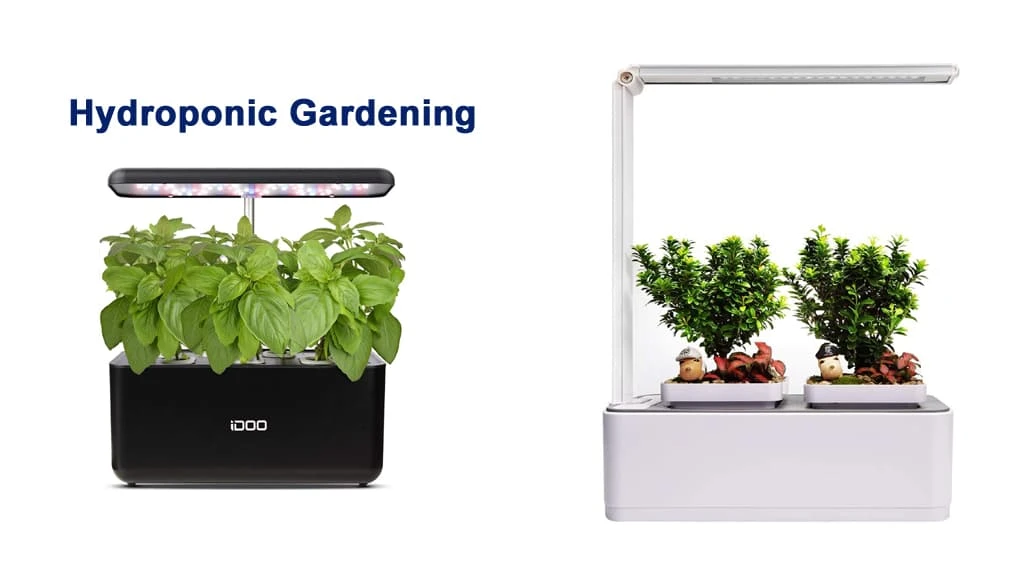
Hydroponics feeds plant roots directly in a nutrient-rich water solution, bypassing soil entirely and delivering everything the plant needs at the root zone with precision that traditional gardening cannot replicate. The system cycles continuously, with pumps moving water through channels, towers, or reservoirs depending on which configuration you choose for your space and crop goals.
Indoor hydroponic growers almost always need artificial lighting to achieve consistent production. The best grow lights for herbs and indoor plants make a significant difference in how quickly your plants reach harvest weight, so don't treat lighting as an area to cut costs when you're building out your system.
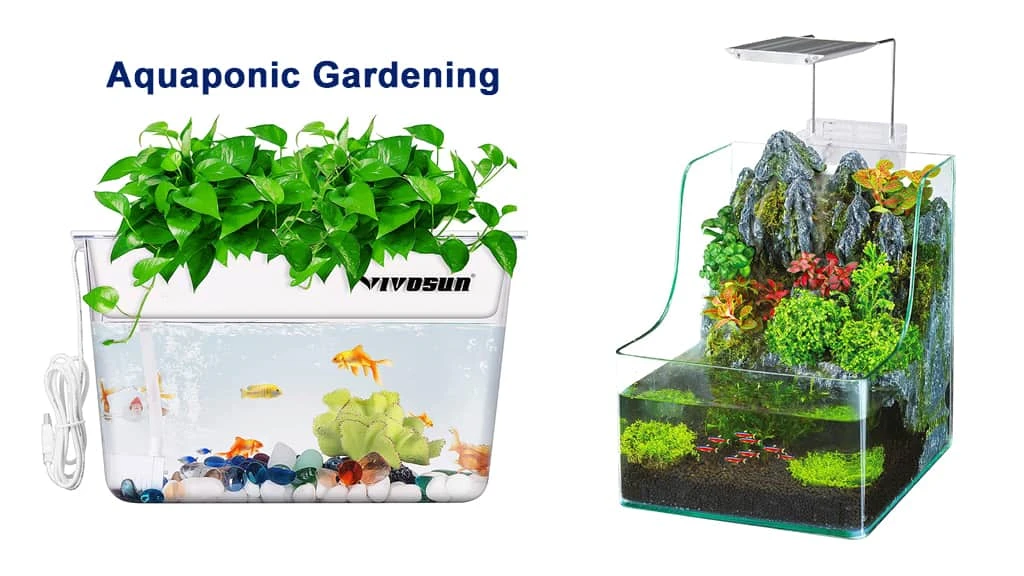
Aquaponics links a fish tank to a grow bed in a closed-loop system where waste from the fish feeds the plants and the plants filter the water for the fish in a continuous biological exchange. According to Wikipedia's overview of aquaponics, the system mimics natural wetland ecosystems and has been adapted successfully for both commercial-scale production and home growing operations worldwide.
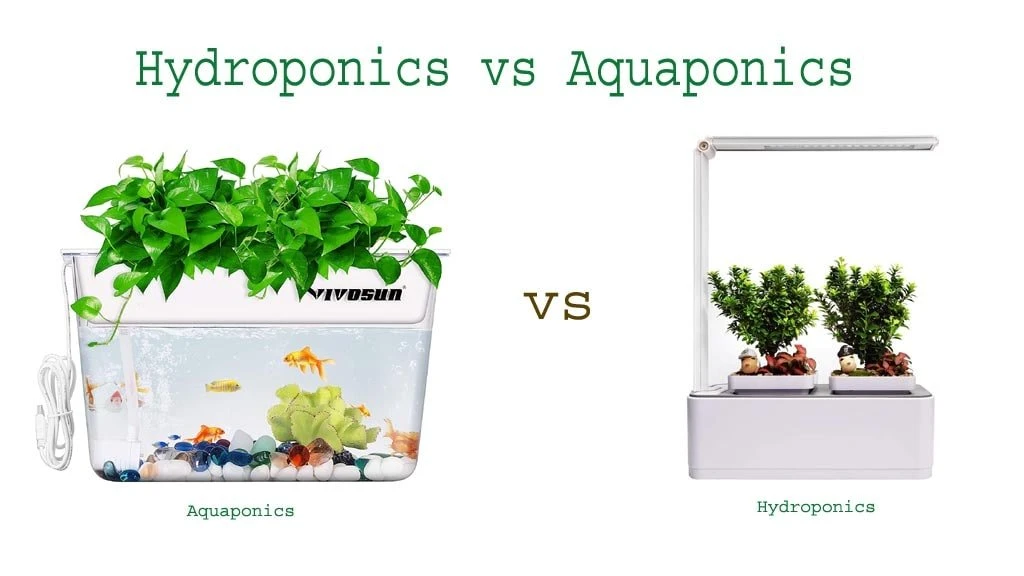
Every growing system comes with genuine advantages and real drawbacks, and knowing both sides before you commit saves you from building the wrong system for your situation. The comparison below reflects actual grower experience, not manufacturer promises or YouTube highlight reels.
| Factor | Hydroponics | Aquaponics |
|---|---|---|
| Startup Cost | $50–$500 for home setups | $200–$1,500+ due to fish tank, biofilter, and stocking |
| Running Cost | Ongoing nutrient solution purchases required | Lower after cycling; fish food is the primary recurring input |
| Setup Complexity | Moderate — manageable in a single weekend | High — nitrogen cycling phase takes 4–6 weeks before planting |
| Daily Maintenance | pH checks and reservoir top-offs every 2–3 days | Daily fish feeding plus weekly full water parameter testing |
| Plant Growth Speed | Very fast — up to 50% faster than soil growing | Fast — slightly slower than pure hydroponics on average |
| Organic Output | Possible but requires certified organic nutrient inputs | Inherently organic through natural fish waste conversion |
| Best Crops | Leafy greens, herbs, tomatoes, peppers, strawberries | Leafy greens, herbs, cucumbers, some fruiting plants |
| Dual Harvest | Plants only | Plants and edible fish simultaneously |
| Failure Risk | Pump failure kills plants within hours | Pump failure threatens fish and plants at the same time |
| Scalability | Straightforward — add channels or buckets to existing reservoir | Requires recalibrating fish-to-plant ratios at every scale increase |
Both systems outperform traditional soil gardening in water efficiency, using up to 90% less water than conventional garden beds by recirculating the same water repeatedly through the system cycle rather than losing it to evaporation and drainage.
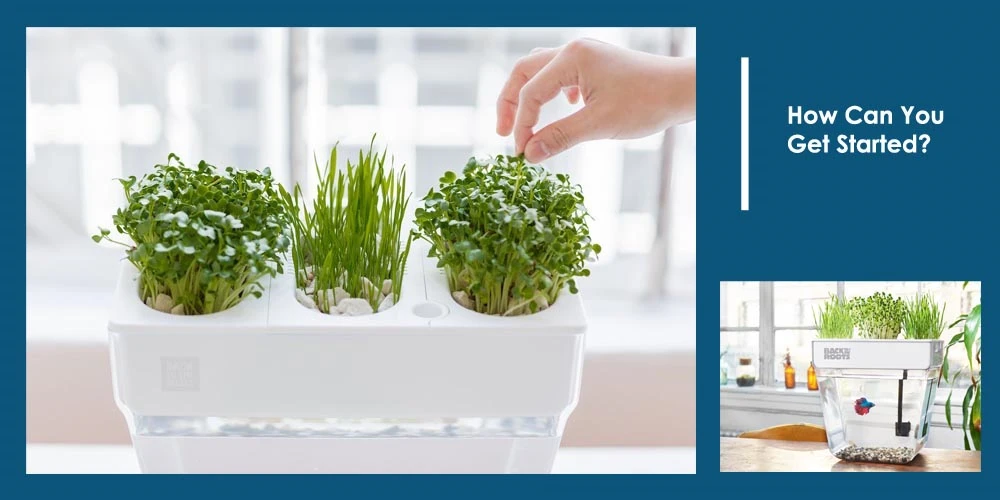
If you're new to soilless growing, hydroponics is the smarter first step because it gives you one ecosystem to manage instead of two simultaneous living systems that interact in ways that aren't always predictable. You learn how plants absorb nutrients, how pH affects availability, and how water temperature influences root health — all without the added responsibility of keeping fish alive at the same time you're still learning the basics.
If you already run a successful hydroponic system and want to expand into a more self-sustaining production model, aquaponics is a natural progression that rewards the patience and biological understanding you've already built through direct experience. The added complexity of fish care and nitrogen cycle management becomes manageable once you approach it as an extension of nutrient cycling principles you already know well.
Hydroponics gives you the most control with the least biological complexity, making it the right call across a broad range of situations where precision and simplicity matter more than producing two types of harvest simultaneously.
Aquaponics makes the most sense when your goals extend beyond plant production alone and you're prepared to invest real time in understanding biological systems rather than just chemical nutrient formulations that you purchase and mix yourself.
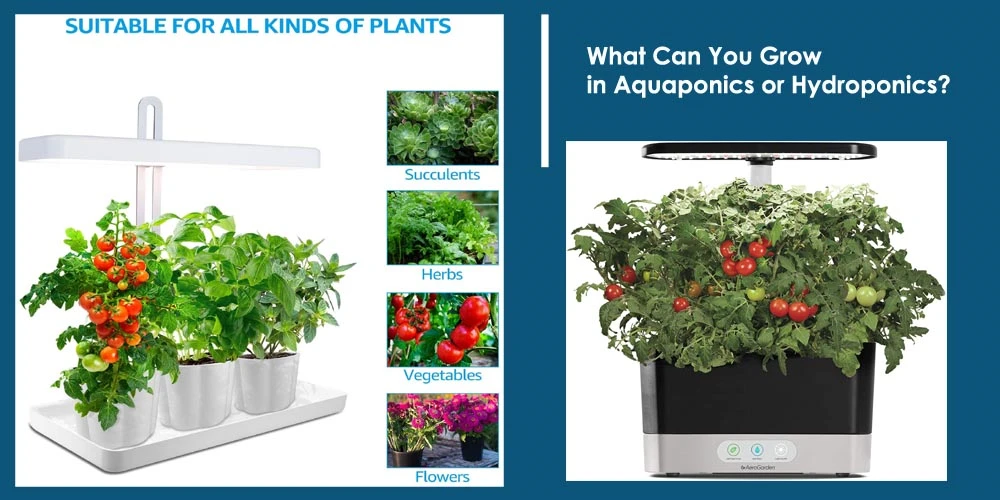
Water is the foundation of both systems, and the quality of your water determines whether your plants thrive or stagnate from the moment you first start your system running. These practices apply regardless of which method you choose, because both systems live or die by the health of the water circulating through them every single day.
Growers who want to reduce purchased nutrient inputs should explore the principles behind homemade organic fertilizers — several of these approaches translate directly into aquaponic supplementation strategies and home-brewed compost teas that boost micronutrient availability without synthetic additives.
Both systems perform at their peak when you match lighting intensity and spectrum to the crops you're growing, and when you maintain the ambient temperature and humidity of your growing space within the ranges that your specific plants and fish species require for healthy, productive growth.
Starting small is the right move at every level of experience, but your long-term goal should be a system that scales to match your production ambitions without requiring a complete rebuild every time you want more output than your current configuration delivers. Planning your scaling pathway at the very beginning saves you significant rework, replumbing expense, and frustration at the exact moment when you're most motivated to grow.
The most productive growers in both hydroponic and aquaponic systems succeed because they plan their crop rotations deliberately, matching plant varieties to their system's current nutrient profile and seasonal light availability with consistent discipline rather than growing whatever catches their attention in any given week.
Hydroponics feeds plants through a synthetic or organic nutrient solution in water that you mix and control yourself, while aquaponics uses fish waste converted by beneficial bacteria into plant-available nutrients, creating a living ecosystem that sustains fish and plants together in a single closed-loop biological system.
Hydroponics is significantly cheaper to set up because you need only a reservoir, pump, growing media, and nutrient solution to get started. Aquaponics adds the cost of a fish tank, biofilter, fish stocking, dechlorination equipment, and the additional monitoring tools required to maintain a healthy aquatic environment alongside your plants.
Both systems grow leafy greens, herbs, tomatoes, cucumbers, and peppers exceptionally well. The key difference is pH range — aquaponics operates between 6.8 and 7.2 for fish health, which limits acid-loving crops like blueberries that thrive at lower pH levels you can achieve precisely in pure hydroponic systems.
Yes — aquaponics qualifies as organic by most standards because nutrients come from fish waste converted by beneficial bacteria rather than synthetic chemical compounds. You need to verify that your fish feed contains no artificial additives if full certified organic status matters for your production goals and how you market your harvest.
A hydroponic system can have plants in the water within 24–48 hours of assembly. Aquaponics requires a full nitrogen cycling period of 4–6 weeks before bacterial colonies are stable enough to support healthy plant growth without generating ammonia levels that kill your fish population during the critical establishment phase.
Hydroponics requires less daily attention once it stabilizes — you check pH and top off the reservoir every two to three days on a predictable schedule. Aquaponics requires daily fish feeding and weekly full water parameter testing because the biological balance between fish, bacteria, and plants must be monitored consistently to prevent system crashes that harm all three living components simultaneously.
Beginners can succeed with aquaponics, but the learning curve is genuinely steeper because you're managing a living ecosystem rather than a nutrient solution you fully control. Most experienced growers recommend mastering hydroponics first, building a solid foundation in plant nutrition and water chemistry, and then transitioning to aquaponics with the biological understanding that direct experience provides.
The system that feeds you consistently is the one you understand deeply — choose the method that matches your skills today, and grow into the one that matches your vision for tomorrow.
 |
 |
 |
 |

About Truman Perkins
Truman Perkins is a Detroit-based SEO consultant who's been in the business for over a decade. He got his start helping friends and clients get their websites off the ground, and he continues to do so today. In his free time, Truman enjoys learning and writing about gardening - something he believes is a natural stress reliever. He lives with his wife, Jenny, and their twins in Detroit.


Get new FREE Gifts. Or latest free growing e-books from our latest works.
Disable Ad block to reveal all the links. Once done, hit a button below
|
|
|
|
 rinjal