You've just brought home a gorgeous snake plant, and now you're staring at a shelf full of plastic nursery pots wondering what to do next. The right pot makes a real difference — not just in how the plant looks, but in whether it thrives or slowly drowns. Snake plants hate wet feet, so drainage and material matter more here than with almost any other houseplant.
In 2026, the market for indoor planters has exploded. You can find everything from self-watering systems to handcrafted terracotta, and the choices can feel overwhelming fast. We've sorted through dozens of options to bring you the best pots for snake plants across every budget, style, and skill level. Whether you're a first-time plant parent or a seasoned collector, there's a pick here for you. For more ideas on what to put in these pots, browse our full gardening reviews section.
Snake plants (Dracaena trifasciata) are among the most forgiving houseplants on earth — but they do have one non-negotiable need: a pot that drains well. Soggy roots lead to root rot, and root rot kills fast. The pots below are chosen specifically with that in mind. Each one balances drainage, size, and aesthetics so your snake plant can look as good as it grows.

Contents





If you tend to forget watering schedules — or you travel a lot — the Lechuza Classico is the pot that saves your snake plant. It measures 8.3 inches in diameter and 7.9 inches tall, which is the sweet spot for a medium snake plant. The self-watering reservoir system uses inorganic granulate compounds (a mineral substrate that wicks moisture upward) to deliver exactly the right amount of water to the roots. You fill the reservoir, and the plant drinks on its own schedule.
Made in Germany from frost and UV-resistant polypropylene plastic, this pot handles both indoor shelves and outdoor patios without fading or cracking. The clean white finish looks modern and minimal, matching nearly any décor. For snake plants specifically, the self-watering mechanism is a perfect match — these plants want consistent but infrequent moisture, and the Lechuza delivers just that without any guesswork. You won't drown your plant or let it go bone dry. That's a serious advantage for busy households.
The build quality feels premium. This is not a flimsy pot that'll crack when you move it. The plastic is thick, the sub-irrigation liner fits snugly, and the exterior looks elegant despite being entirely synthetic. If you want a worry-free option that still looks sharp on a coffee table or balcony, this is it.
Pros:
Cons:
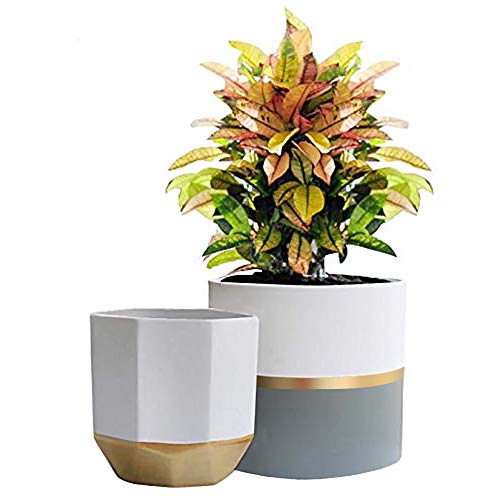
Sometimes you want a pot that earns compliments before your snake plant even grows another inch. The LA Jolie Muse set delivers exactly that. You get two ceramic planters — one taller cylindrical piece at 6.7"W × 6.1"H in grey, and one smaller asymmetrical piece at 5.4"W × 5.2"H in gold. The gold and grey color-block detailing is hand-painted and genuinely striking. This isn't the kind of set you hide in a corner.
Both pots are made from sturdy ceramic, which is a naturally breathable material — good for root health. Each planter has a single drainage hole at the base to prevent waterlogging. For snake plants, one hole is sufficient as long as you're not going overboard with watering. The two-pot set makes it easy to create a simple vignette: put a tall snake plant in the larger grey planter and a small cutting or offset in the gold one. You instantly have a styled display that looks intentional.
The size is best suited for smaller snake plants or young pups (offsets). If you have a large, mature Sansevieria trifasciata, you'll want something bigger. But for compact varieties like Sansevieria 'Hahnii' or young plants, this set is a perfect fit. The ceramic weight also keeps the pot stable — no tipping when the plant gets top-heavy. If you enjoy pairing your plants with decorative containers, also check out our guide on types of planter pots for more styling ideas.
Pros:
Cons:

The Bloem Saturn is built tough. The resin construction (a hard synthetic material similar to hard plastic but denser) is maintenance-free, UV-protected, and resists fading even in direct sun. That makes it an outstanding choice for a covered porch, balcony, or patio where your snake plant gets some outdoor time in summer. At 9.75 inches across the top and 8.5 inches tall, it holds a 1.5-gallon volume — enough room for a well-established medium snake plant.
The snap-in saucer is a practical touch that sets this pot apart from basic options. Pre-drilled drainage holes keep roots from sitting in water, while the saucer catches runoff to protect your floors and surfaces. You don't need to buy a separate tray. That snap-in design means it stays in place and doesn't slide around when you move the pot. For outdoor use specifically, that stability matters — you don't want a heavy pot tipping over in wind or when brushed against.
The mango color is a warm orange-yellow that works well in outdoor garden settings or against earthy tones indoors. If you prefer neutrals, Bloem offers this in other colors, but the mango variant has a cheerful, summery feel. The resin is easy to clean with a damp cloth — no special treatment needed. Year after year, this pot holds its color and shape. For outdoor snake plants in 2026, this is one of the most practical and durable options on the market.
Pros:
Cons:
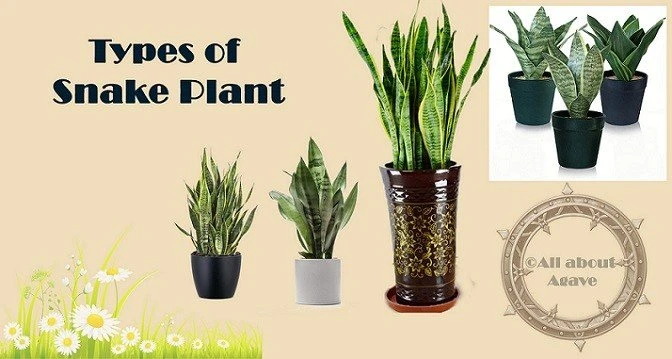
Terracotta is the classic snake plant pot for a reason. The porous clay walls allow air and moisture to pass through, which means the soil dries out faster between waterings. For snake plants, this is ideal — these succulents store water in their leaves and roots, and they need the soil to dry completely before you water again. Terracotta naturally enforces that cycle. The D'vine Dev pot is handcrafted at 8.3 inches tall and 8.3 inches in diameter, with a 7.8-inch interior — a generously roomy container for medium-to-large snake plants.
The high-temperature firing process makes this terracotta denser and more durable than cheap, low-fired alternatives. The result is a smooth matte finish that feels substantial in your hands. It looks clean and modern — not rustic or rough like some terracotta. The minimalist round design works in nearly any room. A matching saucer is included, so you can place it on any surface without worrying about water damage.
Handcrafted items do come with slight size variations, which D'vine Dev is upfront about. That's a feature, not a flaw — no two pots are exactly identical, giving each one a handmade character. Pair this with a well-draining snake plant mix (a standard cactus mix works well, or read more about growing conditions in our guide to plants that give oxygen at night, which includes several snake plant tips) and you have a winning combination. For anyone who wants the classic terracotta look without compromise, this is the pick.
Pros:
Cons:
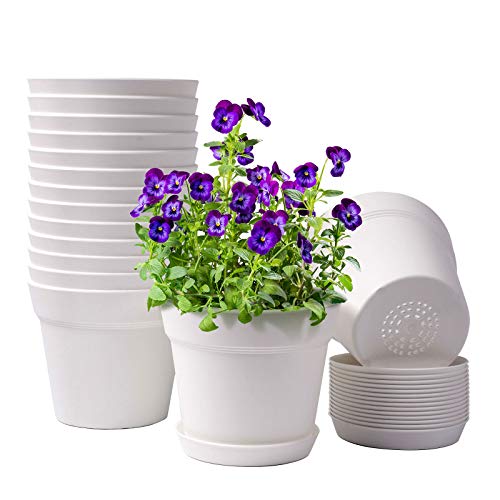
If you're propagating snake plants, building a collection, or gifting plants to friends, the homenote 15-pack is the smartest buy on this list. Fifteen pots plus fifteen matching trays for a price that's hard to argue with. Each pot is 6 inches, which is the right size for young snake plants, pups (baby offsets), or compact varieties. The multi-hole drainage design at the bottom is the standout feature — instead of one central hole that can clog with soil, multiple small holes create a grid pattern that keeps drainage flowing freely.
The plastic walls are 3mm thick — noticeably sturdier than typical cheap nursery pots. They won't crack when you squeeze them or when a top-heavy plant shifts its weight. The white finish is clean and neutral, so these look decent on a windowsill without the visual clutter of mismatched containers. At 6 inches, they're light enough to move around without effort, and the trays catch any drainage so your shelves stay dry.
These are genuinely functional pots, not just cheap filler. You can grow orchids, cacti, aloe, and of course snake plant pups in the same pack and get consistent performance across all of them. If you're building out a plant collection in 2026 and need a reliable, affordable foundation, start here. The only trade-off is that they lack the decorative appeal of ceramic or terracotta — but that's what cache pots (decorative outer pots) are for.
Pros:
Cons:
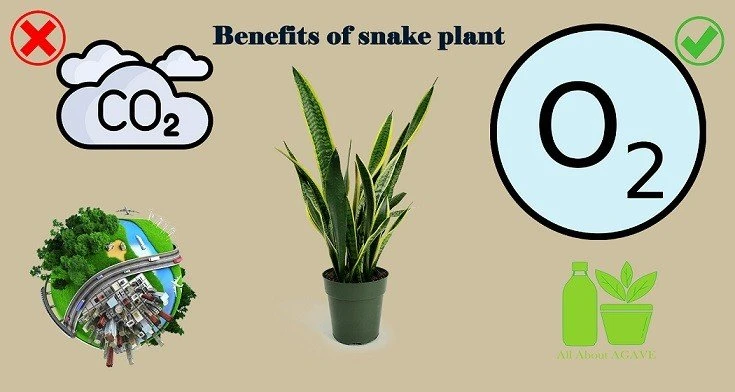
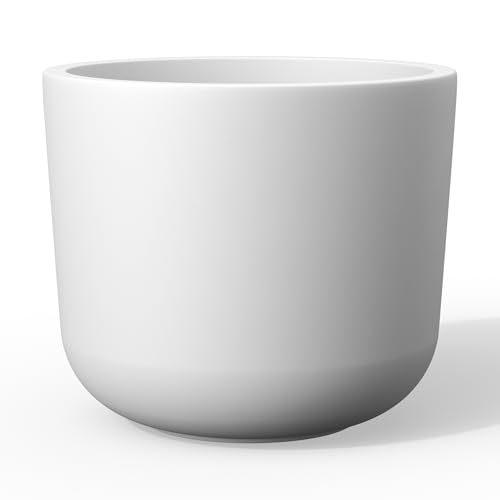
Concrete planters have become a go-to choice in modern interior design, and the Kante 9-inch is one of the best examples of why. The naturally weathered finish with subtle surface pores gives it an organic, architectural look that suits minimalist, Scandinavian, and industrial interiors equally well. At 9 inches in diameter, it's large enough for a well-established snake plant — the kind you'd use as a statement piece on a plant stand or entryway table.
The premium concrete mixture used in the Kante is denser and more UV-resistant than standard concrete — that matters if you move it outdoors seasonally. The white color doesn't yellow or chalk under sun exposure. The smooth flowing curves prevent the blocky, utilitarian feel you get with some concrete planters. This one looks designed. A drainage hole at the base keeps root rot at bay, though you'll want to use a saucer underneath since concrete can wick moisture onto surfaces below it.
Weight is the only real constraint. A 9-inch concrete pot with a planted snake plant is heavy. Once it's positioned, you won't be moving it casually. That also makes it inherently stable — no tipping risk from a tall, sword-leafed plant. If you want a showpiece pot that will age gracefully and look better over the years, the Kante delivers. Pair it with a large, structural Sansevieria laurentii (the yellow-edged variety) and you'll have a living sculpture in your space.
Pros:
Cons:
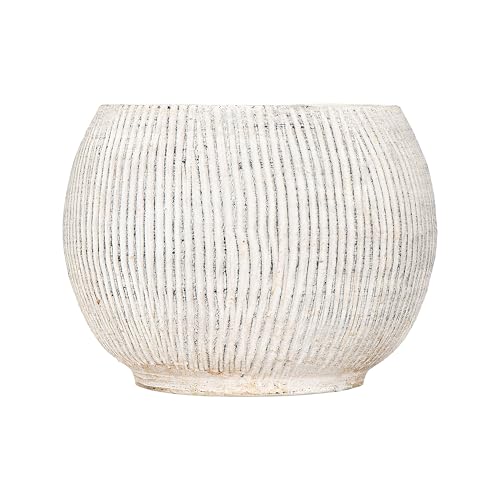
Not every snake plant belongs in a sleek modern pot. If your space leans bohemian, vintage, or farmhouse, the Creative Co-Op Distressed Cream planter fits right in. The ribbed (fluted) texture adds visual dimension that plain smooth pots can't match. The distressed cream finish looks intentionally aged — like something you'd find at a French country market — without looking dingy or worn out. It's a pot that makes people ask where you got it.
The terracotta construction is the practical backbone here. As we've established, terracotta's breathability is one of the best things you can give a snake plant. The cream glaze is light enough that the pot still breathes through the walls, unlike heavily sealed ceramic. Care is straightforward: wipe with a dry cloth to clean. No scrubbing, no soaking. The fluted ridges add grip, making the pot easier to handle when repotting.
This is the pot for someone who curates their space with intention. It pairs beautifully with a variegated snake plant — the cream tones echo the pale sections of the leaves. It's also a natural complement to natural-fiber baskets, wood shelves, and linen textiles. The size suits a compact to medium snake plant. If you've been browsing the best pots for African violets for similar decorative options, you'll notice the same textured terracotta trend showing up across houseplant styles — it's not going anywhere in 2026.
Pros:
Cons:
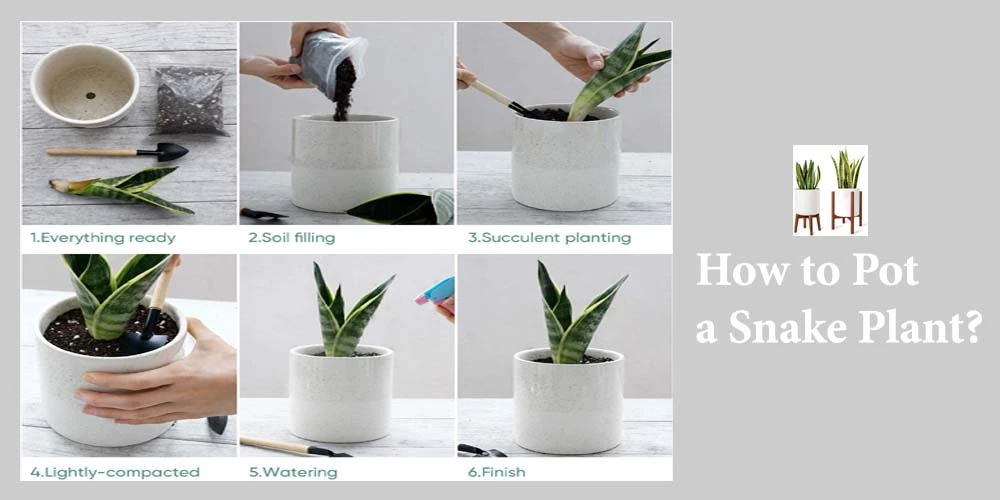
Snake plants are low-maintenance, but they're not bulletproof. The wrong pot can undo everything else you do right. Here's what actually matters when you're choosing a container for this plant in 2026.
Say it again: snake plants need excellent drainage. In the wild, they grow in rocky, sandy soil that dries fast. In a pot with poor drainage, water pools at the root zone and root rot sets in within days. Every pot on this list has at least one drainage hole — that is non-negotiable. When evaluating any pot not on this list, if it doesn't have a drainage hole, don't buy it for a snake plant unless you plan to use it as a cache pot (a decorative outer shell that holds a plastic nursery pot inside).
Multiple drainage holes are better than one. The homenote plastic pots nail this with their grid-pattern hole design. Single holes can clog with soil particles over time. If you're repotting into a single-hole pot, place a mesh screen or a piece of broken pottery over the hole before adding soil — it keeps the hole clear without blocking water flow.
Pot material directly affects how fast soil dries out — and that changes how often you need to water.
For beginners, terracotta is the safest choice. It's harder to kill a snake plant in a terracotta pot because the material works against overwatering. For experienced growers who water carefully, any material works fine.
This is a common mistake. When you pot a snake plant in an oversized container, the extra soil holds excess moisture that the roots can't absorb — and that wet soil is a breeding ground for fungus and root rot. Choose a pot just 1–2 inches wider than the root ball. Snake plants actually prefer to be slightly root-bound (roots filling most of the pot). They grow faster and look better when they're a little snug.
As a general guide:
Repot only when roots start visibly escaping the drainage holes or pushing up above the soil line. Most snake plants need repotting every 2–3 years.
Snake plant roots spread outward, not downward. They're shallow and wide. A wide, shallow pot actually suits them better than a deep, narrow one. That said, standard round pots work perfectly well — just avoid unusually tall, narrow containers that hold deep pockets of moisture below the shallow root zone. If the pot is twice as deep as it is wide, skip it. Standard proportions — roughly equal height and diameter — work best for snake plants at any size.
Terracotta is the best material for most snake plant growers, especially beginners. The porous clay walls let the soil dry out faster, which reduces the risk of overwatering and root rot — the most common way snake plants die. Experienced growers who water carefully can use ceramic, plastic, concrete, or resin without issues, but terracotta gives you the most margin for error.
Yes, absolutely. A drainage hole is non-negotiable for snake plants. Without drainage, water accumulates at the bottom of the pot and saturates the roots. Snake plants are highly susceptible to root rot when kept in waterlogged soil. If you love a decorative pot that lacks a drainage hole, use it as a cache pot — place a plastic nursery pot with drainage inside it and remove the inner pot when watering.
Choose a pot that is 1–2 inches wider than the snake plant's root ball. Oversized pots hold too much wet soil and invite root rot. Small plants (under 12 inches) do well in 4–6 inch pots. Medium plants (12–24 inches) suit 6–8 inch pots. Large specimens over 24 inches need 8–12 inch containers. Repot only when roots visibly escape the drainage holes or the plant becomes severely root-bound.
Yes, but with caution. Self-watering pots like the Lechuza Classico work well for snake plants when the reservoir is managed properly. Keep the reservoir lower than you would for a moisture-loving plant. Fill it only partially and allow the soil to dry completely before refilling. Snake plants are succulents — they store water in their leaves and prefer dry conditions. The self-watering mechanism removes the risk of forgetting to water, which is the main benefit for busy households.
Every 2–3 years is the typical schedule. Snake plants like being slightly root-bound, so there's no need to rush repotting. The clearest sign it's time is roots visibly pushing out of the drainage holes or rising above the soil line. Spring is the best time to repot because the plant enters its active growing season. When you do repot, only go up one size — 1–2 inches wider in diameter than the current pot.
Yes. Many outdoor-rated pots — including the Bloem Saturn resin planter on this list — work perfectly indoors. UV-resistant and frost-resistant materials are a bonus if you plan to move the plant outside during warm months. The key considerations indoors are weight (concrete and large ceramic can be very heavy), drainage (ensure you have a matching saucer to protect floors), and size (same rules apply regardless of indoor or outdoor placement).
 |
 |
 |
 |

About Truman Perkins
Truman Perkins is a Detroit-based SEO consultant who's been in the business for over a decade. He got his start helping friends and clients get their websites off the ground, and he continues to do so today. In his free time, Truman enjoys learning and writing about gardening - something he believes is a natural stress reliever. He lives with his wife, Jenny, and their twins in Detroit.


Get new FREE Gifts. Or latest free growing e-books from our latest works.
Disable Ad block to reveal all the links. Once done, hit a button below
|
|
|
|
 rinjal