The types of planter pots indoor outdoor available today range from basic terracotta to advanced self-watering systems — and the one you choose directly determines how well your plants actually grow. Drainage, material, and size shape root health before you plant a single seed. Get these decisions right from the start. Explore more container growing strategies at Trinjal's plants, herbs & farming hub.

A planter pot is any container used to grow plants above ground — from a 4-inch clay pot on a kitchen windowsill to a large fiberglass planter anchoring a commercial lobby. They come in dozens of materials, shapes, and drainage configurations because different plants, climates, and spaces demand different solutions.
Picking the wrong pot is one of the most common mistakes new gardeners make. Overwatering is inevitable when drainage fails. Roots overheat in metal pots baking in afternoon sun. Frost cracks unprotected ceramics overnight. Understanding the differences between pot types prevents every one of these problems before your plants feel them.

Contents
The best pot investment is one that still performs five years from now. That means thinking past aesthetics. Durability, drainage, and size appropriateness are the three pillars of a long-term pot choice — get all three right and you won't be replacing containers every season.
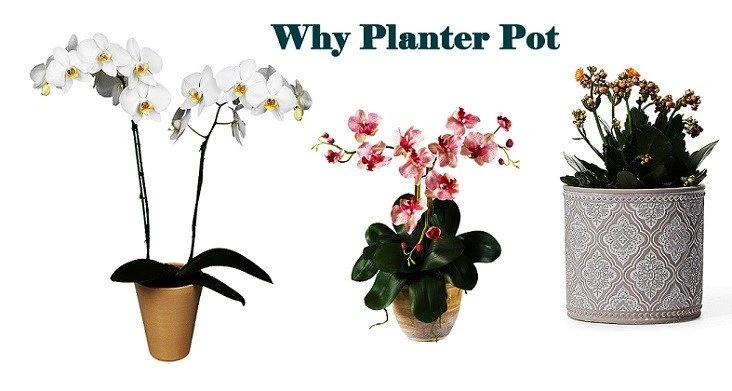
Every pot needs at least one drainage hole. Roots sitting in waterlogged soil develop rot within days. If you love a decorative container without holes, use it as a cachepot — drop a properly draining inner pot inside and empty the saucer after every watering.
Outdoor pots face UV exposure, frost, wind, and heavy rain. Indoor pots deal with dry air and temperature swings from HVAC systems. No single material performs perfectly in both environments — which is exactly why most serious gardeners own several types.
For outdoor use, prioritize frost resistance, UV stability, and weight. Lighter pots are easier to reposition as seasons change. For indoor use, prioritize moisture management, aesthetics, and floor protection. A pot that stains hardwood becomes a problem fast.
Pro tip: In freeze-thaw climates, choose fiberglass, polystyrene, or high-fired stoneware for any pot staying outdoors year-round — these materials expand and contract without cracking.
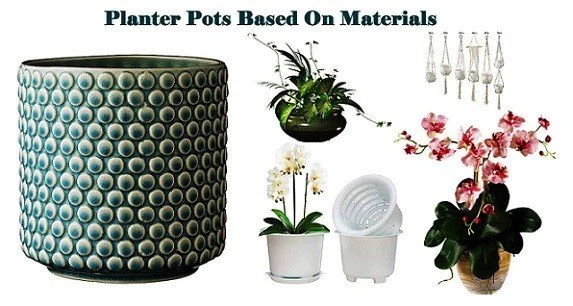
Understanding pot types by material is the fastest way to narrow your choices. Each material has a distinct profile covering weight, durability, moisture behavior, and cost. Use the comparison table below as your quick reference before browsing any further.
| Material | Weight | Moisture Retention | Frost Resistance | Best Use | Lifespan |
|---|---|---|---|---|---|
| Terracotta | Heavy | Low (porous) | Poor | Herbs, succulents, indoor | 5–15 yrs |
| Ceramic (glazed) | Heavy | Medium | Poor–Fair | Indoor decorative | 10–20 yrs |
| Plastic | Light | High | Good | Nursery, tropical plants | 3–7 yrs |
| Polystyrene | Very light | High | Excellent | Outdoor, winter growing | 5–10 yrs |
| Wood (cedar/redwood) | Medium–Heavy | Medium | Good | Raised-bed style, outdoor | 5–20 yrs |
| Metal | Heavy | Low | Good | Outdoor statement pieces | 10–30 yrs |
| Fiberglass | Light–Medium | Low | Excellent | Commercial, large outdoor | 20–30 yrs |
| Stone/Concrete | Very heavy | Low | Excellent (sealed) | Permanent focal points | Decades |
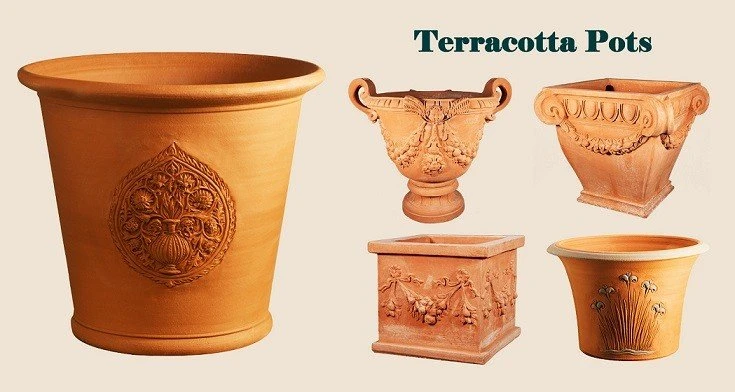
Terracotta — unglazed fired clay — is the classic plant pot material for good reason. Its porous walls allow air and moisture to pass through, which actively prevents overwatering and promotes root health. According to Wikipedia's entry on terracotta, this material has been used for containers across cultures for thousands of years. It excels with Mediterranean herbs, cacti, and succulents that prefer dry conditions between waterings.
Glazed ceramic retains more moisture than terracotta because the glaze seals the clay surface. They come in hundreds of colors and finishes, making them the top decorative choice for indoor display. The trade-off is weight and fragility — they chip when dropped and crack when frozen. If you're choosing a pot for a specific plant like African violets, matching the container's moisture behavior to your plant's watering needs is critical.
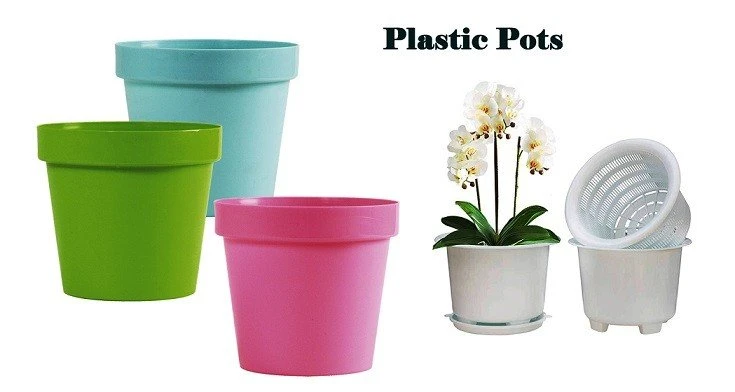
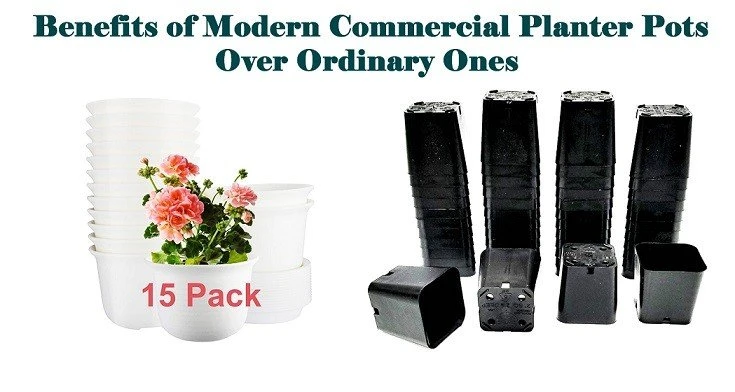
Plastic pots are lightweight, inexpensive, and retain moisture well — exactly what ferns, tropical houseplants, and seedlings need. They don't breathe like terracotta, so you need to water with more care. UV exposure degrades plastic over time outdoors; inspect them annually for brittleness and replace any that crack under light pressure.
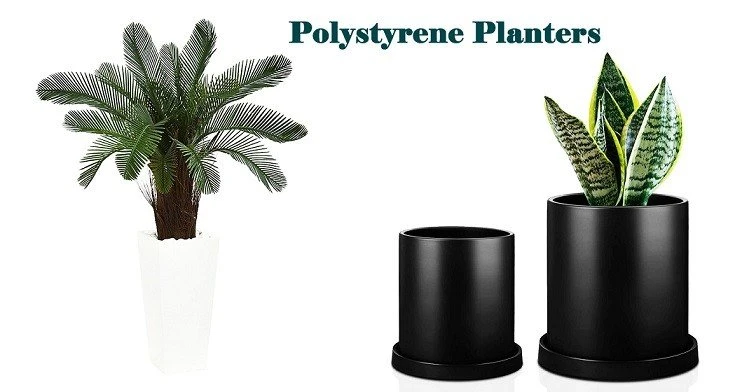
Polystyrene (foam) pots provide the best soil temperature insulation of any container material. They buffer roots against both heat and frost, making them ideal for winter growing or protecting cold-sensitive plants. Their extremely light weight is a genuine advantage on balconies and rooftop gardens where load capacity is a real concern.
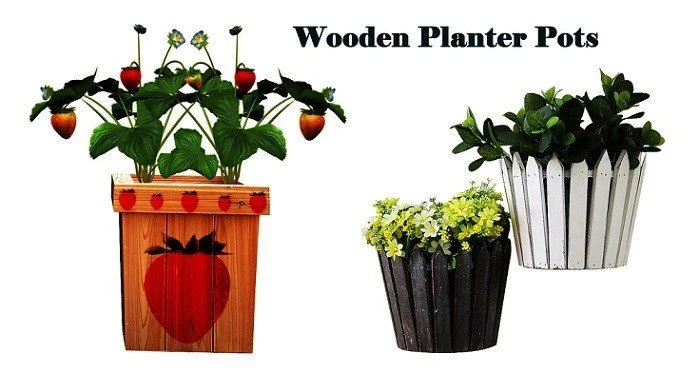
Wood brings warmth and a natural aesthetic to both indoor and outdoor spaces. Cedar and redwood resist rot naturally and outlast cheaper softwoods by years. Line wooden planters with plastic sheeting to prevent direct soil contact with the wood, and your investment will last well over a decade.
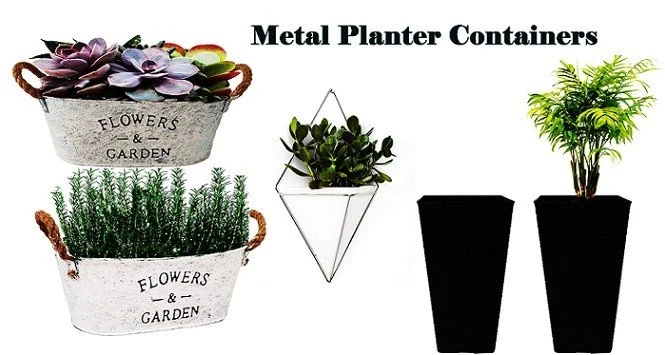
Metal containers make bold design statements but require thoughtful placement. They absorb heat rapidly — soil can reach root-damaging temperatures in direct afternoon sun. Use them in partial shade or as cachepots with an inner liner. Galvanized steel and corten (weathering steel) are the most durable outdoor metals available.
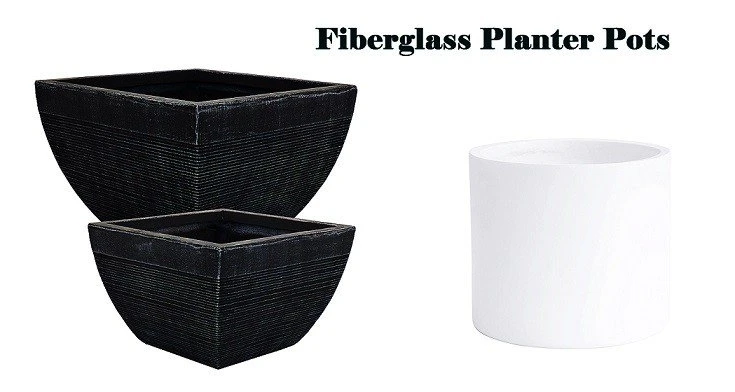
Fiberglass combines light weight with exceptional durability. It mimics stone, ceramic, wood, or metal at a fraction of the actual weight — and it won't crack in freezing temperatures. Commercial landscapes rely on fiberglass planters specifically because they last decades with minimal maintenance.
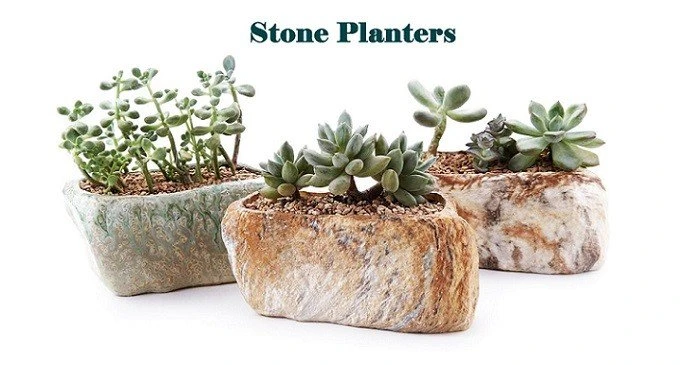
Stone and concrete planters are permanent fixtures. Sealed properly, they're frost-resistant and virtually indestructible, developing beautiful patinas over years of outdoor use. The trade-off is mass — a large stone planter requires several people to move. Plan placement carefully before you fill one with soil.
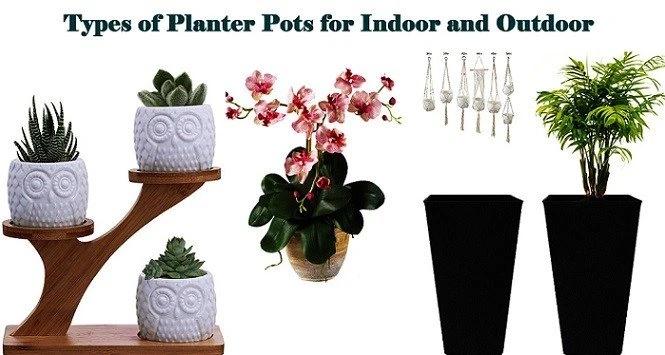
Beyond material, the structural design of a planter determines where you can actually use it. Choosing the right configuration for your available space is a practical decision — not just a visual one.
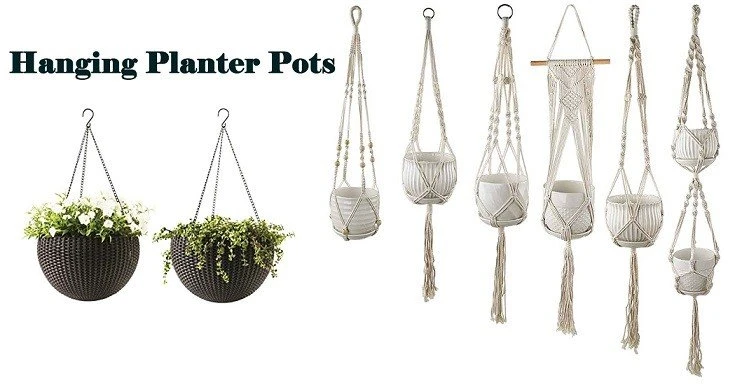
Hanging pots free up floor and shelf space while adding visual interest at eye level. They're ideal for trailing plants like pothos, string of pearls, and ivy. Always anchor to a structural ceiling joist or beam — a 10-inch pot filled with moist soil weighs 15–20 pounds easily.
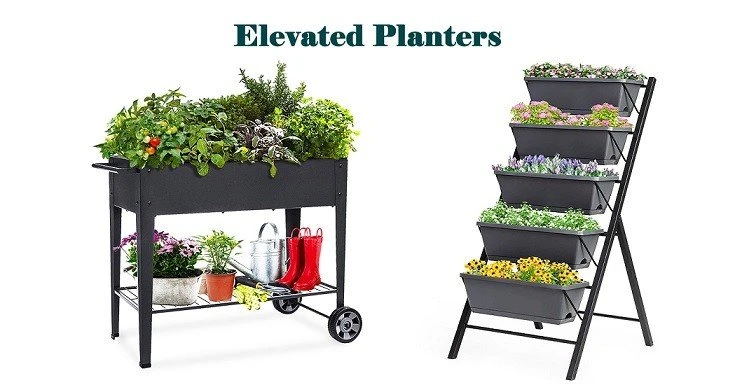
Elevated planters raise plants to a comfortable working height — ideal for herb gardens, cut flower beds, or anyone with mobility limitations. They also improve drainage by lifting pots off wet ground, which reduces slug damage and soil splash. If you're planning a layered setup, see our complete guide on vertical gardening techniques for placement strategies.
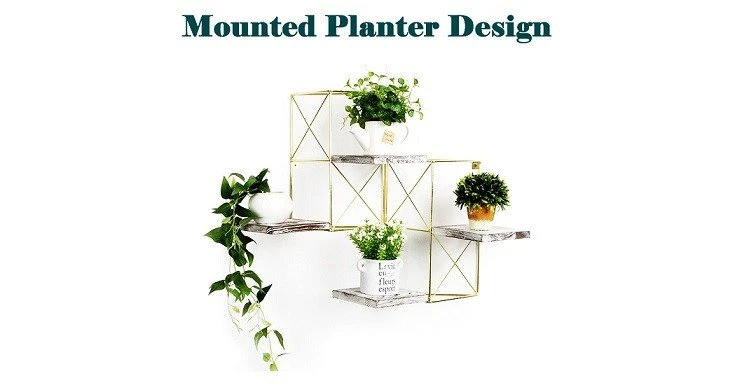
Mounted wall planters are the best solution for tight balconies, fences, and entryways. They attach directly to vertical surfaces and come in single-pocket, multi-pocket, and trough styles. Always verify the wall or fence can support the combined weight of pot, soil, and water before installing.
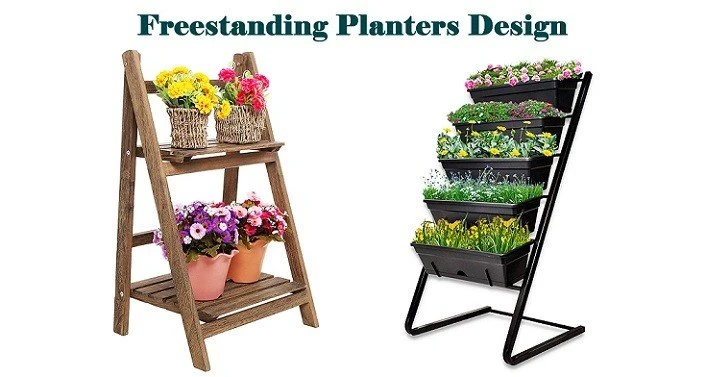
Freestanding planters are the most versatile design available. They sit on any flat surface and move as seasons or needs change. Large freestanding containers work as privacy screens or garden dividers when planted with tall ornamental grasses or columnar shrubs.
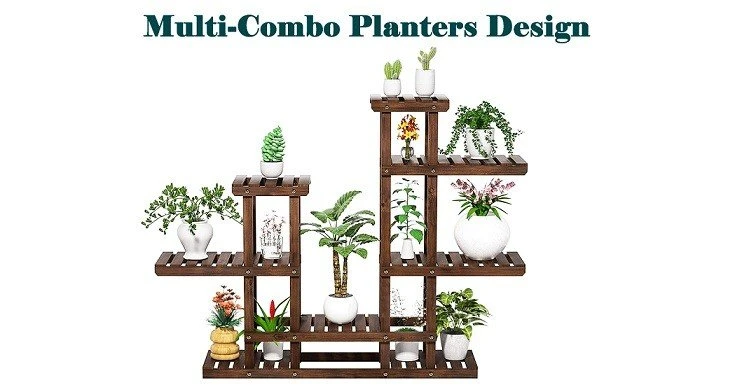
Multi-combo planters group multiple pockets or compartments in one unit. They're efficient for herb collections, strawberry towers, and companion planting setups where different plants benefit from proximity. The critical check: confirm each compartment drains independently before purchasing — shared drainage defeats the design.
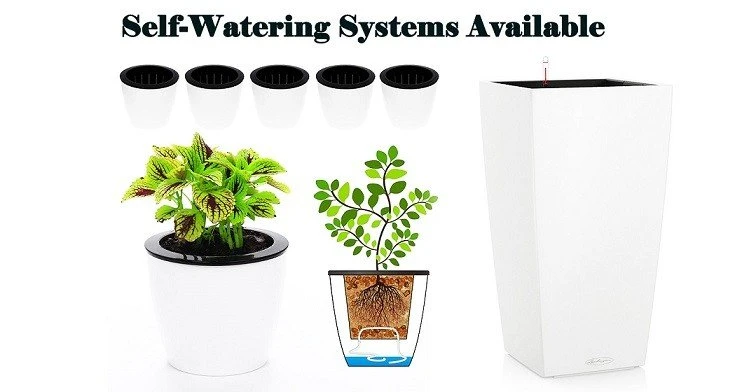
Self-watering pots include a built-in reservoir below the soil compartment. Plants draw moisture upward through capillary action, consuming water only as needed. This eliminates both overwatering and underwatering — the two leading causes of container plant death. They're especially valuable for busy households or frequent travelers.
Warning: Self-watering pots create root rot conditions for succulents, cacti, and other drought-tolerant plants that need complete dry-out cycles between waterings — avoid them for these plant types entirely.
If you're starting out, keep it simple. A set of plastic and terracotta pots covers most needs without a large upfront investment. Focus on getting drainage right before worrying about aesthetics or specialty features.
Experienced gardeners build a mixed collection over time — terracotta for herbs and succulents, plastic grow bags for seasonal vegetables, fiberglass for permanent outdoor anchors, and self-watering planters for high-value indoor specimens. At this stage, you're optimizing for plant health and workflow efficiency, not just filling a shelf.
Clean all reused pots between growing seasons. Old potting mix harbors fungal spores, pest eggs, and mineral buildup that carry over and damage new plantings. A 10% bleach solution (1 part bleach to 9 parts water) kills most pathogens on non-porous surfaces. For terracotta, scrub off white mineral deposits with undiluted white vinegar, then rinse thoroughly.
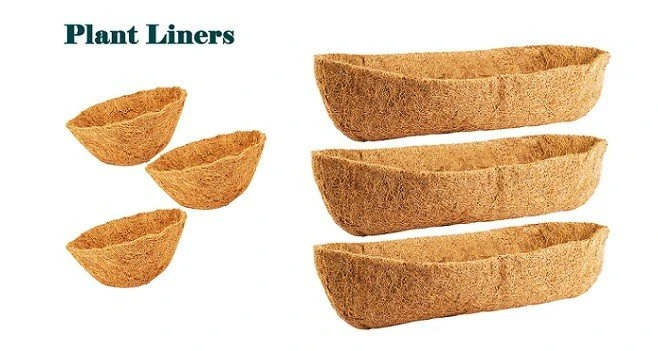
Plant liners are removable inserts placed inside decorative cachepots or wooden planters. They protect the outer container from moisture damage, speed up plant swapping, and allow you to safely use beautiful containers that lack drainage holes. Coco coir and felt liners are biodegradable and soil-friendly; plastic liners are reusable and easy to clean between seasons. Whichever type you use, check the liner for roots pushing through the base every few months — that's your signal to repot.
The most common indoor planter pot types are terracotta, glazed ceramic, and plastic. Terracotta suits herbs and succulents. Ceramic works for decorative arrangements where moisture retention matters less. Plastic is the practical choice for tropical houseplants that need consistent soil moisture.
Fiberglass, stone, and polystyrene are the top outdoor materials for long-term durability. Fiberglass is the best all-around choice — it's lightweight, fully frost-resistant, and mimics premium finishes at a lower cost and fraction of the weight.
Yes. Without drainage holes, water collects at the root zone and causes root rot within days. If you want to display a decorative pot without holes, use it as a cachepot — place a drainage-equipped inner pot inside and empty collected water after every watering.
A self-watering pot has a built-in water reservoir below the soil compartment. Plants draw moisture upward through capillary action, consuming water only as needed. This eliminates the two most common container plant killers: overwatering and underwatering. They work best for moisture-loving plants, not succulents.
Choose a pot 1–2 inches wider than the plant's root ball for houseplants. For vegetables and fast-growing plants, size up by 4–6 inches to give roots room to expand without requiring frequent repotting. Deep-rooted crops like carrots and beets need containers at least 12 inches deep.
Standard terracotta cracks in freeze-thaw cycles because moisture inside the clay expands when it freezes. Move terracotta indoors before the first hard freeze. For permanent outdoor positions in cold climates, switch to fiberglass, polystyrene, or high-fired frost-resistant stoneware instead.
A cachepot is a decorative outer container that has no drainage holes. You place a functional, drainage-equipped pot inside it. This setup lets you display beautiful containers that aren't structurally designed for direct planting without risking root rot in your plants.
Yes. Fabric grow bags are a specialized container type that air-prunes roots as they reach the bag wall, preventing root circling that stunts plant growth. They drain exceptionally well, fold flat for storage, and are among the best options available for growing tomatoes, peppers, and fruit trees in containers.
The pot you choose is the first decision your plant can't override — choose well, and everything else gets easier.
 |
 |
 |
 |

About Truman Perkins
Truman Perkins is a Detroit-based SEO consultant who's been in the business for over a decade. He got his start helping friends and clients get their websites off the ground, and he continues to do so today. In his free time, Truman enjoys learning and writing about gardening - something he believes is a natural stress reliever. He lives with his wife, Jenny, and their twins in Detroit.


Get new FREE Gifts. Or latest free growing e-books from our latest works.
Disable Ad block to reveal all the links. Once done, hit a button below
|
|
|
|
 rinjal